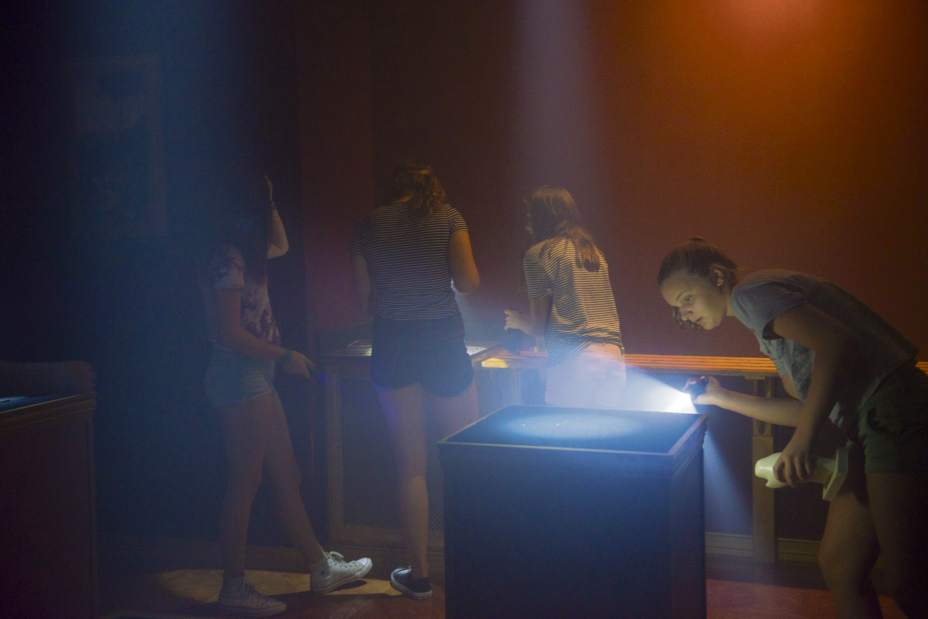











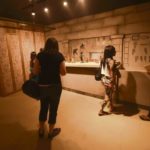
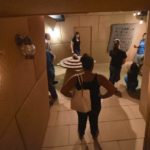
The doors shut, the lights dim and the clock is already ticking.
For some, being locked in a room with 10 strangers and given an hour to break free doesn't sound like a top choice when deciding how to spend their leisure time. Yet, for Pittsburghers, there's been no escaping the popularity of the country's latest entertainment craze.
Since escape rooms arrived in Pittsburgh in fall 2014, few cultural trends have flourished quite like the real-life gaming experience. In fact, more than a handful of local escape rooms have already become some of the area's top-rated attractions on tourist websites like Tripadvisor and Yelp.
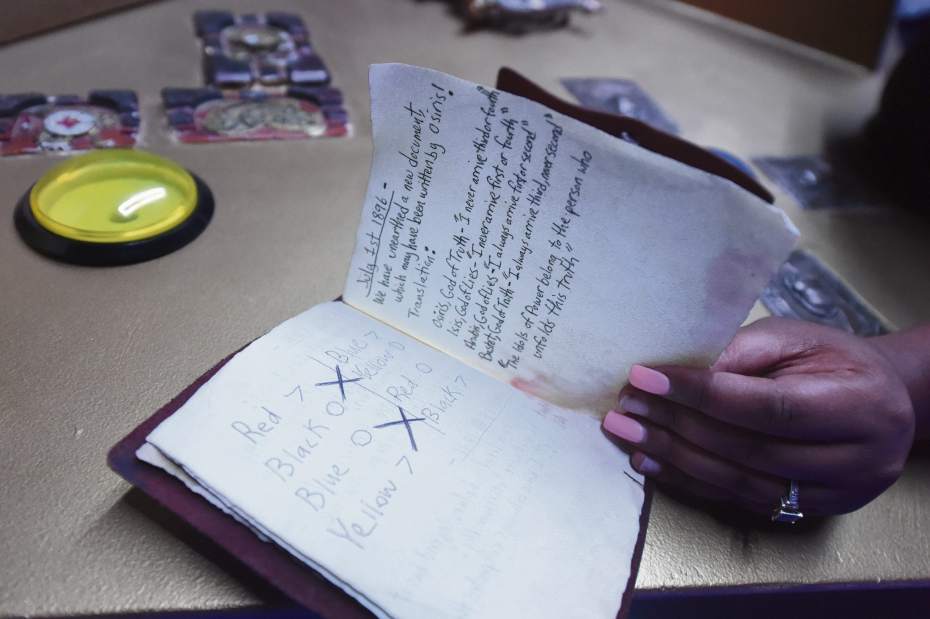
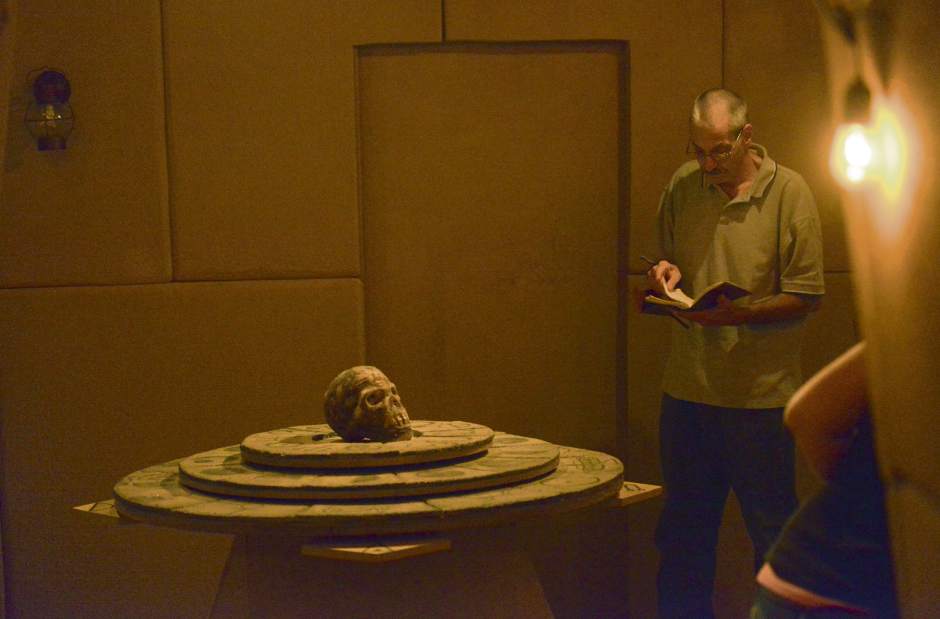
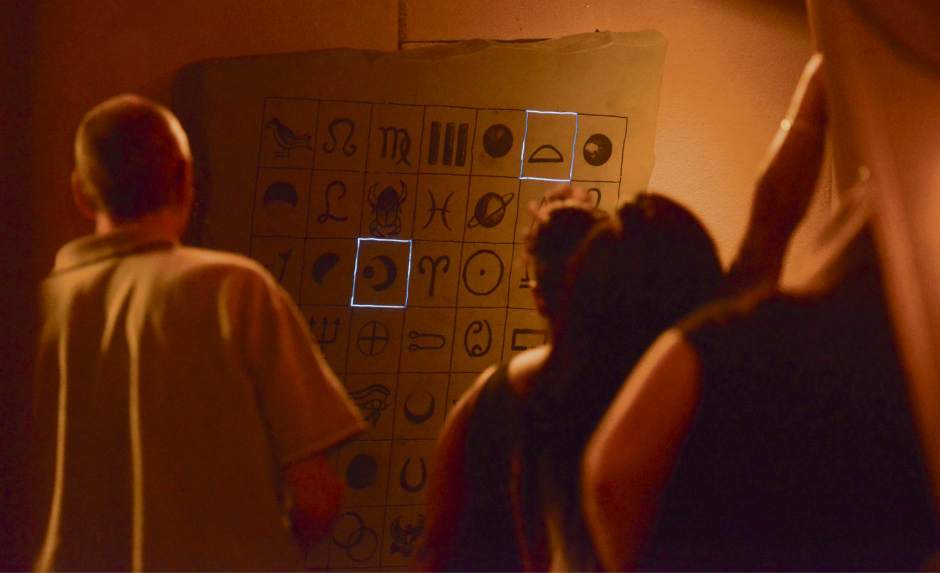
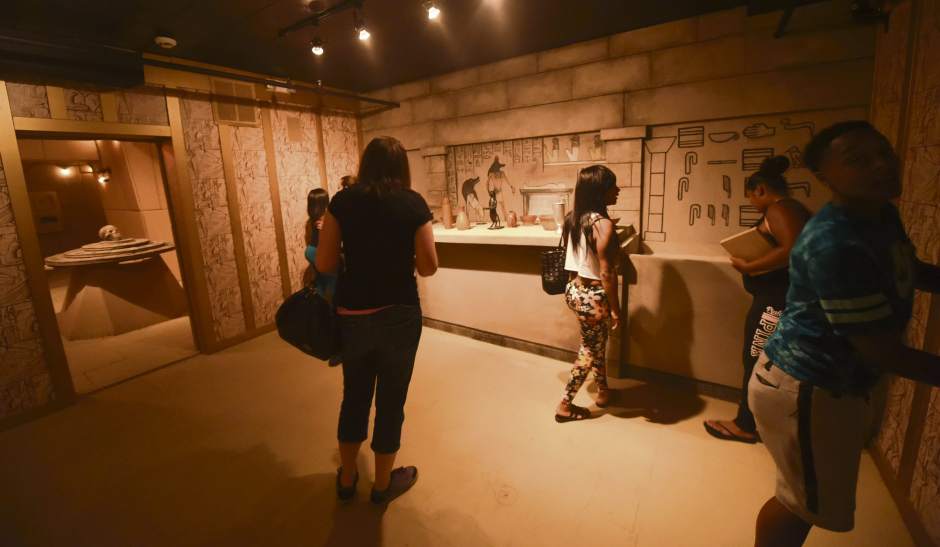
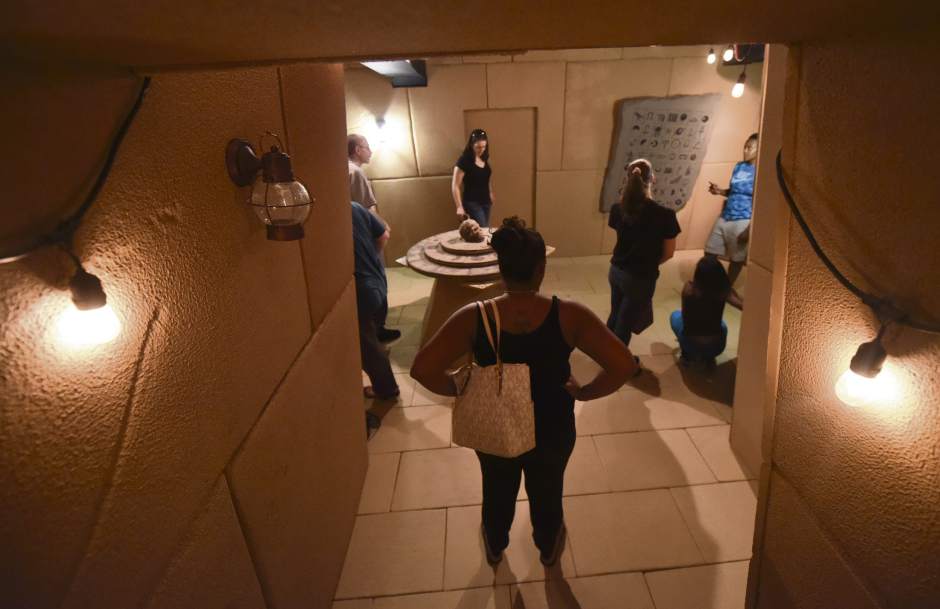
The rooms, which are said to have first opened in Japan around 2011 before coming to America in 2012, take an idea laid out by point-and-click computer games and create a real-life virtual gaming experience. Participants are placed in a room with a group of four to 12 players to work together in searching for clues and solving a series of hands-on puzzles in order to escape in the allotted hour.
“The general consensus is that it's just something different to do, and that's what people are looking for,” says Joe Deasy, owner of Escape Room Pittsburgh.
In an age when most rising forms of entertainment are facilitated with handheld technology and social media, the rooms have brought people together from Shanghai to Shadyside with a few riddles and adrenaline rushes. Since 2012, more than 5,000 escape rooms have opened globally, including about 1,200 in America.
Pittsburgh became one of the U.S. cities to embrace the cultural trend in fall 2014, when Deasy opened the area's first escape room with his cousin, Corey Deasy, in their hometown of Greenfield.
“It took off,” says Joe Deasy, who opened a second venue last month in Homestead. “I ended up quitting my job, and I just do this full time now.”
The success of the Deasys venture has influenced other local entrepreneurs, including Wexford's Eric Lloyd, to quickly transform vacant spaces into the area's latest escape room.
“To be completely honest, I didn't know what ... an escape room was 13 months ago,” says Lloyd, who opened IQ Escape in Ross three months ago.
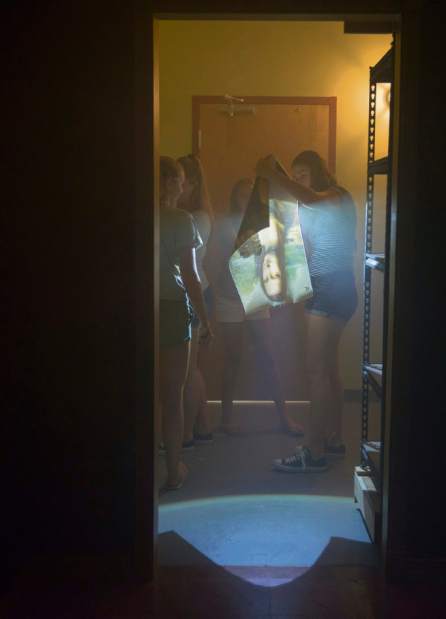
Each escape room, which costs around $30 to play, has a themed mission for participants to complete. For example, IQ Escape's Stealing Mona tasks participants with working through the Louvre to steal the “Mona Lisa,” while it's other escape room, Contagion, calls for players to save humanity from a deadly pathogen.
Other themes offered in the area include:
• “The Agency” at Escape the Room Pittsburgh (South Side) sets players on a James Bond-esque secret mission.
• “Table for 2” at 5th Street Escape Room (Charleroi) is specially designed for two players to complete by escaping a restaurant they've been locked in.
• “Sherlock's Study” at The Great Escape Pittsburgh (Downtown) calls for players to use deductive reasoning skills to aid the great Sherlock Holmes in unraveling a mystery.
To avoid scaring away clientele, escape rooms have stayed away from haunted house and horror motifs.
“There's a sliver of the population that loves haunted houses and that stuff, but a huge portion of people say, ‘Absolutely not,' ” Corey Deasy says.
With almost a dozen and counting escape rooms now open in the area, including local startups and national chains, the growing competition is driving vendors to set their product apart.
“Like any other industry, once customers become educated, they're going to want the best,” Lloyd says.
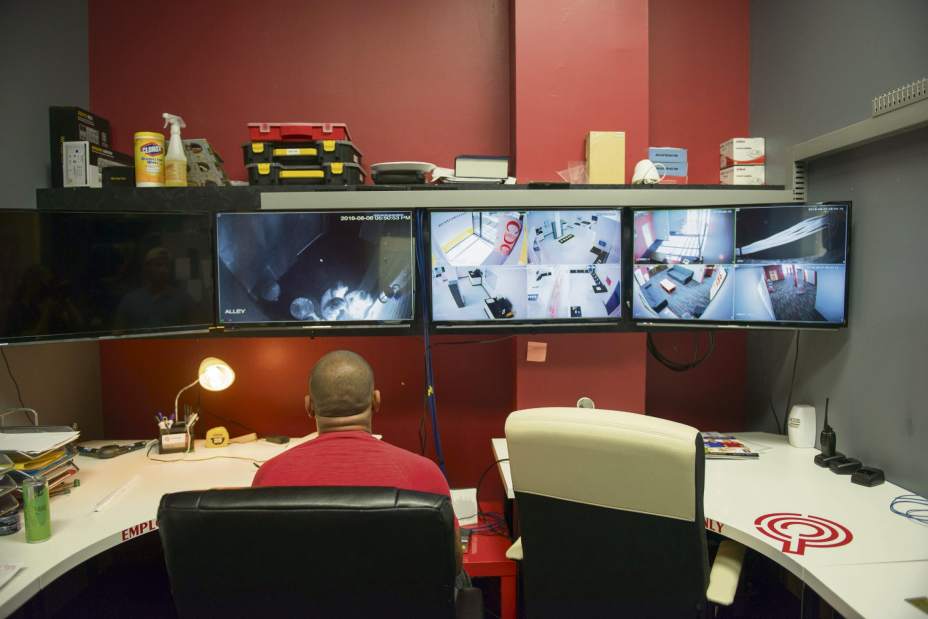
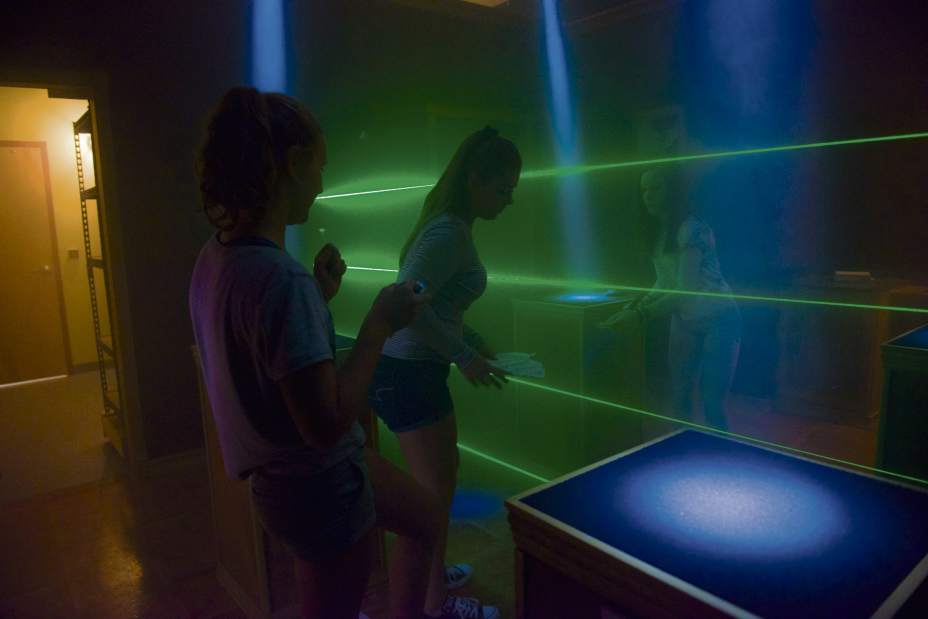
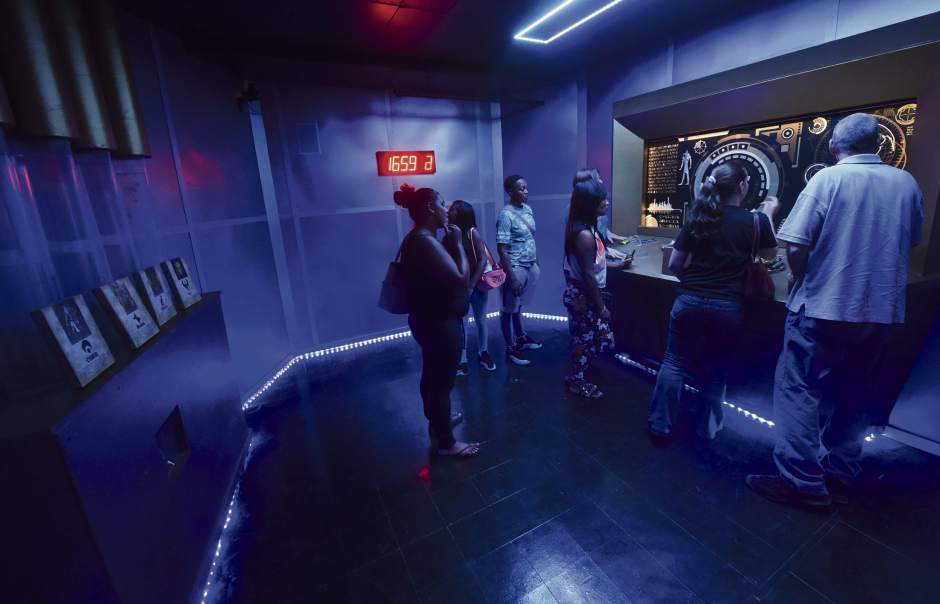
Lloyd's IQ Escape and Deasy's new Homestead venue represent what they call “second generation” escape rooms. The rooms, which evolved from “first generation” escape rooms predicated on “lock and key,” include technology seen on many Hollywood movie sets — automated doors, electronic sensors and theater-style lighting and decor — all of which activate upon completion of puzzles.
Other venues also have begun offering creative variations.
In Charleroi, 5th Street Escape Room plans to open a free, sample-sized escape room with a 10-minute timer that will allow customers to experience a room before purchasing tickets.
Bricolage, a Pittsburgh-based theater company, is joining the craze by opening a Harmarville venue, Enter the Imaginarium, in September. It plans to fuse immersive theater with escape rooms to offer “a thrilling live-action adventure.”
Most interestingly, the Trapped in a Room With a Zombie room at Shadyside's Daring Room Escapes includes an actor who plays a zombie whom participants must solve puzzles to evade. Players “always end up laughing 100 times more than screaming,” owner Jason Atkins says.
For many players, the rooms are an opportunity to leave their cellphones and worries behind for even a brief hour to have some “good, old-fashioned fun,” Joe Deasy says.
“With an escape room, players aren't only escaping the room, they're escaping reality for an hour,” he says. “We like to say, ‘This is a movie and you guys are the stars.'e_STnS”
Unlike in action thrillers, though, only a small percentage of escape artists beat the clock — between 20 to 30 percent of groups.
“We don't want you to get in a room and feel like an idiot,” says Joe Deasy, who admits he occasionally provides clues to struggling groups. “But if everyone got out, I don't think it'd be as popular.”
The low success rate certainly hasn't discouraged players from wanting more.
“We're at a point where there's a minimum of one escape room opening every week in the United States,” Lloyd says.
Lloyd, whose background is in finance, isn't shy about his confidence in the business model.
“I guarantee that escape rooms will be the fastest-growing industry over the next 36 months in the United States,” he says.
Why so confident?
The secret to the trend's success is in its ability to appeal to all customer demographics, he says. “There are very few things that are equally enjoyable by a young and old demographic.”
The rooms are often used to host birthday parties for children, retirement celebrations and team-building exercises for companies such as Google and Highmark.
More eccentrically, the games have been used for marriage proposals, in which a player offers a ring to their partner upon solving the final puzzle, as well as some pretty unconventional “pre-employment testing.”
“A guy interviewed two people for a job while they were doing the escape room,” Joe Deasy says. “I guess he was trying to monitor how they performed under the time constraints and how well they worked with one another.”
Looking ahead, Lloyd believes the burgeoning market has plenty of room to grow as entrepreneurs continue to only “scratch the surface” with entertainment ideas. Lloyd hopes to invite Pittsburgh celebrities to compete in his rooms while being filmed for charity.
Movie studios have begun to show interest in promoting upcoming action films by sponsoring themed escape rooms around the country.
“Any time you start a business, you have to wonder, ‘Is this a fad?' ” Lloyd says. “But the bottom line is escape rooms are just fun, and that's why they're going to keep growing.”
Matt Zabierek is a Tribune-Review staff writer.