
IMAX film 'Robots' shows how special humans are


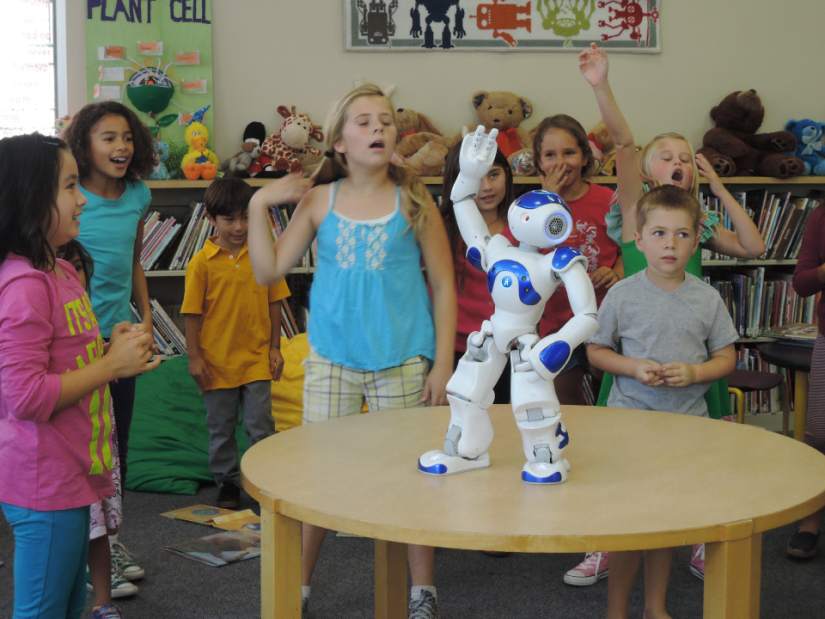
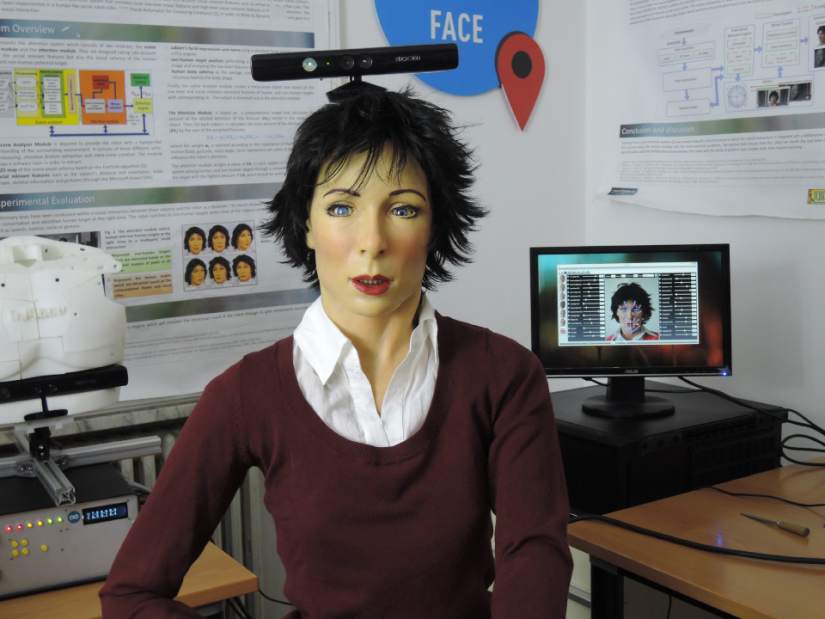
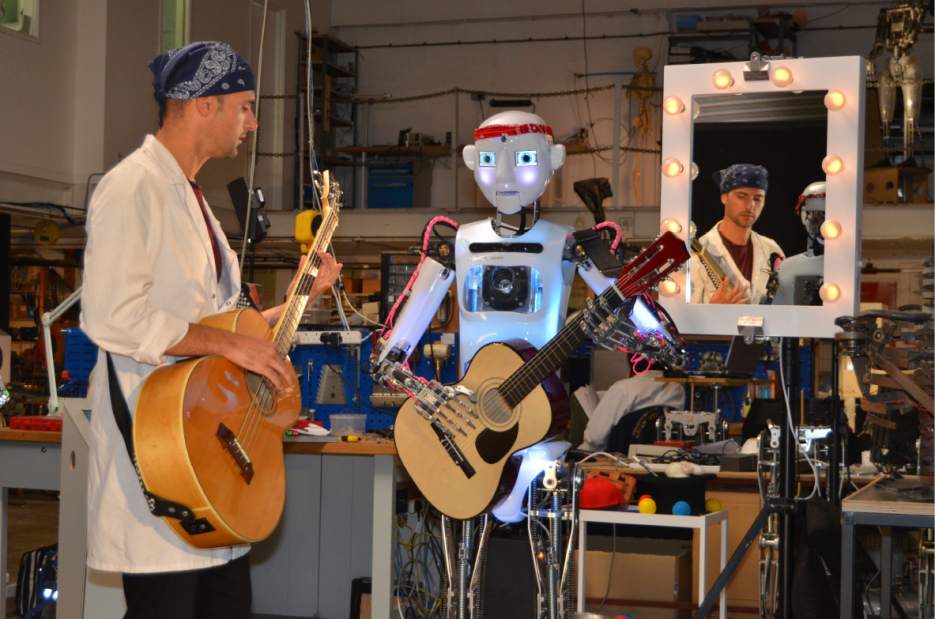
Anthropomorphic humanoid robots aren't just cute and funny and intriguing. Some of them literally could save your life, like rescue robots who go into areas too dangerous for humans.
In a new IMAX film that seems especially fit for Pittsburgh — two robots are from Carnegie Mellon University's Robotics Institute — viewers can learn about humanoid robots and the scientific advances behind them. “Robots,” opening Sept. 4 at the Carnegie Science Center's Rangos Omnimax Theater, explores the many robots existing today and how their creators are developing them into something more like flesh-and-blood humans.
Some robots today can work like us, play like us, learn like us — even look like us.
“When you want to crate a humanoid robot, which is what this movie is about, you're looking at what it is to be human,” says Mike Slee, the London-based director and co-writer of “Robots.”
Producers of “Robots” worked with researchers from CMU and other institutions in developing the film. In trying to replicate humans, scientists discovered just how complex the human body is, Slee says. It took 25 years for roboticists to make a robotic hand that can pick up a ball and throw it, he says.
“A human being is the most complicated, sophisticated piece of machinery you'll ever come across,” Slee says. “We humans are trying to make a machine version of ourselves. In doing that, we discover how amazing we are. Hopefully, you walk out of (the movie) and you go, ‘I didn't know how difficult it was to stand up or recognize a face.' ”
Robots provide humanity with great service and life-improving potential, say Slee and Sidd Srinivasa, professor of robotics at CMU and founder and director of the Oakland school's Personal Robotics Lab.
Some robots are specifically designed to assist the elderly and people with disabilities by helping with everyday tasks. One Carnegie Mellon robot featured in the movie — Herb the Butler, Srinivasa's brainchild — does the dishes and other household tasks. Another, a red machine named CHIMP, is programmed to rescue people from dangerous situations.
The movie illustrates how promising the science of robotics is in providing machines that are incredibly helpful to people, Srinivasa says. Robots fulfill a “critical need for some people,” he says.
IMAX crews filmed “Robots” at locations around the world, including Pittsburgh, Japan, Italy and the United Kingdom. The production process took about a year, but that was enough to date the movie instantly, Slee says. Robots are like iPhones and Internet programs: The technology develops so quickly, that they are soon out of date.
“We tried to pick the latest,” he says. “Six months later, the latest was history already.”
The robots in the movie aren't as human as robots of science-fiction like C3PO from “Star Wars,” but still amazing, Slee says.
“That is movie fantasy, but what you do realize is how far they have come,” he says. “There's a strange glass-half-full, glass-half- empty feeling you get ... because it's so complicated.
“We have come a long way in making a machine like a human being, but we have a long, long way to go,” Slee says.
Kellie B. Gormly is a staff writer for Trib Total Media. She can be reached at kgormly@tribweb.com or 412-320-7824.
