

Think of it as a bit of housekeeping and a whole lot of fun, with education thrown in.
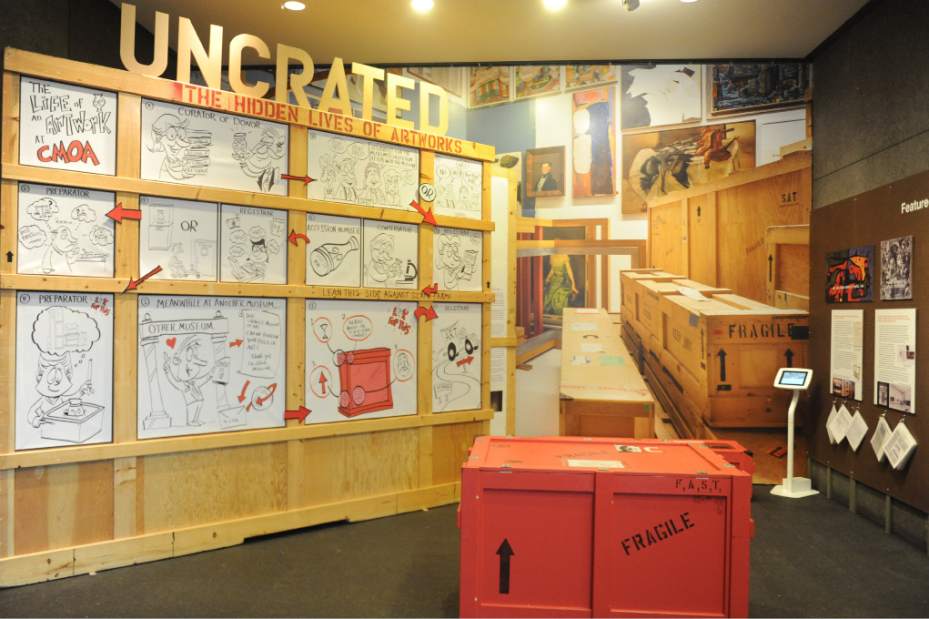
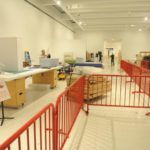
With “Uncrated: The Hidden Lives of Artworks,” visitors to the Scaife Lounge at the Carnegie Museum of Art see some of the inner workings at the museum.
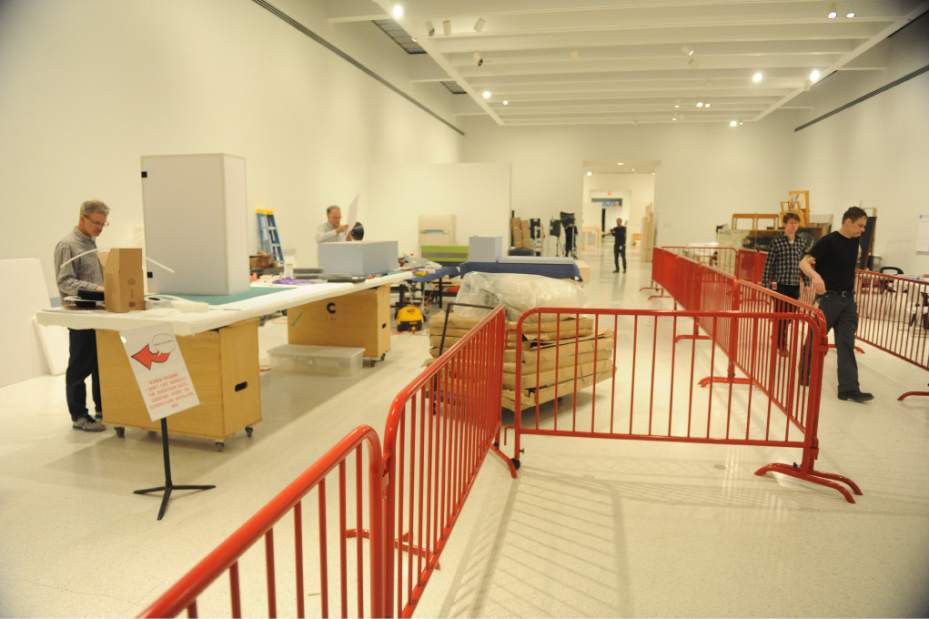
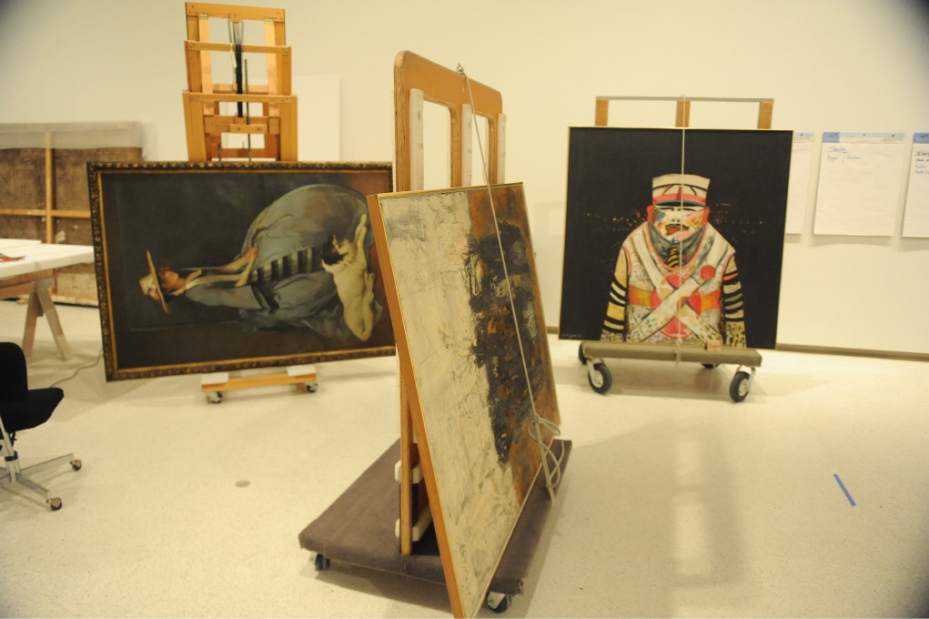
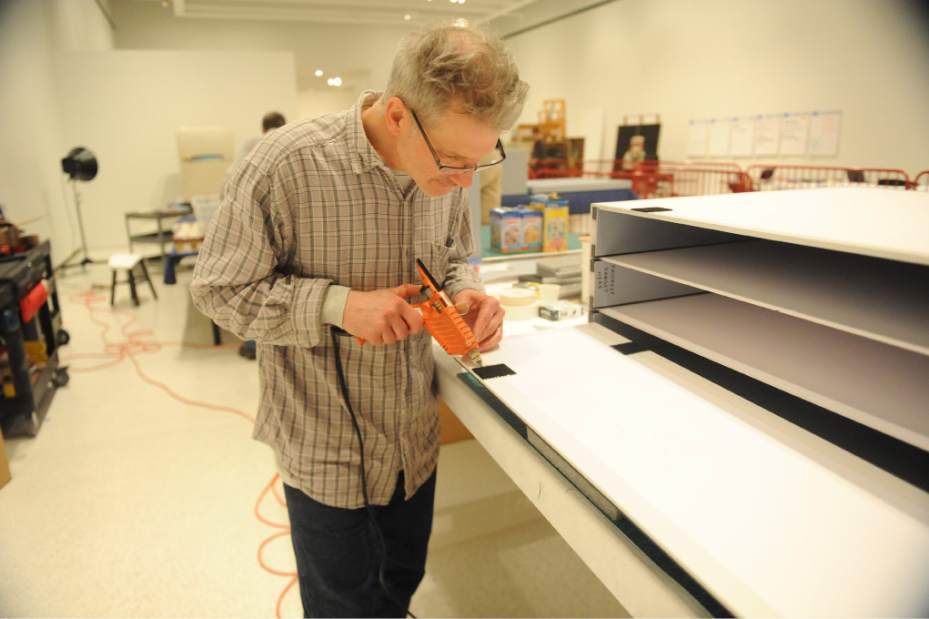
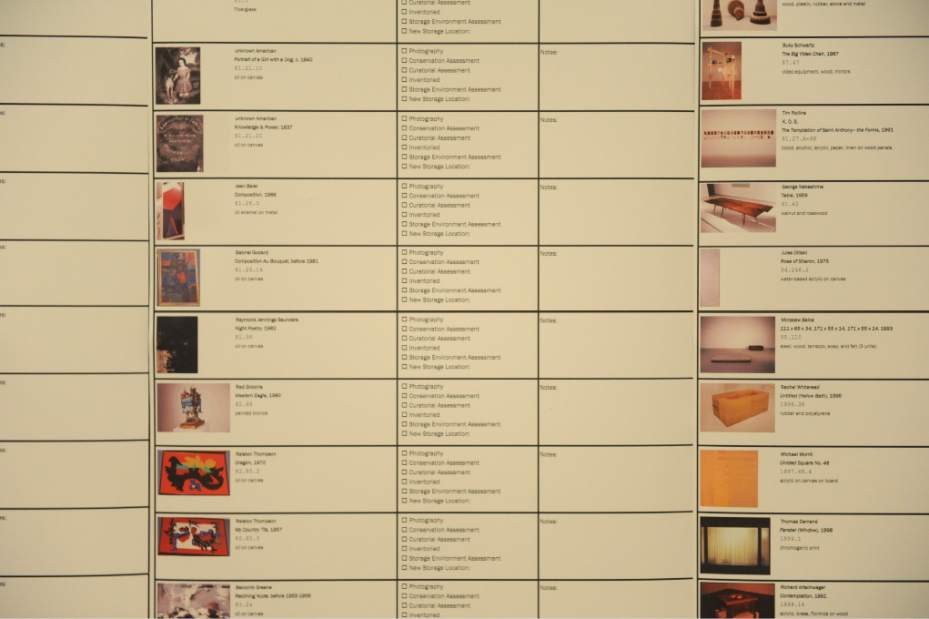
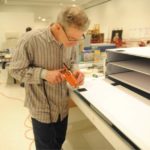
“Basically, what we've done is brought all of the behind-the-scenes activity out front,” says Lucy Stewart, associate curator of education at the museum. “Crate-building, conservation work, taking photographs, condition reports — all of those things that would normally happen in an office, or downstairs, we've brought that all out for visitors to see.”
Only about 7 percent of the museum's collection is on view at any time, she says.
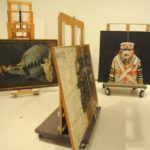
For “Uncrated,” nine pieces from the permanent collection are being brought out for conservation, documentation and, in some cases, new crating.
Each artwork is opened up on a weekly basis, with Joan Miro's mural-sized work, “Queen Louise of Prussia” (1966), being the next to be rolled out, beginning March 30. At nearly 13 feet long, Stewart says the staff plans to build a special armature to hold it.
So far, Rachel Whiteread's rubber sculpture “Untitled (Yellow Bath)” (1996), Karen Kilimnik's mixed-media installation “I Don't Like Mondays” (1991) and Buky Schwartz's video installation “Big Video Chair” (1987) have been on display and attended to by museum staff.
For example, when Kilimnik's “I Don't Like Mondays” was last on display in 2010, one of the targets was damaged. The full title of Kilimnik's unsettling installation is “I Don't Like Mondays, the Boomtown Rats, Shooting Spree, or Schoolyard Massacre,” which refers to a 1979 school shooting in San Diego.
Like a lot of installation-type pieces in the contemporary art department's collections, Kilimnik's artwork doesn't actually exist until it is put together for display.
Made up of various objects and materials — shooting targets, chicken wire, a cassette player, a whiffle ball and bat, etc. — the work is put together according to meticulous instructions provided by the artist. With many of the elements being fragile, it's made of materials not meant to last, Stewart says.
“We gather information from the artist about what should be replaced with similar objects and what should be conserved or repaired by conservators,” Stewart says.
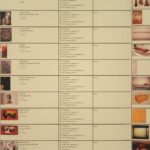
The team is made up of registrars, conservators, preparators and curators in such situations, Stewart says. Each of their responsibilities is explained in an interactive display in the lounge area.
Because staff in museums changes over the years, the paper trail found in the object files is essential for passing knowledge about the collection from one generation of staff to the next.
In the case of Schwartz's “Big Video Chair,” which was last installed in 1988, the file is pretty slim. As no installation instructions were found, museum staff took the opportunity last week to unpack, examine and reassemble this relatively complicated piece in an effort to reconstitute instructions for the future.
The work was then re-housed in new-and-improved storage crates, which were also assembled on-site, in the exhibition.
Properly crating artwork for safe delivery and storage plays a big role in preserving objects for the future. Several crates are on display, along with descriptive texts explaining their proper assembly and use.
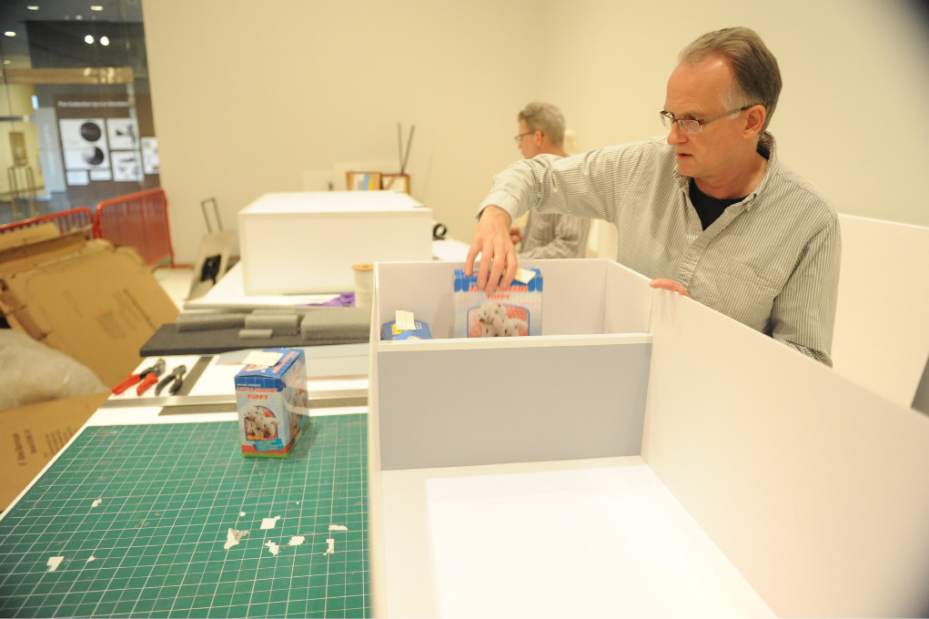
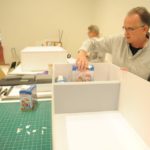
Stewart and staff even went so far as to re-create a small “cavity crate” that visitors can interact with to see how objects made up of various parts are stored compartmentally.
“This is to show you how we store something precious that has multiple parts, which, in this case, just happens to be an old coffee pot I found in my basement,” Stewart says.
From the small and precious to the big and bulky, Stewart says, “We're going to keep pulling artwork out. Some of it's going to be very, very large, and some of it's going to be very, very delicate.”
After the Miro mural, visitors can expect to see, in chronological order on a weekly basis:
• Malcom Parcell's oil portrait “G. David Thompson” (1933)
• Pierre Alechinksy's abstract painting “Savage State” (1968)
• Thaddeus Mosley's abstract sculpture “Georgia Gate” (1975)
• Ann Hamilton sculpture “(offerings)” (1991) and a 19th-century plaster cast of an archer from the eastern pediment of the temple of Athena at Aegina, Greece.
Each will be highlighted and attended to in terms of conservation and other needs.
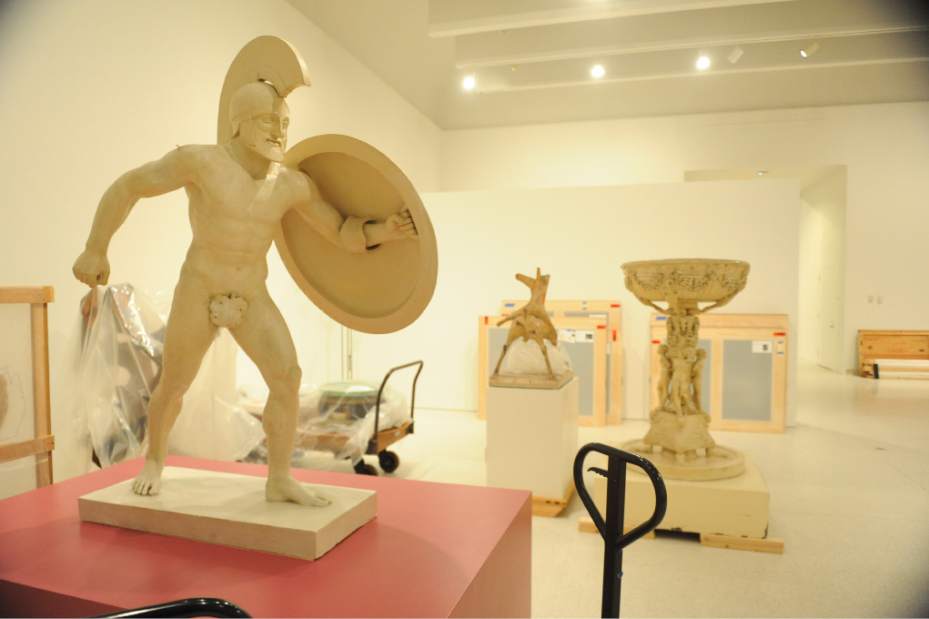
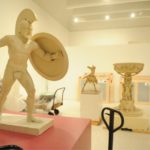
The plaster cast of the archer already has a prominent spot in the exhibit.
“He used to be in the Hall of Sculpture a long time ago, and he was used for drawing classes,” Stewart says. “He already went through conservation, he had pencil marks removed, and now he is on display.”
Kurt Shaw is the art critic for Trib Total Media. He can be reached at kshaw@tribweb.com.
