

People hope to get through life avoiding powerful natural disasters such as tornadoes and hurricanes and wildfires. But a daredevil crew of IMAX camera operators sought out these dangers — and got just close enough to film them without getting harmed.
“Extreme Weather” — a new film opening Oct. 15 at the Carnegie Science Center's Rangos Omnimax Theater — brings viewers a panoramic, you-are-there view of several perilous scenes in nature, including giant glaciers melting and breaking up, wildfires consuming forests and tornadoes snapping anything in their paths.
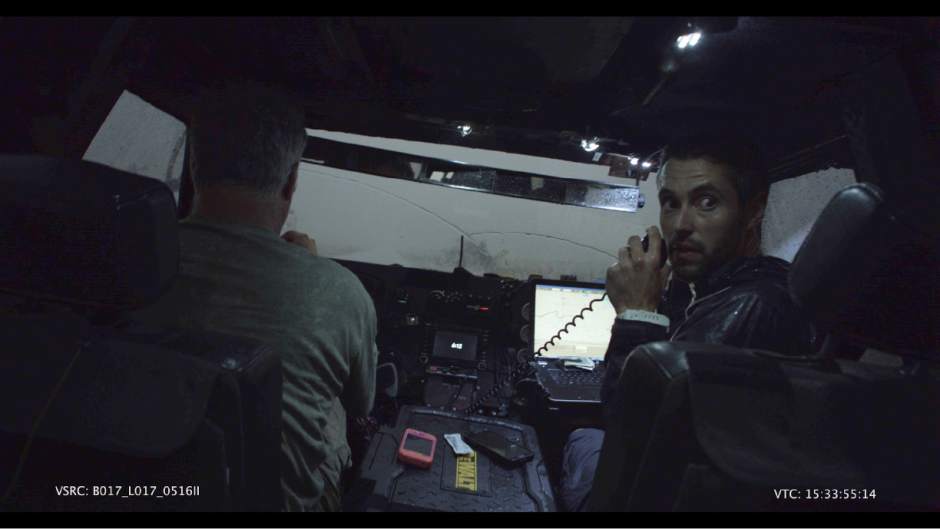
Sean Casey — director, producer and cinematographer of “Extreme Weather,” presented by National Geographic — says the film serves asa bit of a sequel to his previous IMAX film, “Tornado Alley.” The film was so popular that Casey — who also starred in the Discovery reality series “Storm Chasers” — wanted to make another film that explores a broader realm of violent weather phenomena. The new movie also contains a tornado sequence, filmed by pods that workers placed along the path of the twister.
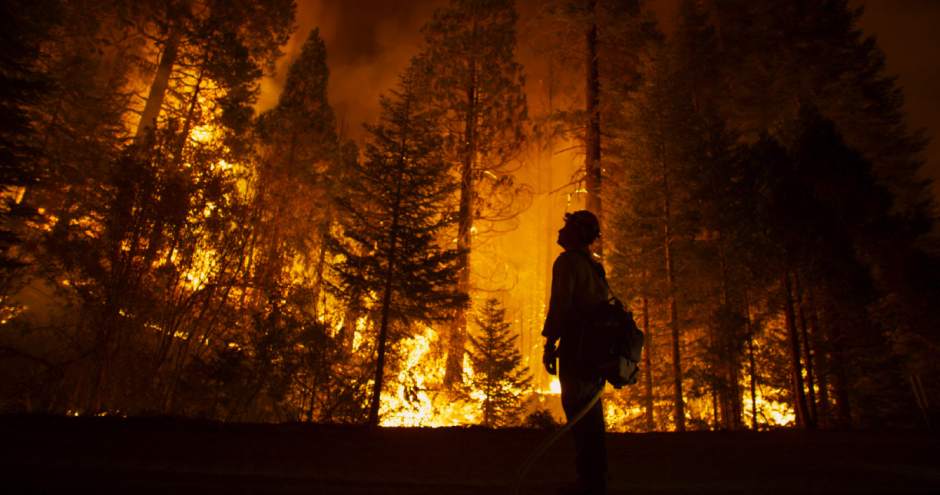
“We're using the power of the (IMAX) format, putting images onto a large screen and getting imagery that is compelling,” says Casey, who is based in Southern California. “The big shots that drive home the message and really leave lasting effects: It's the shot of a glacier … coming directly at you. It's the massive wildfires and being inside of a wildfire with the firefighters.”
Although “Extreme Weather” does not have a preachy tone, the film contains a lot of information in actor Michael C. Hall's narration about how natural events are interconnected. Climate change is considered to be a major cause of extreme weather patterns, Casey says.
“Visually, there (are) incredible images, so we don't really have to drive home the point of a warming planet,” Casey says. “There is a message, of course, but we're trying to focus more on the positive end of it. … We are showing extreme weather on a very large screen.”
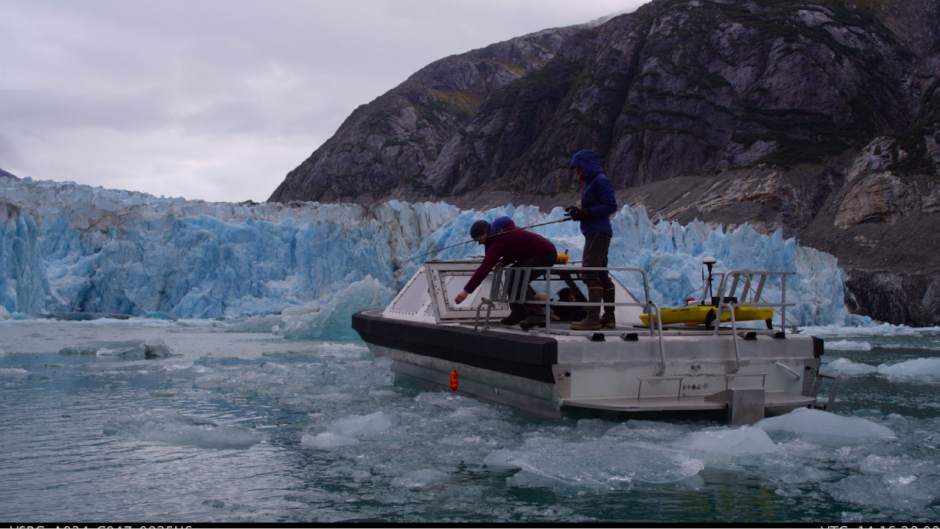
How did film crews capture such dangerous situations with their cameras, at least two of which filmed each scene? Very carefully, Casey says. They shot the 300-foot glacier walls of ice from an armored boat, which protected the crew when huge chunks of ice flew by the boat.
“It was extremely nerve-wracking to film the subject matter,” Casey says. “We had filmed tornadoes for 16 years. You get used to tornadoes. You have kind of an idea of what's safe and not safe. Here, we have this kind of attitude of wanting to be extremely close to the phenomena.”
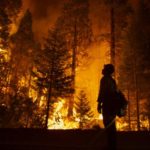
During the wildfire scenes, crew members wore protective suits but could feel the heat and see the embers from their buffer zone.
“You're as close as you can be,” Casey says. “Wildfire was extremely exhilarating to try and film.
“Everybody's kind of hanging out waiting for the wildfire,” he says. “There's this massive plume of smoke getting larger and larger — and getting closer and closer.
“The moment where we can get exceptional footage ... it's a really fleeting moment,” Casey says.
Kellie B. Gormly is a Tribune-Review contributing writer.
