
Ambridge's PittMoss takes off with help from TV show, Mt. Lebanon native Cuban

Mont Handley was facing a frenzy of sharks and convinced one of them to bite.
It was a big one — serial entrepreneur and Mt. Lebanon native Mark Cuban — who listened to Handley's pitch for a startup called PittMoss on the ABC television show “Shark Tank.”
Others were interested, but Cuban was the only one to put pen to paper. In February, he joined other Pittsburgh venture investors in a $1.5 million investment round for PittMoss, giving Handley the capital to start making a peat moss alternative for commercial nurseries and growers.
“It has a chance to disrupt the peat moss industry, have positive environmental impact, make a lot of money and have a reason to come back to (Pittsburgh),” Cuban wrote in an email to the Tribune-Review. “What's not to like?”
Now, Handley's biggest worry is making enough of the stuff.
“I'm not really concerned about additional financing,” Handley said at his company's facility in Ambridge. “I think it's going to be our manufacturing capacity.”
The company is barely six months old, but Handley has been building to this moment since he started working at a nursery out of college more than two decades ago. He set aside his idea for a peat moss alternative while he pursued other job opportunities, but he returned to his passion project in middle age.
Handley hopes to attract customers away from a peat moss industry estimated at several hundred million dollars and offer commercial growers and nurseries what he believes is a more sustainable and better performing product to mix with soil.
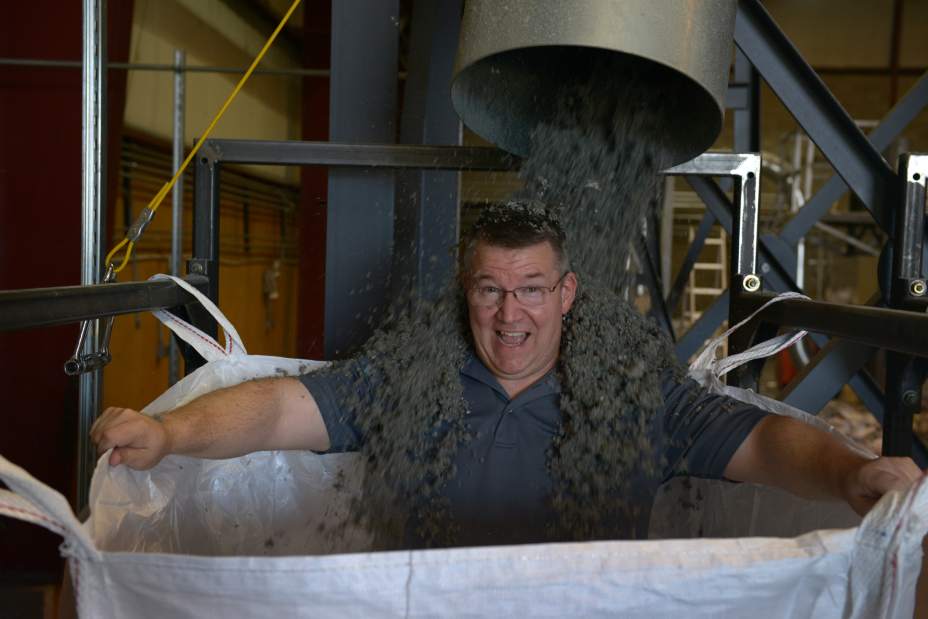
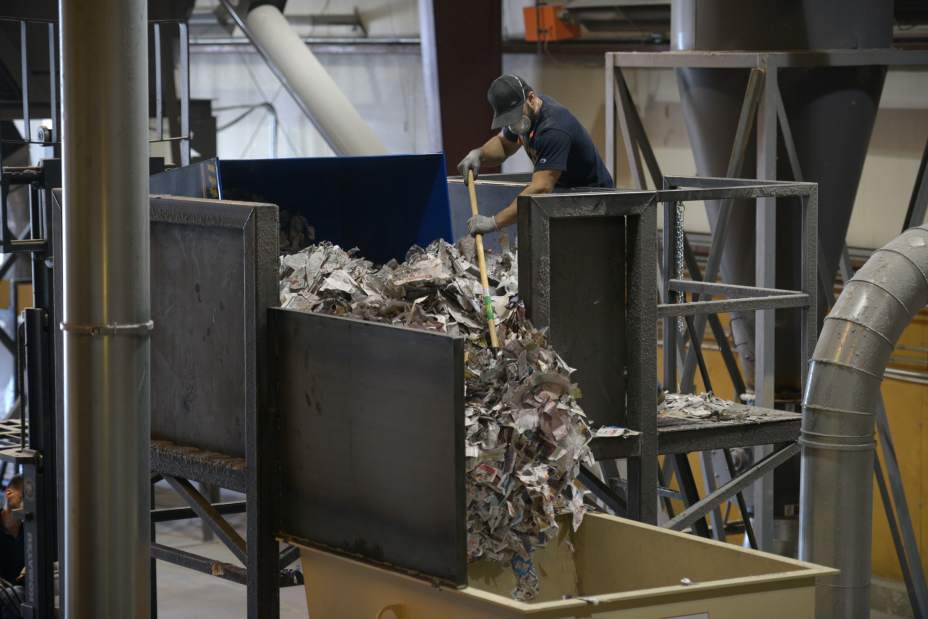
Orders have been building for the fuzzy material, which resembles laundry lint and is made from shredded newsprint and a proprietary mix of organic compounds. Handley says he has an order backlog valued at $600,000 from eight customers and many more orders in the works.
Peat moss retains water like a sponge, and commercial plant growers mix it with dirt to hold water in the soil. But some horticulturists say harvesting it harms wetlands. Industry groups have argued these claims, but the controversy has caused enough alarm that some growers are looking for alternatives.
North Creek Nurseries in Landenberg in Chester County is experimenting with PittMoss, tweaking the proportions within its soil mixture, said general manager Tim McGinty. The nursery intends to replace its peat moss supply with Handley's product. It has all the same advantages while offering a consistent supply that can be made close to home rather than trucked in from Canada, which supplies nearly all of the peat moss sold in the United States.
“Just the sustainable aspect of it as well as the physical properties of the (PittMoss) product. The fact that it's made from waste paper,” McGinty said. “It's got nowhere near the carbon footprint of peat.”
PittMoss can be cost-effective for growers even though prices can be 10 to 20 percent higher depending on the volume purchased, said John Rowe of Frey Brothers, in Quarryville in Lancaster County, which mixes soil for commercial growers. It is easier to prepare for use in the soil, which cuts back on labor costs, he said. Plus, poor weather conditions can cause peat moss prices to spike. PittMoss can be made year-round and isn't subject to seasonal climate changes.
The product has come a long way since Handley made his first batch using a food processor given to him by his mother. He had just graduated from Purdue University and was working at a nearby nursery. He was curious about where the truckloads of peat moss came from and began researching.
“The very first article I found was in Sierra Magazine, and it was all about the devastating consequences of harvesting Sphagnum peat moss from these wetland habitats,” he said.
He set to work developing an alternative from newsprint and embarked on a three-year research project at Purdue funded through an Environmental Protection Agency grant.
Eventually, the grant funding ran out and Handley was unable to find more money to support the research.
He took other jobs, eventually moving to Pennsylvania to work as a national sales director for VisitPittsburgh. As he approached his 50th birthday, Handley decided it was time to become an entrepreneur.
His first investor was the Oakland business incubator Idea Foundry in 2013.
“There's certainly a market demand for environmentally friendly products,” said Mike Matesic, president and CEO of Idea Foundry, who would not disclose the amount of the initial investment. “Here you have a situation where not only are they doing something to improve the environment by not having peat moss extraction, but using recycled newspaper.”
Not everyone believes in the product.
On the show “Shark Tank,” shark Lori Greiner refused to invest because she thought it would take too long to educate customers. And the peat moss industry has pushed back. In May, Handley received a letter from the Canadian Sphagnum Peat Moss Association in Alberta, rebuffing his claims on the show about peat moss being unsustainable and defending its quality.
Handley is certain PittMoss is superior. The biggest concern now, both for himself and investors, is ramping up production.
“The ‘Shark Tank' airing resulted in immediate enthusiasm and momentum,” Matesic said. “You've got to be able to take advantage of that momentum.”
Getting the 14,000-square-foot facility going was a big start, but on a scale of 1 to 10 — with 10 being the optimum size — Handley rates it a 2. He said he needs multiple “10s” to satisfy the demand.
Meanwhile, requests for PittMoss keep coming in.
“Now, we're taking orders from people who are willing to send us a check first,” Handley said. “It's great not to have to chase checks.”
Chris Fleisher is a staff writer for Trib Total Media.
