
GNC announces sudden change in leadership, names Moran CEO

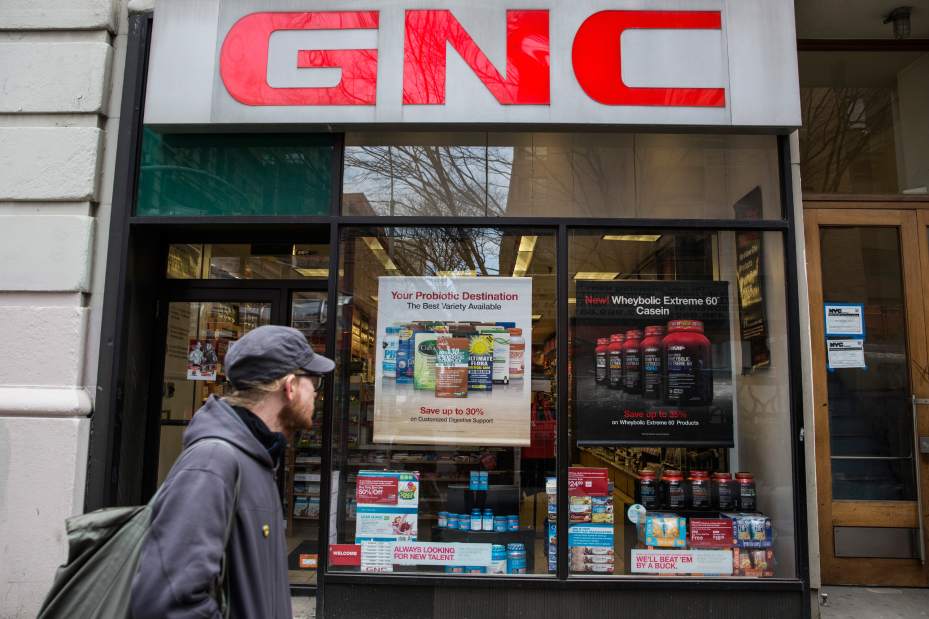
GNC Holdings Inc. ousted CEO Mike Archbold on Thursday in a move that signaled the company's board had become impatient with his failure to reinvigorate the struggling vitamin and supplement retailer after two years at its helm.
The shake-up occurs as GNC's board is performing a strategic review of the business, which could include a sale of the company. The retailer's continued slump in sales and profit was underscored by the results in its just-ended quarter.
In the April-June quarter, overall sales at GNC were $673.2 million, down 2 percent from $689.6 million in the same quarter last year.
Income was $64 million, or 94 cents a share, compared with $67.4 million, or 79 cents. Income was higher on a per-share basis because GNC decreased the number of its outstanding shares to 68 million from 86 million.
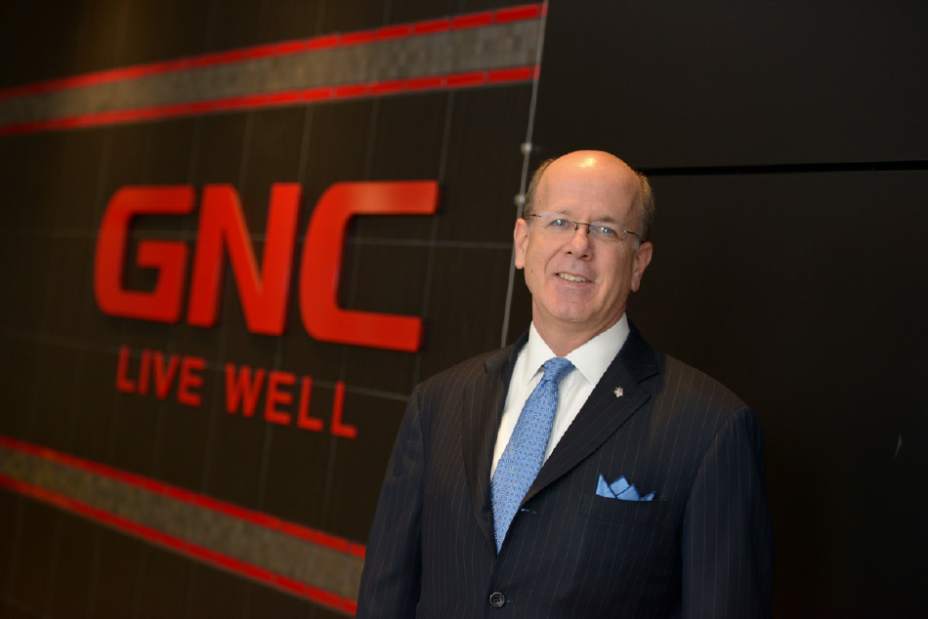
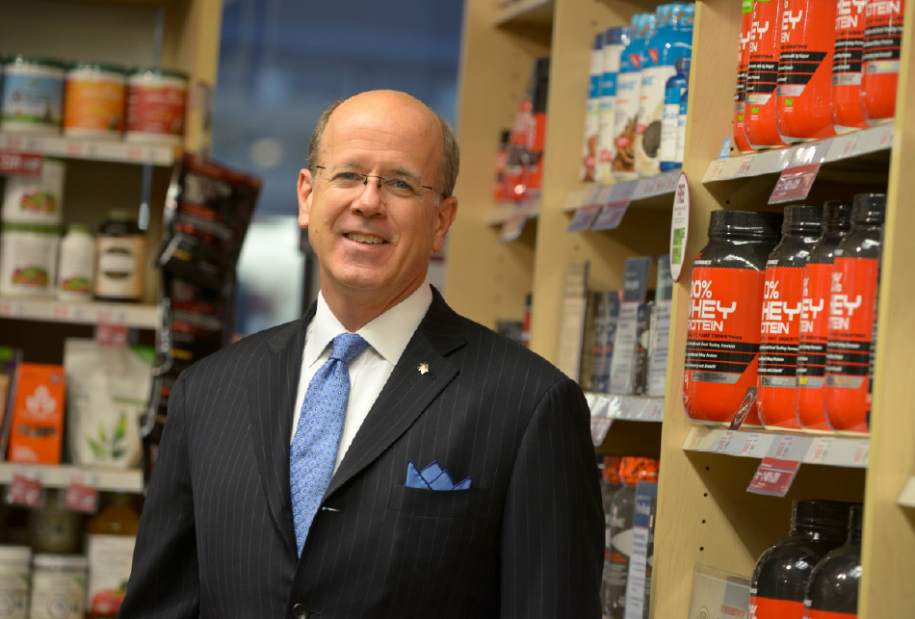
The Downtown-based company appointed Robert Moran, a GNC board member since 2013 and longtime retailing executive, as interim CEO.
GNC is facing an uphill battle persuading consumers to make an extra trip to its stores because mass-market retailers, such as Wal-Mart, Target and Giant Eagle, offer large selections of vitamins and supplements, often at lower prices, said Audrey Guskey, an associate professor of marketing at Duquesne University.
“People are looking to be healthier ... but the problem is a lot of companies have jumped on that bandwagon,” she said.
Archbold joined GNC in August 2014 and was charged with reversing the company's slumping profit and sales. Despite moves to end unprofitable promotions and convert company-owned stores to franchises, GNC experienced a string of weak financial results.
Archbold's tenure was marred by mistakes. In April, he told analysts that the company had to heavily discount vitamins that it hadn't noticed were nearing their expiration dates — a blunder that cost an estimated $8 million to $11 million in profit in the first quarter. Last year, Archbold called his decision to cut the retailer's advertising budget a “self-inflicted wound” that caused sales to decline.
GNC reported decreased sales from corporate-owned locations that were open at least a year in nine of the past 10 quarters, including a 3.7 percent drop in the second quarter. Sales at franchise stores open at least a year fell in each of the past 10 quarters, including a 6.6 percent decline in the second quarter.
In hiring Moran, who was CEO of national retailer PetSmart from 2009 to 2013, GNC said it was getting a highly experienced leader. Before PetSmart, Moran was president of the Canadian operations of Toys “R” Us and held various executive positions in finance and merchandising with Sears, Roebuck & Co.
“As we continue the strategic review process and move with urgency to improve performance, the board believes it is the right time to undertake this change to drive effective execution of our plans,” Michael F. Hines, GNC's chairman, wrote in a company statement. “During Bob's four decades as a successful retail executive, he demonstrated a proven ability to lead organizations in highly competitive environments and deliver profitable growth and shareholder value.”
GNC declined to comment on why Moran was an interim CEO or whether the company is searching for a longer-term chief executive.
“I think it's too early in the game to talk about that,” Moran told analysts on a conference call to discuss the second-quarter results. “Our focus is working on the critical items that will reverse the trends in our business.”
GNC in May embarked on a review of strategic and financial alternatives to boost the company's fortunes, despite Archbold's work to expand sales to women and wellness customers, make promotions more profitable and lower costs by selling stores to independent owners. Analysts praised many of those strategies, but they so far have failed to translate into improved sales.
GNC said Thursday that the refranchising strategy remains on track and the company expects to meet its goal of selling 200 stores to independent operators this year.
Investors hammered GNC stock and sent its shares to a 52-week low. The stock fell 26 percent, or $6.95, to $20.28. The company's shares have fallen more than 50 percent since hitting a 52-week high last August.
Mark Wiltamuth, an analyst at Jefferies in New York, said GNC is facing competitive pressure from big box retailers, low-price Internet sellers, eroding mall traffic and customers who have become accustomed to aggressive sale prices.
“We see no easy fixes,” he wrote in a research note.
Wiltamuth questioned the franchising strategy, given the continuing decline in same-store sales at independent locations.
“An underlying issue may be that franchisees don't believe in the corporate strategy,” he said.
The company was hurt by increased government scrutiny on the vitamin and supplement industry. The company settled allegations by the New York attorney general that GNC products didn't contain the ingredients they claimed. GNC is facing a lawsuit by the Oregon attorney general over allegations that it knowingly sold synthetic drugs as all-natural supplements. GNC has denied those claims.
Archbold, who received total pay of $4.7 million last year, could receive at least $2.7 million from GNC if he was terminated without cause, according to the company's proxy statement. GNC declined to comment on the specifics of his departure.
Moran said the company needed to act with urgency and “have a healthy disrespect for the status quo” to improve its business. Although he plans to take the next few months to review problems at GNC before announcing his strategy, Moran said it is clear the company needs to attract shoppers.
“The key is more customers, more transactions, more footsteps in the door,” he said.
Alex Nixon is a Tribune-Review staff writer. Reach him at 412-320-7928 or anixon@tribweb.com.
