
Millvale's Safety Guard Steel Fabricating a little shop doing big work

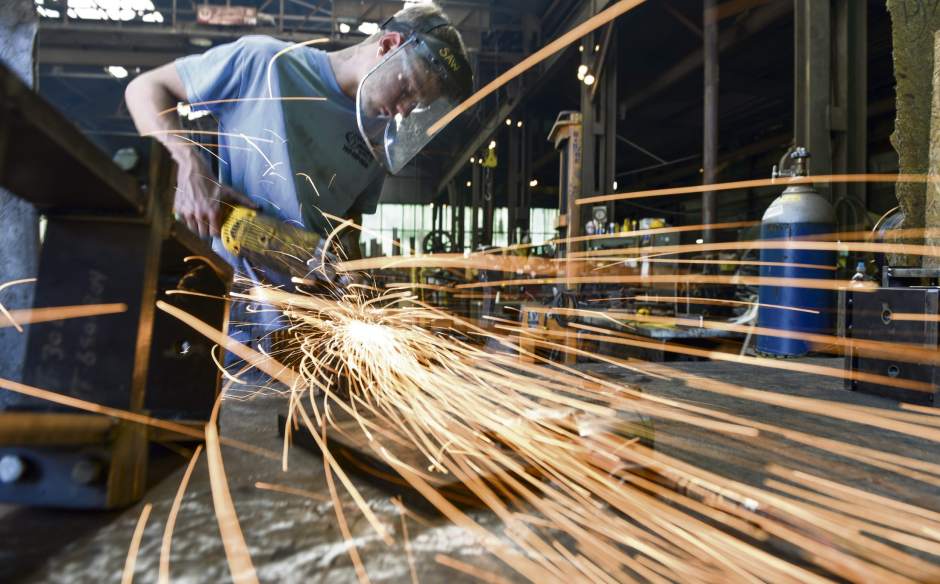
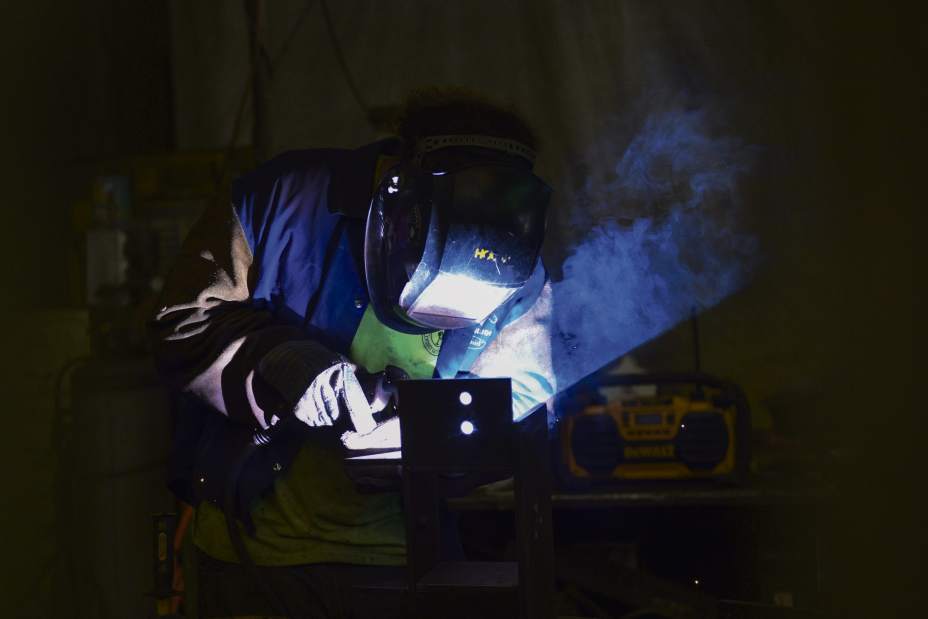
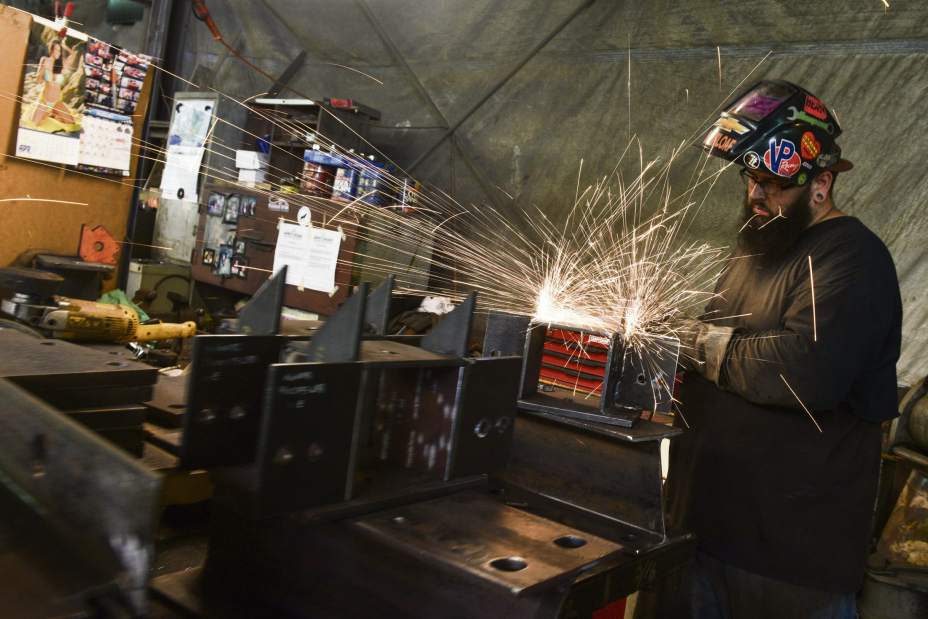
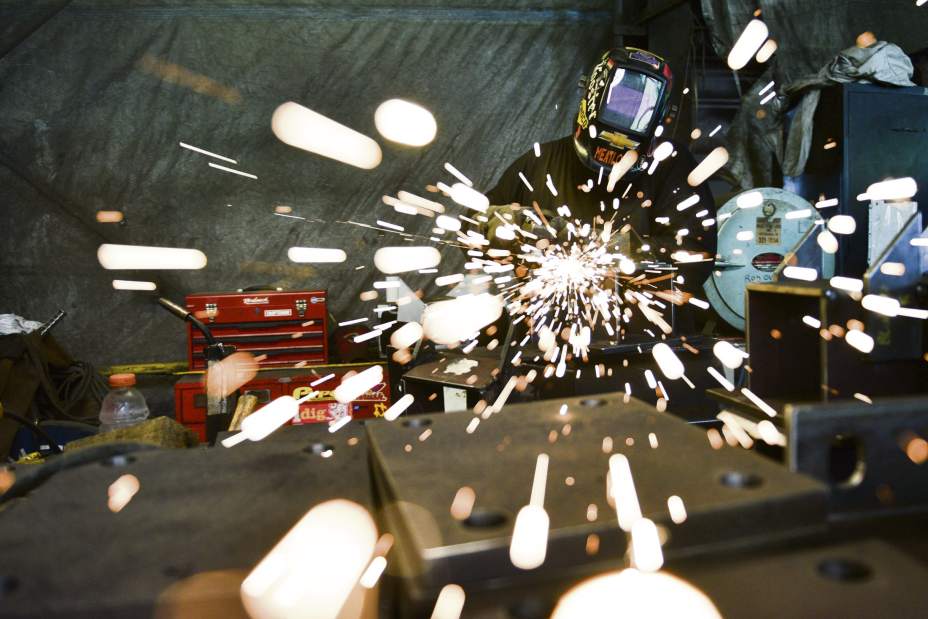
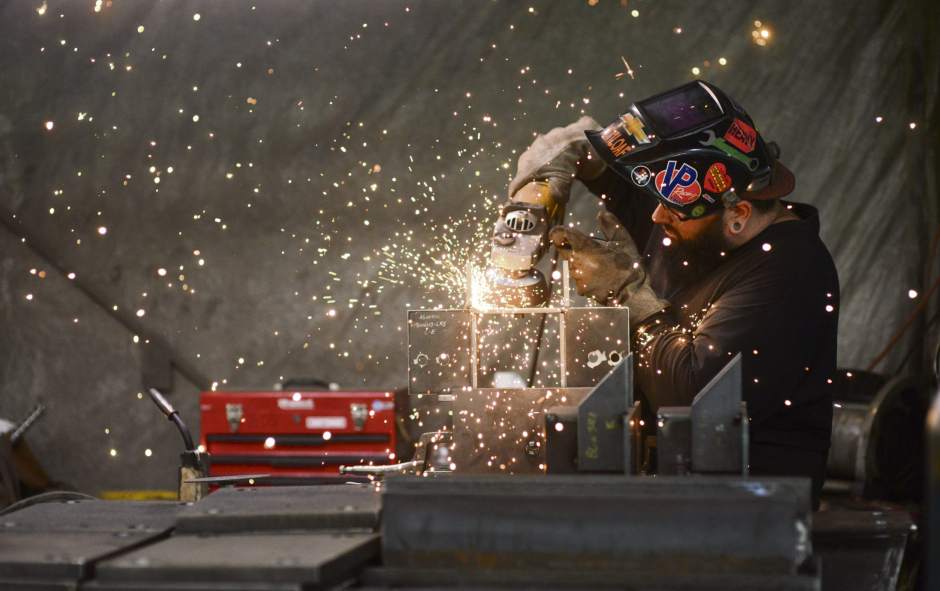
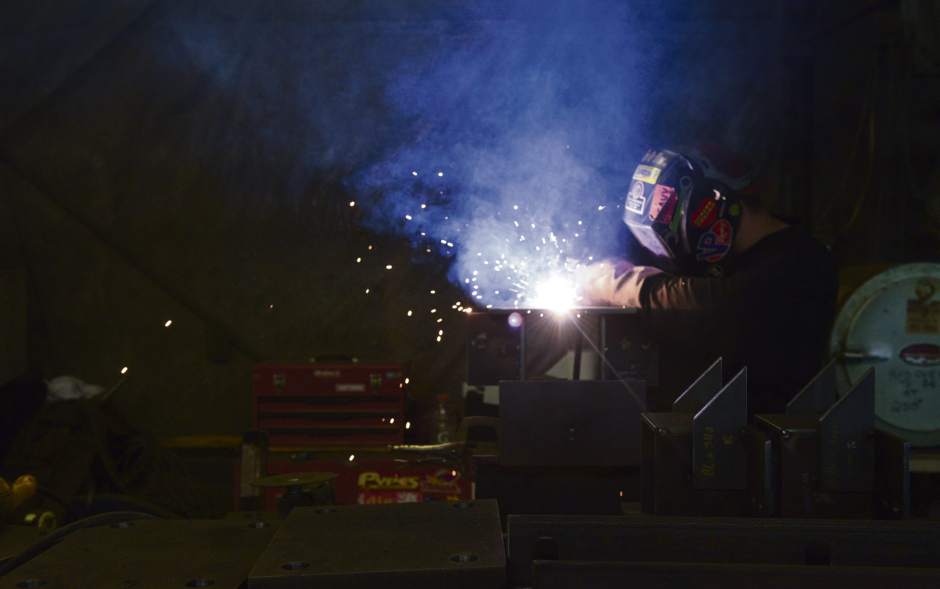
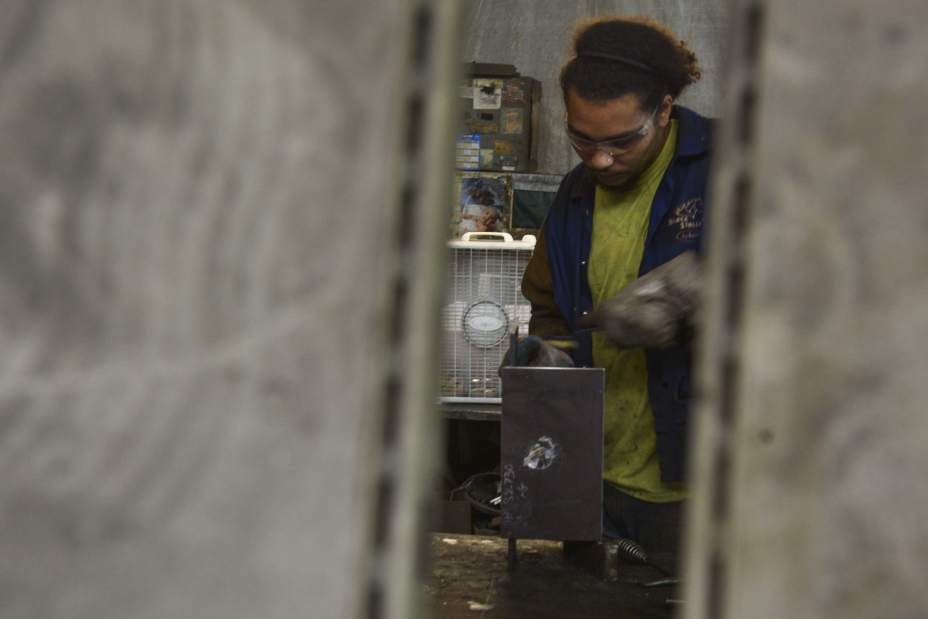
Most people in Pittsburgh probably have never heard of Safety Guard Steel Fabricating Co., but each day the company helps them with their commute around the area.
The lights illuminating the Squirrel Hill tunnel hang from brackets made by the little steel fabrication shop on Lincoln Avenue in Millvale. Pedestrians crossing the Hulton Bridge run their hands along railings welded in Safety Guard's shop. The directional signs at Pittsburgh International Airport hang from Safety Guard sign structures.
And that rhythmic “buh-bump-buh-bump-buh-bump” that drivers hear when they cross the Birmingham Bridge? Those are Safety Guard's expansion joints that their tires are crossing.
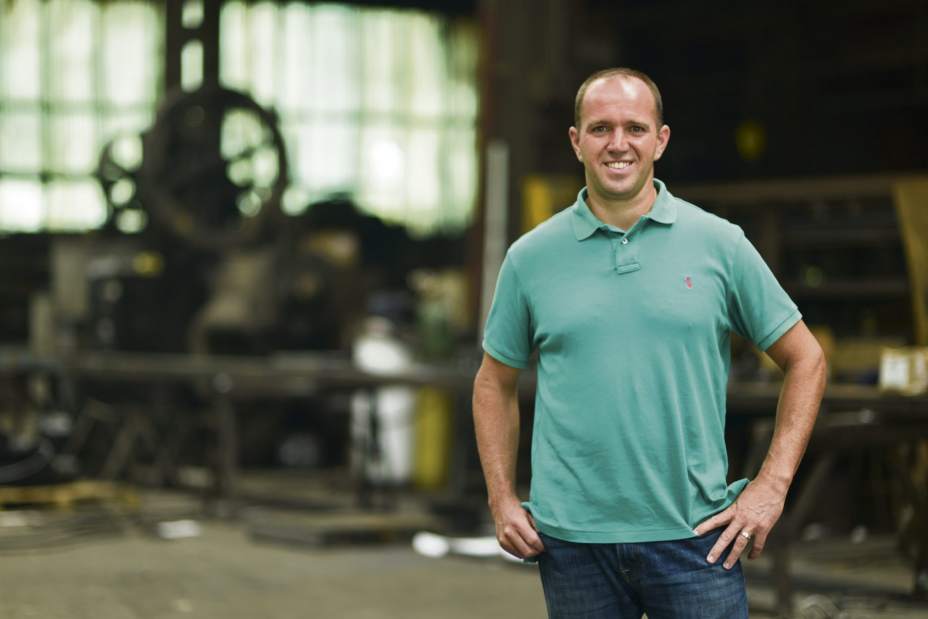
“It's a little shop, but we do big work,” plant manager Mike Eisel said.
The steel fabricator is like the little engine that could, a survivor in an industry in which small firms have struggled to survive past one generation of ownership.
Chief Operating Officer Bobby Campbell believes that the company — started in 1923 by his great-grandfather William Magivern — is Pittsburgh's oldest steel fabricating shop. Its longevity underscores a resilience and willingness to adapt that not many small shops have, said Dan Davis, who edits an industry publication by the Fabricators & Manufacturers Association, a trade group.
“A lot of these companies were started by folks who had a talent for making metal parts, and as time goes by, that's not good enough to stay in business,” Davis said. Many firms don't last longer than 50 years, he added. “They have to be better at business and serving customers. They have to be responsive to customers.”
There are plenty of growth opportunities for Safety Guard as it carves its niche in a U.S. bridge and tunnel construction market estimated at $34.6 billion, according to the American Road & Transportation Builders Association. Plus, there is a steady pipeline of state funding for roadway projects in Pennsylvania coming from the $2.3 billion Act 89 transportation plan passed three years ago.
But Campbell said he is not eager for rapid growth. Rather, the company has remained profitable in part by staying small, he said. It has not over-invested in manpower and equipment, and can respond quickly to changes in the market and customer demands.
“It's not always about growing revenue. It's about what you do to adapt to the changes,” Campbell said. “It's about identifying the market, adapting and changing with it, and keeping people employed and productive.”
Safety Guard survived several difficult periods, including the Great Depression, but perhaps the most critical period in its history came when Pittsburgh's steel industry collapsed in the early 1980s, said CEO David Campbell, who is Bobby's father. Steel makers at that time were 90 percent of its customers.
Industrialist John Titzel had owned Safety Guard for 18 years, and by the late 1970s, he was looking to sell a company that he had tired of running and was struggling. Safety Guard was operating at a loss when Dave Campbell and his brother, Bill Campbell, bought the business in 1979. Then steel prices collapsed, adding further pressure on its sales. The mills and engineering firms that were its core customers could no longer afford to pay enough to cover Safety Guard's costs on a project.
So he looked elsewhere for business.
Eventually, he met some road and bridge contractors. Entering the transportation industry required some extra hoops to jump through — bridgework invites greater regulatory scrutiny than fabricating a catwalk for a steel mill — but Campbell said he believed there would be a more stable future because of Pittsburgh's abundance of bridges.
The company got certified for bridge projects and steadily built itself back to financial health. Dave Campbell declined to provide sales figures, but said its revenue is about four times as large as 20 years ago and the company is now stable and profitable.
At least one customer hopes Safety Guard does not grow too big, however. Its small size is precisely what they like about the company.
“The unique thing about Safety Guard is, one, they are local, and they're relatively small, which gives a better means of sitting with that company,” said Joe Restelli, diving manager of Sargent Electric, which made the lighting for the Squirrel Hill tunnel. “We have the ability to sit with an owner and he'll get something done, and we don't have to navigate a large bureaucracy.”
Recently, Safety Guard has been diversifying beyond its expansion joint business by adding bridge railings like the one on Hulton Bridge. And it has even served the movie industry, making protective steel boxes for film cameras.
But the company is being deliberate about the new work it takes on and whom it hires, Bobby Campbell said. It won't spend a lot of money on a piece of equipment aimed at winning a single big contract, and doesn't want to hire more people than it needs long-term.
Instead, Safety Guard has invested in more robust training for current employees, which is not only cheaper than bringing on new people, but gives his metal workers a larger skill set to create more advanced customized products.
If demand from the transportation industry should ever collapse, like when the steel industry dried up in the 1980s, Bobby Campbell wants the company to be nimble enough to adapt and survive.
“We're small, but we've been around for a long time,” he said.
Chris Fleisher is a Tribune-Review staff writer. Reach him at 412-320-7854 or cfleisher@tribweb.com.
