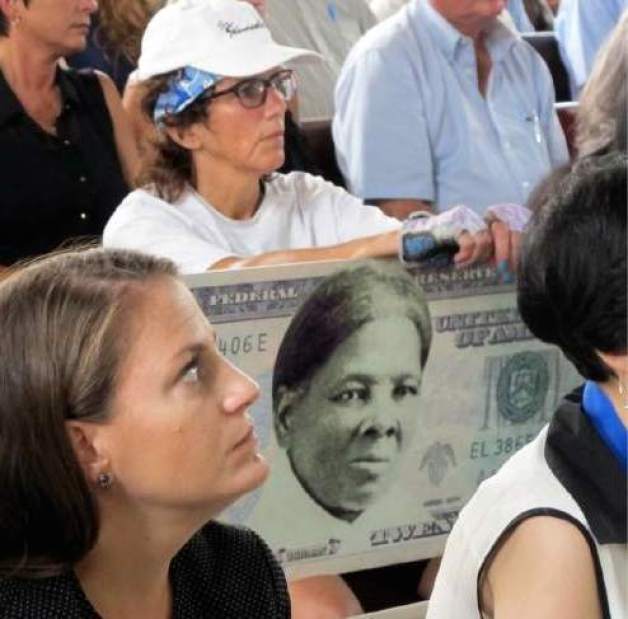
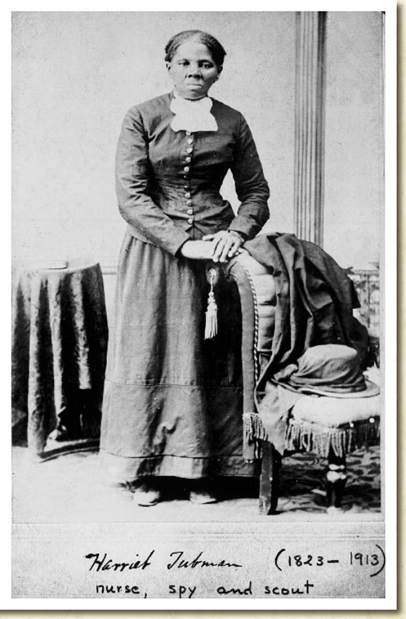
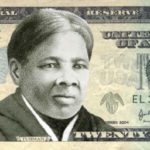

Maxine Engram can't wait to order her commemorative $20 bill featuring Civil War hero and activist Harriet Tubman, even if that day remains years away.
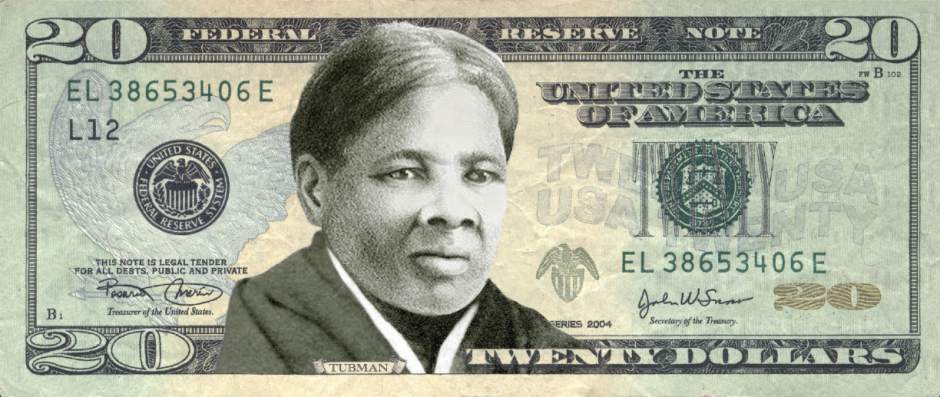
Engram, 69, president of the Pittsburgh-based Harriet Tubman Guild, said she was overjoyed by the news Wednesday that Treasury Secretary Jacob Lew has chosen Tubman's likeness to appear on the bill, replacing Andrew Jackson.
Tubman, an African-American abolitionist who was born a slave, will stand with George Washington, Abraham Lincoln and Benjamin Franklin as the iconic faces of U.S. currency.
“She made great contributions not only to the African-American community, but the American community at large,” said Engram, whose organization was founded in 1915 to help maintain the Aged Ministers and Laymen's Home. The group now owns and manages an apartment building for senior citizens in Larimer.
She said founders chose Tubman's name for the organization because of her love of her race and her work during the Civil War with the Underground Railroad to help Southern slaves escape to freedom.
“In the larger context, it shows the fact that African Americans are being accepted as Americans,” Engram said. “After all, we freed ourselves and made great contributions to this country. Unfortunately, what we've done is not always put in history books.”
Lew's decision to put Tubman on the $20 bill would make her the first African American on U.S. paper money and the first woman depicted in 100 years. The portrait of Jackson, the nation's seventh president and a slave owner, will be pushed to the back of the bill.
Alexander Hamilton, the nation's first Treasury secretary, originally appeared to be the target for replacement. His popularity revived by the Pulitzer Prize-winning Broadway musical, Hamilton will remain on the $10 note.
However, Lew said the Treasury building on the back of that bill will be replaced with leaders of the women's suffrage movement that successfully fought for the right to vote, including Lucretia Mott, Sojourner Truth, Susan B. Anthony, Elizabeth Cady Stanton and Alice Paul.
The $5 bill also will undergo changes. The illustration of the Lincoln Memorial on the back will be redesigned to honor “events at the Lincoln Memorial that helped to shape our history and our democracy.” The new image will include civil rights leader Martin Luther King Jr., Eleanor Roosevelt and Marian Anderson.
An online group, Women on 20s, said it was encouraged that Lew was responding to its campaign to replace Jackson with a woman. But it said it would not be satisfied unless Lew also committed to issuing the new $20 bill at the same time that the redesigned $10 bill is scheduled to be issued in 2020.
The $10 bill is the next note on Treasury's redesign calendar, and it aims introduce updated protections against counterfeiting. That redesign was scheduled to be unveiled in 2020, which marks the 100th anniversary of women gaining the right to vote. Lew had often cited that connection as a reason to put a woman on the $10 bill.
However, the effort ran into strong objections from supporters of Hamilton, who is enjoying renewed pop culture interest with the hit Broadway musical “Hamilton.”
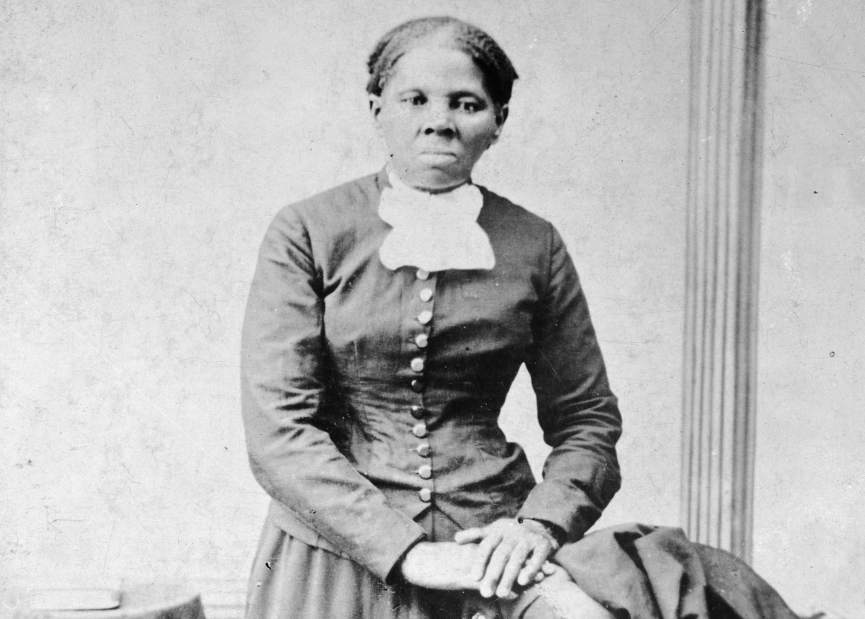
Tubman was born into slavery in the early part of the 19th century, escaped and then used a network of antislavery activists and safe houses known as the Underground Railroad to transport other slaves to freedom. She served the Union Army as a scout and spy during the Civil War, and later became active in the campaign for women's suffrage. She died in 1913.
Engram said the change to Tubman's image on the $20 bill will not only honor the past but will affect the future as well.
“Image is everything, especially to younger generations,” she said. “It makes them aspire to things — it makes them realize that they, too, can be president. It's not just a statement. It actually can be a fact that you, too, can be president — that you, too, can appear on the $20 bill.”
Tribune-Review staff writer Megan Guza contributed.