
Shell gets state permits for proposed cracker plant in Beaver County

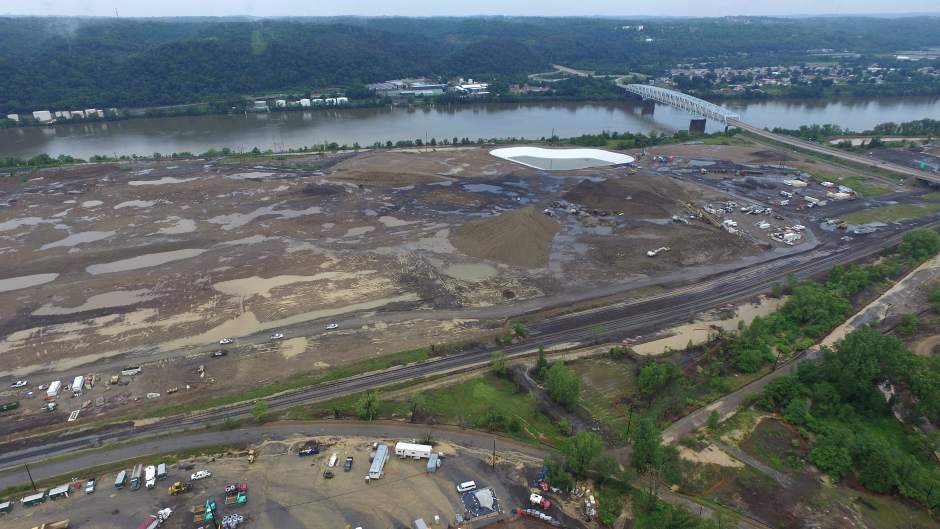
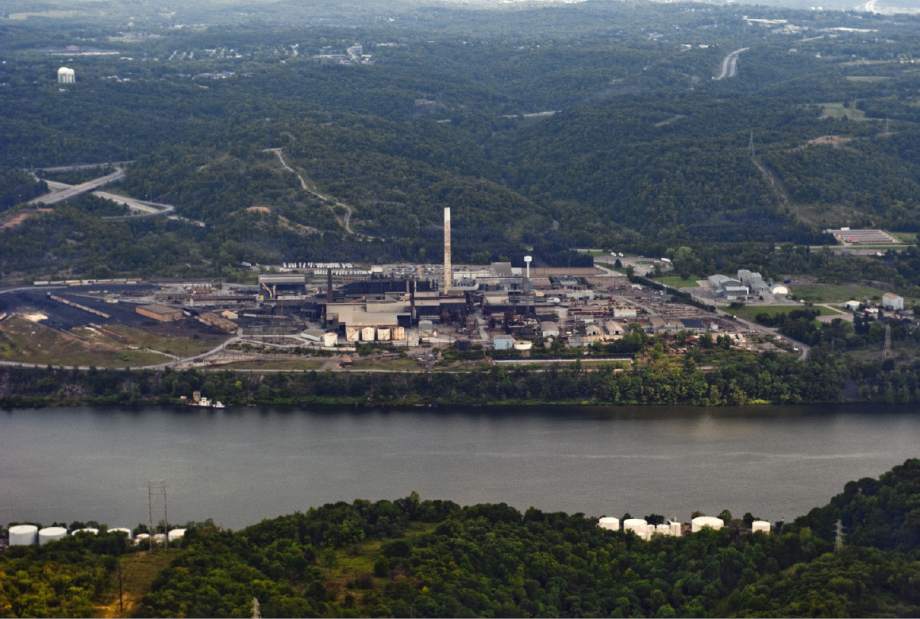
Pennsylvania regulators issued air and water permits that would allow Royal Dutch Shell to begin building a proposed petrochemical plant in Beaver County, the Department of Environmental Protection said Monday.
Shell officials have said that getting the permits was one part of their process in deciding whether to build the multibillion-dollar plant along the Ohio River in Potter. The oil giant closed on its $13.5 million purchase of the former Horse-head Holdings Corp. zinc smelter site last week.
“The receipt of the air permit is a critical milestone for the project, and we are pleased that we continue to make progress in our project evaluation. However, it does not mean we have made a final decision to build the project; we will make that decision when our full project evaluation is complete,” the company said in a statement.
Shell said it has been preparing the land and rerouting roads “to maintain or accelerate the project schedule, if we decide to build the facility.”
“It opens up the door to a lot of construction,” said county Commissioner Tony Amadio, who called the news another step in a process officials have been watching for three years.
The DEP on Thursday issued a four-year major air permit for which Shell applied in May 2014. It allows Shell to build and operate for six months, sets limits on the plant's emissions of a list of air pollutants, and outlines testing and monitoring standards.
Further operation of the plant, which would convert liquid ethane that comes up in some Marcellus shale gas wells into the building blocks of plastics, would require more permits from the government.
The next permit process would give the public more chances to weigh in, said Joseph Minott, executive director of the Clean Air Council.
“This is going to be a major source of pollution in an area that does not attain federal air quality standards,” he said, noting his group is interested in how air quality will be monitored at the site.
The company's analysis that it submitted to get the permit “demonstrates that the plant's proposed emissions would not cause or contribute to air pollution in violation of any National Ambient Air Quality Standards,” DEP wrote in a response to public comments on the permit application.
The company received two five-year wastewater and stormwater discharge permits, and a state water obstruction permit for work along the river.
David Conti is a staff writer for Trib Total Media.
