




Environmental Nutrition: Waste not
Most people assume landfills are stuffed mostly with plastic packaging, spent furniture and garage sale leftovers, writes dietician Matthew Kadey, but what is really causing them to burst at the seams are items that could have made up a nutritious salad.
Every day a staggering amount of food is wasted in America at the farm, retail and consumer level. “We are squandering about 40 percent of the available calories in the food supply, which translates into more than a billion pounds of edible food going in the trash each year,” says Jonathan Bloom, a food-waste expert and author of “American Wasteland.”
Up to 15 percent of households in America suffer from food insecurity, so food waste is a lost opportunity to help solve this problem, according to Bloom. “Decomposing food that makes its way into landfills releases methane, which is a significant climate- warming gas,” says Dana Gunders, National Resource Defense Council scientist and author of “Waste-Free Kitchen Handbook.”
Tossing away food means trashing all the resources, such as water and transportation, that went into producing it and getting it to stores. In the end, food waste represents a loss of about $240 billion to the American economy, according to Bloom.
Follow these tips to prevent waste:
Be a savvy shopper. Plan meals, make a shopping list and stick with it.
Embrace ugly ducklings. Shop at a farmers market; support farmers' efforts to unload oblong fruits and knobby vegetables that many grocers won't accept but are just as tasty and nutritious as their “pretty” counterparts.
Chill factor. To extend the life of perishable produce, keep your fridge set between 35 and 37 degrees. Properly store fragile items like herbs, berries and greens.
Frozen assets. Freeze items like milk, bread, vegetable, and prepared dishes if you're not likely to use them before they go bad.
Cook like a chef. Most chefs are masters at using all parts of food. Try recipes that use the whole food, from stem to flower.
Label lingo. “Sell by” and “best by” dates indicate when peak-quality starts declining, although the food is still fine to eat. “Use by” dates indicate when you should consume the food to avoid food-safety concerns.
Break it down. If your city has a composting program, take advantage of it. Or use a compost bin to produce fertilizer for your garden.
New Orleans on the side
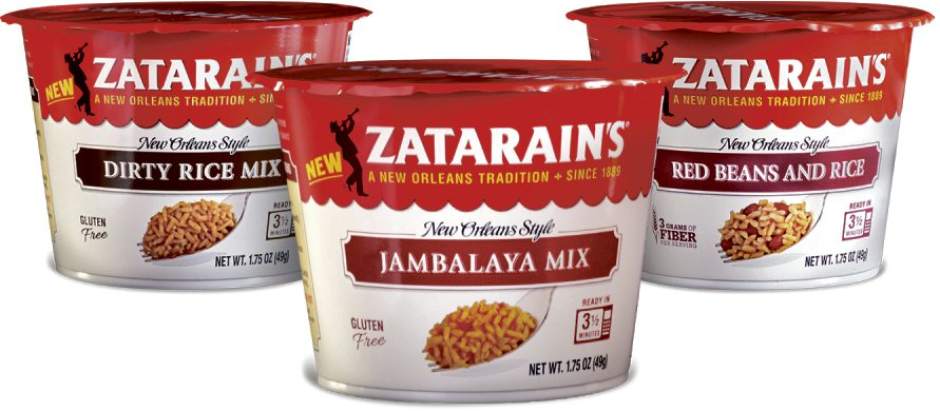
For a quick lunch, a hearty snack or as a side dish when dining alone, Zatarain's new rice cups add a lagniappe — that something extra — with flavors from New Orleans. The rice cups cook in 3 1⁄2 minutes in the microwave. And you can jazz them up too:
• Add leftover veggies and jalapeno peppers to the Jambalaya Mix.
• Stir chopped rotisserie chicken into the Red Beans and Rice Mix.
• Enhance the Dirty Rice Mix with bacon crumbles.
• Top Black Beans and Rice Mix with salsa and crushed tortilla chips.
The rice cups sell for $1.49 per package. Find them in the rice aisle.
Details: www.zatarains.com
Whiskey Brown Sugar Baked Beans
Hot dogs? Hamburgers? Sometimes you just want a pot of baked beans. And if you want baked beans with a hint of whiskey to them (and a bit more of a hint of liquid smoke), you've come to the right place — er, opened the right can.
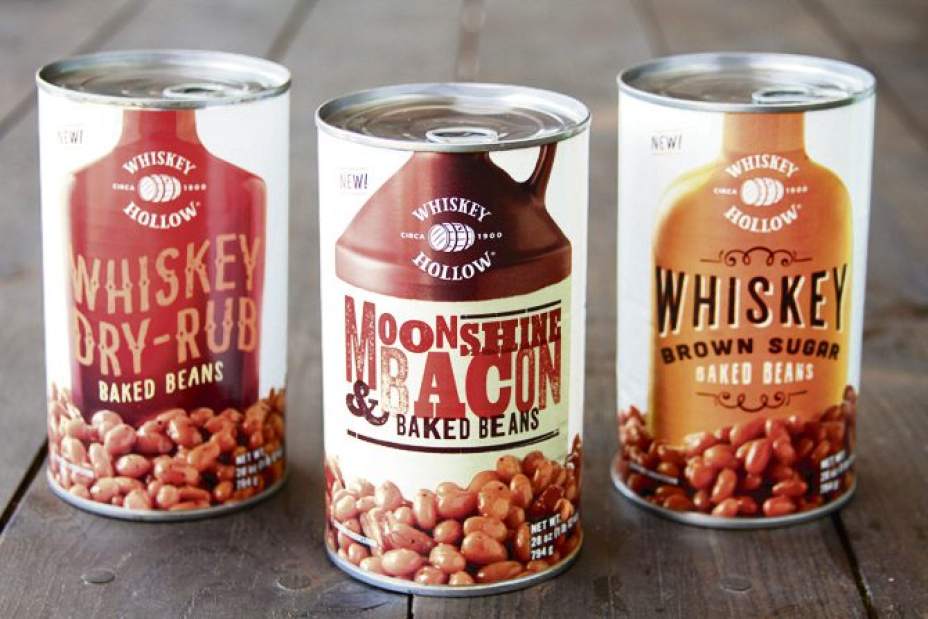
Whiskey Hollow's Whiskey Brown Sugar Baked Beans, made by the folks at Del Monte, bring a slightly new dimension in taste to the campfire favorite. They come in several varieties: the lightly sweet Brown Sugar, Whiskey Dry-Rub and Moonshine & Bacon flavors.
A 28-ounce can sells for $1.97 at Wal-Mart.
Kitchen mistakes: How to avoid them
You don't use parchment paper. It's the best for cakes and cookies and makes cleanup a breeze.
You over-stir your pancake batter. Put the whisk away, grab a silicon spatula and stir — or fold. Gently. Just until the wet and dry ingredients are combined. Interestingly, this buildup of gluten does not happen to the same extent if you're making whole-wheat pancakes. If that's the case, stir on with abandon.
Send food news to tribliving@tribweb.com.
