

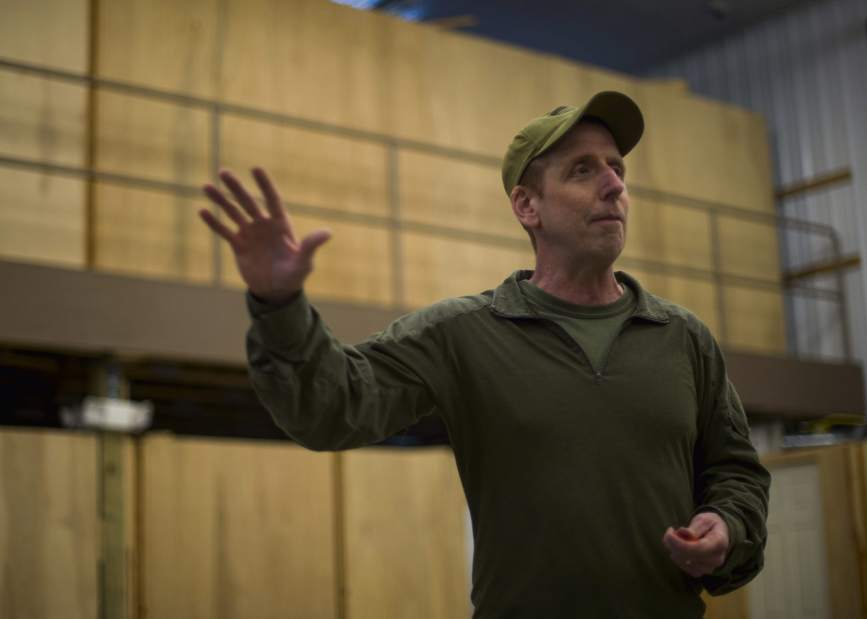
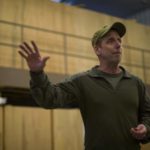
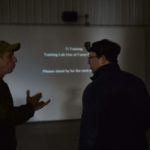
FBI officials gathered Thursday at the Monroeville Police Training Center to demonstrate how they work with schools, churches and other organizations in active shooter response training.
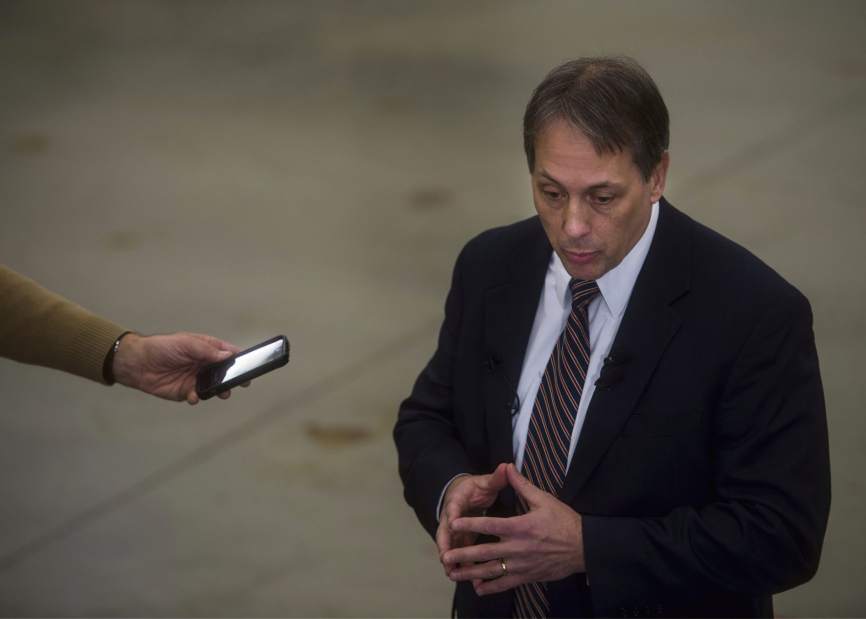
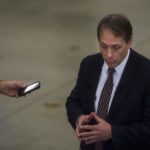
“It's not just schools and school districts,” said Greg Nelsen, assistant special agent in charge of the FBI Pittsburgh field office. “Churches, community outreach facilities have called us.”
He said they have worked with several schools and other facilities in the area.
They teach run, hide, fight: run away from the danger or hide out of a shooter's view. Fighting an attacker is a last resort.
The training does not delve into police tactics, but rather shows civilian best practices. It also puts them in the shoes of law enforcement officers and shows them the split-second decisions officers are faced with.
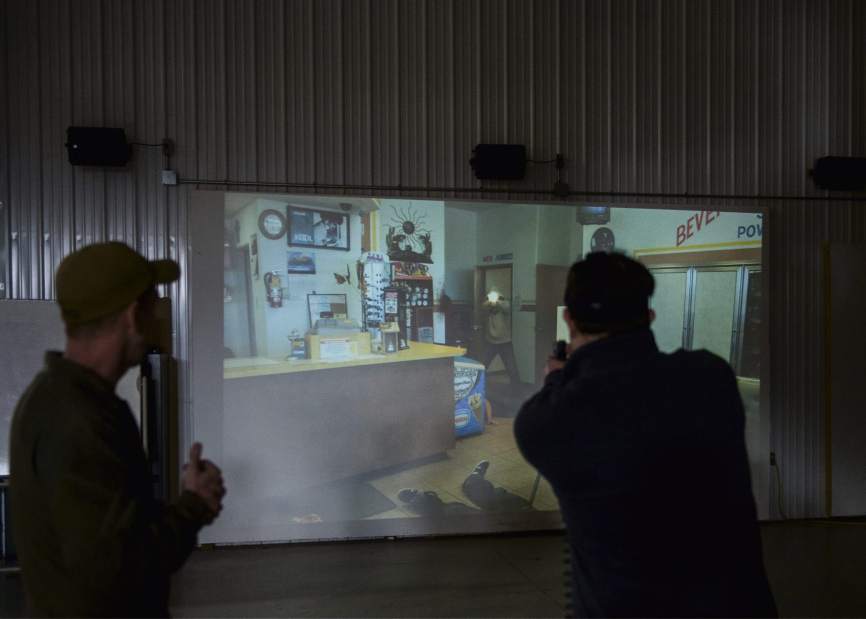
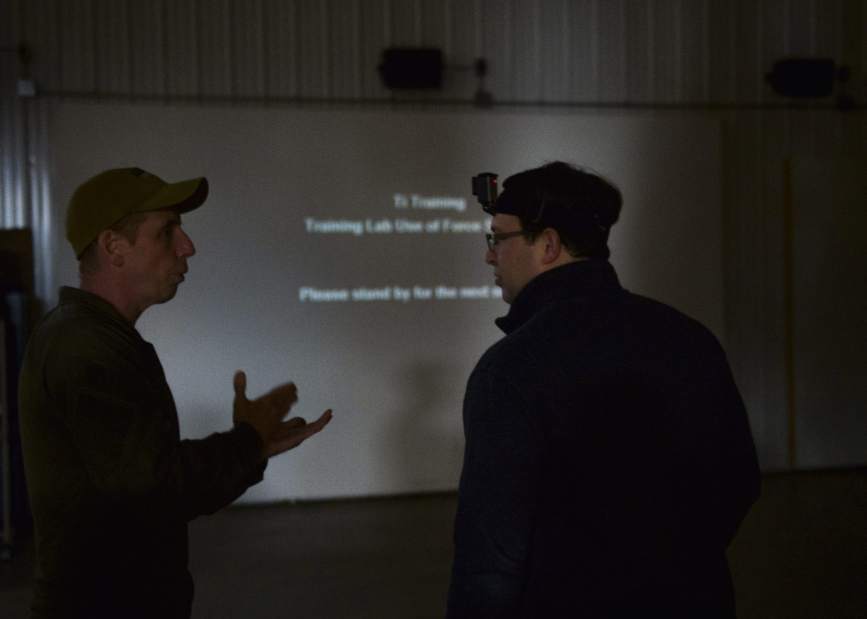
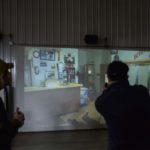
A video simulation puts one in an active shooter situation from law enforcement's point of view. An air gun that can communicate with the video screen allows participants to take aim and try firing at the shooter in the simulation.
Legislation after the 2012 Sandy Hook school shooting gave the FBI permission to engage in response training with state and local law enforcement agencies. The standardization of responses is key, Nelsen said.
“Standardization has to exist,” he said. “It's important to at least run through the same training and tactics.”
Megan Guza is a Tribune-Review staff writer.
Note: This story was updated to correct Greg Nelsen's title.
