
Food assistance rises in Western Pa. despite drop in jobless rate

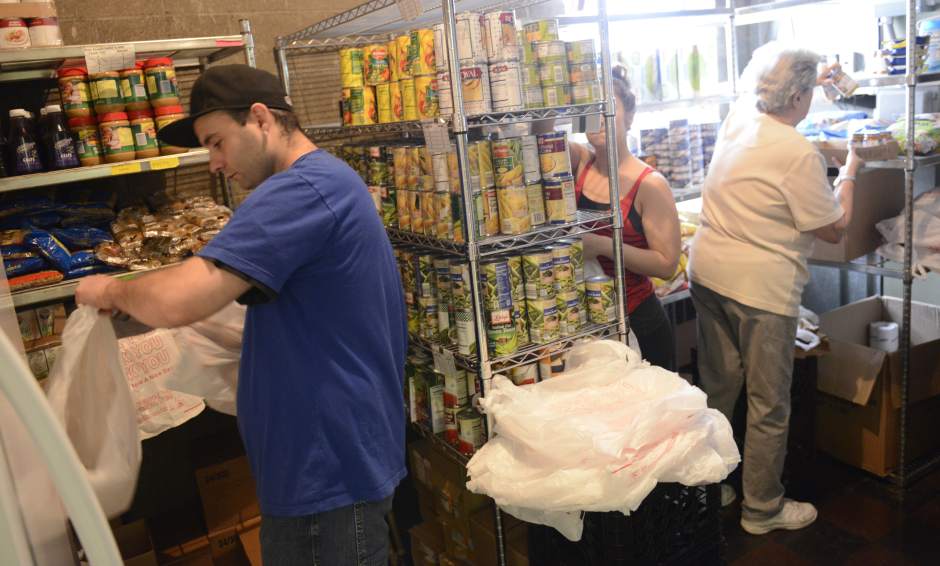
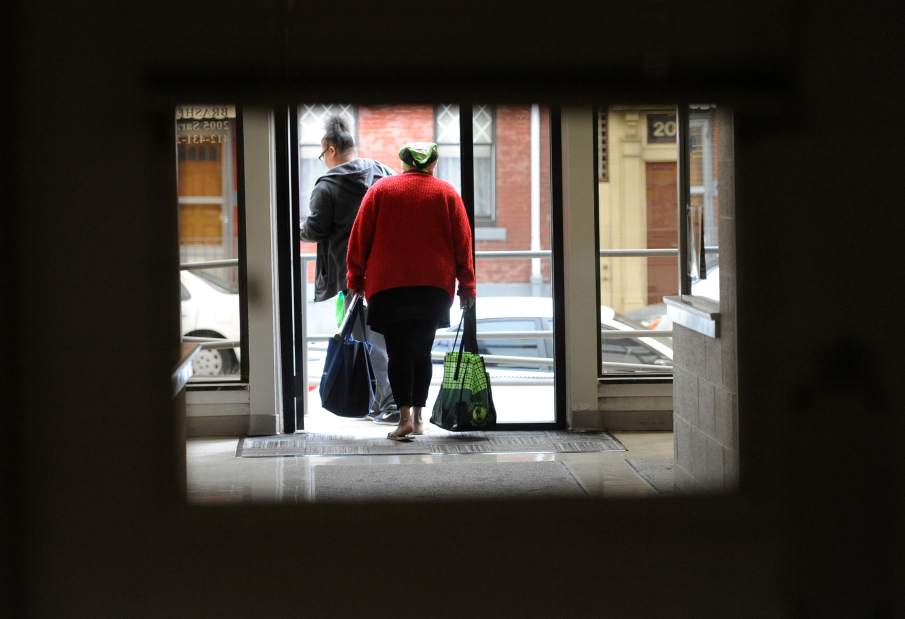
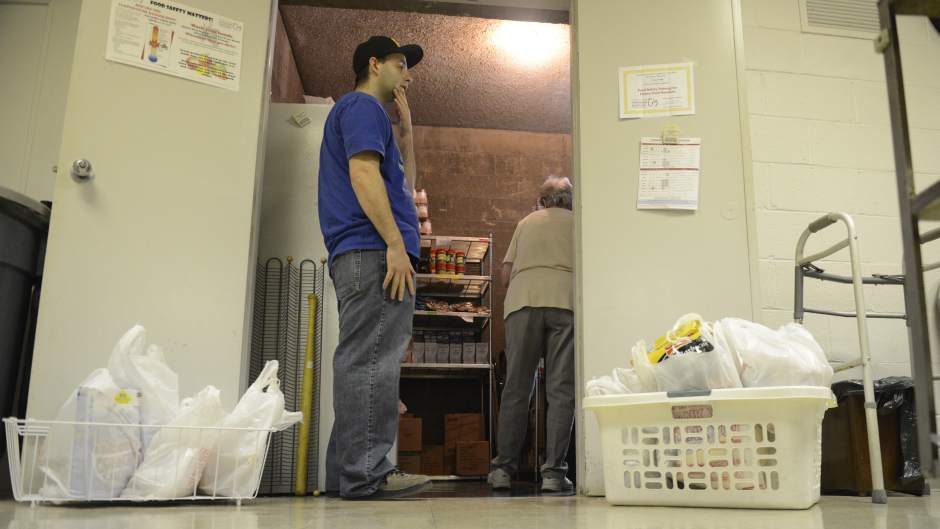
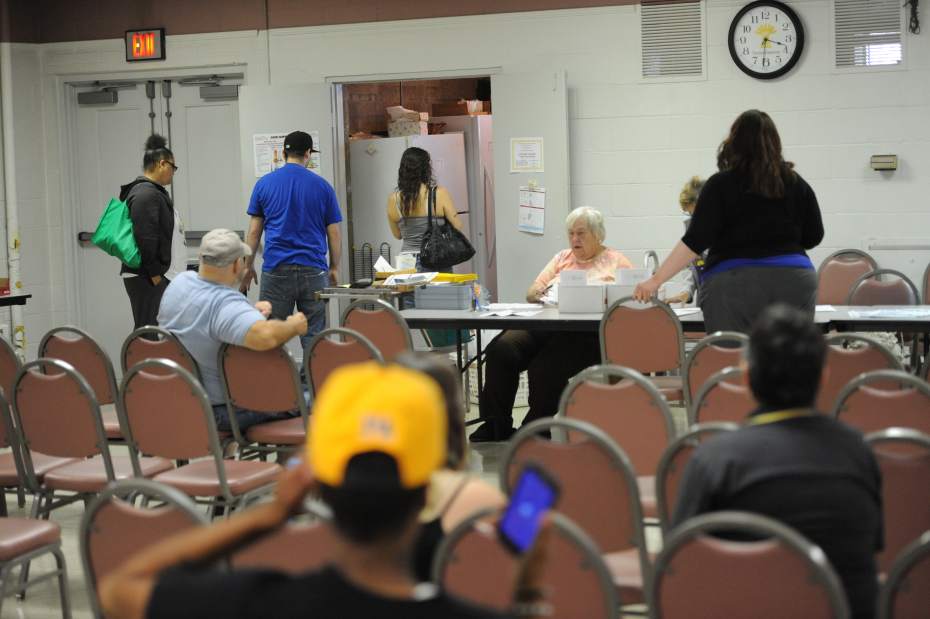
Don't bother reminding Jamie O'Keefe that the United States is in its sixth year of a rebound from the Great Recession.
“It doesn't feel like the economy's improving,” said O'Keefe, 26, of Carrick as she picked up a few bags of groceries last week from The Brashear Association's South Side food pantry for her household of six, including her child, adult siblings and niece. “It feels like it's getting worse.”
Jobless rates have plummeted since the 2008-09 downturn, from 9.3 percent in Pennsylvania in July 2010 to 5.4 percent, according to the Bureau of Labor Statistics. It's slightly better in the seven-county Pittsburgh metro area, where unemployment is 5.2 percent. Hiring is accelerating nationwide.
Yet across Western Pennsylvania, social service agencies that provide emergency assistance for food, shelter, utilities and housing are reporting upticks in demand.
“Our numbers have been astronomical,” said Tracy Frank, family services coordinator of The Brashear Association, a Pittsburgh nonprofit that has logged a 20 percent increase in demand for its twice-weekly food distributions since this time last year.
Tuesday marked the kickoff of Hunger Action Month, a nationwide Feeding America initiative that urges the public to give money, food or time to help stem hunger.
“Certainly this helps us to raise awareness about the critical problem of hunger in our community,” said Lisa Scales, president and CEO of Greater Pittsburgh Community Food Bank.
Food banks across the region report an increase in clients who are working, seniors struggling to get by on fixed incomes and families grappling with reduced subsidies from the federal Supplemental Nutrition Assistance Program.
About 337,000 people, or one in seven, do not have enough to eat in the 11-county region served by the Greater Pittsburgh Community Food Bank, the nonprofit estimates.
That includes nearly 100,000 youths.
The network of about 400 food bank partners is feeding about 5,000 more clients monthly than this time last year, according to Scales. It distributed more than 23 million meals in 2014.
“We've seen an increase throughout our service area,” Scales said. “What we're finding is that many people who are working but earning a low wage are struggling to put food on the table.”
In Westmoreland County, about 500 to 1,000 more people per month are turning to food pantries than they did during the height of the recession, said Jennifer Miller, executive director of Westmoreland County Food Bank. It serves about 16,500 people monthly.
“The majority of the new people that do come are the working poor,” Miller said. “They are people who have a part-time or full-time job who either aren't able to make ends meet or have just become new single heads of household for whatever reason.”
PA 2-1-1 Southwest, the United Way's local help line, have nearly tripled since its inception, from 26,000 calls logged annually in 2011 to more than 72,000 calls in 2014. The majority — nearly 47,000 — came from Allegheny County, followed by 5,459 from Westmoreland County and 5,147 in Butler County. The sharp increase could be attributed partly to word getting out about the service.
“There's this maze of agencies and programs, of acronyms and eligibility, and having a trained navigator sort through that and save you from lots of false leads can be very effective,” said Bob Nelkin, president of United Way of Allegheny County.
Most 2-1-1 callers sought assistance with basic needs, such as food, shelter and clothing, United Way's annual report shows. Sixty percent of those seeking help in 2014 were first-time callers. Seventy-six percent were workers between the ages of 27 and 54.
“It's evidence that people are still struggling,” Nelkin said.
Natasha Lindstrom is a staff writer for Trib Total Media. She can be reached at 412-380-8514 or nlindstrom@tribweb.com.
