
Funding stream sought for proposed affordable housing fund in Pittsburgh

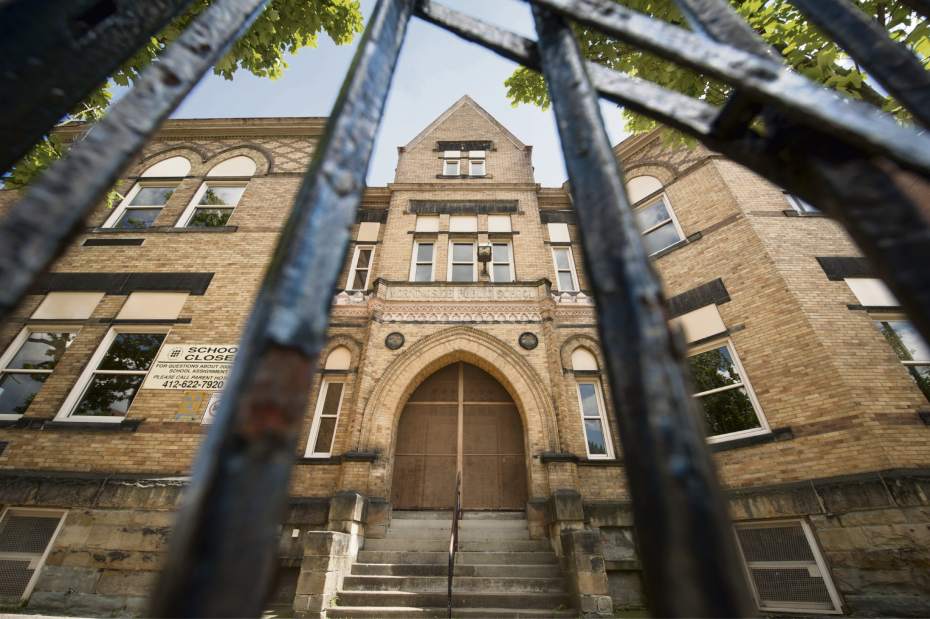
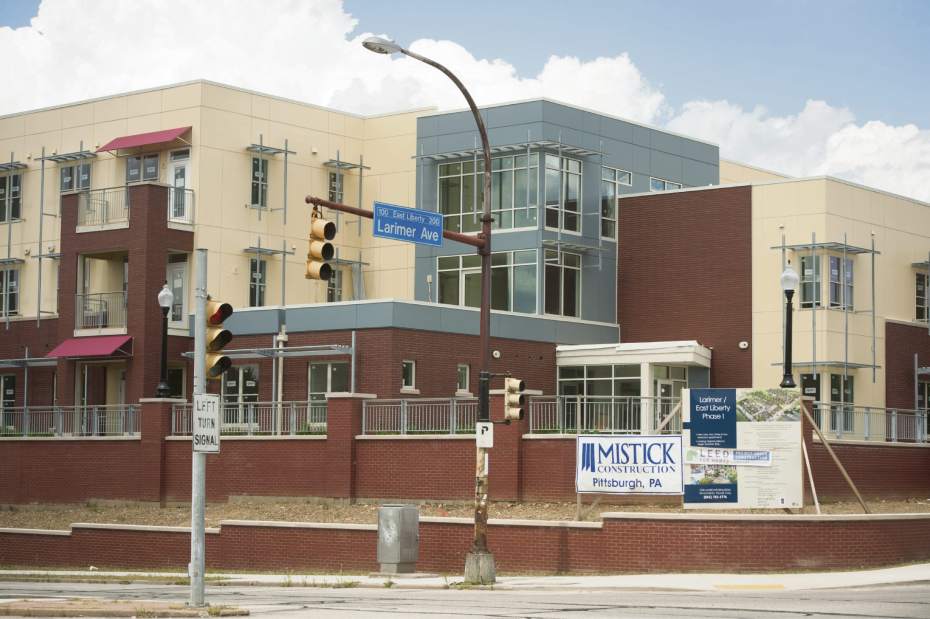
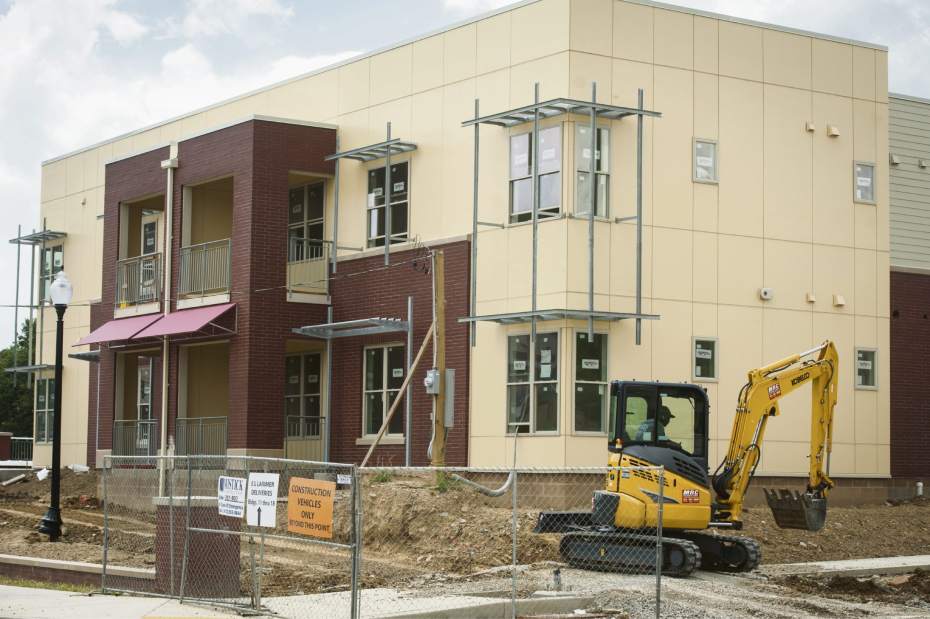
Pittsburgh officials want to set up a dedicated funding stream that would — in a first for the city — tap public dollars to provide subsidized housing for poor residents contending with rising rental rates.
City Councilman R. Daniel Lavelle of the Hill District has crafted legislation based on input from Mayor Bill Peduto's Affordable Housing Task Force that would create a “Housing Opportunity Fund” to help build, renovate and subsidize housing for families of four earning less than $40,000 per year. The legislation requires a $10 million annual injection of money into the fund.
Lavelle said that would help solve Pittsburgh's need for 17,000 affordable houses and apartments. He said it's necessary because of evaporating federal and state housing subsidies. Affordable housing is defined as that requiring less than one third of a family's annual income.
“If we don't dedicate some revenue to be able to stabilize our neighborhoods, ultimately, it's going to be very tough,” Lavelle said. “I believe in many respects the benefits will outweigh the cost.”
Median gross monthly rents in Pittsburgh increased from $500 in 2000 to $794 in 2014, and about one third of Pittsburgh's 307,000 residents pay more than 30 percent of annual income on housing, according to a study commissioned by the housing task force.
The task force identified eight possible public funding sources, all of which include some form of public subsidy, including a 0.5 mill increase in city real estate taxes. Supporters are focusing on two of the options: a 1 percentage point increase in the 4 percent realty transfer tax and diverting real estate tax revenue from expiring tax increment financing (TIF) programs.
The Realtors Association of Greater Pittsburgh is mounting a campaign to oppose the potential transfer tax increase. Lavelle said any of the proposals would be a difficult sell.
Peduto supports the concept of a housing fund, his Chief of Staff Kevin Acklin said.
“The mayor's not willing to put his support behind any singular source of revenue at this point, but we are willing to have the conversation,” Acklin said. “We believe that maintaining an affordable city is something that is a top priority of this administration.”
Lavelle supports the use of TIF financing, which uses tax revenue generated by increased value of a redeveloped property over a period of years to pay for infrastructure improvements on the property. The city receives the additional tax revenue after a TIF expires. Lavelle favors directing that money into the fund, but he doubts it would immediately be enough to reach the $10 million threshold. He said additional money would be necessary.
John Petrack, executive vice president of the Realtors association, said the transfer tax in Pittsburgh is among the highest in the state and an increase would discourage investment in the city.
“To put it bluntly, any added costs to the consumer relative to a realty purchase, we are diametrically opposed to,” he said. “It's making the purchase of a property less affordable.”
Similar programs across the country, including in Philadelphia, pay for affordable housing through realty fees and transfers.
A $20 realty transfer fee supports West Virginia Affordable Housing Trust Fund, which has generated about $2.5 million since 2001 and created 250 housing units, plus housing counseling programs.
Philadelphia upped mortgage and deed recording fees to create its Housing Trust Fund, which generated $11.7 million in fiscal year 2015.
Paul Chrystie, spokesman for Philadelphia's Division of Housing and Community Development, said since 2005 the fund has help build 1,500 housing units and improve nearly 3,700 existing homes for needy and disabled residents.
“The total revenue over the 10 years has been about $109 million,” he said. “About $30 million of that has been directed toward housing production. The rest of it goes to programs to protect homes and to prevent homelessness.”
Chrystie said homeless prevention programs save the city money because it costs more to provide shelter for families. He said building new homes has created about 10,000 construction jobs over the past decade.
Under Pittsburgh's legislation, half of the money each year would be directed to provide housing for families earning 30 percent or less of area mean income, which would be no more than $12,003 for a family of four. The other 50 percent would be split between those earning 50 percent of and 80 percent of area mean income — $20,005 and $32,007, respectively — for a family of four.
“We felt it needed to target people with the most need,” said Barney Oursler, executive director of Pittsburgh United, who served on the trust fund board.
The fund would help residents like Chris Ellis, 27, who has three children and said he must live with his mother in the North Side because his job at a Downtown sandwich shop doesn't pay enough for him to afford an apartment.
“After I get my paycheck and I pay my phone bill, get the kids diapers and formula and stuff like that, I'm lucky to have $100,” he said. “Most of the time, I'm flat broke.”
Bob Bauder is a Tribune-Review staff writer. Reach him at 412-765-2312 or bbauder@tribweb.com.
