





















Grief is not contagious.
Laurie Amick offers those words as advice to friends and family of grieving people. Don't be afraid to reach out, she says. Acknowledging the loss, even with a few words, goes a long way.
Amick's 27-year-old daughter died in June 2015. The holiday season amplifies the pain. Hanging Christmas lights seems like a burden. Social gatherings can be intimidating and ominous.
“It's hard to see other families surrounded by joyful moments because we know how that feels,” she said. “We want to feel that way again.”
Amick first shared her daughter's story with me in October. She allowed herself to cry throughout the interview. I set down my notebook when the moments became too overwhelming and waited for her to regain composure.
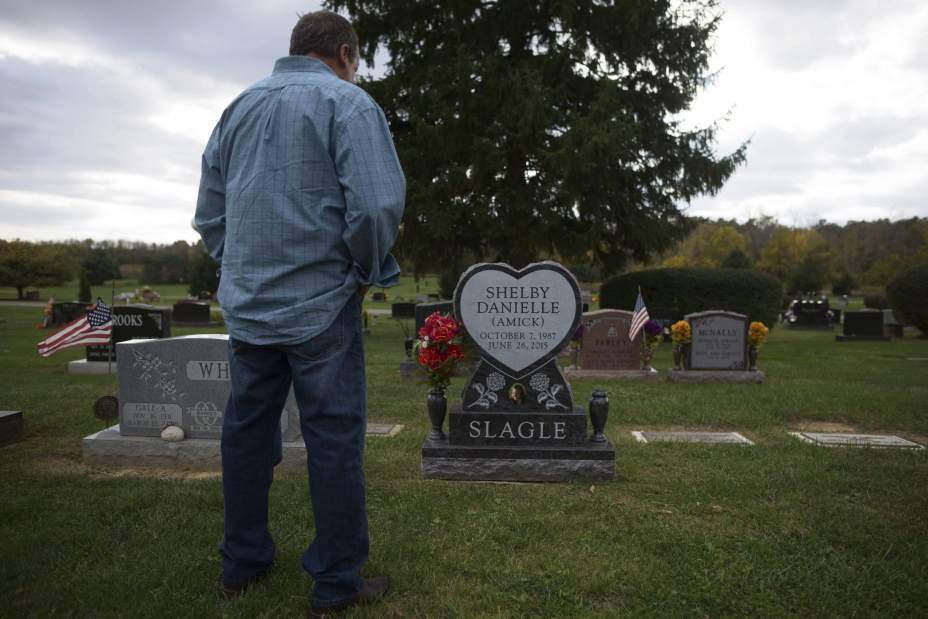
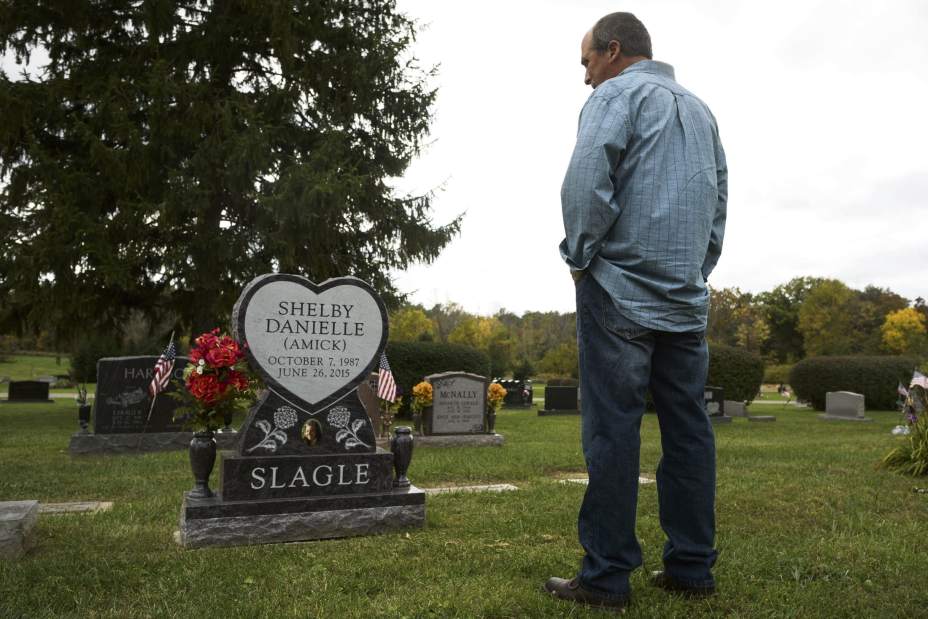
“I hope this helps me start to heal,” she said as we shook hands and said goodbye in an Ohio cemetery.
She invited me to call her if I ever wanted more insight into grieving. I made a mental note to take her up on that. We talked again over the phone for an hour on Friday. I had my own reason to call — my cousin lost her husband unexpectedly just before Thanksgiving, and the funeral left me shaken.
Reporters often play the role of unintentional therapist. We intrude on families during difficult, vulnerable times.
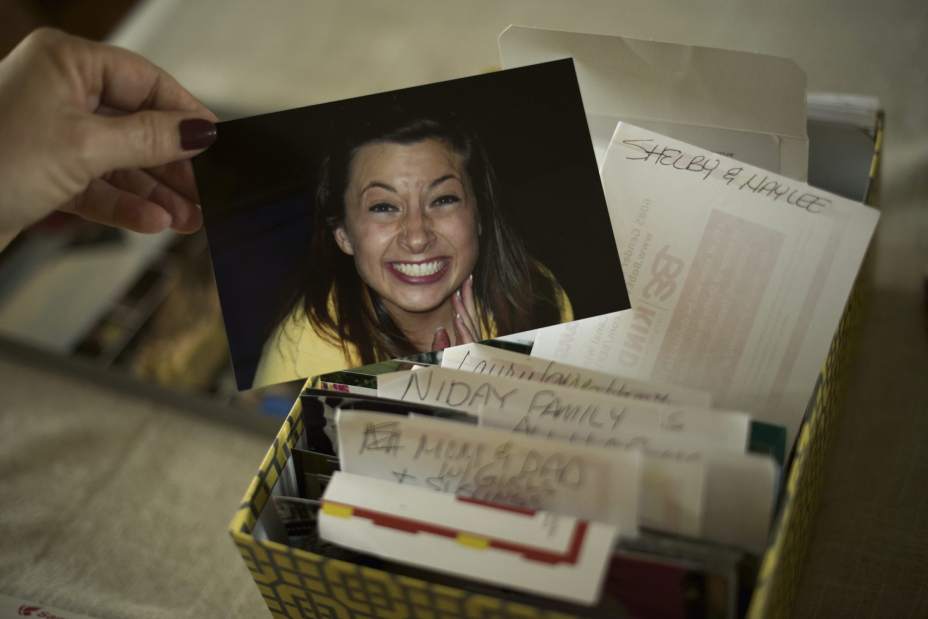
I first met Amick and her husband, Craig, at their home just outside of Columbus, Ohio. I was reporting on her daughter, Shelby Slagle a heart transplant patient who died in 2015 of a fungal infection she contracted at UPMC Presbyterian. The details of her last few weeks were grueling . Photographer Andrew Russell and I spent most of the return drive to Pittsburgh solemnly replaying the day in conversation.
“I often tell clients, ‘Your grief is the size of your love,' and rather than analyze whether they are grieving correctly through stages or reaching closure, they are free to integrate their loss into their life story as a narrative of love,” Patrick O'Malley, a psychotherapist from Fort Worth, Texas, told me. “Your experience with the family who experienced the death of their daughter demonstrates not only do we need to embrace our story of loss, but we need a place for that story to be heard.”
O'Malley wrote a piece for the New York Times in 2015 entitled “Getting Grief Right.”
He agrees the holidays are extremely difficult for those in mourning: The rituals are incomplete, and it's hard to muster the energy to make it through a period that requires a lot of energy.
“Grieving folks get very isolated in culture that does not support the bereaved well,” he told me. “That is why support groups have proliferated.”
For Amick, every day is different: Some days feel tranquil, others unbearable. She and her husband melt down at least once a day, over morning coffee or when they greet each other after work. Support groups have helped tremendously, and Amick strongly recommends them.
She believes there are common themes among those grieving, even though they all experience it differently.
“Understand that we have lost part of our identity,” she said. “We are not OK even if on the outside we appear that we are.”
So if you come in contact with people in similar situations this season, look them in the eye, give them a hug, and don't be afraid of mentioning the name of the person who is gone.
“I just want people to say Shelby's name and know who she was and learn about her spirit,” Amick said.
Ben Schmitt is a Tribune-Review staff writer. Reach him at bschmitt@tribweb.com or follow him on Twitter @benschmitt70.
