

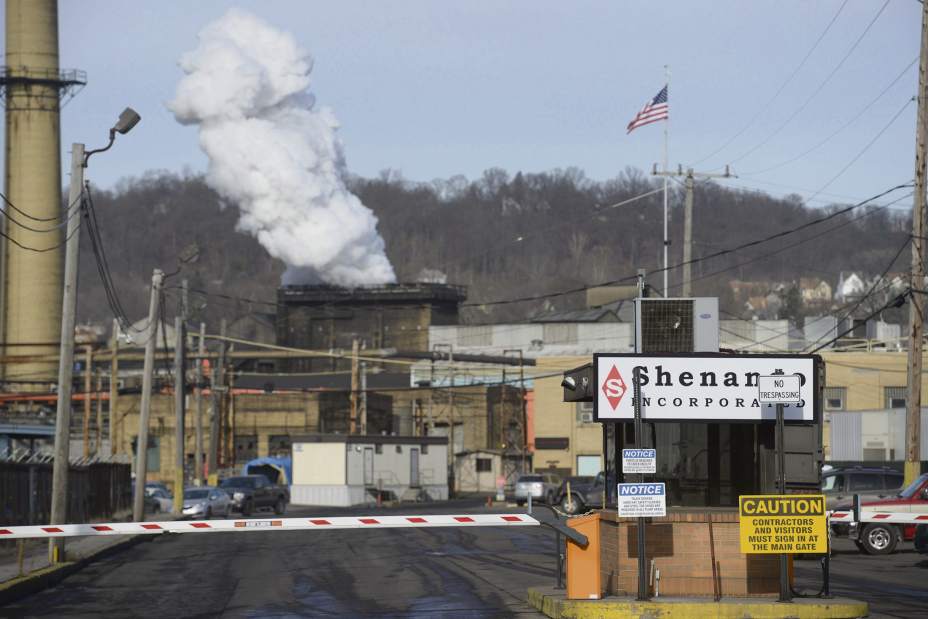
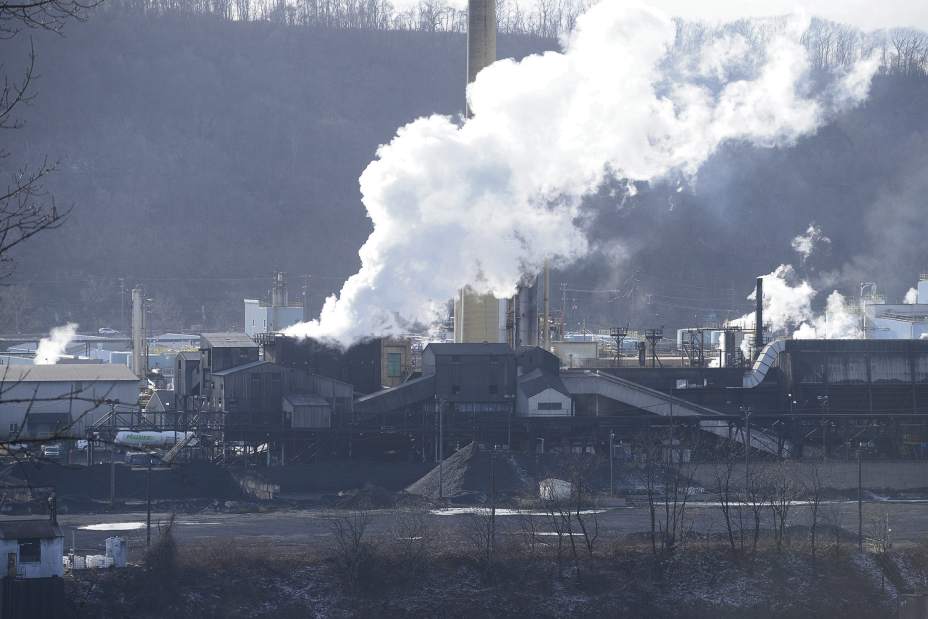
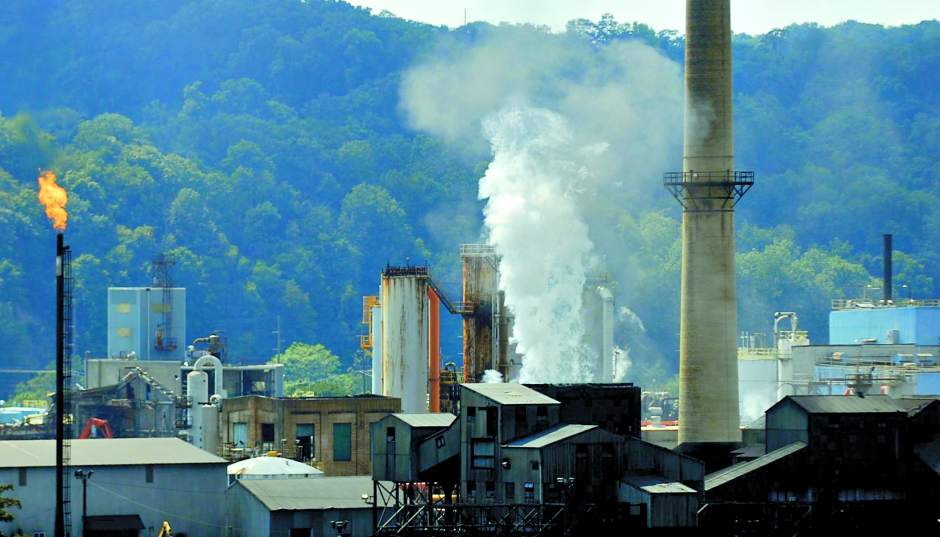
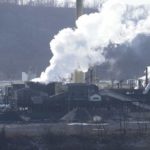
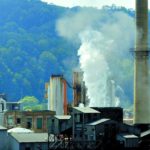
Shenango's days of making coke are over, but the Neville Island site's future could be bright, developers and commercial real estate agents told the Tribune-Review.
Shenango's 50 acre-property on the northeast tip of the island has river and rail access, and its turnover could move fast in Western Pennsylvania's in-demand industrial real estate market.
“Neville Island is still a very prime industrial location,” said Lou Oliva, an executive managing director at Downtown-based commercial real estate firm Newmark Grubb Knight Frank. “Assuming everything has to be razed and it has all the necessary environmental remediation, it could be ripe for redevelopment.”
Shenango pushed its last load of coke six weeks ago, but what comes next remains in question.
Boilers on the site will operate until April. The plant's shutdown will be complete after that. DTE Energy, the Michigan-based company that bought Shenango in 2008 and announced it was closing the plant in December, hasn't disclosed a plan for the property.
“There are no firm plans yet, regarding the future of the property or the equipment inside or outside the plant,” spokeswoman Stephanie Beres wrote in an email Jan. 6, the day many of the 173 Shenango employees worked for the last time. “There is much work to be done and economic redevelopment will be a key focus.”
DTE said declining demand in the North American steel industry forced the plant's closure. It had no updates this month.
Developers have had success breathing new life into former coke works, steel mills and industrial sites in Western Pennsylvania. A slag heap near Squirrel Hill became the residential community Summerset at Frick Park. Washington's Landing — once stockyards, sawmills, soap factories and other industries in the middle of the Allegheny River — has townhouses and office buildings.
An LTV Steel mill in Pittsburgh's South Side became SouthSide Works, a shopping and entertainment destination with residences. Across the Monongahela River, a former LTV coke works in Hazelwood is primed for a more than $1 billion investment to develop housing, office and light-industrial space, with room for research and development.
Redeveloping former industrial sites takes time, said Donald Smith, president of Regional Industrial Development Corp., a nonprofit development firm that is part of the group behind the Almono project in Hazelwood. LTV shut down the Hazelwood coke works in 1999, Smith said. When developers bought it in 2002, they thought redevelopment would take 10 years, but the site remains empty. Plans for the Mon-Fayette Expressway to go through the site fell through. The railroads were going to leave, but they stayed. Then the economy collapsed.
“There's been a bunch of external challenges,” Smith said. “On a project of this size, or Shenango, while you're developing it, you're going to experience at least one recession ... so that can set your plans back.”
RIDC has completed redevelopment projects in Lawrenceville, Oakland, McKeesport and Duquesne. Smith said projects face three large hurdles.
First, developers must decide which buildings must be demolished and which can be re-used. Then developers must figure out how much environmental remediation is required. Smith said the Almono site was cleaner than expected, but still 900,000 cubic yards of fill were trucked in to avoid disturbing contaminants in the ground.
Infrastructure is the third consideration, Smith said. Many industrial sites have excellent rail and water access but only one entrance and exit for vehicular traffic.
Smith said his firm would consider developing the Shenango site when it becomes available. He thinks the site would appeal to a tech company looking for space for a production facility, or developments related to the energy sector. If Shell builds an ethane cracker plant in Beaver County, downstream manufacturers that make plastics and polyethylene might want to locate at the Shenango site.
“There's a relative shortage of industrial space,” Smith said. “Given the rail and the water access, finding industrial uses, even if they are different industrial uses, is the shortest path to development.”
Oliva, who has brokered Neville Island sales, said property on the island is in demand. In 2012, a bidding war developed over a 10-acre vacant lot for sale by the Army Corps of Engineers. Triad Metals International, based on the island, bought it for $1.65 million.
Oliva said DTE needs to determine how much environmental cleanup the Shenango site may need. “That's the first question any buyer is going to ask,” he said.
Aaron Aupperlee is a Tribune-Review staff writer.
