
Pittsburgh police still keeping watch over Civil War-era cannonballs — months after find

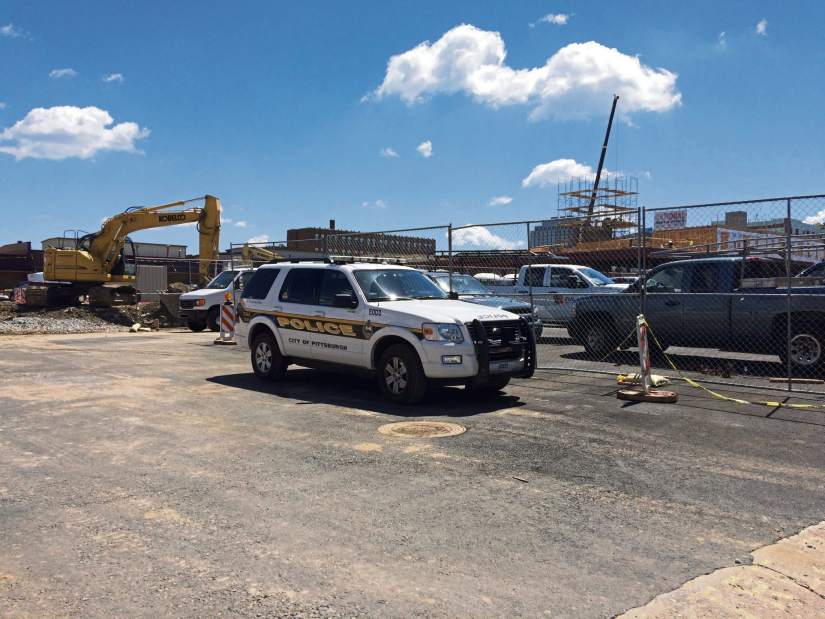
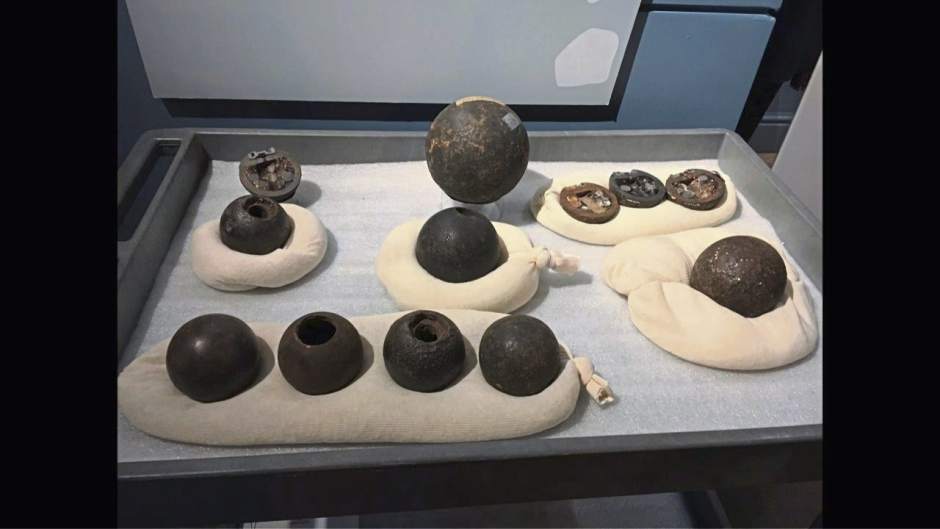
Pittsburgh police for nearly three months have stood 24-hour watch over hundreds of Civil War-era cannonballs unearthed by contractors building an apartment complex on the site of a former federal arsenal in Lawrenceville, city officials said.
Despite their age, they remain property of the federal government and neither the city nor Indianapolis-based Milhaus Ventures, the project developer, can dispose of them, according to Kevin Acklin, Mayor Bill Peduto's chief of staff.
Acklin said Milhaus is covering costs of the police guard, and the city is working with the company and military to get rid of them.
“The public safety director has been working very closely with the military and the owner to make sure these bombs are removed, decommissioned and done so in a manner that preserves public safety,” Acklin said.
The situation has touched off a debate among historical preservationists who fear authorities will destroy the cannonballs. Brady Smith, spokesman for the Senator John Heinz History Center, said center President and CEO Andy Masich is negotiating with all involved in an attempt to preserve them.
“Pittsburgh was known as the arsenal of the union because of the munitions that were produced at the arsenal site,” he said. “Any artifacts related to the arsenal are important to the history of Pittsburgh.”
The 38-acre Allegheny Arsenal was established in 1814 and served as a major supplier of the Union Army during the Civil War, according to the National Archives. The property was sold at public auction in 1926.
The worst civilian disaster of the Civil War occurred there on Sept. 17, 1862, when an explosion killed 78 women and girls working at the arsenal and injured many others.
Acklin noted that many of the projectiles remain loaded with black powder. In 2008, a Virginia man who was a longtime collector of Civil War ordnance was killed when a cannonball he was restoring exploded in his driveway.
“If we're able to accommodate historical preservation as part of that, it would be a win-win, but we're taking our directives from the U.S. military,” Acklin said.
Civil War ordnance experts say artillery shells can be safely diffused.
“You could drop them off the tallest building in Pittsburgh and they wouldn't blow up,” said Steve Phillips, 71, of Birmingham, Ala., who's been collecting and restoring cannonballs for nearly 50 years. “Law enforcement, they're just going to blow them up.”
He said Civil War shells can't explode on contact. They were equipped with a paper or wooden fuse that acted as a timer. A cannon's muzzle flash ignited the fuse and the shell exploded only after the fuse burned into the powder.
Phillips said most injuries he knows of happened when someone unloading a shell set the powder off while drilling into it.
He said the shells would sell for at least $300 apiece if restored and up to $5,000 depending on their rarity.
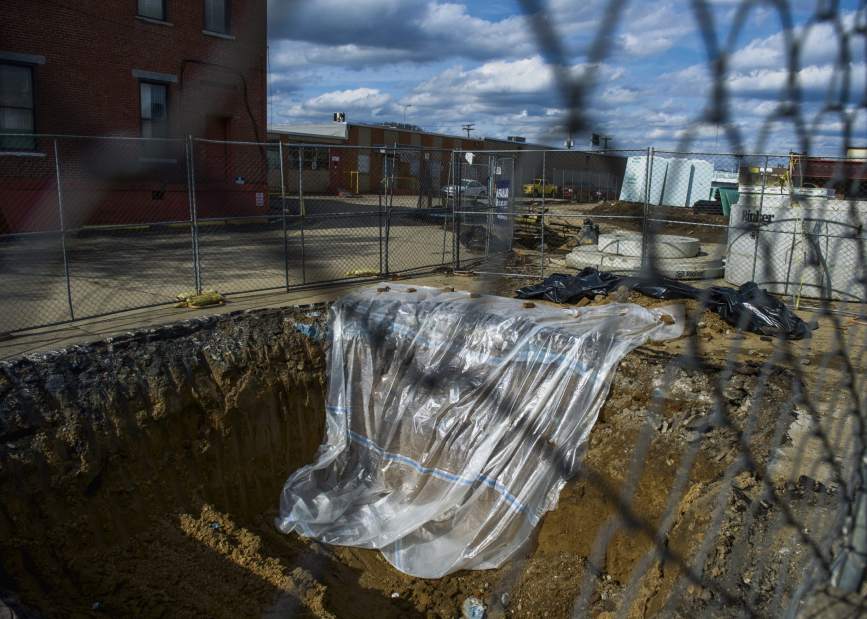
Contractors building a 625-unit apartment complex at 39th and Butler streets uncovered the cannonballs while digging foundations in March.
Bob Bauder is a Tribune-Review staff writer. Reach him at 412-765-2312 or bbauder@tribweb.com.
