He bought art for its beauty, haggled for deals and demonstrated fierce loyalty to local artists and neighborhood galleries.
Dick Scaife, the billionaire philanthropist and Tribune-Review owner who died last year, deemed his large art collection to be his greatest investment.
But Scaife did not pursue fine art to turn a profit.
“There is a monetary value, but I don't know how much, and I don't think it's as important as the life value,” he wrote of his acquisitions in his 2009 autobiography, “A Richly Conservative Life.” “This stuff is me. It's what I like, what I'm about, and have enjoyed putting together during my years on earth.”
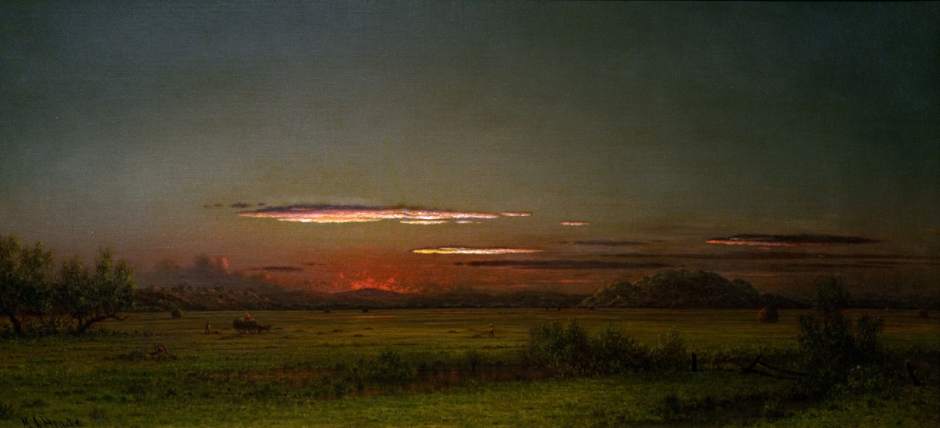
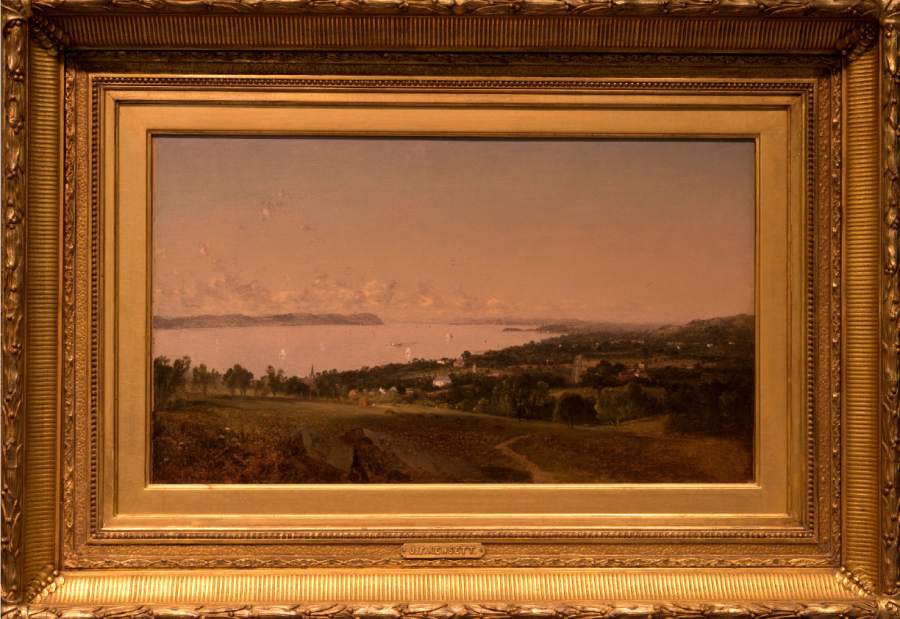
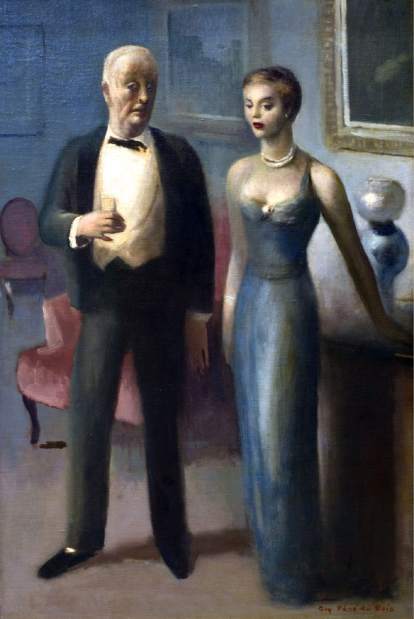
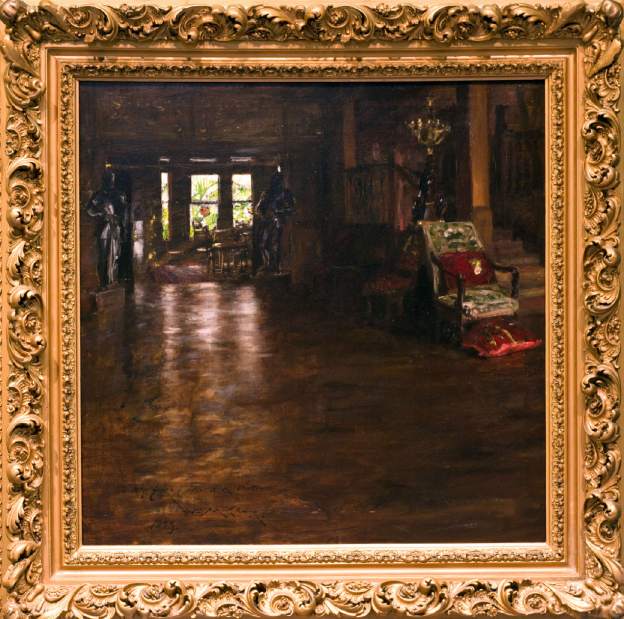
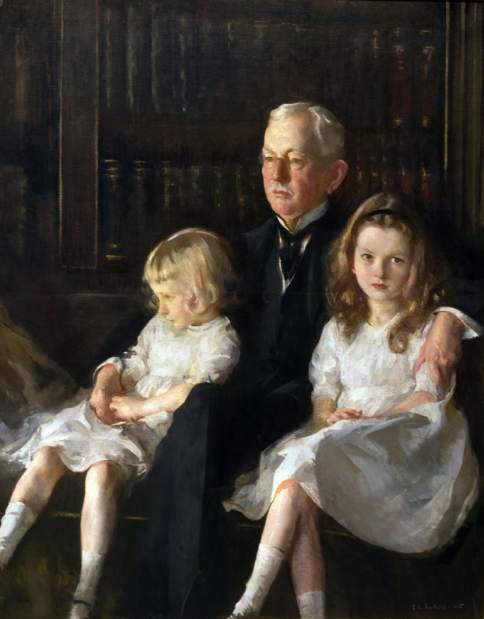
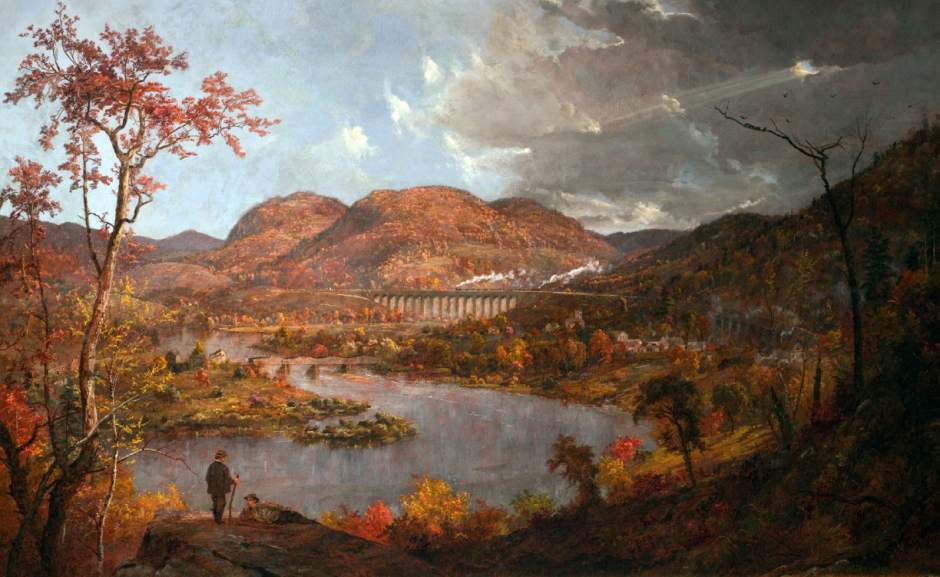
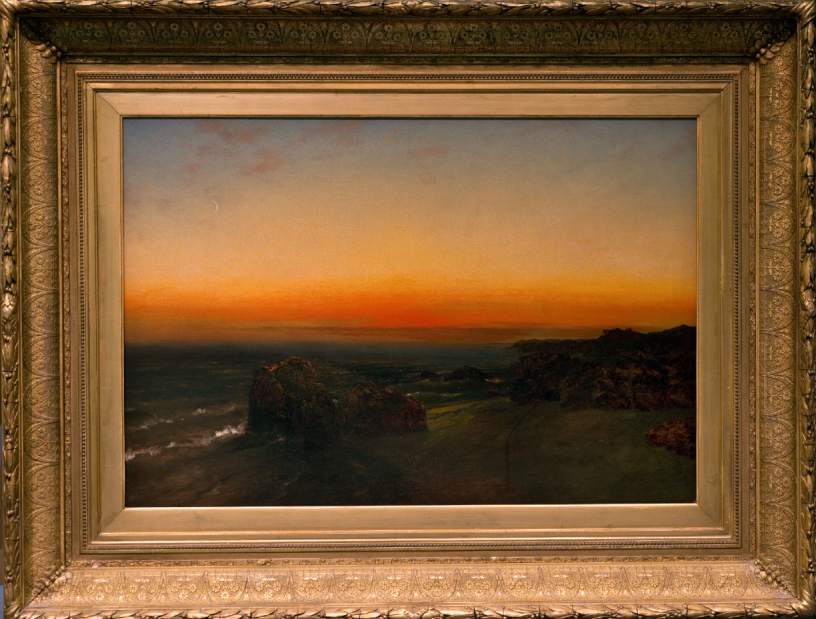
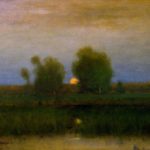
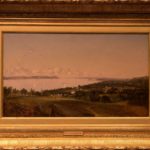
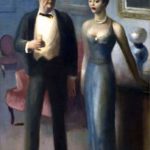
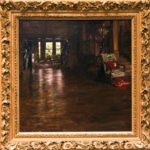
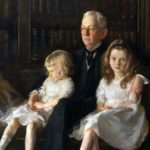
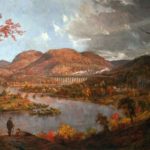
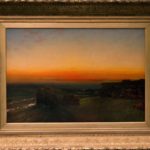
The best of more than 500 artworks he amassed over his 82 years soon will hang on museum gallery walls at both ends of Pennsylvania.
In his will, he split the works between his two favorite museums, Westmoreland Museum of American Art in Greensburg and Brandywine River Museum of Art in Chadds Ford. It was a rare type of bequest in the art world and stirred anxious yet friendly competition among the benefactors, who expect the infusions to thrust their medium-sized institutions into the national spotlight.
Westmoreland Museum director Judith O'Toole said, “It cannot be overemphasized how significant this gift will be to our collections.”
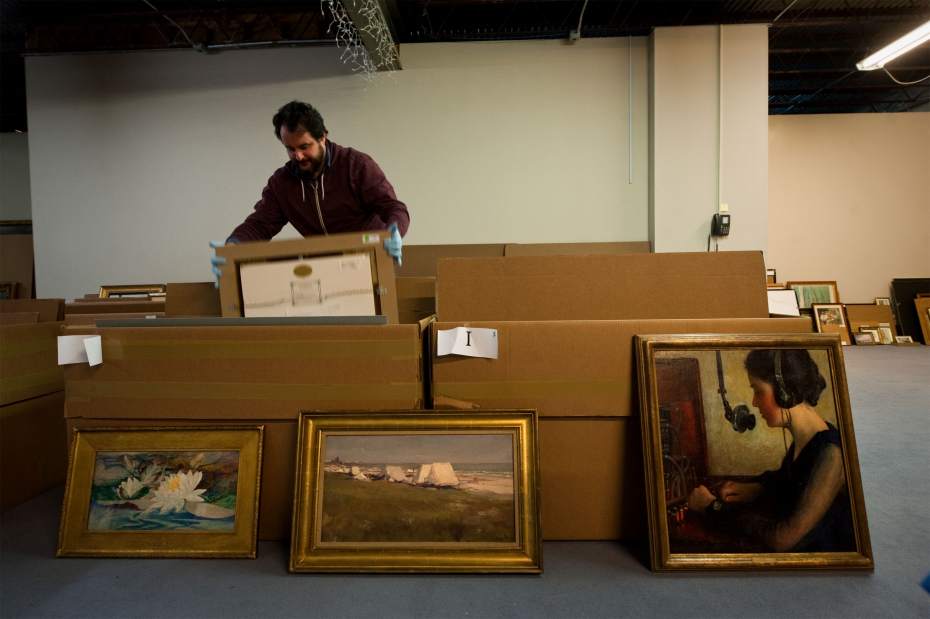
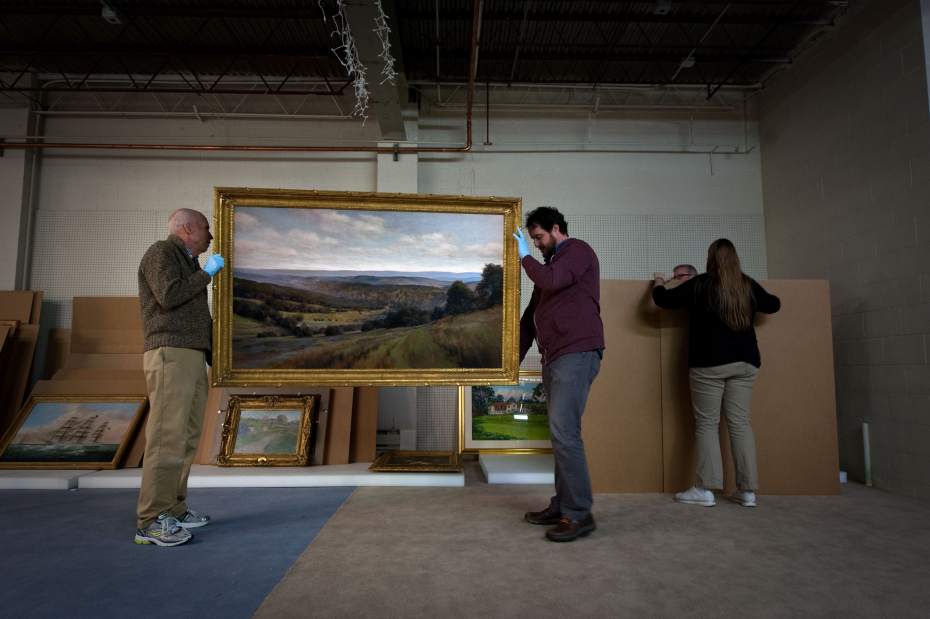
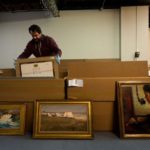
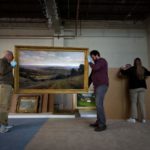
The museums spent months preparing for the division. Westmoreland officials held mock selection sessions to predict the works Brandywine officials most wanted.
‘This was nothing we had been through before, and there was a lot of nervousness about how smoothly it would go,” O'Toole said.
The process began Dec. 3 on the upstairs gallery floor of Westmoreland Museum's temporary site on Route 30 in Unity. Brandywine officials flew in from Philadelphia to engage in the I-pick, you-pick process moderated by Scaife's executors.
Tension filled the room as executives and board members from each museum sat on opposite sides of a white wall, so they couldn't peek at each other's priority picks. By late afternoon, they divided the 142 most coveted works and celebrated with a champagne toast.
Museum officials split the remaining pieces via phone conferences and email exchanges. They agreed to share, through loans, the pieces the other missed out on.
“It ended up being a really collegial and warm process,” O'Toole said. “Our histories are wedded together now.”
The additions will elevate Brandywine's visibility as an American art destination, said Thomas Padon, Brandywine's museum director. He was especially pleased to acquire pieces showcasing American impressionism and California artists, “which is totally new for us.”
The museums do not disclose the estimated value of works they acquire.
The top pieces are “solidly in the six figures and could be up to the low 7s,” said Debra Force, a 35-year art professional based in New York who reviewed Scaife's collection. She said some works by lesser-known names are some of the best examples by those artists and valuable pieces of art history.
Padon said it would have taken Brandywine years to save enough to purchase its top acquisitions on the private market or auction blocks.
“Even if it's not the most important artist, you learn the context of how things were created and why certain things happened and what the general mentality of the art world was at those different times,” said Sam Berkovitz, a licensed auctioneer and director of Concept Gallery in Regent Square.
“You can see history play out in front of you.”
The gift is accepted as Westmoreland expands its 30,000-square-foot location in Greensburg by 13,300 square feet, a 44 percent increase.
“For Westmoreland, it's very good timing,” said Force, who consulted Westmoreland on ranking their choices, “and I think … it's really going to draw a lot of attention and put the museum in a more national role.”
Westmoreland's $20 million renovation includes new exhibition, educational and community spaces, gardens and outdoor art installations. It's on track for completion by early fall.
The Scaife works follow two other sizable gifts to Westmoreland Museum: about 80 post-1950s American artworks donated by Diana and Peter Janetta, and 50 American bronzes, thanks to Dr. Michael Neiland.
“People are going to walk into the museum and not only experience a whole different building, but the collection will be completely transformed,” O'Toole said.
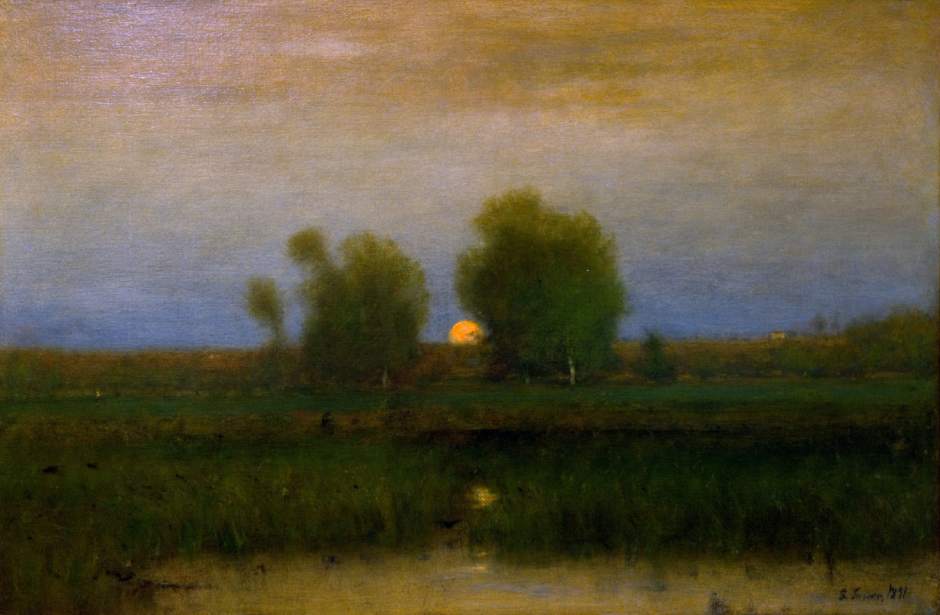
Scaife enjoyed 19th- and 20th-century American landscapes and cared less for French or modern art, although he bought some of each.
His donation includes about 50 European pieces that do not fit either museum's collection. The two institutions will sell those paintings and split the profits, which they will put toward conservation, restoration and purchases.
Scaife had close ties to Westmoreland Museum since its public opening in 1959; he served on the Brandywine organization's board for 36 years.
In his will, he gifted $5 million and five John Kane paintings to Westmoreland. He gave the Brandywine museum and conservancy $15 million and his 900-acre Penguin Court estate in Ligonier.
In Scaife's words, the two institutions held “special places” in his heart, for their “great collections” and “excellent staffs.”
“I would have conversations with him like a colleague,” O'Toole recalled. “He was very knowledgeable about American art, he was inquisitive, and we would have really interesting and sometimes challenging conversations, with me — a professional art historian — trying to keep up with him.”
Jane Roesch, 84, a close friend of Scaife's, said he inherited his artistic eye from his mother, Sarah Mellon Scaife, a major benefactor to Pittsburgh institutions such as the Carnegie Museum of Art.
“I know most people don't have the freedom I've had to collect paintings,” Scaife wrote in a June 22 column, 12 days before he died. “Yet all parents, however rich or poor, can — and should — encourage their children to experience and appreciate the arts.”
Natasha Lindstrom is a Trib Total Media staff writer. Reach her at 412-380-8514 or nlindstrom@tribweb.com.