

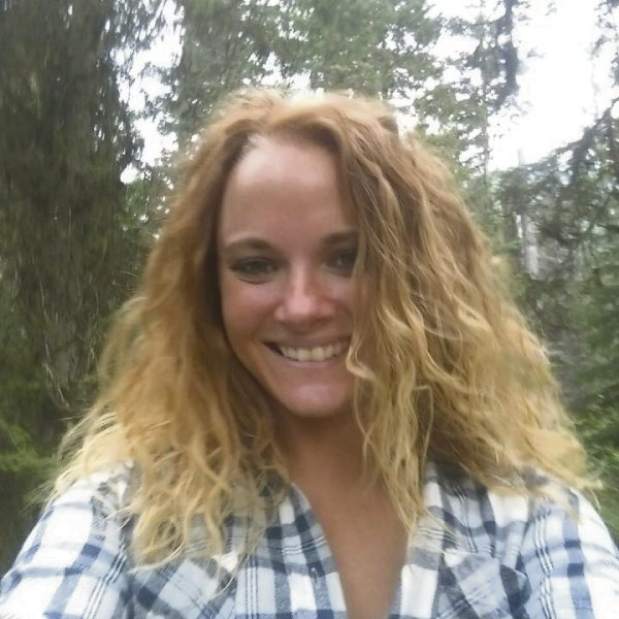
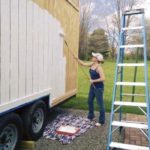

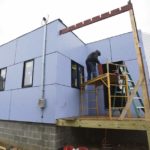

Rachel Ford has big dreams for her tiny house.
Ford, 29, of West View said she wanted a home of her own but couldn't afford one that would cost about $100,000, what she called a “reasonable” price for a home in the Pittsburgh area. Ford quickly became part of the “tiny house movement.”
“I was seeing them on TV, and I was seeing them mentioned, and it was just an interesting idea,” she said.
A tiny house is defined as one with up to 1,000 square feet, which is 25 percent larger than a racquetball court. Many, however, are smaller. Ford rents an apartment that is about twice the size of her tiny house — which will be 306 square feet — and will have to give up many of her belongings when she moves to Beaver County.
“I keep moving to smaller apartments to save money (and ask), ‘Why do I have it?' I don't have that much stuff that I use on a daily basis,” she said.
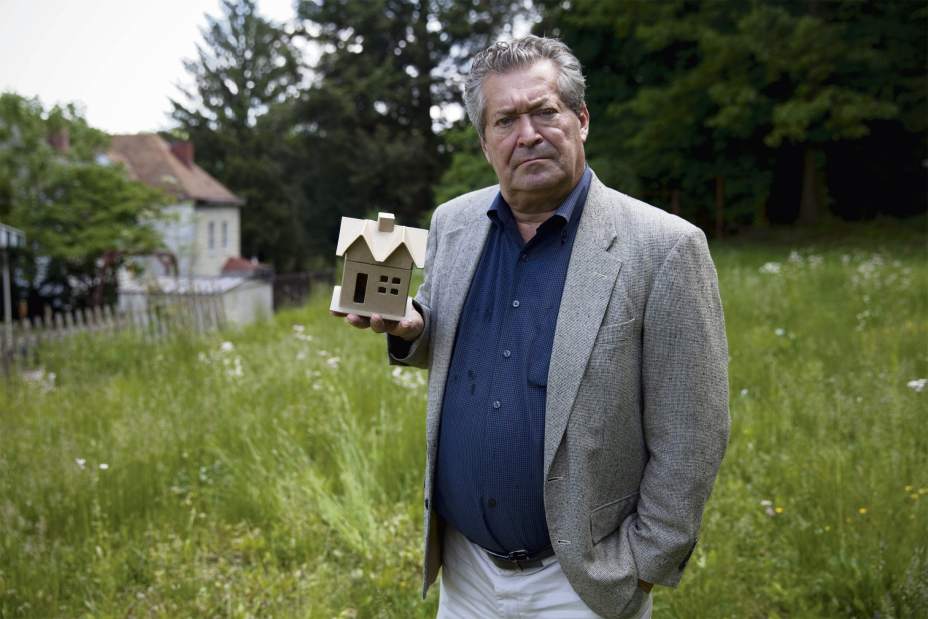
As the “tiny house” movement takes off, discussion of zoning issues related to tiny houses come up often in communities statewide, the head of a group for zoning officials said. Phil Ehlinger, executive director of the Pennsylvania Association of Zoning Officials, said zoning rules for mobile structures — as some tiny houses are — are different from zoning involving other residences.
“There are compelling reasons to regulate them differently from single-family homes,” said Ehlinger of Doylestown, Bucks County. “They are looked at very critically to make sure there are no unintended consequences.”
Typically, communities will not have a minimum size for a house, but a house that is smaller than usual might need variances for things such as setbacks, he said.
“In most places, a property owner could come in and build a very, very tiny house,” Ehlinger said.
Tiny houses can be beneficial to a community, he added.
“It encourages homeownership. … It lowers the threshold that people can afford to buy,” he said.
For Ford, finding a place to put her tiny house was a challenge, she said, because many communities have zoning rules that don't accommodate tiny houses or don't permit homes on wheels. Her house is on a trailer, though some have foundations.
Among the communities that interested her but did not work out were Avalon and Economy, which is in Beaver Township.
Avalon Borough Manager Harry Dilmore said one of the issues with Ford's house is that a house on wheels is too much like a recreational vehicle, which officials don't allow people to keep on property year-round.
But, he said, he is enthusiastic about the concept of tiny houses if the structures are on a foundation, a faux foundation or a pad.
“I'm looking for a lot of ways to make it happen,” Dilmore said.
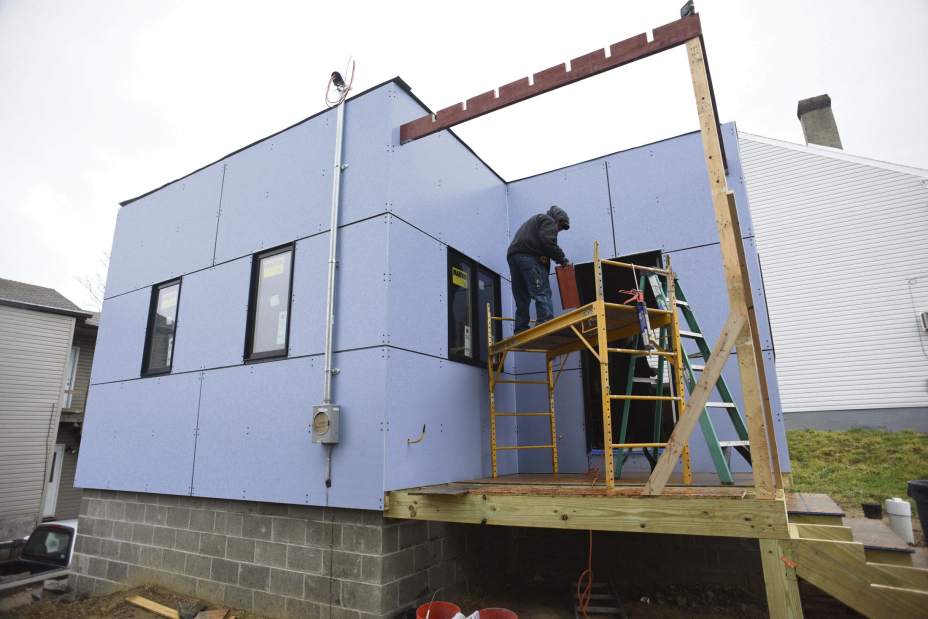
He is working with a nonprofit group to have one or two tiny houses built on vacant lots. He would not name the group yet as he said planning is in the early stages. Dilmore said the borough has about a dozen vacant lots he thinks would be good sites for tiny houses.
“This solves a multitude of problems for me,” he said.
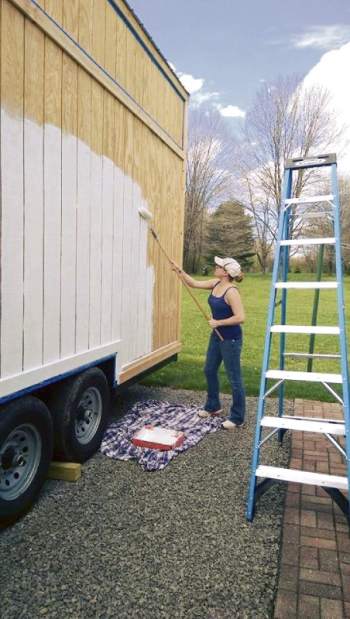
Ford, who works for a nonprofit organization and as a waitress, purchased the shell of a house from Tiny House Squared in Vicksburg, Mich., and plans to do a lot of the work.
She estimates the project will cost $35,000 to $40,000. That includes the costs of one-third of an acre she bought for $10,000 in Center Township, Beaver County; hiring a contractor to tear down a mobile home on the land; the house shell; a trailer; supplies for the work she is doing herself; and hiring contractors for insulation, plumbing and electrical work.
Madelyn Dinnerstein is a freelance writer.
