

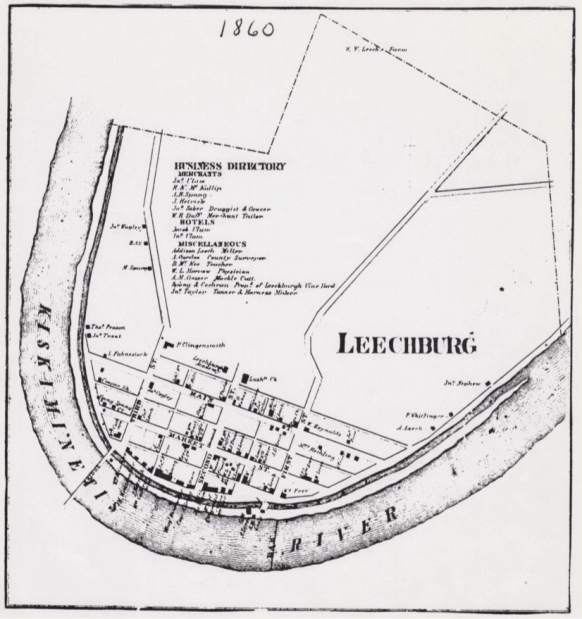
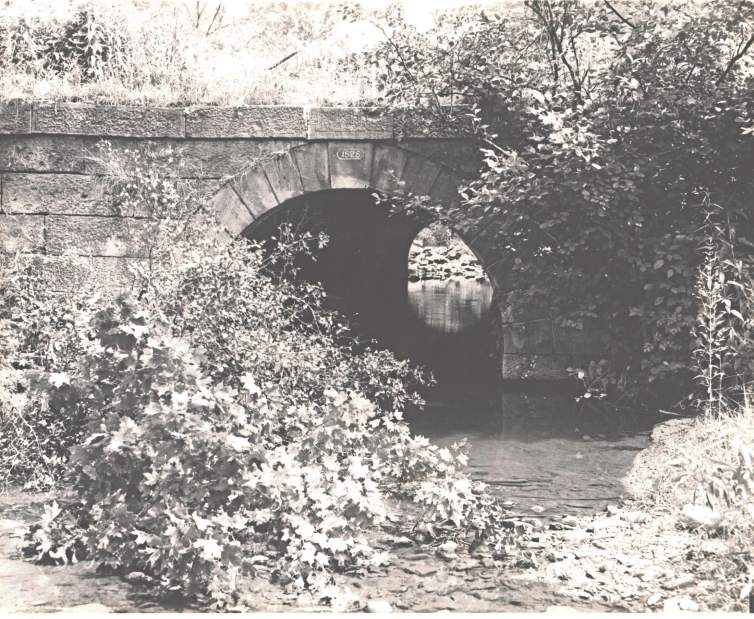
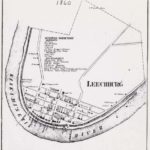
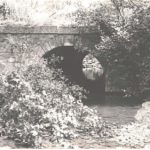
If it wasn't for the Pennsylvania Canal, there likely would be no Leechburg.
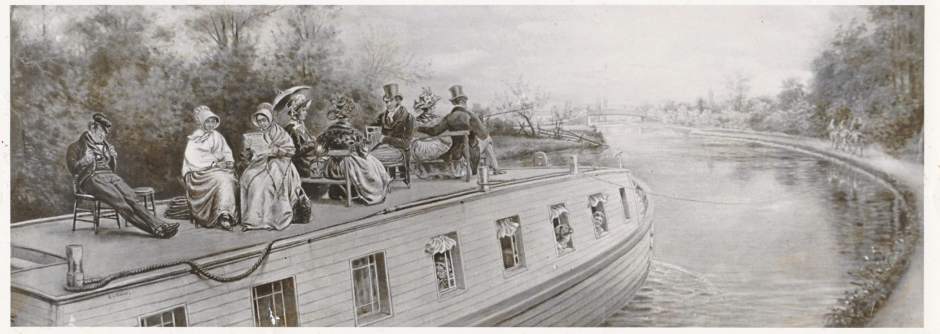
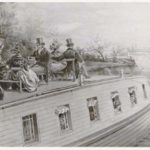
The “steel mill town” that many Leechburg residents recall isn't the beginning of its history, said Larry Boehm, board member of the Leechburg Area Museum and Historical Society. The canal connected Pittsburgh and Philadelphia and allowed for goods to be transported on controlled water instead of the unpredictable rivers.
The canal made it possible for industry to move into Leechburg and be powered by a dam on the canal.
“We didn't have any industry here until 1827 when David Leech (Leechburg's founder) got the contract to build that dam,” Boehm said. “He bought water rights from the canal board and he used that water to power mills.”
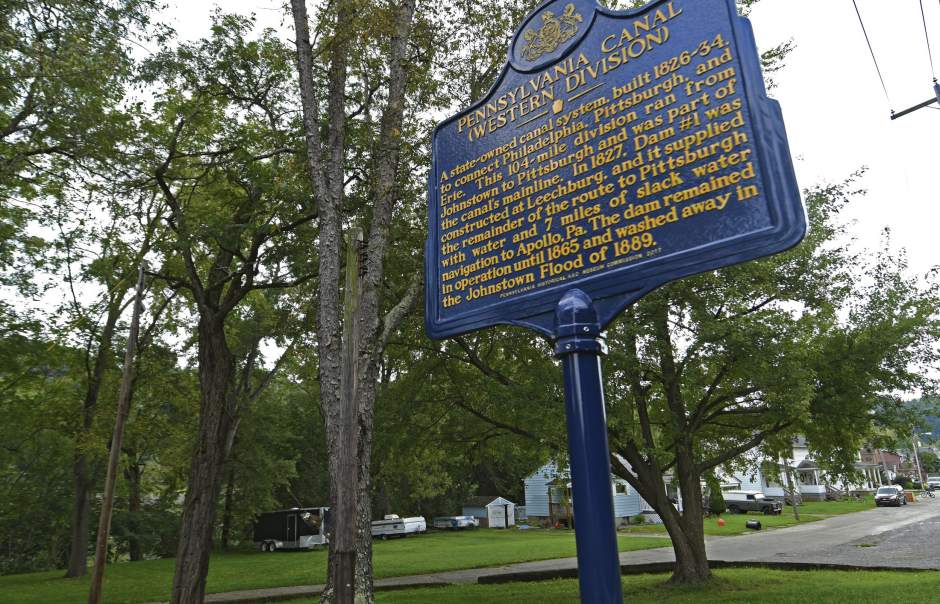
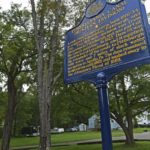
That history is recalled on a new state historical marker along Route 56, near the area of the Hyde Park walking bridge, commemorating the western division of the canal.
Members of the historical society and the state Historical and Museum Commission held a dedication ceremony Saturday to celebrate the marker, which has been about two years in the making.
“Probably about 40 people showed up,” Boehm said. “It was a nice turnout.”
The canal ended up only being in use for about 30 years before it was sold to the Pennsylvania Railroad and filled in for railways. The canal, which cost the state about $50 million to build, ended up taking a huge loss and selling to the railroad for about $7 million, Boehm said.
Despite its brief existence, the canal still made a huge impact on Leechburg.
“A lot of the other towns up and down the Kiski Valley already existed,” he said. “It's important to us because without the canal, we wouldn't exist.”
Judy Wright, president of the Leechburg Area Museum and Historical Society, said Boehm put a lot of work into getting the marker, which cost about $1,700.
“He was the one that initiated it, got the ball rolling, did all the hard work,” she said. “He's the man of the hour.”
The marker has to be reviewed and approved by the state Historical and Museum Commission.
“It's really a partnership in history,” said Howard Pollman, commission spokesman.
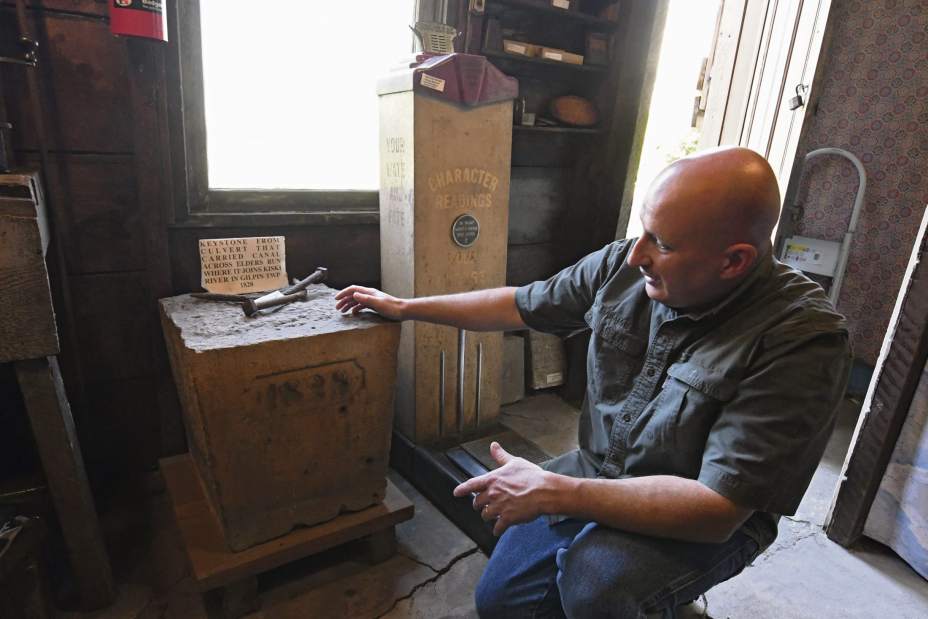
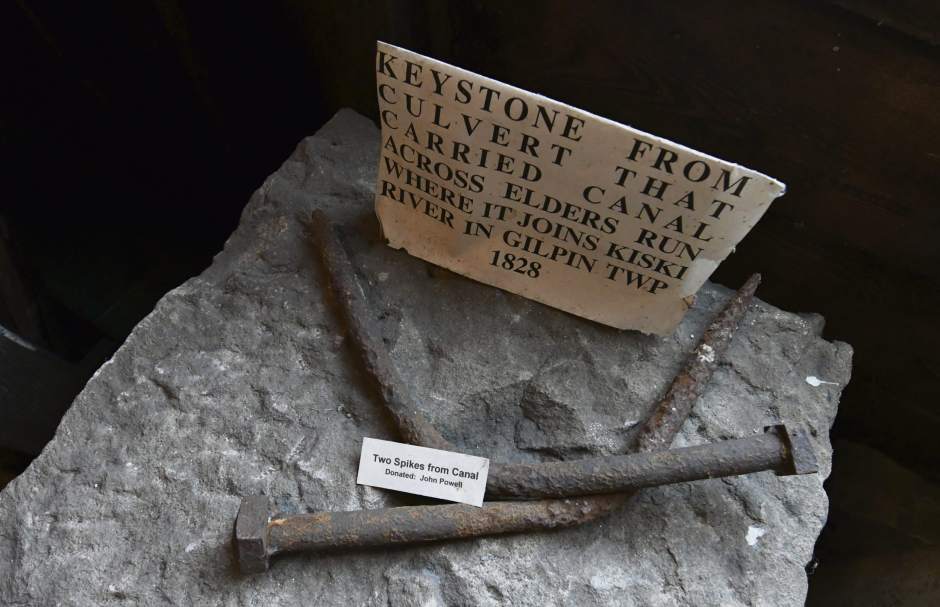
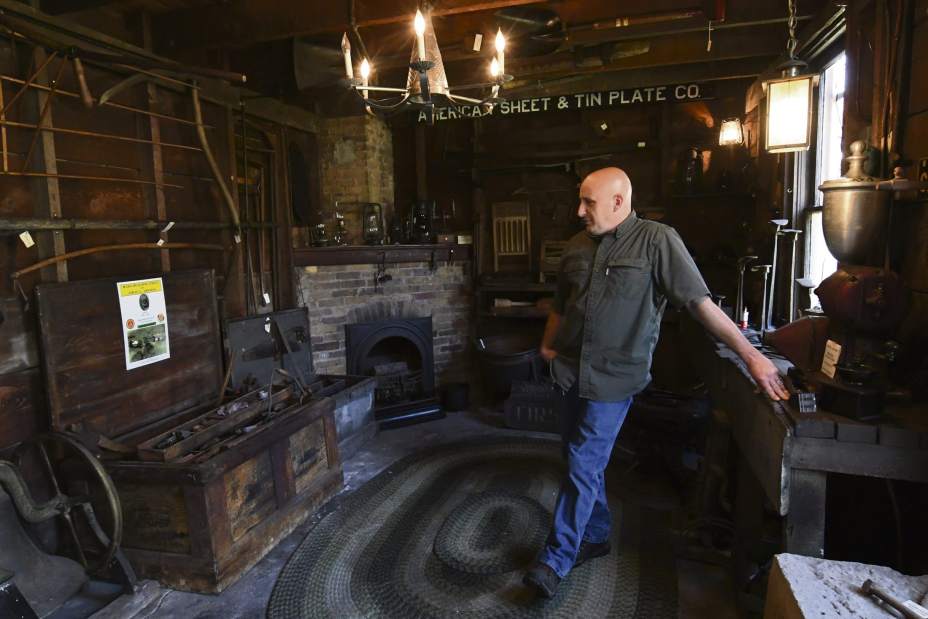
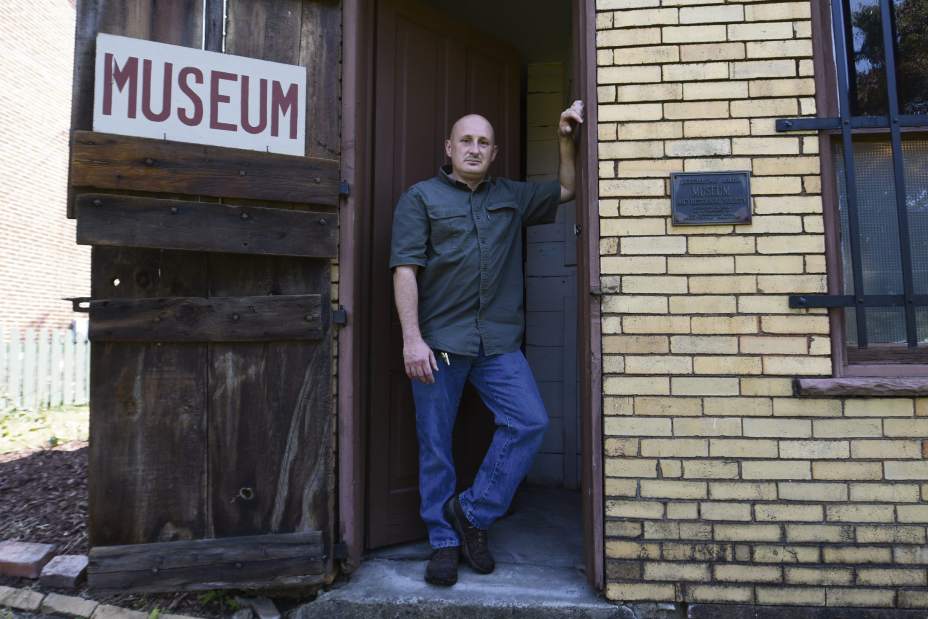
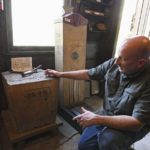
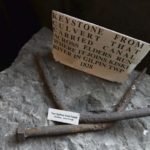
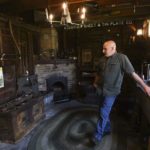
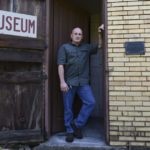
The Leechburg Area Museum has a few items from the canal, but Boehm said the society wanted to take the history outside of the museum so more people could learn about it.
“Outside of the museum, there's really nothing in the town that really tells people coming in and out where they are,” he said. “Those markers are a really great way to do that.”
Emily Balser is a Tribune-Review staff writer. Reach her at 724-226-4680, emilybalser@tribweb.com or via Twitter @emilybalser.
