

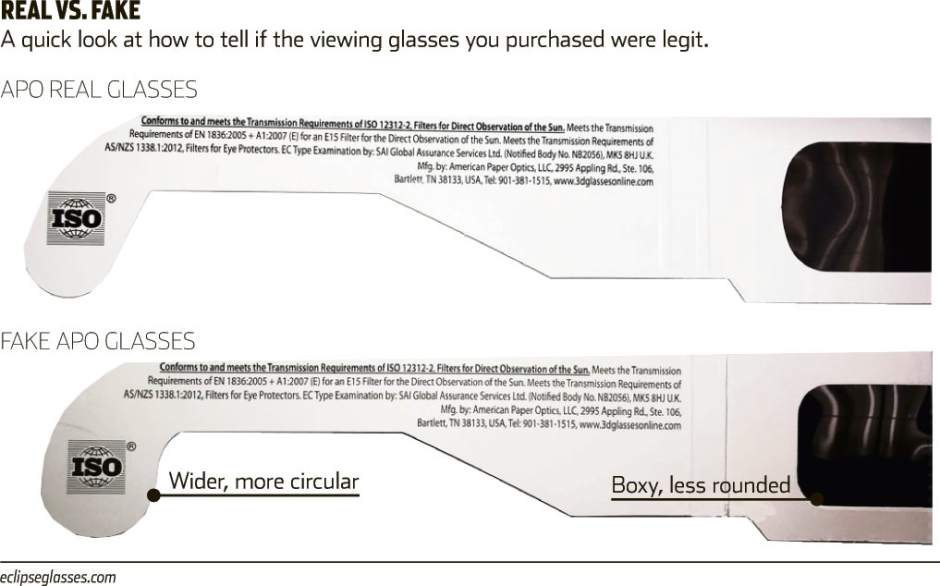
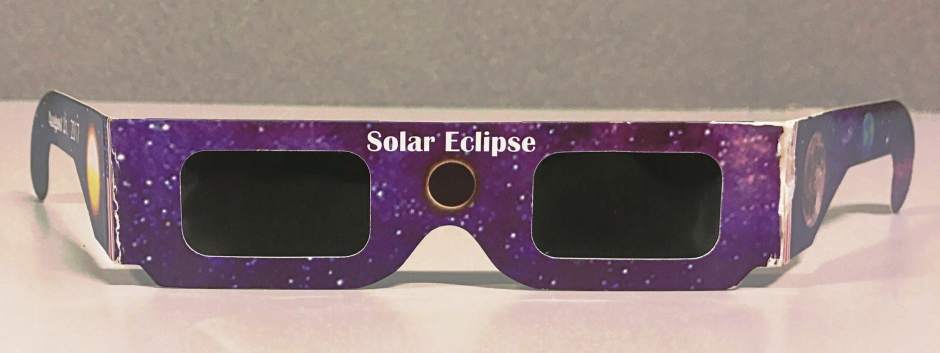
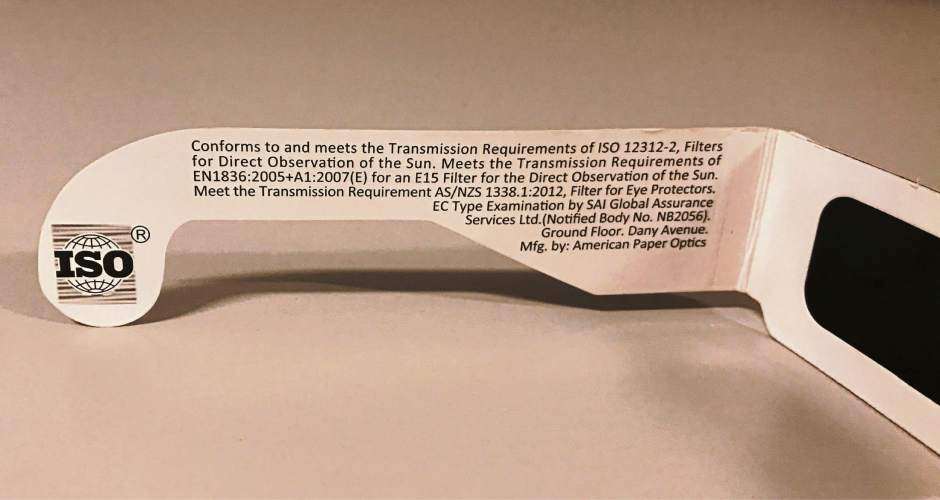
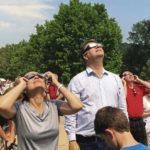
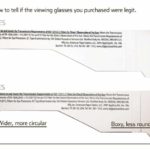
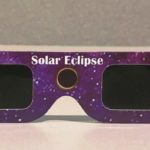
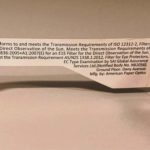
Supposed counterfeit eclipse glasses handed out by the library in Springdale appeared to block just as much light as legit glasses made by reputable manufacturers, according to a test at a University of Pittsburgh laboratory.
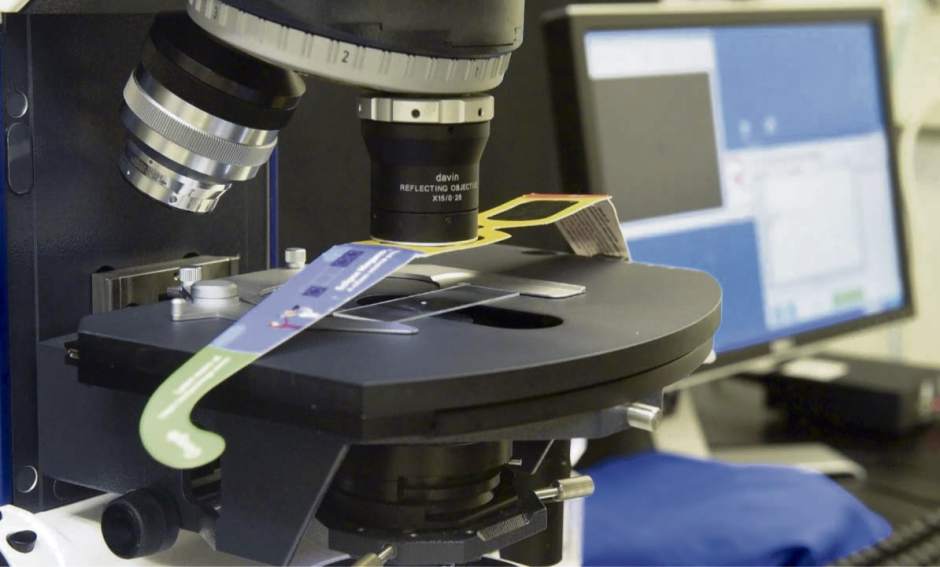
Pitt's NanoScale Fabrication and Characterization Facility in the basement of Benedum Hall in Oakland isn't set up diagnose whether the glasses were safe or not safe but it does have a spectrometer, a $200,000 machine that can measure how much light is blocked or absorbed by different materials.
The tests showed that the glasses used by the Springdale Free Public Library at the eclipse viewing party at the Rachel Carson Homestead, blocked nearly all visible light and most ultra-violet light. The Springdale glasses performed just as well as three glasses from two companies on the American Astronomical Associations list of reputable and authorized dealers.
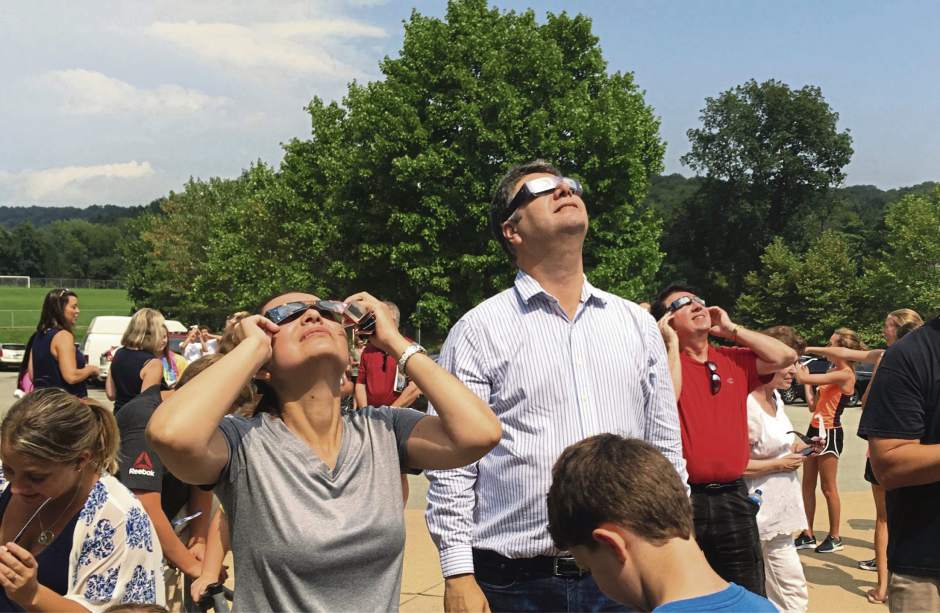
"That's reassuring," said Jim Anderson, president of the library's board. "That further reassures the general public."
Anderson said the library has received no complaints for people who used the glasses Aug. 21.
The NanoScale Fabrication and Characterization Facility is a lab at Pitt that studies nanomaterials, extremely tiny materials. Instruments in the lab are so sensitive that people have to clean their shoes and walk across sticky mats before entering to control contamination.
The lab's spectrometer sits in a room all its own. The machine shines a beam of light through a material and then records how much of the light was absorbed or allowed to pass through. The spectrometer can measure visible light, ultra-violet light and near infrared light.
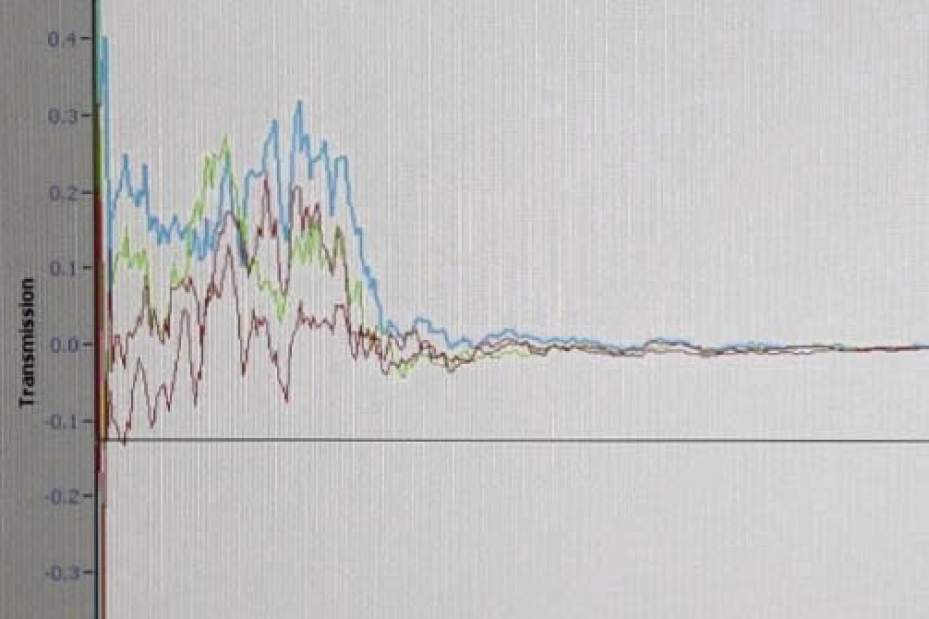
The test started by shining the light through a piece of clear glass to establish a baseline. A line graph on a computer screen next to the spectrometers showed that the glass allowed nearly all light to pass through.
Glasses from Rainbow Symphony and American Paper Optics were then tested. The results showed that the glasses blocked nearly all visible light and allowed only a fraction of a percent of UV light to pass through.
The last pair of glasses to be tested were from the Springdale library. Those glasses claimed to come from American Paper Optics, but the company's president told the Tribune-Review they were fakes.
The result of their test, however, nearly matched the results of the three other glasses.
Anderson hoped that the Trib's tests calm any lingering concerns about the glasses. He said the company the library purchased the glasses from performed its own tests — albeit a bit less scientific.
The library ordered the glasses on Amazon from China-based Wyn-Mart. The library reached out to Wyn-Mart through Amazon and received the following reply:
"We didn't hear issues with the glasses. Also, we had tested for 2-3 mintues continous viewing the sun. There is no ill effect reported. When you see the sun through the glass, the sun is appeared to be dark orange and you won't feel any ill effect. We hired random people to test on continuous basic to make sure they are safe. Because there are many low-quality eclipse glasses were being sold on Amazon. Amazon refunded some customers to cover its potential liabilty."
Even though the Pitt lab isn't specifically set up to test eclipse glasses, a scientist in the lab said it appeared all four pairs brought by the Trib were safe.
