
Construction begins on $780M South Huntingdon power plant

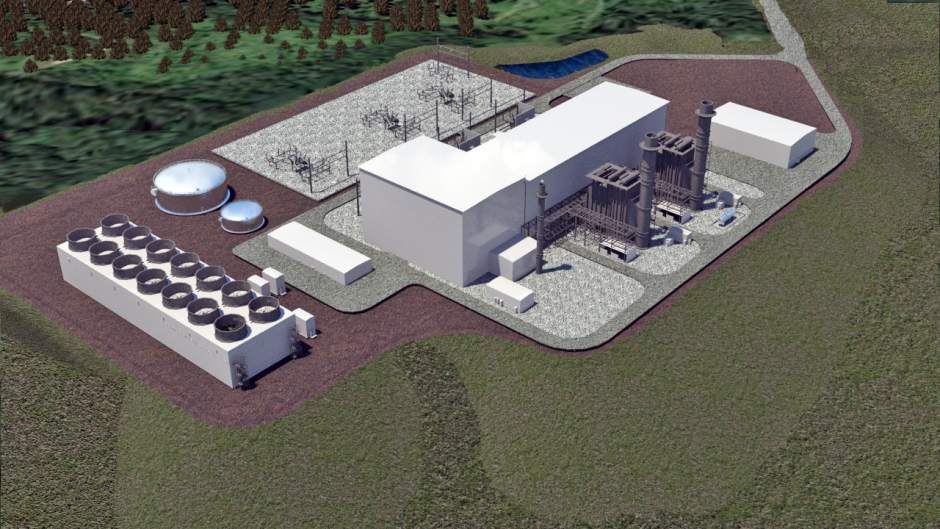
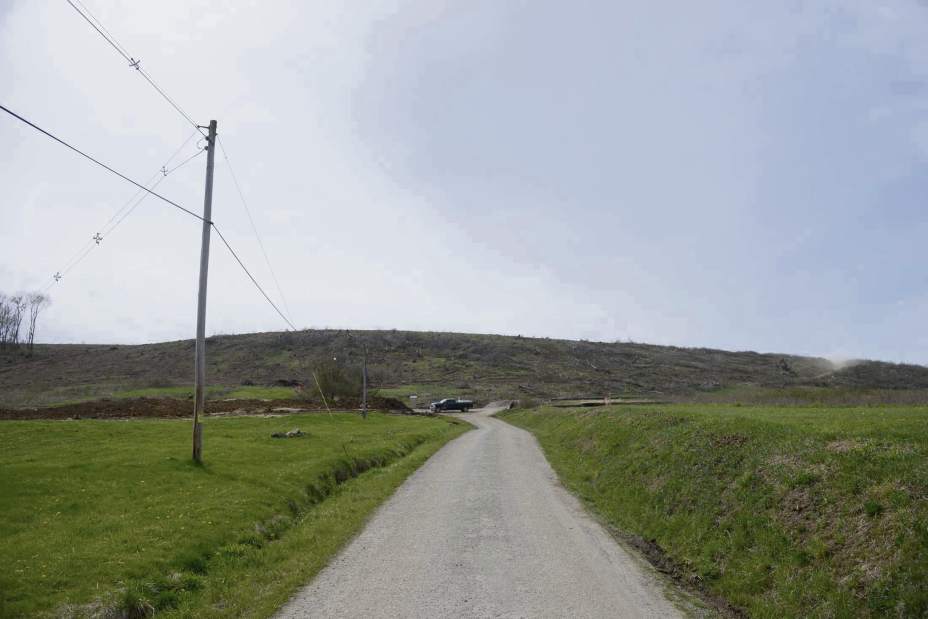
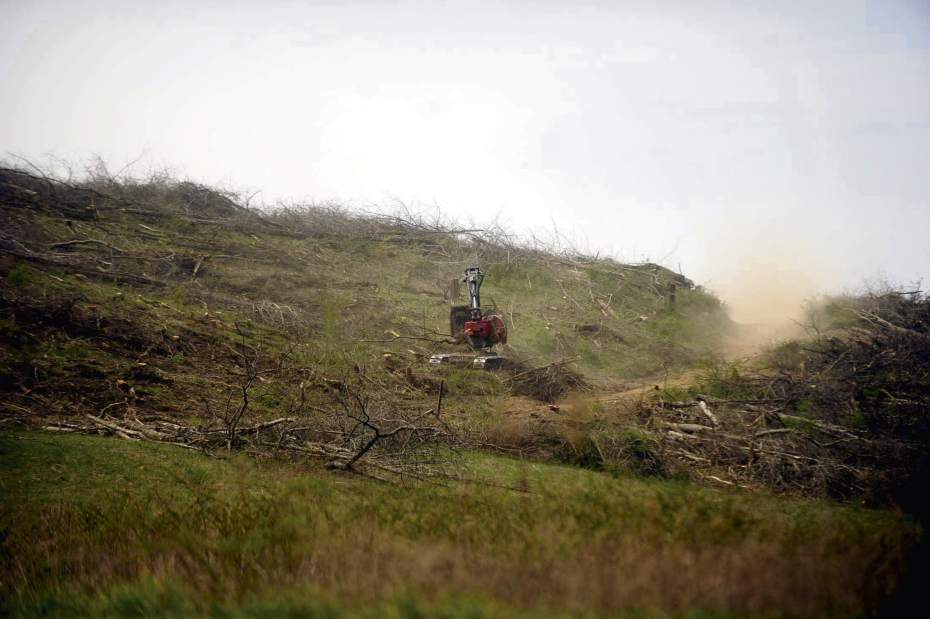
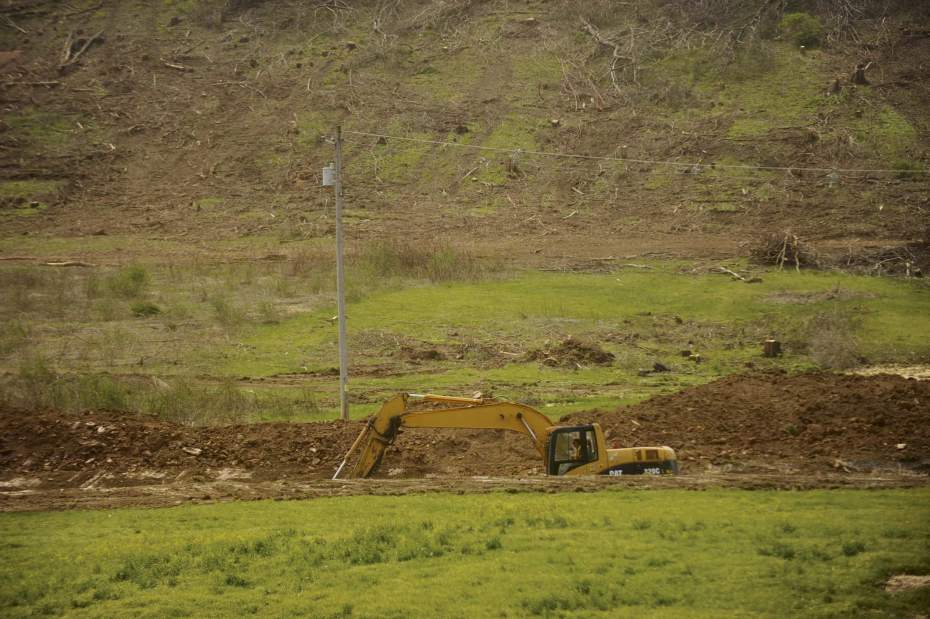
Construction has begun on a long-delayed $780 million natural gas-fueled power plant in South Huntingdon that has drawn fire from environmentalists and neighbors almost since the day it was proposed in 2009.
In those seven years, regulatory hurdles, threats from opponents and a weak market for selling electricity have caused Nebraska-based Tenaska Inc. to delay plans to build the plant on 50 of the 400 acres it owns south of Interstate 70 near Route 31.
But on Tuesday, Tenaska spokeswoman Timberly Ross wasted no words in announcing that the project, which received its final air quality permit from the state Department of Environmental Protection this year, has received full financing and is finally under way.
“It's a go,” she said.
Two natural gas- and one steam-powered turbine will be built at the plant, expected to generate up to 925 megawatts of electricity, enough to serve 925,000 homes along the East Coast, company officials said.
As many as 30 workers have been at the site for the past several weeks preparing the property for construction.
Tenaska officials estimate 300 construction jobs will be created to build the plant over the next three years. About 25 full-time employees will be hired to operate the plant once it is completed in 2018.
“Tenaska typically encourages its contractors to hire and contract locally, whenever possible, and that commitment continues at Tenaska Westmoreland,” said Vasu Pinapati, engineering and construction project director.
Westmoreland County officials said the project will provide a multifaceted boost to the local economy.
“Any project like this is going to be good for the county. They committed to employing county residents for the work,” said Commissioners Chairwoman Gina Cerilli.
Commissioner Charles Anderson said he was glad to see the project finally get off the ground.
“I see this as a bright spot for Westmoreland County. It's exciting, and I'm glad they finally pulled the trigger,” Anderson said.
County Planning Director Jason Rigone called the power plant the county's largest construction project in recent years — and one that is needed.
“With the closure of coal-powered plants in southwest Pennsylvania, we needed to replace the loss in megawatts. Now this clean-burning natural gas plant will certainly help,” Rigone said.
The plant is part of a new wave of construction and proposals from companies looking to take advantage of the oversupply of cheap gas from Marcellus shale wells. Development of larger plants in Pennsylvania such as Tenaska's only recently picked up.
Nationally, natural gas is expected to surpass coal this year as the most dominant source of electricity on the grid.
Moxie Energy in December broke ground on construction of a large gas-fired plant in Luzerne County. Panda Power Funds has been building plants in Bradford and Lycoming counties and is starting another on the site of a former coal-fired plant in Snyder County.
The plant is bringing benefits beyond jobs to Westmoreland County. The company is expected to purchase 8 million gallons of water a day from the Municipal Authority of Westmoreland County for use by the plant once it is completed. That translates to about $2.5 million annually in new revenue for the county, said authority Manager Chris Kerr.
In addition, the company has agreed to pay $30 million to the authority for upgrades to the water system and to install 17 miles of pipe needed to get water to the plant.
“Hopefully, it will help to subsidize future rate increases, stabilize rates,” Kerr said of the project.
Tenaska's announcement ends the fight of St. Vincent College professor Cynthia Walter, a scientist and environmental activist who was one of the leaders of a group opposing the plant.
“There was nothing else we could do to stop it,” Walter said. “The law says the volumes of pollutants released will not likely impact the population, but of course it's problematic. We've asked the company to install real-time air monitors. It's a small thing they can do.”
In 2015, opponents attempted to block approval of state permits needed to build the plant.
Earlier in the year, a Westmoreland County judge issued an injunction barring derogatory statements and threats from being made on social media against the company as it navigated the state approval process. Opponents also were prohibited from coming within 100 feet of company property.
Rich Cholodofsky is a Tribune-Review staff writer.
