

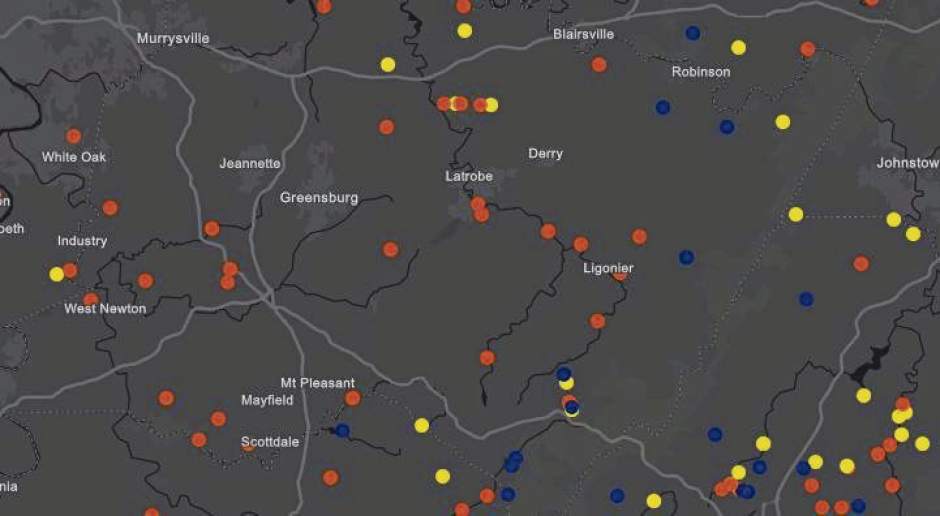

A map near the end of an online presentation by the Department of Environmental Protection on stream quality shows a lot of orange dots in Westmoreland County.
The orange dots show areas where samples found relatively few macroinvetebrates — the insects and other aquatic life that play a key role in a stream's health.
“It doesn't surprise me because Westmoreland County is an agricultural county, not wilderness,” said Timothy P. Savisky, a biology professor at the University of Pittsburgh at Greensburg.
The presentation, “Looking Below the Surface,” can be viewed at https://www.depgis.state.pa.us/macroinvertebrate/index.html .
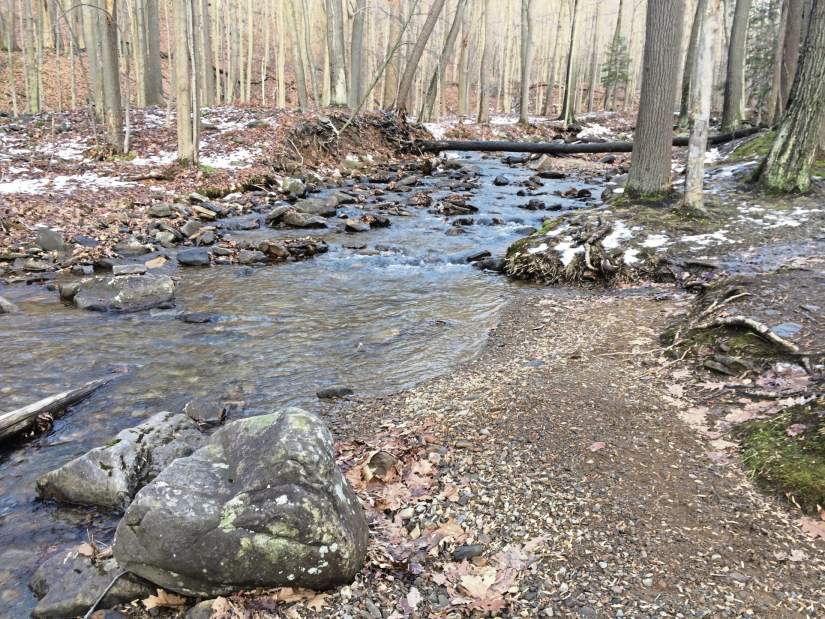
A pervasive problem in the world is that when people clear land for farms or other development, they tend to cut down the trees lining stream banks, he said.
That leads to more sediment in the streams, which fills in the cracks and crevices where aquatic life breeds.
“A good healthy stream around here has a lot of gravel,” he said. “When you coat it with sediment, you lose that.”
The loss of the tree canopy also removes one of the main food sources for aquatic life: the leaves and organic compounds that the trees release into the stream.
A third impact is that trees moderate temperatures, keeping the stream cooler in the summer and warmer in the winter.
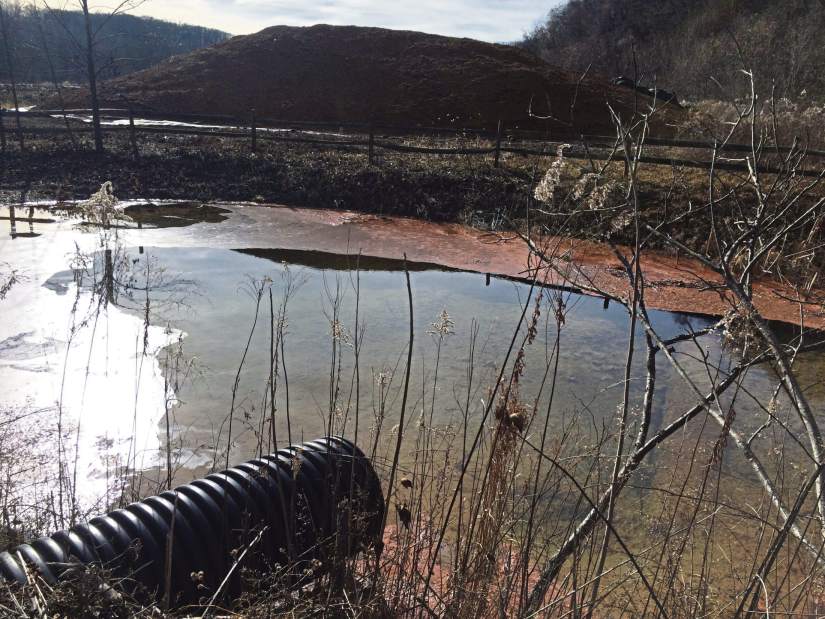
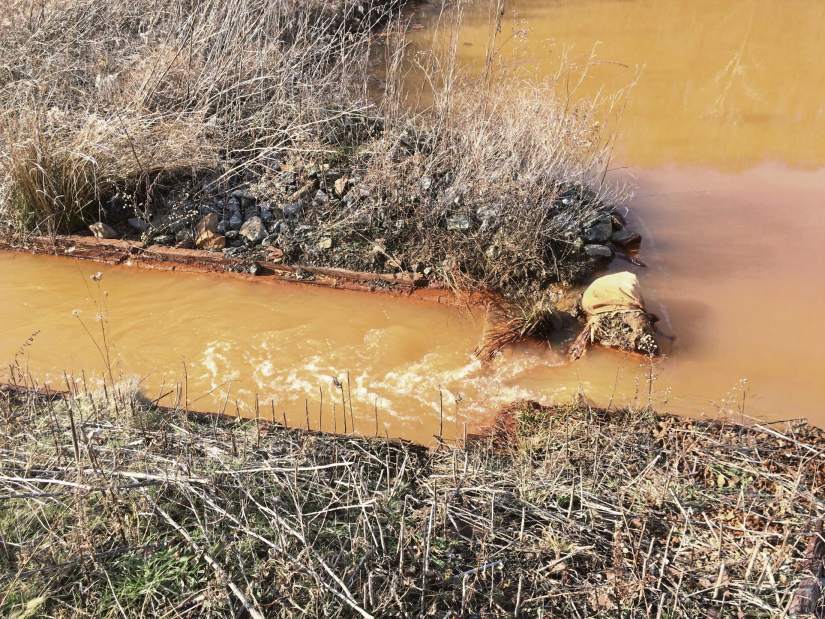
The county also has a legacy of abandoned coal mines whose acid mine drainage worsens conditions in the streams unless it's treated.
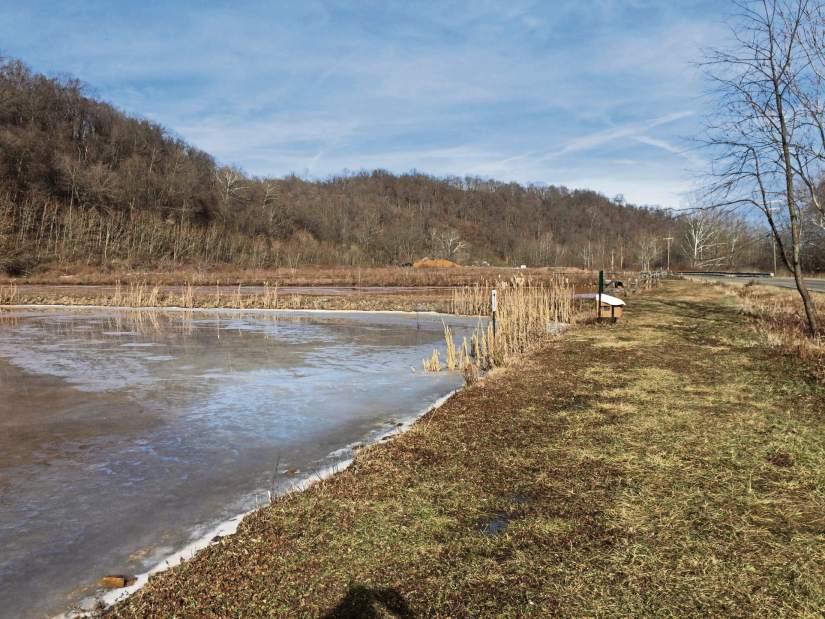
Savisky serves on the board of the Sewickley Creek Watershed Association, which in 2006 built a passive treatment system in Lowber to keep iron-laden water from the old Marchand Mine from polluting Sewickley Creek.
“Generally, abandoned mine drainage, stormwater runoff, and agriculture are major sources of waterway impairment,” said Lauren Fraley of the DEP. “Much of Southwestern Pennsylvania is developed, and we have a significant number of abandoned mines.”
In addition to macroinvertebrates, the DEP looks at several other factors in setting pollution discharge limits for streams, she said.
The 2016 integrated water quality report separates streams into two colors: red for impaired and green for not impaired. It can be viewed at http://www.elibrary.dep.state.pa.us/dsweb/Get/Document-116746/01%202016_IR_Narrative-Final.pdf .
In addition to removing acid mine drainage from streams, planting trees along stream banks would improve their quality, Savisky said.
“That's one of the simplest things you could do to restore the streams, but it takes a lot of manpower,” he said.
Brian Bowling is a Tribune-Review staff writer. Reach him at 724-850-1218, bbowling@tribweb.com or via Twitter @TribBrian.
