

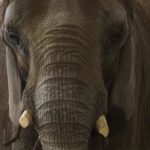
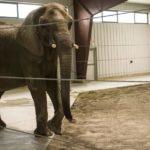
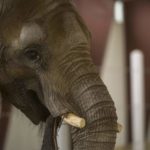
Unlike the zoo in upstate New York that broadcast the birth of a giraffe to the world in April, there will be no cameras when an elephant gives birth at the International Conservation Center in Somerset County.
The top concern for a pregnant elephant from Botswana is the safe delivery of a healthy calf, center officials said Wednesday. Its crew, which is affiliated to the Pittsburgh Zoo & PPG Aquarium, has not even done a gender test.
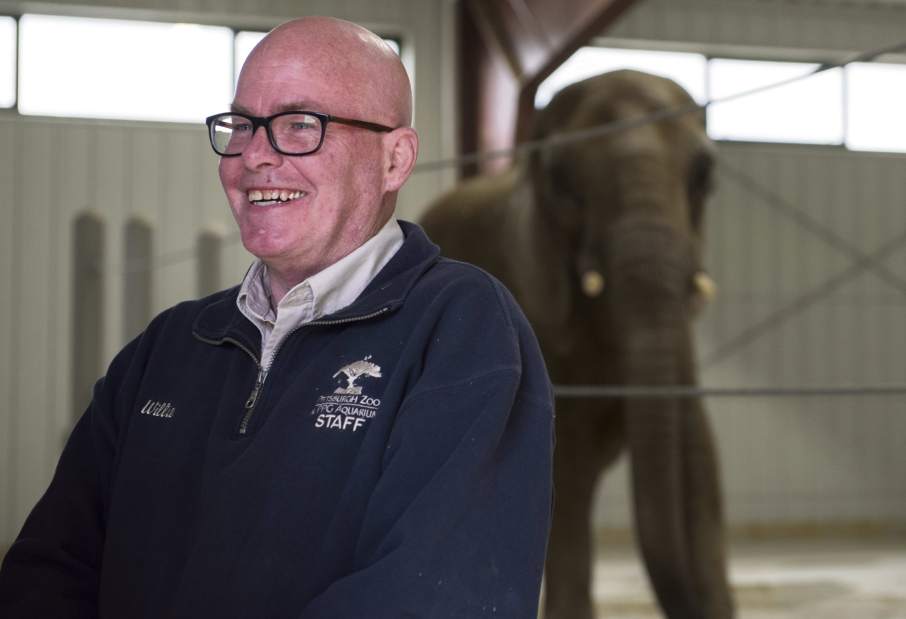
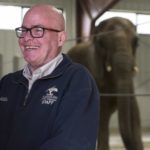
"We're most concerned with (the mother and her calf's) health," said Willie Theison, program manager at the conservation center and Pittsburgh Zoo Elephant Program.
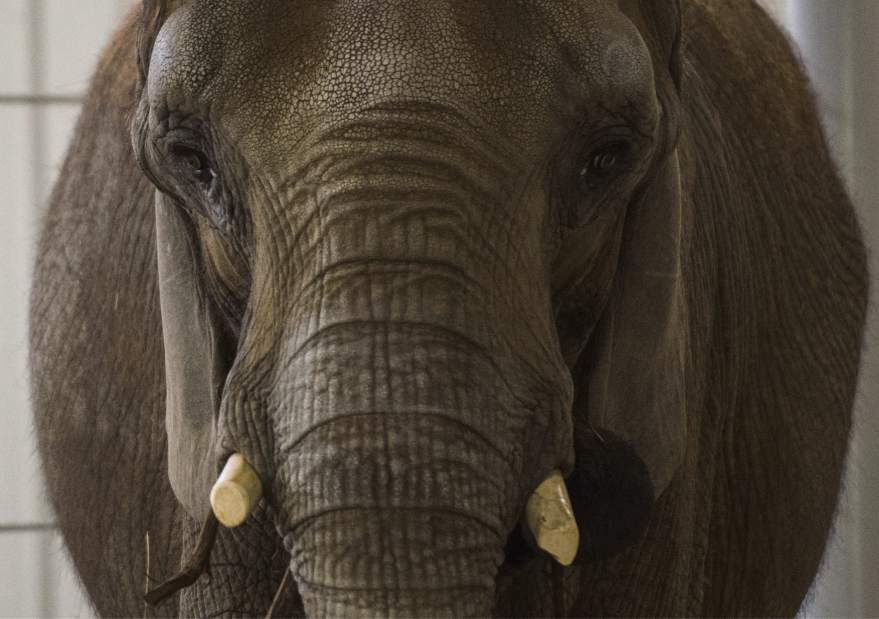
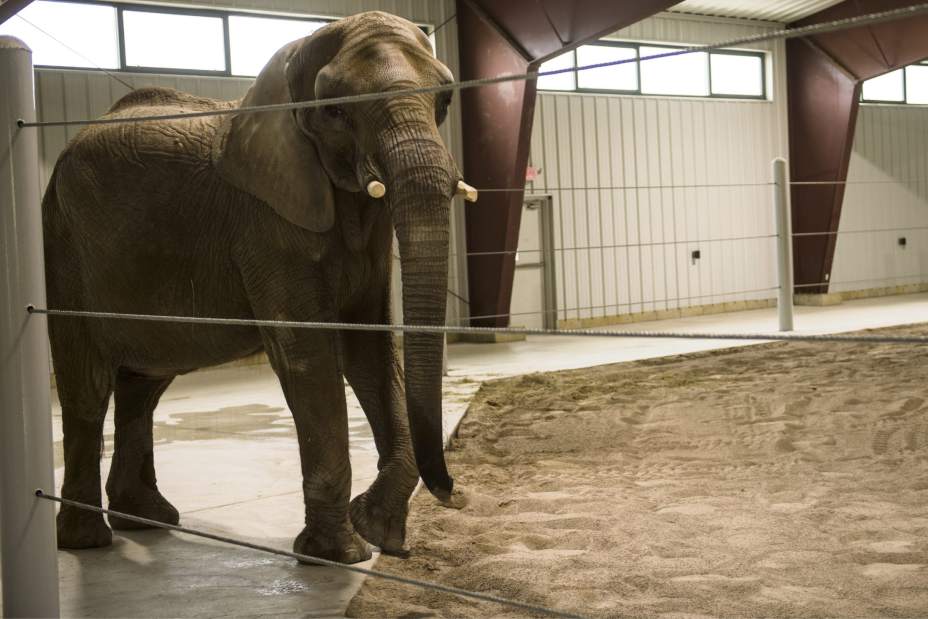
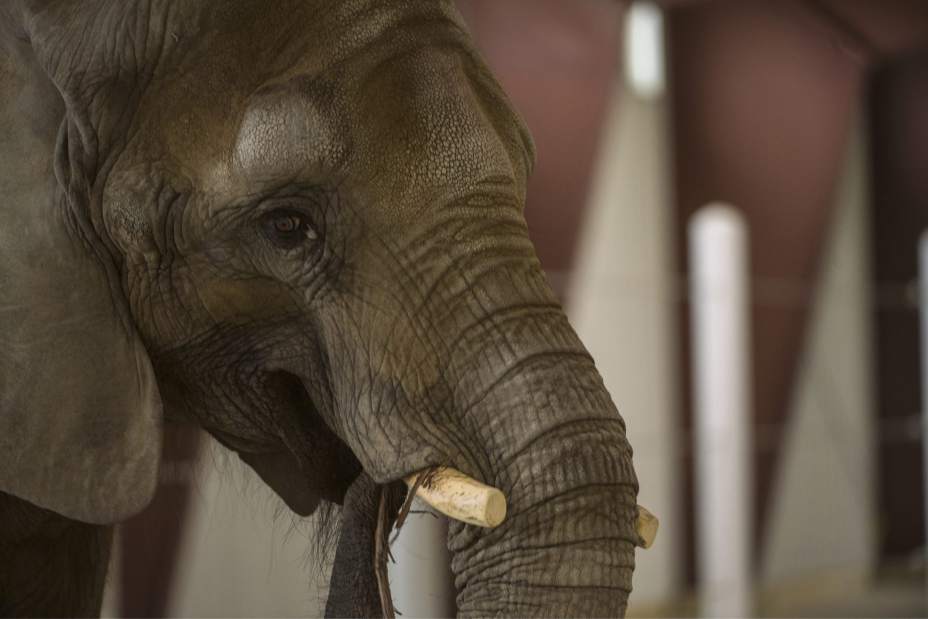
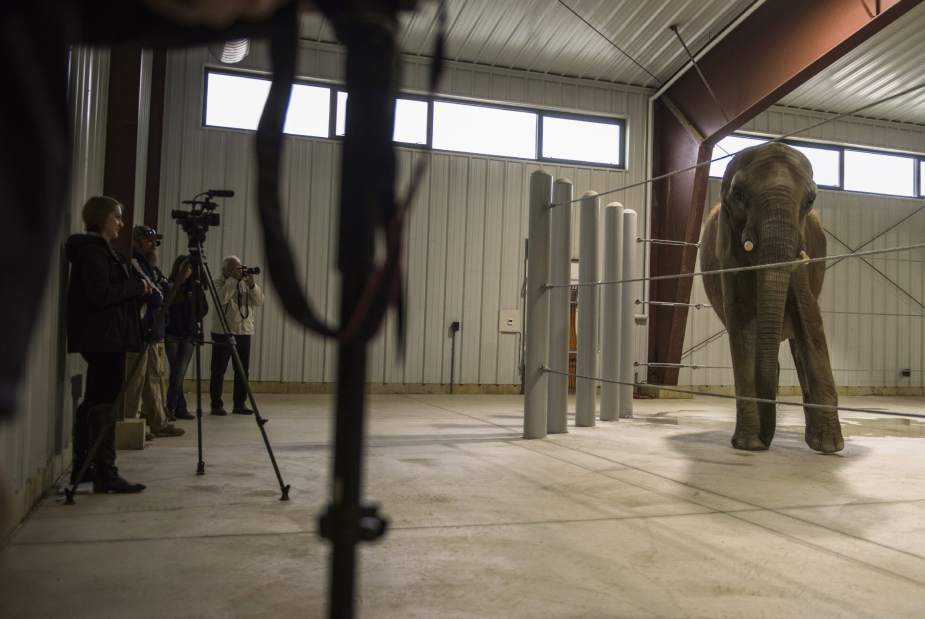
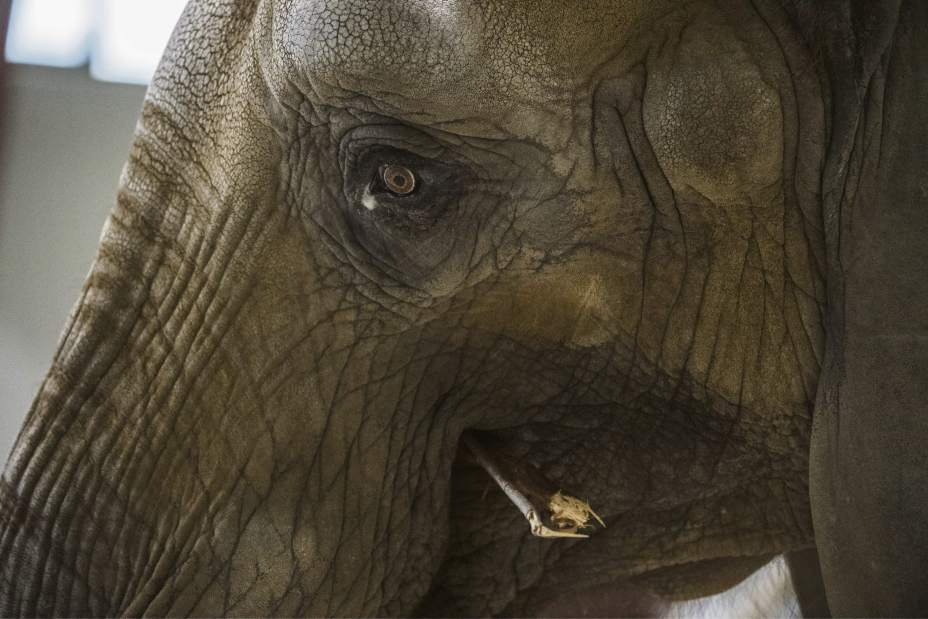
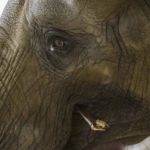
The center, located on 700 secluded acres in southeastern Somerset County, houses four female African elephants and one male. Seeni (pronounced 'See-Knee'), a 23-year-old that the Pittsburgh Zoo rescued from Botswana in 2011, is expected to give birth to her second calf in June or July.
Three females from the center bred naturally with the zoo's bull elephant, Jackson, officials said. An ultrasound, and later a blood test, revealed that only Seeni was pregnant.
The average gestation period for an elephant can be up to 22 months, so the staff at the maternity center is excited about the long-awaited birth.
"It's very exciting times," Theison said of the newborn, which likely will weigh in at more than 200 pounds.
Still, he's concerned.
Seeni gave birth to a calf while living in captivity at Okavango Delta in Botswana. Three weeks later, the calf died because Seeni rejected it.
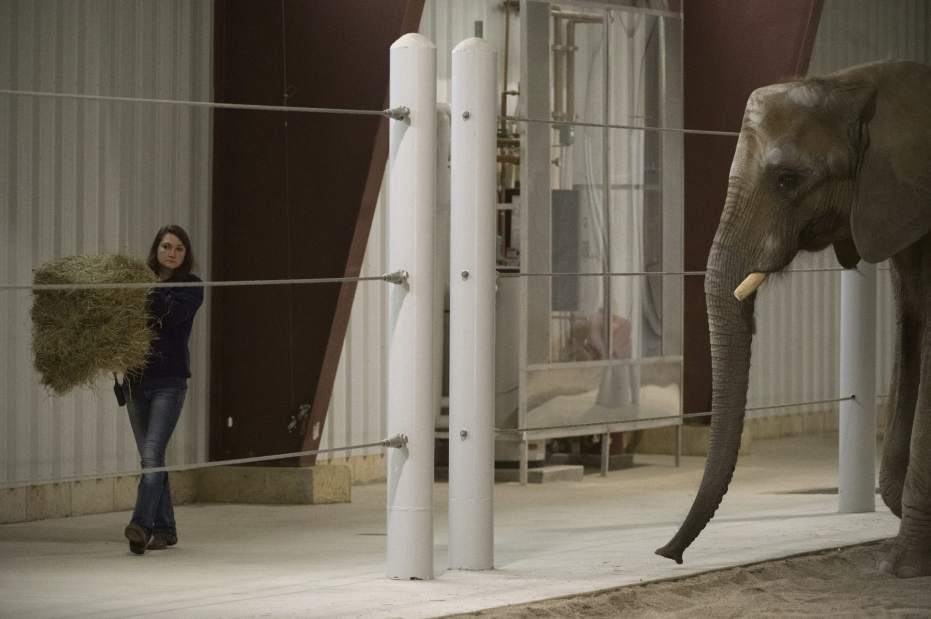
"So our big concern that she'll reject the baby," he said. The staff is working to gain Seeni's trust so when the calf is born she is comfortable with having humans around to help raise it.
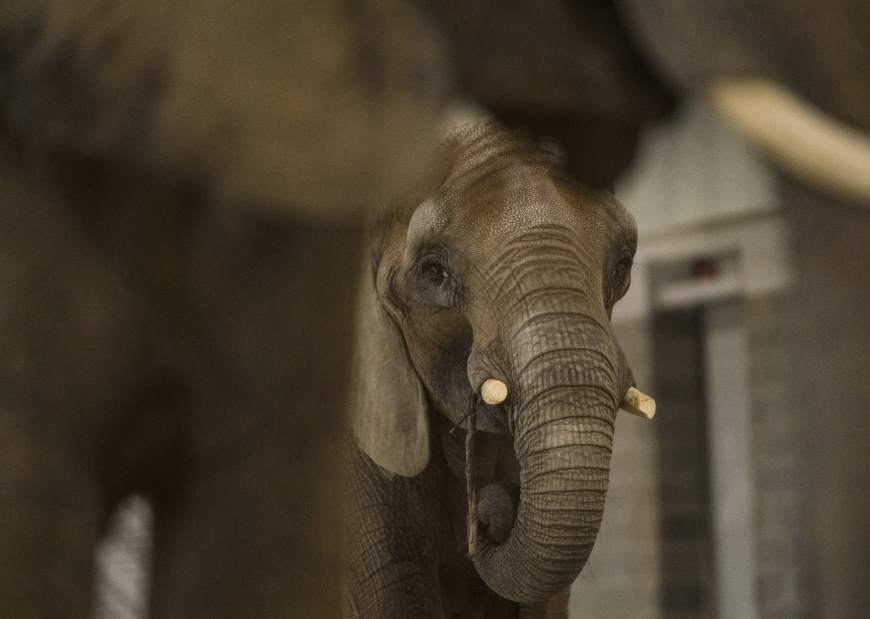
If Seeni rejects the calf, Theison and his staff will move it to the Pittsburgh Zoo, which has six elephants. The idea is to socialize the calf, which is vital to its survival, Theison said.
"It needs a social aspect to survive. So we'll move the baby (to the zoo) to live in a 'herd,'" Theison said.
A successful birth and subsequent healthy upbringing means new genetics, which is important for conservation purposes of the elephants in North America.
"The infusion of new genetics is important to secure a future for African elephants in North America," Barbara Baker, president and CEO of the Pittsburgh Zoo and PPG Aquarium, said in a news release. "Every day we hear about poaching and human-elephant conflict due to habitat loss. All of these are taking a toll on elephant populations."
The African elephant population has dropped by up to 50 percent because of the high demand for its ivory, according to the U.S. Fish and Wildlife Service, despite international efforts to curb it. The species was listed as threatened under the U.S. Endangered Species Act in 1978.
Elephants kept and raised at the Somerset center won't return to the wild, Theison said.
"They all stay here because it's too risky to put them back. There's poaching," he said. Instead, elephants like Seeni are bred for new genetics and used as educational ambassadors.
"In the wild, they do a lot of seed dispersal and they provide so much for other animals. ... They can create water holes. So without them … it wouldn't be good," Theison said.
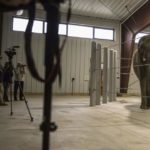
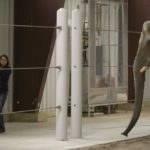
The Somerset facility opened in 2006. It includes a 26-acre paddock, a 34,000-square-foot maternal care center, a 16,000-square-foot indoor arena lined with 24 inches of sand, eight stalls and a water reclamation system that captures rainwater.
The center is "the premier conservation, research, education, breeding and training facility, specializing in the care and breeding of African elephants," according to its website.
Pittsburgh Zoo and PPG Aquarium spokeswoman Tracy Gray said the facility will be expanded in the future to include other endangered animals.
"We want to create an opportunity to save them here in the U.S. and support research in the wild," she said.
The public can donate to the zoo's African elephant conservation efforts online or by mailing a check.
Dillon Carr is a Tribune-Review staff writer. Reach him at 724-850-1298, dcarr@tribweb.com or via Twitter @dillonswriting.
