

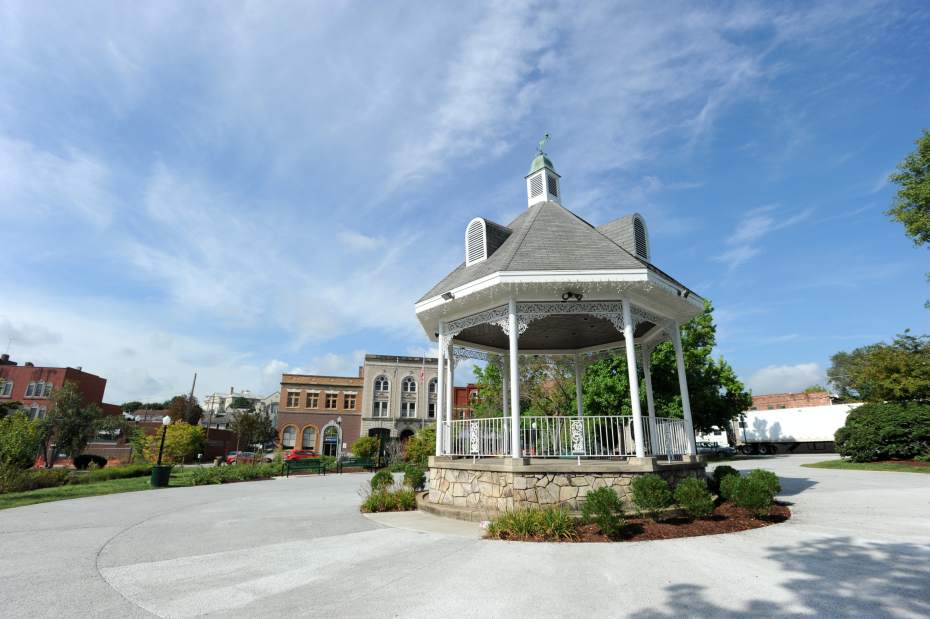
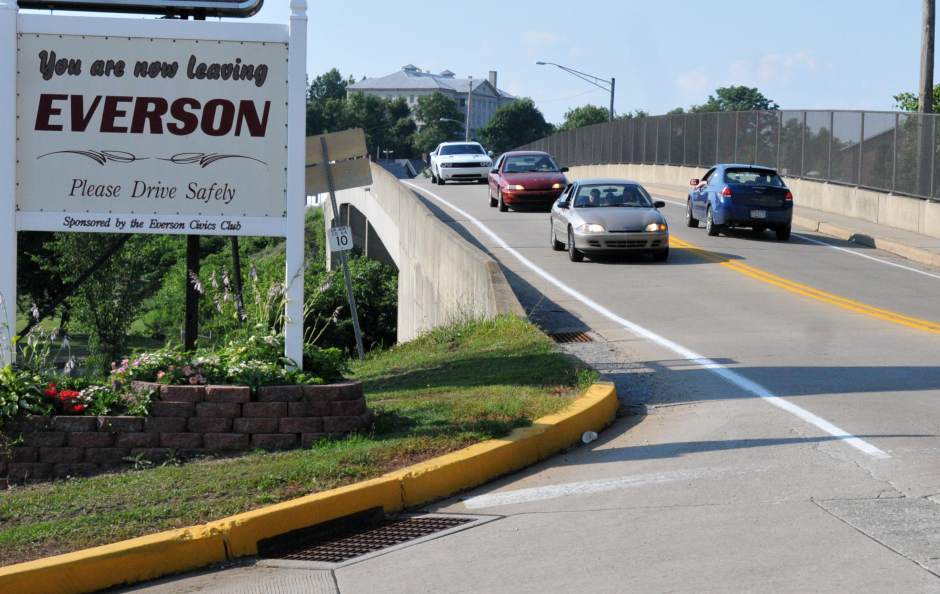
Scottdale was incorporated in 1874 from land in East Huntingdon Township, Westmoreland County. Everson — on the other side of Jacobs Creek in Fayette County — was established in 1903 on land from Upper Tyrone Township, according to information from two texts on the history of the towns.
Those texts were “Scottdale 100 years” by the Scottdale Centennial Association and “Scottdale's 75 years of progress” by Scottdale's 75th Anniversary Celebration Inc.
But the history of the two boroughs goes farther back.
Jacobs Creek reportedly was named for Chief Jacob, a Delaware subchief who maintained a log cabin near Iron Bridge. The creek runs between Scottdale and Everson.
Native Americans from the Delaware, Wyandot and Shawnee nations, all dominated by the Iroquois Confederacy, inhabited the area.
Farming, associated needs
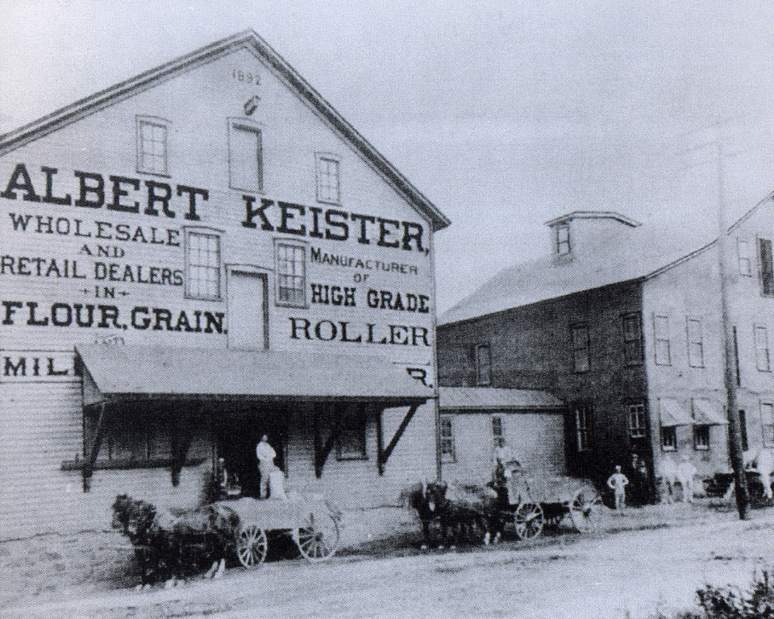
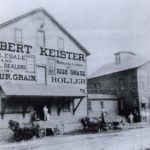
Early European settlers traveled to the area to take advantage of the fertile land and natural resources, including iron ore. There also were farms, and one of the first industries, a grist mill, gave the growing settlement its name, Fountain Mills.
The grist mill was complemented by a distillery, saw mill, carding mill, cooper shop and stables.
The earliest agreement filed for the area was one between John W. Stauffer and John Wallace.
Various small enterprises grew, were transferred, then replaced by other industries.
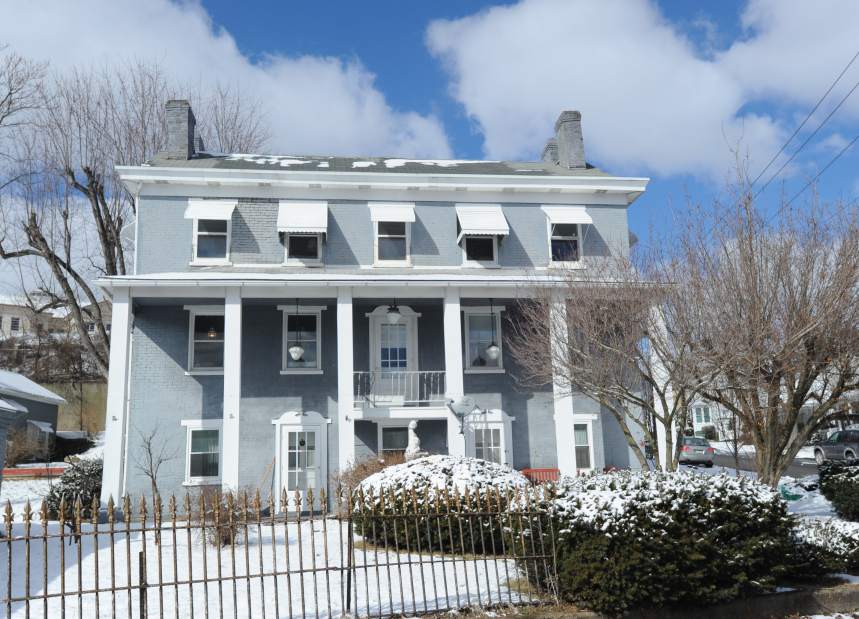
The oldest house still standing in Scottdale, at 115 Walnut Ave. near South Broadway, was built by Jacob S. Loucks in 1853. Loucks, his brother, Peter, and their sister, Catherine, laid out the borough.
The first lots were sold in 1872.
Coal, iron and railroads
The coal and iron ore seams beneath the area and in the nearby mountains brought the railroads to Scottdale.
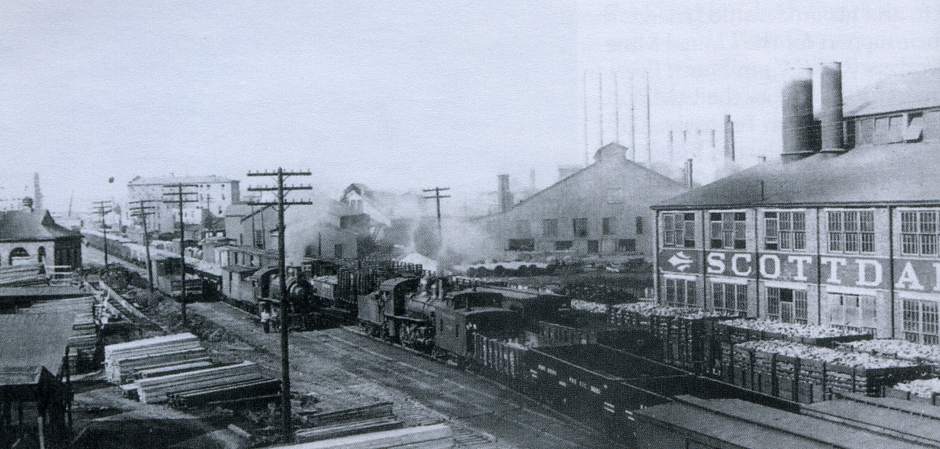
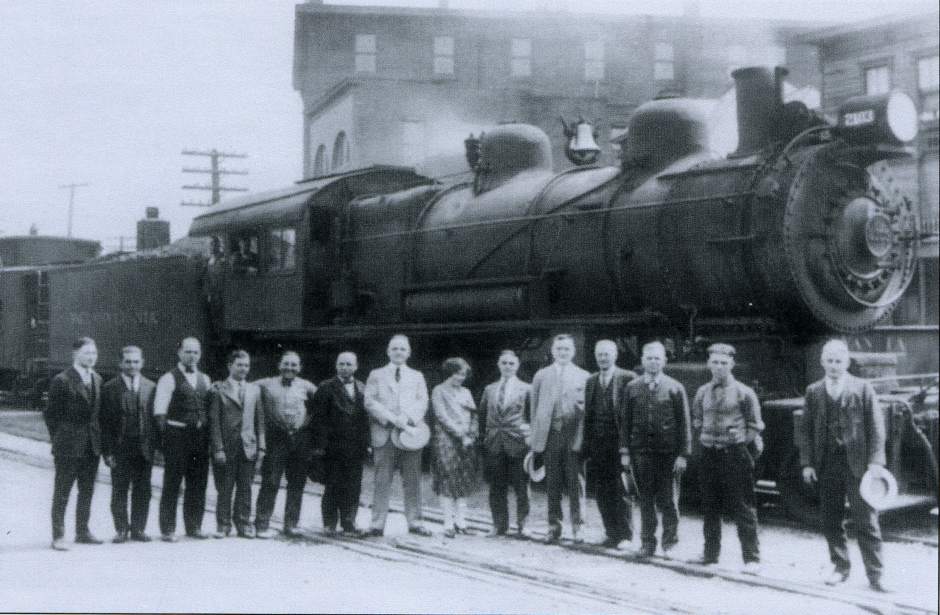
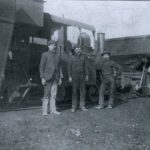
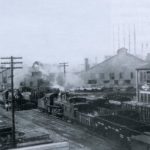
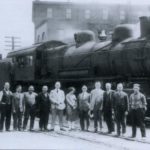
The Pennsylvania Railroad reached Fountain Mills in 1873. The borough is still served by SWP Railroad, part of Carload Express. It operates a rail yard and service facilities in Scottdale.
The growing community's was changed in honor of Col. Thomas A. Scott, the assistant secretary of war during the Civil War who became president of the Pennsylvania Railroad.
The Mt. Pleasant branch of the B&O reached Everson in 1871.
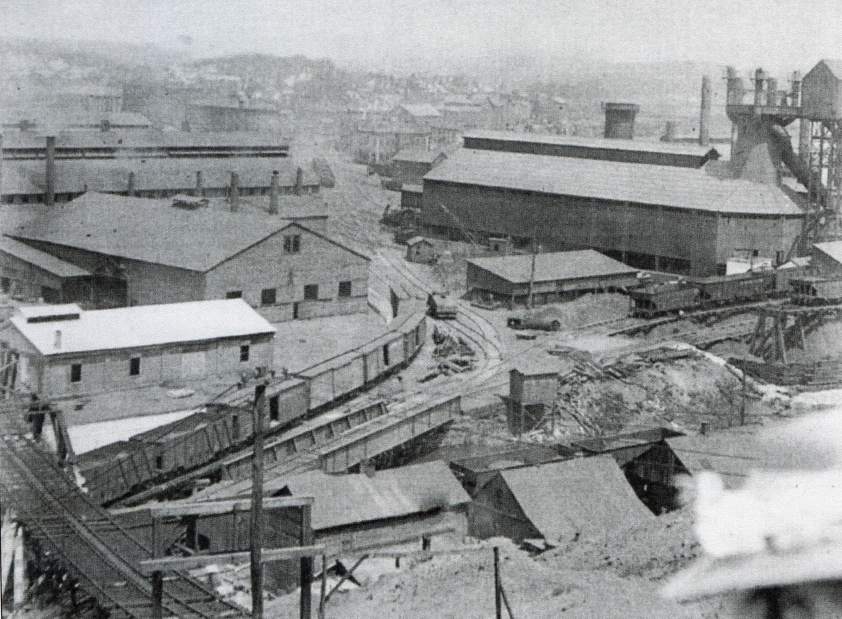
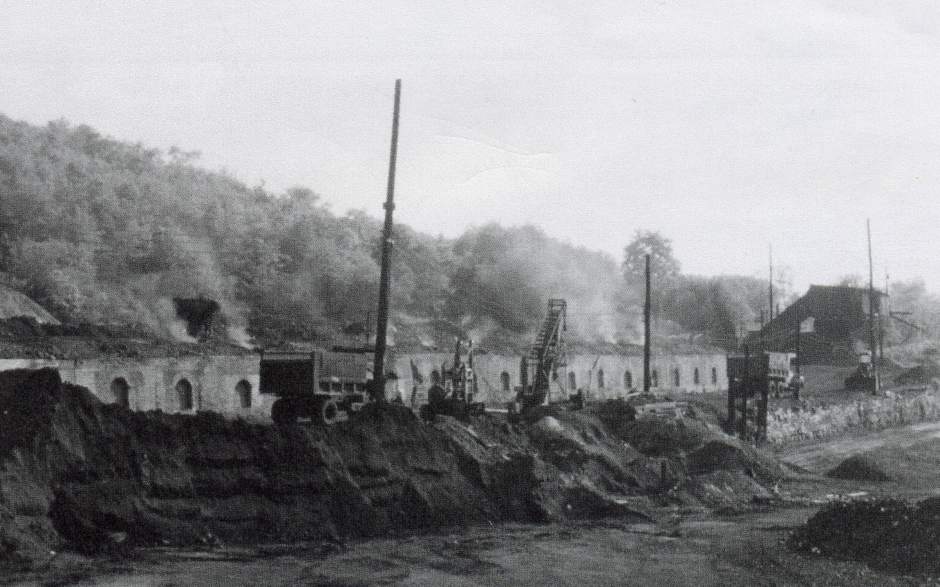
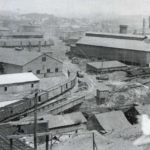
With the plentiful raw materials available nearby, the coal, coke and iron industries and facilities flourished.
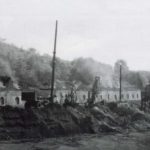
In 1872, the Charlotte Furnace, a blast furnace, was built to process iron ore and coke.
Other associated industries followed.
H.C. Frick, the coal and coke baron who was born and raised in West Overton, soon bought into the mines and coke facilities.
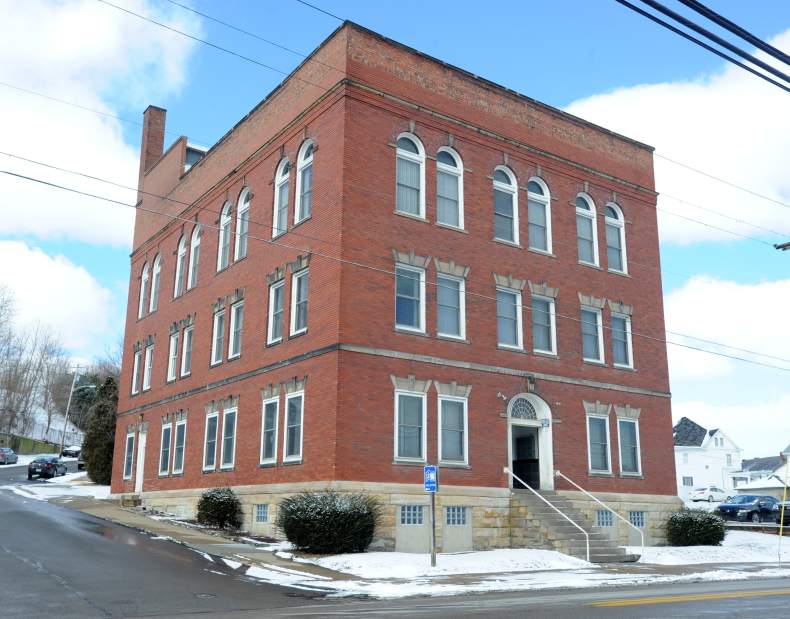
To house his headquarters, Frick built two structures close to the railroad station along Broadway in the early 20th century.
A wood planing mill was built in 1873 to provide finished lumber.
A steel rolling mill — the Old Meadow Rolling Mill — a company that manufactured mining machinery and a plant that made caskets were started. In 1898, National Foundry and Pipe began production. Soon, a daily train operated by the Pennsylvania Railroad — “the Pipe Mill Special” — began traveling between the plant and Youngwood, hauling large sewer castings to points across the country.
The Mennonite Publishing House, which opened in Scottdale in 1908, grew so large the Scottdale post office was expanded to handle the shipping. The publishing house has since closed.
Railroads provided transportation to the outside world.
The Pennsylvania Railroad built a wood station in Scottdale. It was rebuilt in the 1990s and became a station for the Laurel Highlands tourist railroad.
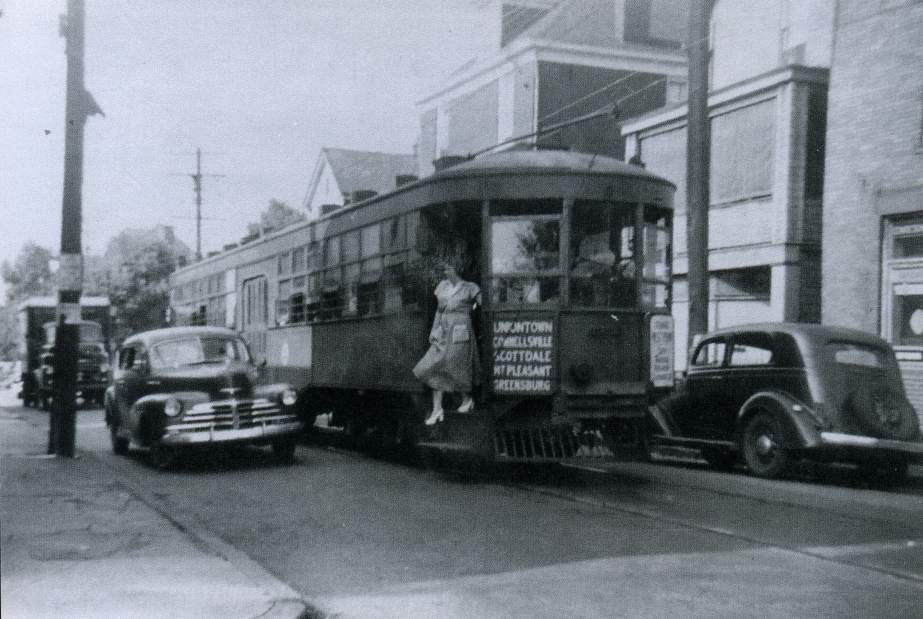
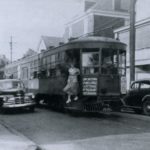
Street cars ran between many communities beginning in 1904. By 1952, all had ceased operations.
Library, newspapers and theater
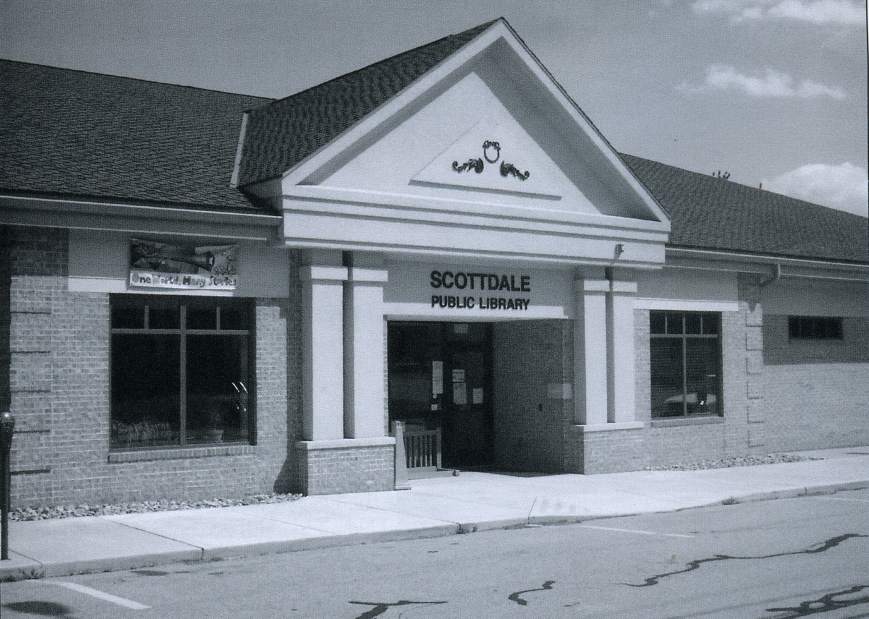
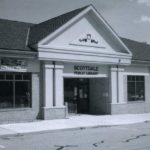
Scottdale Public Library started in 1910 with a gift from A.L. Keister. The library continues to operate, moving to several buildings before a new one was completed in 2008.
A number of newspapers were started in Scottdale. The first, The Scottdale Tribune, began publishing in 1880. The Scottdale Rural Free Press, the Scottdale Herald and the Miners Record were among the others.
The community's weekly paper, the Independent Observer, is owned by Trib Total Media.
The Geyer Performing Arts Center at 111 Pittsburgh St., near the intersection with Broadway, was built in 1900 as the Geyer Opera House, according to several websites. It later was converted into a movie theater and renamed The Strand Theater. It closed about 1971.
The theater was renovated in the 1980s and reopened in 1988 as a nonprofit center offering plays. Another theater, The Arcade, also operated in Scottdale.
Everson
Everson grew at the same pace as its neighbor.
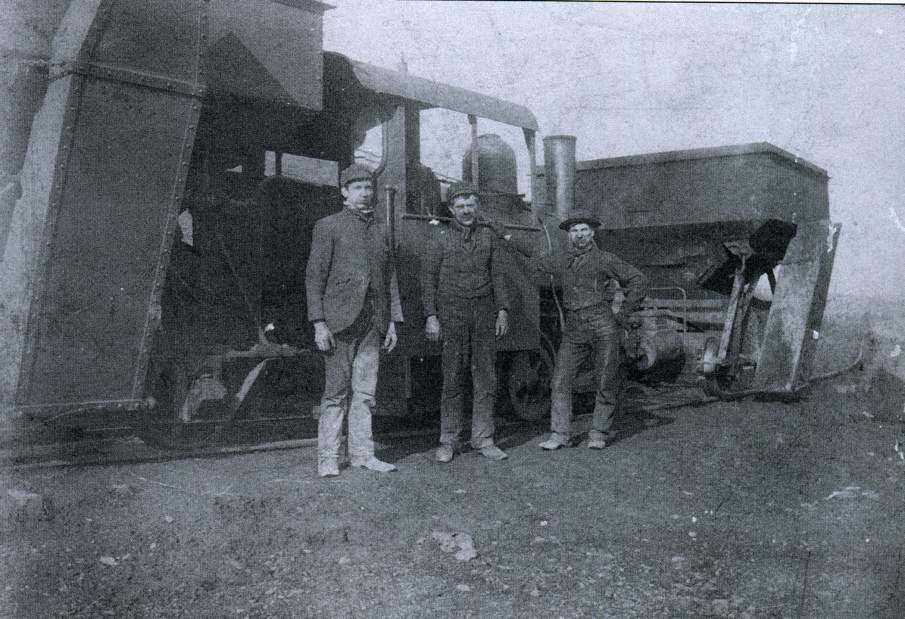
Frick built a large repair shop in Everson for his mining equipment.
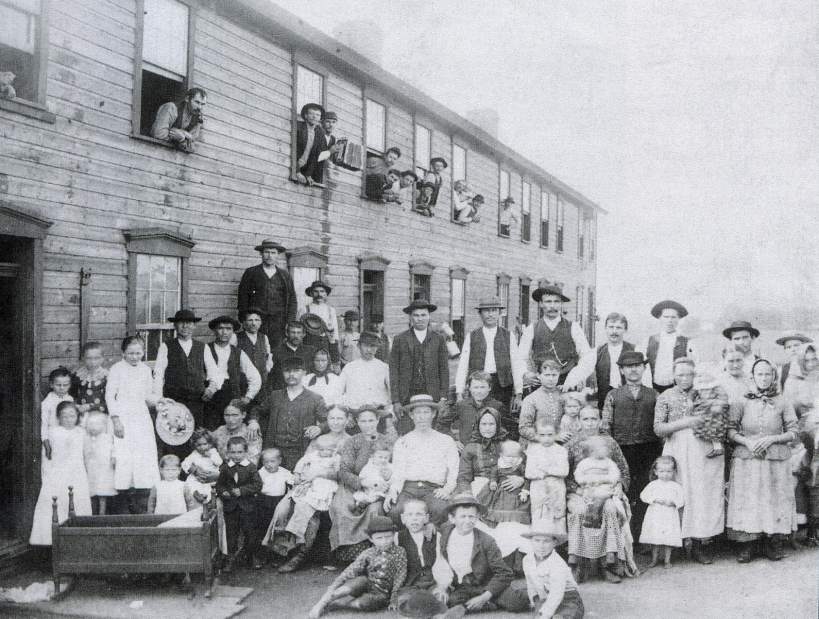
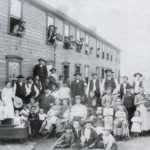
Miners and their families lived in company houses Frick built in Upper Tyrone Township and worked in the coke ovens and mines nearby.
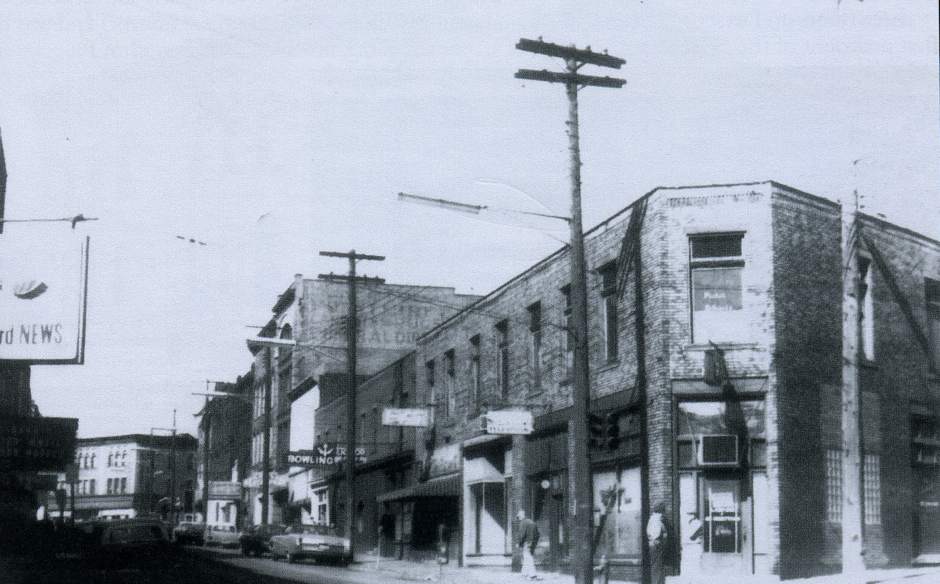
Everson continued to prosper, with old Route 119 running through town. According to council President Mike Banaszak, that ended in the 1960s when PennDOT rerouted Route 119, bypassing Everson.
PennDOT also mandated no parking along the main street, according to Banaszak.
A host of other companies set up shop in Scottdale and Everson, some growing and expanding, others foundering in the depression of the 1930s or when the coal and iron ore began to run out.
Magnablend, a custom chemical blending, manufacturing and packaging company, was on Feed Mill Road. The operations in Everson were purchased by Univar, a supplier of the Marcellus shale gas drilling industry.
Karl Polacek is a staff writer for Trib Total Media. He can be reached at kpolacek@tribweb.com or 724-626-3538.
