

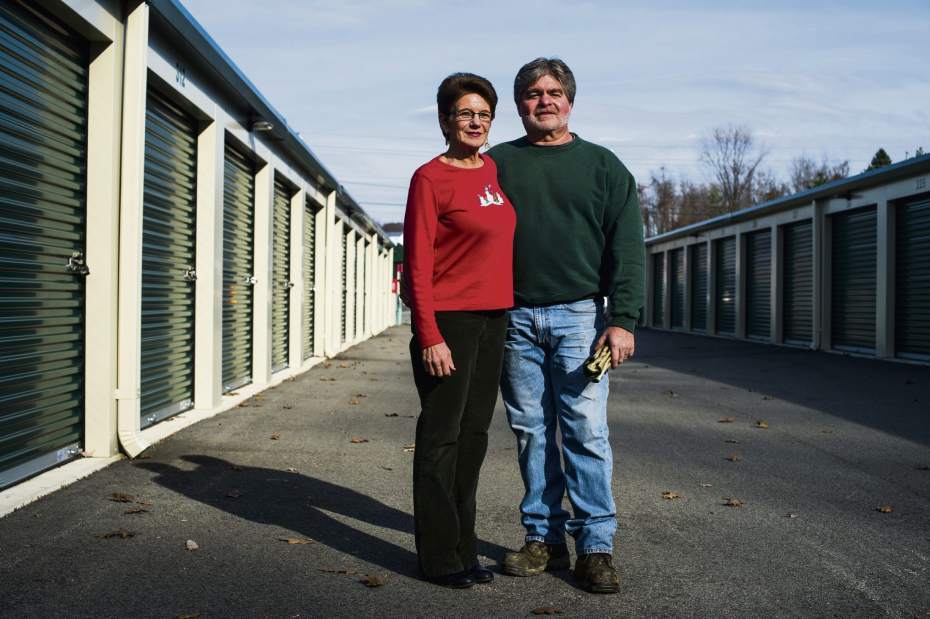
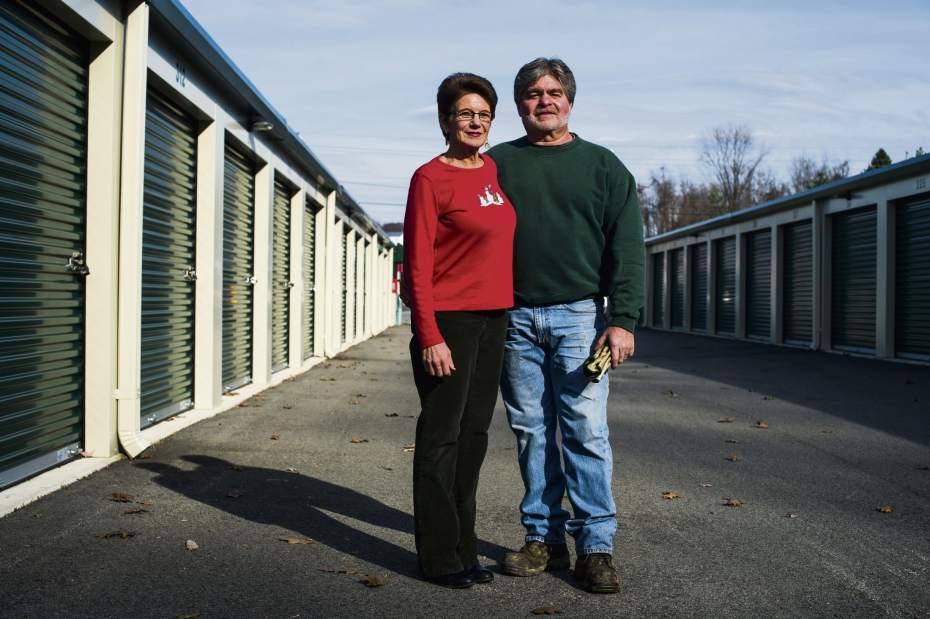
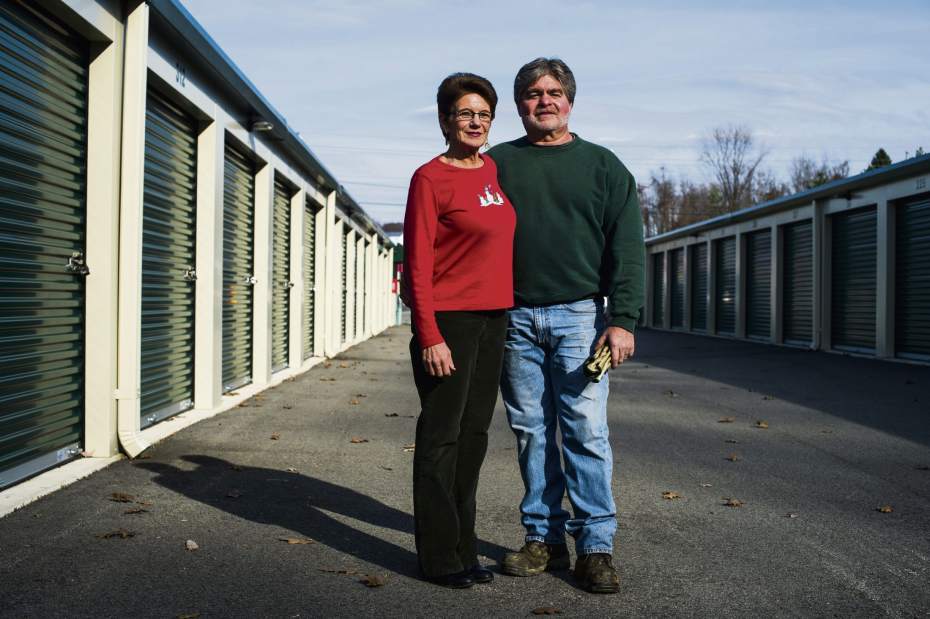


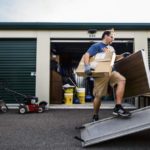

Greg and Joyce Miller didn't want to get into the business of stashing people's stuff.
The couple had planned to build a gas station on an empty lot they owned along Business Route 66 in Hempfield. But that plan fell through as the Millers struggled to get the necessary permitting.
Instead, they decided to build a self-storage facility, hoping to turn a meager profit rather than let the land remain empty.
They soon realized there is a lot of money to be made in becoming customers' closet-away-from-home.
“We wish we would have done this 10 years or 20 years ago. It's unbelievable the number of people we turn away, because we were full after four months,” Joyce Miller said. “We want to put up two more buildings.”
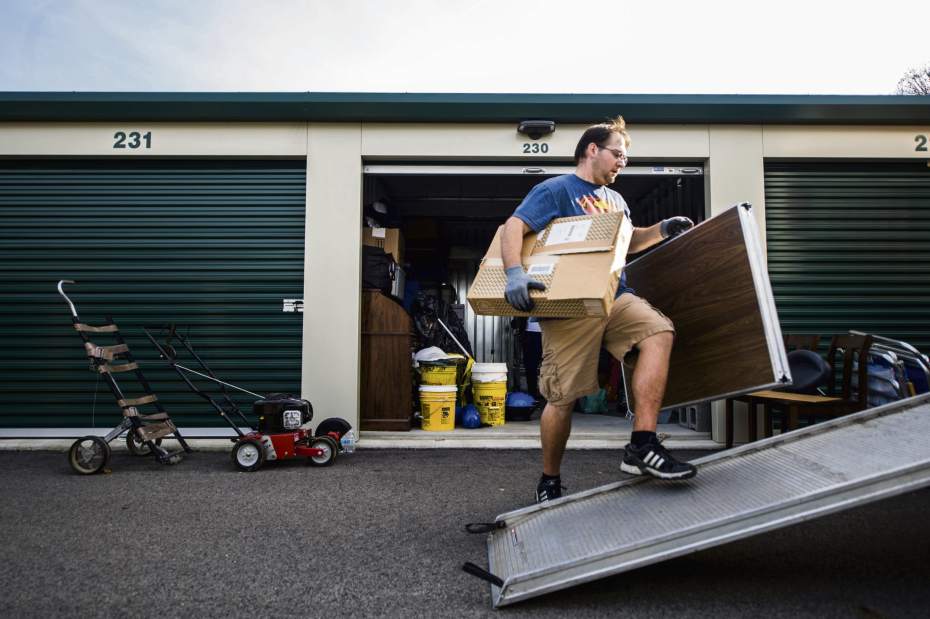
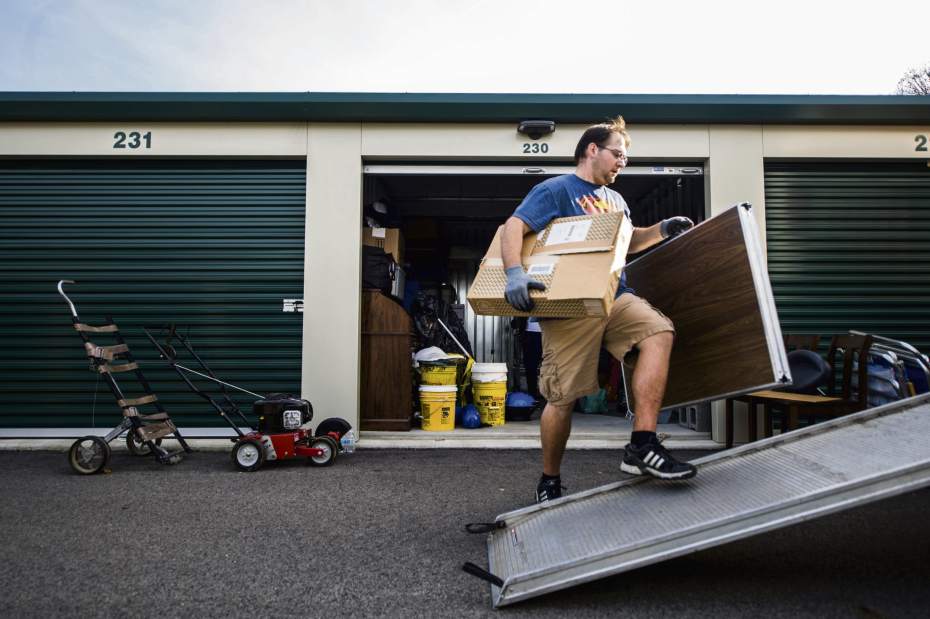
Americans have a lot of stuff and not a lot of room for it. And many people are willing to pay good money to solve that problem.
Hundreds of new self-storage facilities are cropping up all over the United States to fill that need, and Western Pennsylvania is no exception.
“The demand has continued to grow. There's so many factors coming together that have contributed to this boom,” said Steve Mitnick, owner of STORExpress, which has 10 self-storage facilities in the Pittsburgh region.
Mitnick opened his first location about 20 years ago, but he's watched as interest skyrocketed in recent years, he said.
SpareFoot , an industry organization that tracks self-storage statistics, estimates the industry was worth about $36 billion at the end of 2016. A 2014 estimate counted 2.63 billion square feet of rentable self-storage space nationwide, enough to cover the city of Pittsburgh more than one and a half times, and that was before the boom really took off.
Guardian Storage has 16 Pittsburgh-area locations since opening in 1987, plus five in Colorado — a total of 14,000 storage units and 1.7 million square feet.
“The industry has grown tremendously over the last decade. Pittsburgh hasn't been as affected as other parts of the country, but we know from our ongoing research that this region will gain more storage companies in the next 12 months,” Guardian spokeswoman Candice Puzak said via email.
Guardian is in the midst of building two facilities — including spending an estimated $12.8 million to turn a former Holiday Inn in Braddock Hills into a 143,270-square-foot storage center.
In 2014, developers across the country spent an estimated $590 million building new self-storage facilities. Construction spending for this year topped $2.2 billion by August.
“Americans are pack rats,” said Donnie Zappone Jr., whose family opened Zappone's Mini Storage in Greensburg in 1996. “Everybody holds on to stuff. Nobody wants to get rid of anything. Everybody needs to know that it's there, even if they never go to the unit.”
Mitnick thinks there are a few reasons for the rapid expansion. The recovering economy is a big one, he said. But there's also a growing group of investors and entrepreneurs who are starting to see the appeal.
“From a developer's perspective, it's also become a more ‘sexy' industry,” he said.
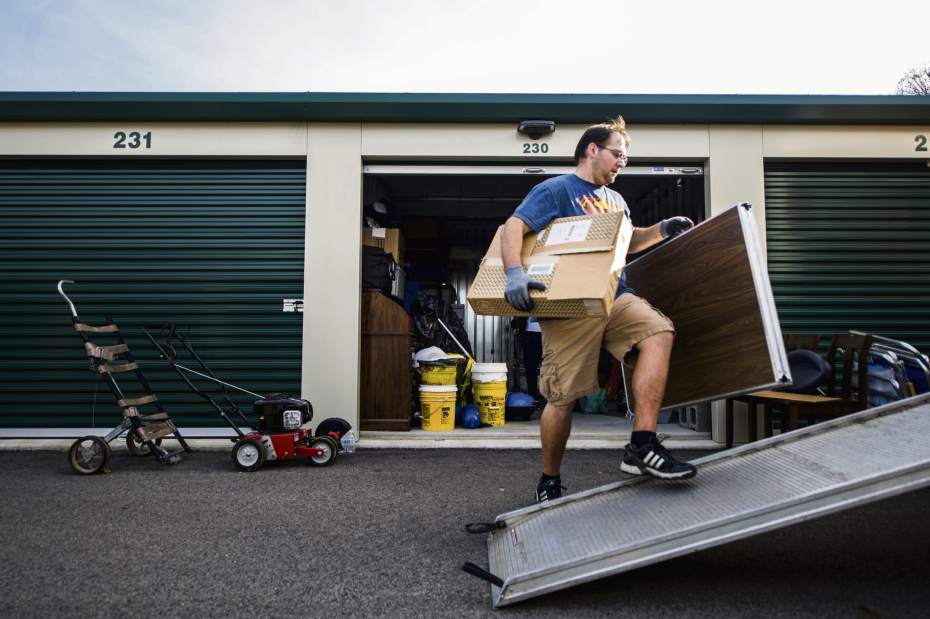
Traditional self-storage units, little more than a concrete or corrugated metal room with a garage door and a padlock, aren't going anywhere.
“They keep popping up all over the place, it's unbelievable. And it's unbelievable what people pay,” Joyce Miller said.
Guardian Storage's prices range from $68 a month for a basic 5-by-5 unit to more than $338 for a climate-controlled 10-by-30 option. STORExpress and other competitors charge similar prices.
SpareFoot found the average cost of a storage unit in Pennsylvania in 2017 is $86 a month, up $10 from 2010. That's about on par with the national average.
But new developers are coming up with more boutique options, Mitnick said.
Local companies like STORExpress and Guardian Storage provide multi-story complexes, with indoor, climate-controlled units monitored by security systems.
Customers are willing to pay a premium for a few bells and whistles.
Car enthusiast and Hempfield resident Dave Bell said it's worth $85 a month at North Hempfield Self Storage to have a place to keep a car.
“I have more cars than I need,” he said. “They're not daily drivers, so they can't take up the space of daily drivers in your garage.”
But for most people, perks don't matter as much as location, Mitnick said. Storage is a hyper-local industry — people want to be close to their things, he said.
Developers see this as a good thing. More facilities are opening up. But because demand is high and people tend to go for the storage place closest to them, a new one can open without hurting others' bottom lines.
“It's a funny business because it's very localized. So, yes, I think there are some places that are oversaturated and continue to grow a little bit,” Mitnick said, “but I also think there are still pockets of opportunity.”
Jacob Tierney is a Tribune-Review staff writer. Reach him at 724-836-6646, jtierney@tribweb.com or via Twitter @Soolseem.
