




A commodities terminal that deals in freight hauled on the Allegheny River is lamenting President Obama's proposed 2017 budget that includes a 5 percent cut in funding for its lock and dam operations and maintenance.
At the same time, an Army Corps of Engineers request for funding to fix the locks at two local dams, where the concrete has been crumbling for at least six years, did not make the cut.
The proposed 2017 budget allocates $5 million for the Army Corps of Engineers to operate and maintain the Allegheny River's locks and dams. That's roughly a 5 percent decrease from $5.3 million in 2016.
The president's budget serves as a road map for federal spending. Congress draws up and passes the actual federal budget.
For operations, the Army Corps budget for the Allegheny River stays the course for the most part, except the hours of lock operations will decrease from 24 to 16 hours a day at Lock No. 4 in the Natrona section of Harrison.
For Dean Marlin, director of business development of Nicholas Enterprises, the owner of Freeport Terminals in Freeport, the cutback is likely to impact his customers.
Barges arrive at all hours at the Freeport Terminals from as far away as Louisiana, according to Marlin.
“The reduction in hours in general will reduce the reliability of our services and increase the cost to our customers or us,” he said.
Mary Ann Bucci, interim executive director of the Port of Pittsburgh Commission, a state agency that advocates for funding for locks and dams, said, “Clearly, we need to get more funding.
“All of the locks and dams in the region are important from a commercial and a recreational standpoint,” she said.
Maintenance delayed
Besides the challenges for lock operations, there is a backlog of deferred maintenance.
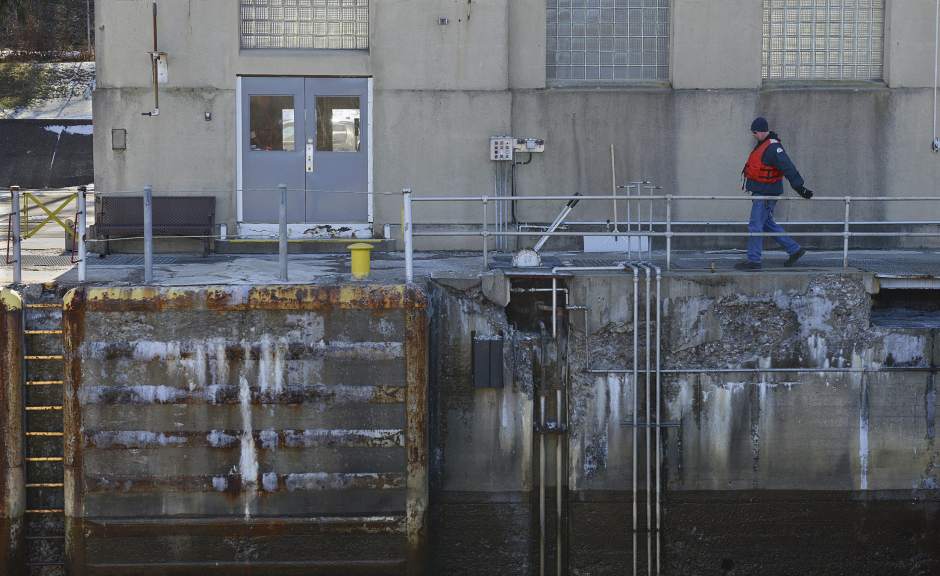
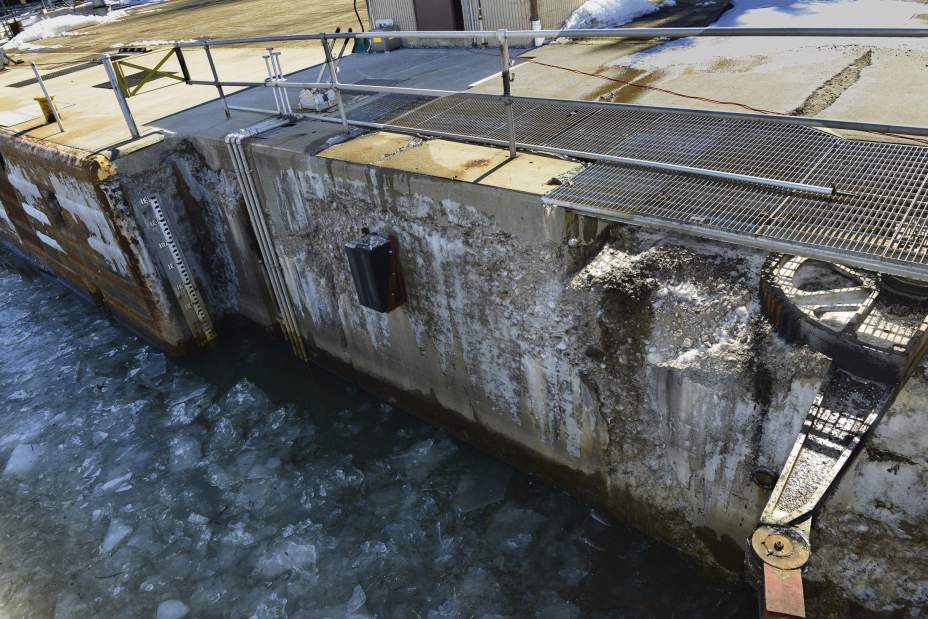
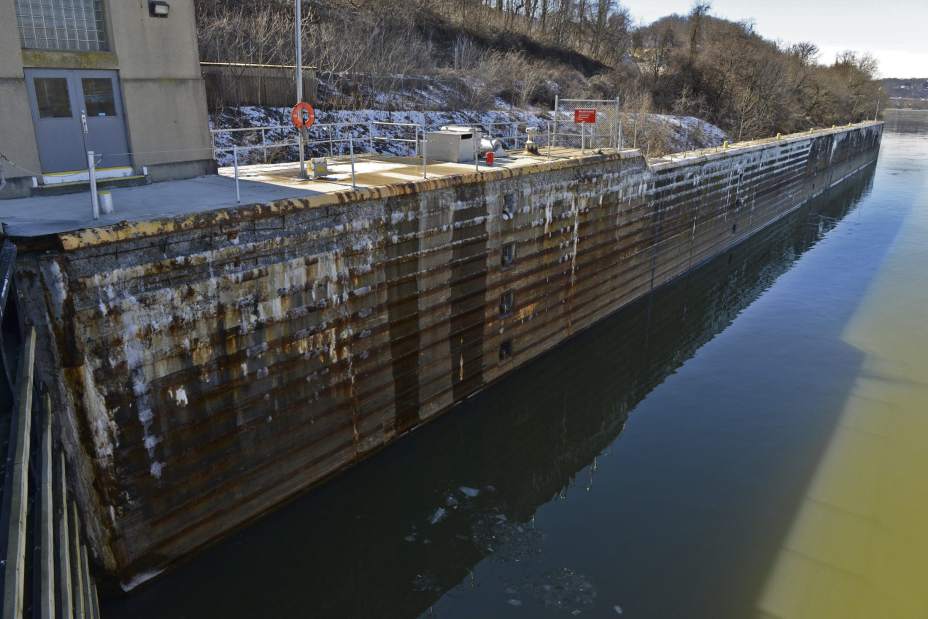
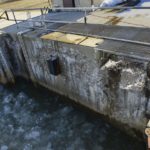
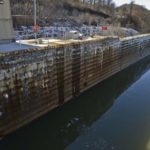
The Army Corps has been trying to repair the crumbling lock walls on the Allegheny in Plum (Lock 3) and Highland Park (Lock 2) since at least 2009, said Lenna Hawkins, deputy district engineer for the Pittsburgh district of the corps.
Obama's proposed budget does not include money to fix either lock's chambers.
However, the corps paid for the engineering last year to fix both, with construction roughly estimated to cost $2.8 million at each lock, said David Heidish, a project manager with the corps.
“The concrete is continuing to deteriorate,” Hawkins said.
But, she said, there is only a minor safety risk to workers at the site.
“When safety becomes a significant risk, it will likely get funded,” she said.
There are sections of both locks' chambers where boats can no longer tie-off because of the concrete's condition, Hawkins and Heidish said.
Hawkins said corps staff members have to brush off the lock walls to check for loose concrete so nothing will fall on boaters.
While the corps is disappointed that the agency did not receive the construction money for the lock repairs for fiscal 2017, they will ask again in the 2018 budget, Heidish said.
Low-use waterwaylower for priorities
The Allegheny vies with corps projects across the country for money.
Since the Allegheny has been deemed a low-use waterway for commercial vessels, it falls lower for priorities than a waterway busy with commercial tonnage, such as the Ohio River.
Although lock operations have held steady in the past several years, the federal government slashed the corps budget for the Allegheny in 2012 when operations were cut by more 50 percent.
Shortly thereafter, the corps closed the last four locks in the upper reaches of the Allegheny River, Locks 6 through 9 — Clinton, Kittanning, Mosgrove and Rimer — except for special events to recreational boaters.
But a local nonprofit has raised money for lockages during summer weekends.
Mary Ann Thomas is a Tribune-Review staff writer. Reach her at 724-226-4691 or mthomas@tribweb.com.
