

Over the years, a lot of disparaging words have been used to describe the architecture of America's suburbs. Banal. Dull. Uninspiring. Cookie-cutter. Tract housing. Contractors' boxes. And so on.
In some cases, such comments are even deserved.
But what about innovative, first-of-a-kind, trendsetting, avant garde, experimental and even architecturally exciting?
Well, believe it or not, we've got all that in one suburb in Pittsburgh — in two totally different housing developments about five miles apart along Babcock Boulevard in Ross. There you can find the remaining houses of what have been described, in one case, as the nation's “first Romantic suburb,” built in the 1850s, and in the other case as our country's “first Modern subdivision,” dating to the 1930s.
They are little noted and largely forgotten parts of Pittsburgh's — and the country's — architectural history. Neither of the two developed as its planners intended; only a handful of houses remain in their original condition today; and “first” designations are always open to argument.
But exciting, experimental and exceptional they were.
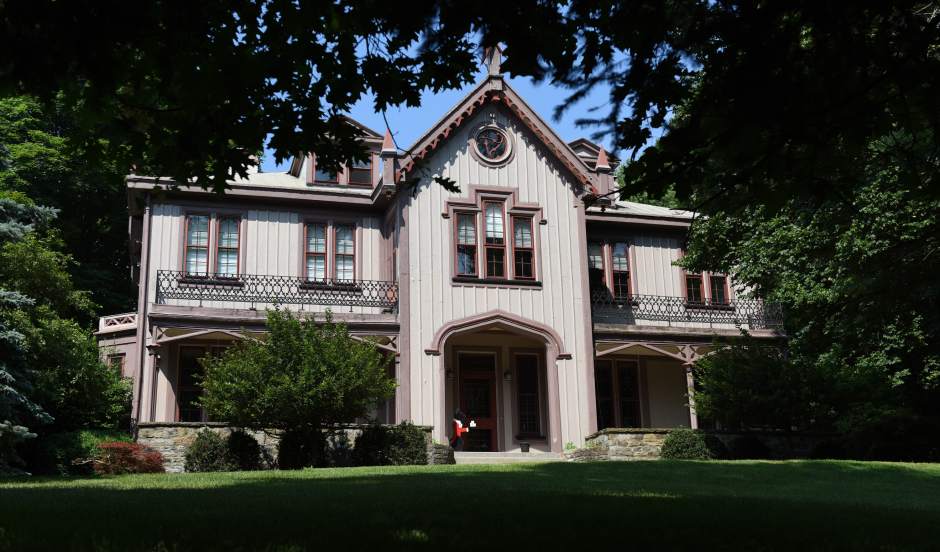
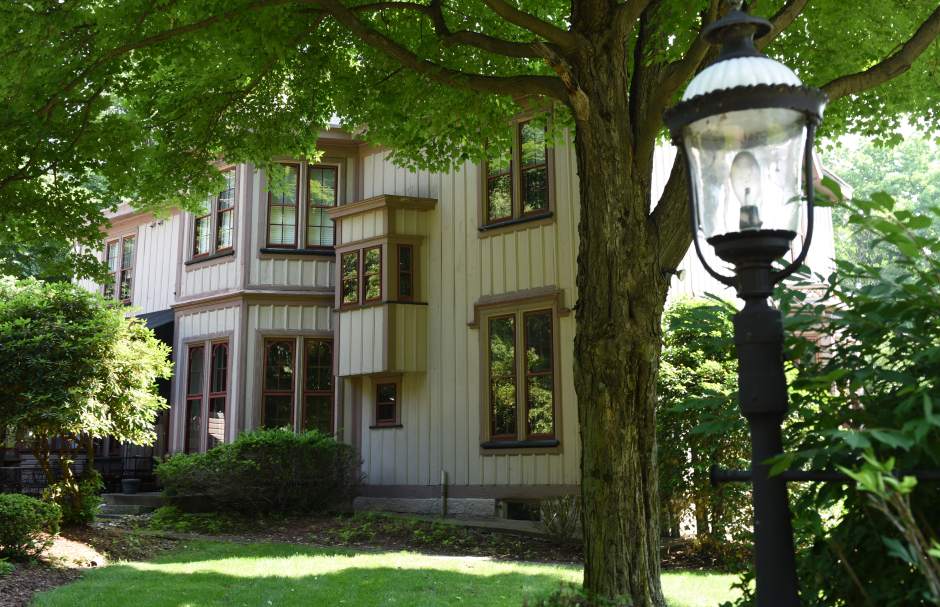
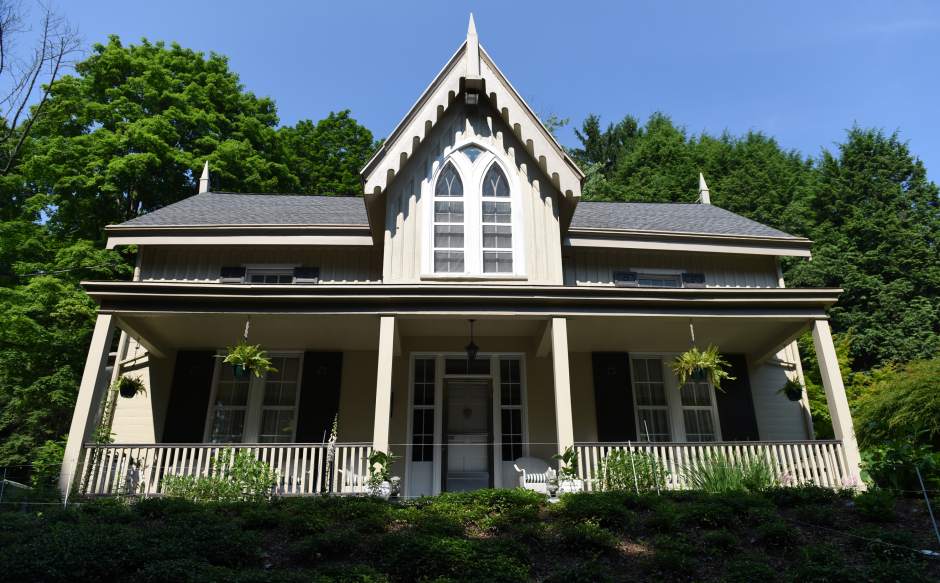
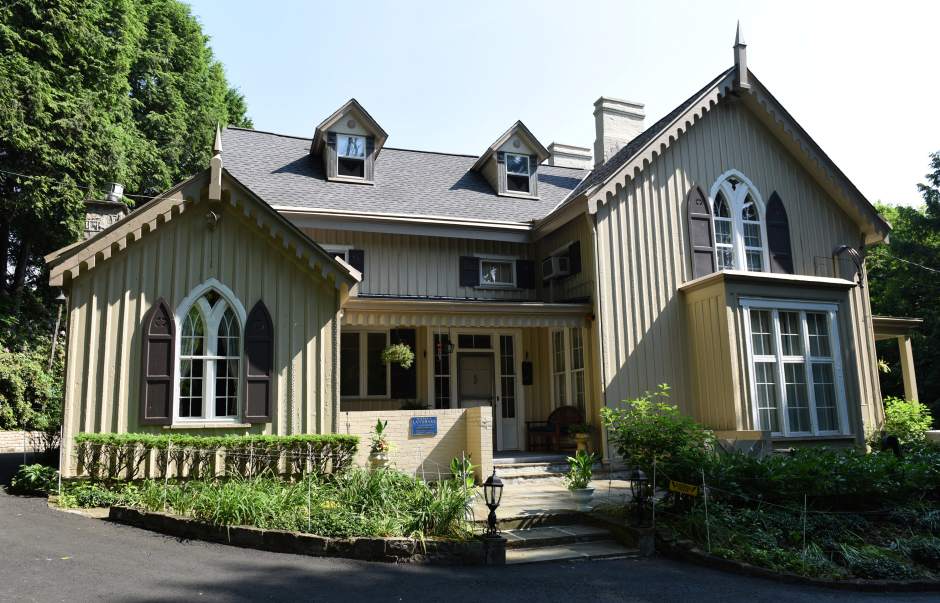
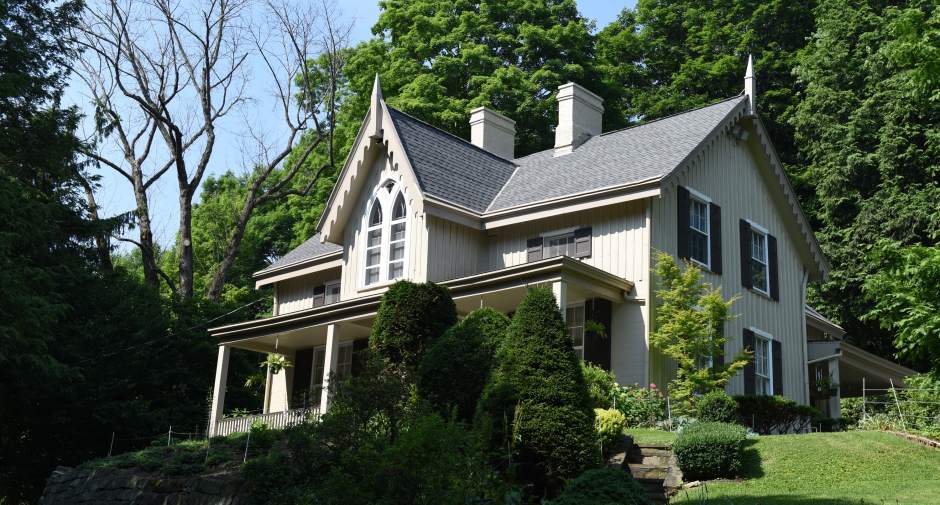
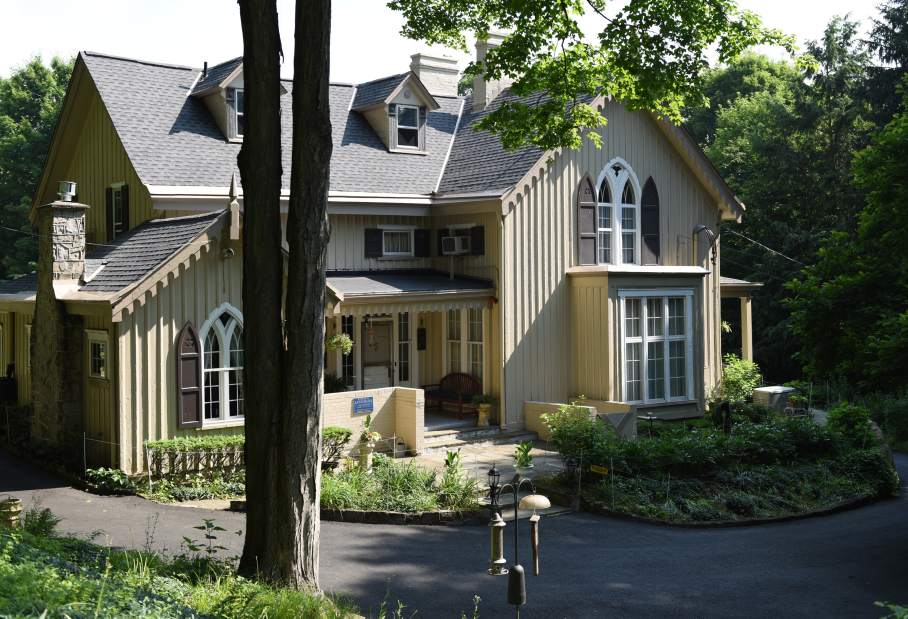
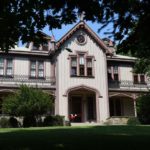
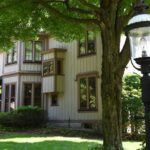
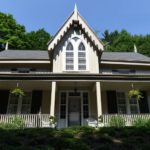
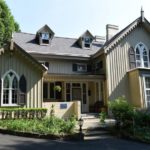
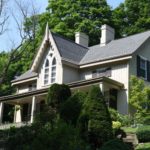
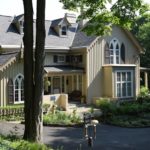
Evergreen Hamlet, just off of Babcock, is the “romantic” one. It was developed in 1852 as a true suburb. It was not just an extension of the city, but a remote outpost of genteel country living for the families of prominent businessmen who commuted to the city. Although only four elaborate Gothic Revival houses were built there, the idea that you could commute to the city from a remote rocky hilltop six miles away was a decidedly new one at the time.
The houses were designed by prominent local architect Joseph W. Kerr. They were inspired by the country-house drawings of nationally known, contemporary architect Alexander Jackson Davis. Davis partnered with Andrew Jackson Downing, a publisher and horticulturist, to widely promote this style of house and style of living.
Kerr's original houses — still in nearly pristine shape today — are among the best examples of mid-19th century country houses in our region.
But was this development a first? What historians generally consider the first “Romantic” suburb designed in a Picturesque style is Llewellyn Park in West Orange, N.J. There, Davis himself laid out winding roads around a similarly rocky hilltop 12 miles from New York City. He made provisions for some 50 houses, most of which were realized. Llewellyn Park was laid out in 1853, but by that time, the first houses in Evergreen Hamlet were already built — thus the claim for a “first.”
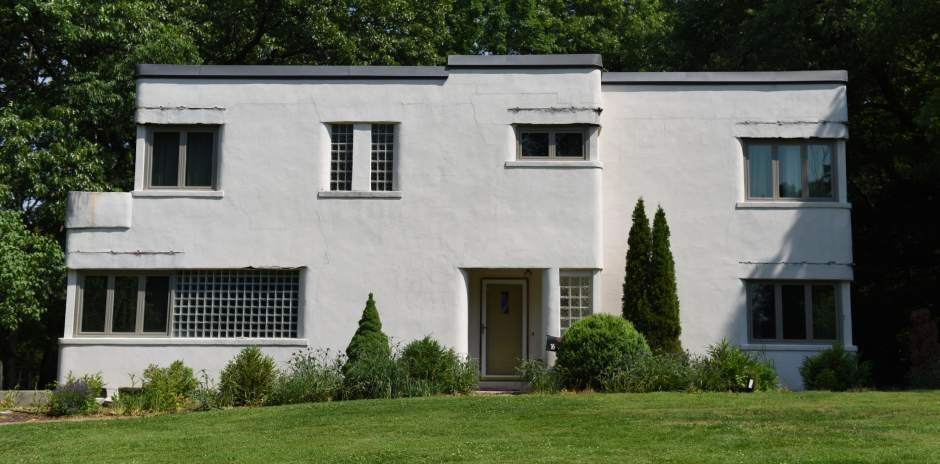
Swan Acres is the “Modern” development — several miles and some 80 years away from Evergreen Hamlet. It owes its own “first” claim to a 1937 article in Architectural Forum, a leading architectural journal of its time. Forum literally called it just that — “the nation's first Modern subdivision”— even though most of what was then being contemplated never got built.
Modern in this case meant the European style of modern — what is generally called the “International Style.” It was a style the editors of Forum were eager to promote.
Mostly finished in smooth, starkly white cement or stucco, International Style houses were totally devoid of decorative features on the walls or around doors or windows. They featured flat roofs, asymmetrical facades, and ribbons of steel casements, often with corner windows. They were what the Europeans conceived of as “machines for living.” But they were far from inhospitable. Usually situated to carefully take advantage of a site, they often featured sun-filled interiors with carefully proportioned and open-flowing spaces.
The Europeans were intent on creating something radically new — using the latest building technologies without any hint of historical precedents. By emulating much of the new European style in 1937, Swan Acres was supposed to show the way to the future.
It wasn't to be. In the end, only about a half dozen homes were built in Swan Acres in anything like the International Style, and only two can be viewed in anything like their original form today. The International Style — at least for houses — is decidedly unloved by most Americans. Several of the homes have been drastically altered, as later owners seemed unable to wait to put pitched roofs over the flat roofs, or make decorative additions to the houses. They were remodeled to conform to a different kind of American suburban ideal.
Swan Acres was the product of a Pittsburgh firm called Beck, Pople & Beck. Research by Albert Tannler of the Pittsburgh History & Landmarks Foundation shows that Quentin Beck, a young honors graduate in architecture from Penn State who had joined an uncle in the firm, was the architect of the original International Style houses in Swan Acres. One of those houses — built for Harry Pople, the real estate and finance partner in the firm — is the best and purest example of the original architecture there.
Americans still find historical Victorian architecture desirable and romantic. But they've never warmed to the International Style that many architects, like Beck, admired.
Nevertheless, we can add “exemplary” to the list of words describing Evergreen Hamlet and Swan Acres. They were definitely among the best and earliest examples of styles in their time.
John Conti is a former news reporter who has written extensively over the years about architecture, planning and historic-preservation issues.
