

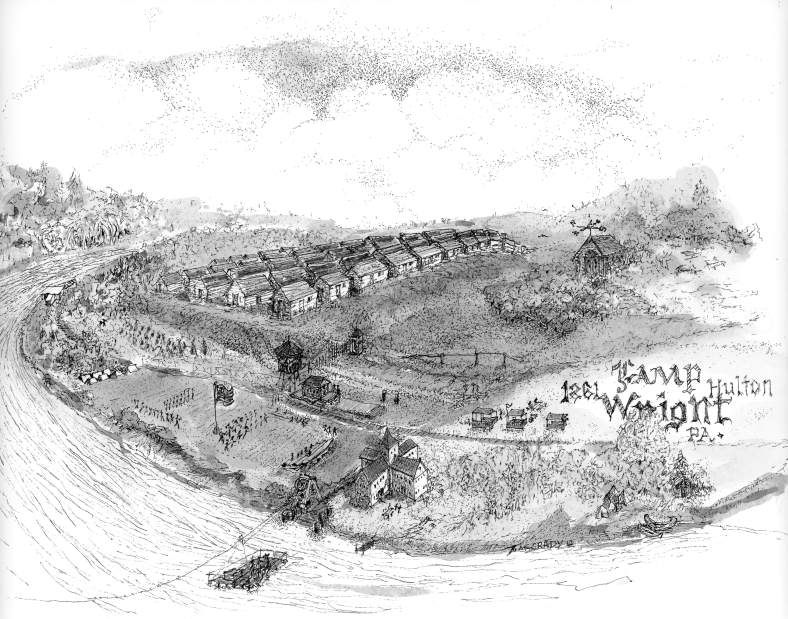


Artist Tom McCrady has drawn and painted hundreds of things. But only this year did he render an image of something that he couldn't see.
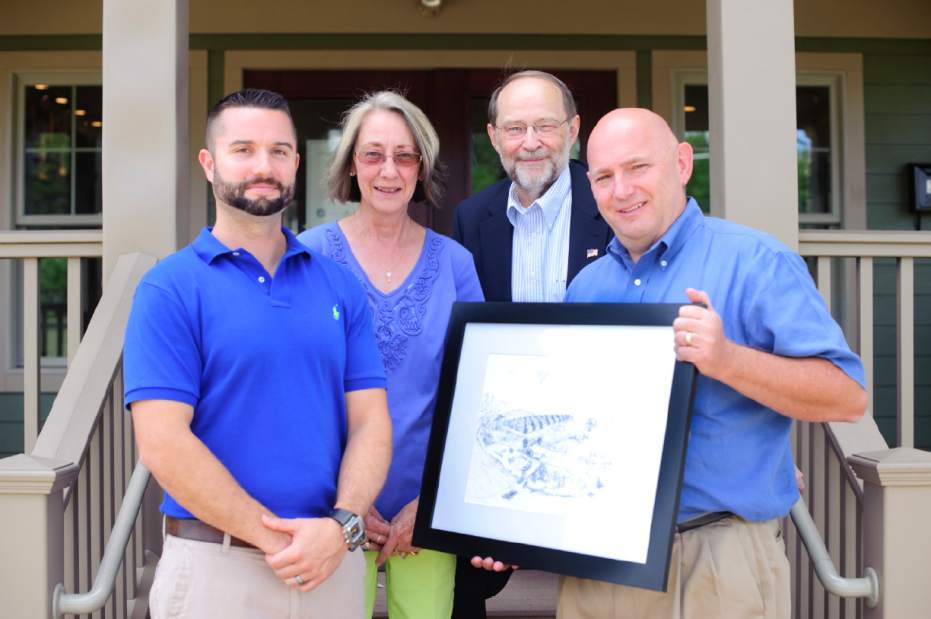
“That's what made it interesting for me as an artist. I have never drawn or painted anything based on just the written word, the way I did with Camp Wright,” McCrady said. His ink drawing depicts the large Civil War training camp in Oakmont that was open for less than a year.
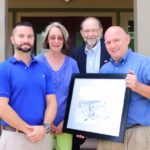
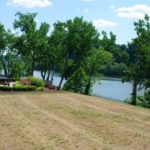
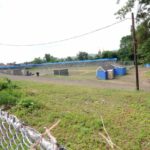
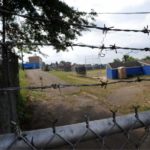
The Oakmont Historical Society commissioned the drawing as part of the 150th anniversary commemoration of the war and the camp. The drawing will be presented on Sunday during a 1 p.m. ceremony at 300 College Ave., Oakmont, in a riverfront development built on the site of the camp, which was one of nine Union encampments in the Pittsburgh area.
Response in Pennsylvania to the government's call for Civil War troops was overwhelming, said Michael Kraus, curator at Soldiers & Sailors Memorial Hall & Museum.
“There were many volunteers — 25,400 from Allegheny County alone. States like Pennsylvania, Massachusetts and New York were hot to put down the rebellion,” he said.
Located along the Allegheny River at the base of Hulton Road in Oakmont, Camp Wright was open from May 1861 to January 1862 and was the first stop for many Union soldiers from northwestern Pennsylvania, particularly men from Erie, Crawford and Mercer counties.
About 5,000 Union recruits went through Camp Wright, named for John A. Wright, a military aide to then Pennsylvania Gov. Andrew Curtin.
“A lot of these guys came in from the farm and had never been away from home much at all. The camps were a way of getting them together. They often did not even give them weapons,” said Arthur Fox, a professor of world geography at the Community College of Allegheny County and the author of “Pittsburgh During the American Civil War 1860-1865.”
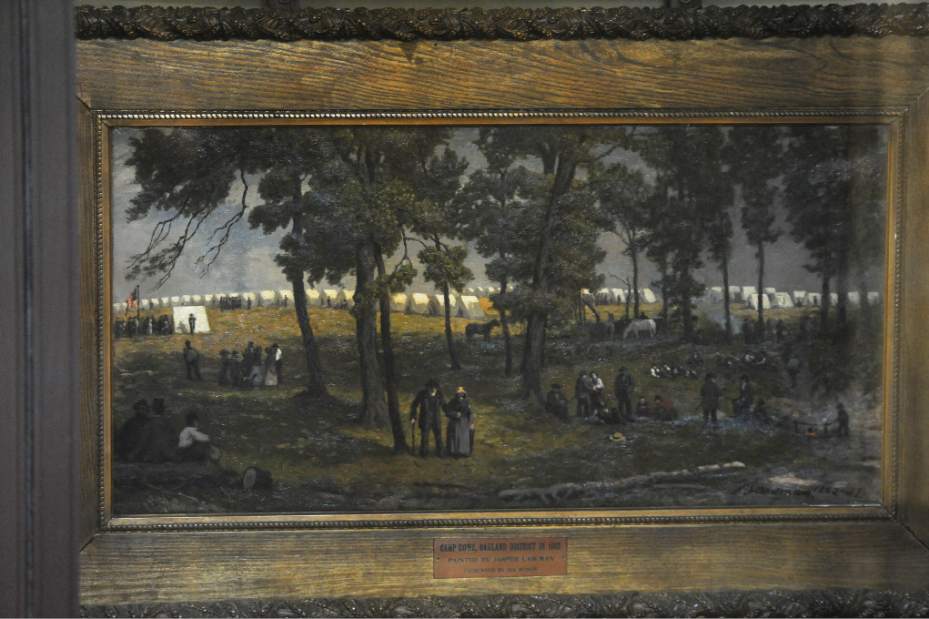
Nothing remains of any of the nine Civil War camps in the Pittsburgh region. When the camps were operating, they were often open for only months.
“There are no above-ground traces of these camps. A lot of these camps got dirty, which is why no one really wanted to keep them around for long,” Fox said.
There are no known photographs of Camp Wright, so McCrady relied on descriptions from newspaper accounts and letters that Oliver Willcox Norton, a bugler from Company G, Erie Regiment, wrote to his sister, Elizabeth Lane Norton.
“We have a splendid place on the south bank of the Allegheny about 15 miles from Pittsburgh,” Norton wrote before telling his sister about the location, size and spacing of barracks, along with the location of the railroad and the captain's quarters.
“We have the best of spring water, which tastes good after drinking the nasty drinking water we had so long in Pittsburgh,” wrote Norton, who lived on a farm in Springfield, Bradford County, when the war broke out.
At first, Norton encamped at Camp Wilkins in what is now the Strip District. Camp Wright was built when Camp Wilkins became too big.
McCrady, a retired teacher at the Oak Ridge Academy of Art in Lower Burrell, said he found both detail and inspiration in letters like Norton's.
“Some of the letters were kind of flowery. Trying to put words into pictures was not always that easy. But there were letters that had very precise descriptions,” said McCrady who prepared by studying photographs, drawings and Currier and Ives lithographs.
McCrady's image of Camp Wright came into focus after talks with Gary Rogers, president of the Oakmont Historical Society, who has spent hours reading newspaper accounts about the camp in the main Carnegie Library's Pennsylvania Room.
“The Pittsburgh Dispatch had a reporter out there almost every day, so I picked up a good feeling for where things were at Camp Wright. No one — not the library, not Soldiers & Sailors — has ever found any photo of the camp,” said Rogers.
Rick Wills is a staff writer for Trib Total Media. He can be reached at 412-320-7944 or rwills@tribweb.com.
