





Mt. Lebanon has long had a reputation as one of Pittsburgh's finest suburbs.
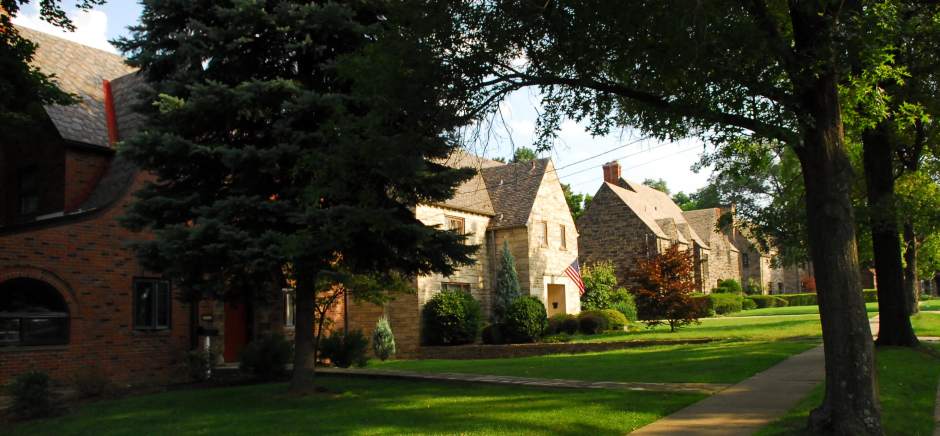
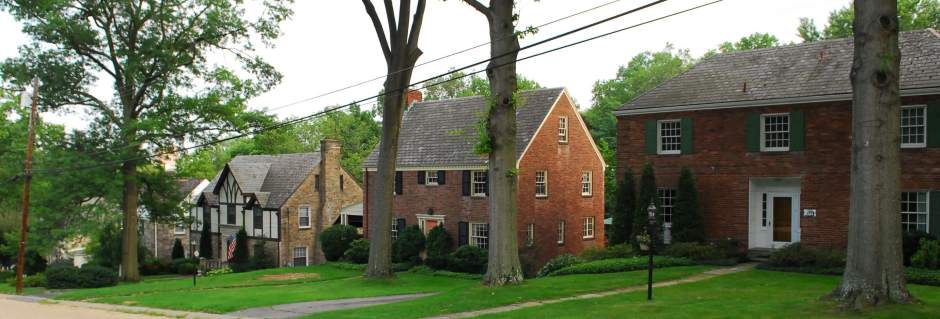
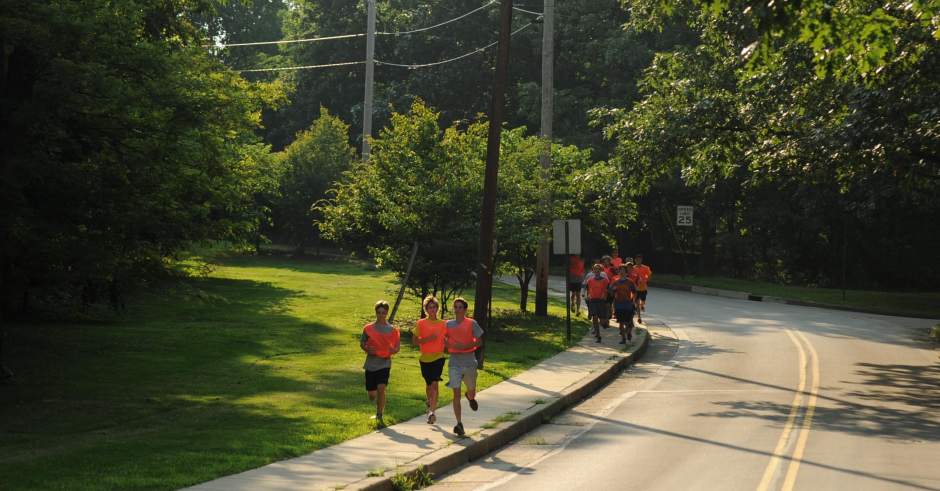
And, as it celebrates its 100th birthday this year, you will still find along its tree-lined streets and roads some of the finest homes in the region.
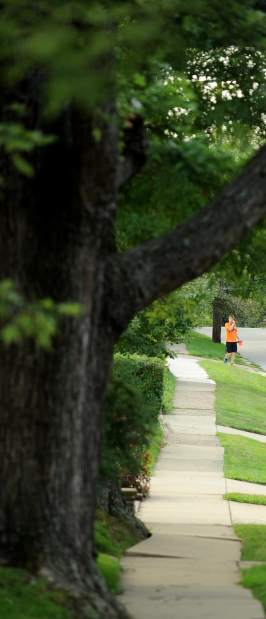
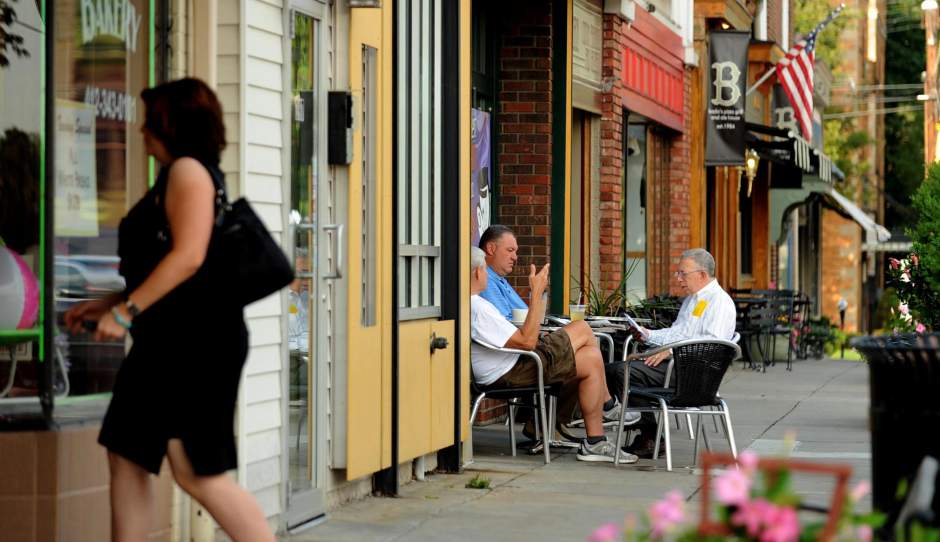
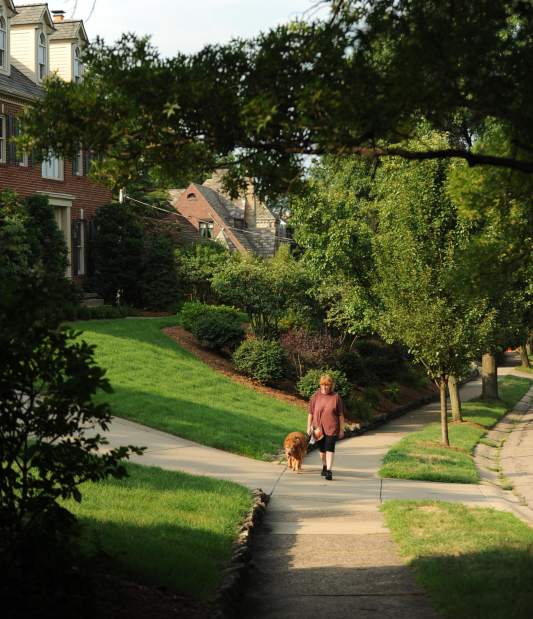
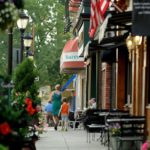
It has always boasted — and still does — one of the best school systems in the state. Moreover, the town maintains walkable neighborhoods, vibrant commercial centers (with two major construction projects under way on the main street) and a surprisingly strong sense of community spirit.
But, cultural and commercial considerations aside, one other thing that makes Mt. Lebanon distinctive is the role that architecture and planning have played in keeping the town a desirable place to live.
Mt. Lebanon started in 1912 as what urban historians refer to as a “trolley suburb” — it was the latest extension of the middle-class housing built along the trolley lines that stretched from Beechview through Dormont in the years just after the turn of the century.
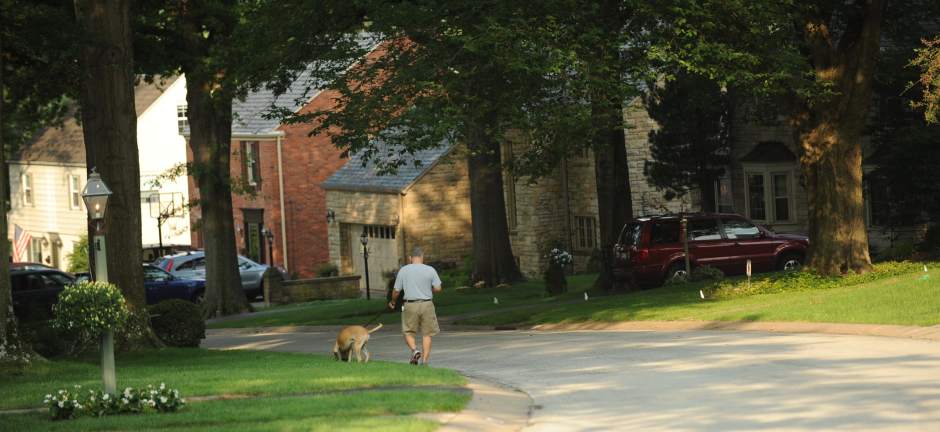
But in the 1920s, all that changed. As automobiles supplanted trolleys, new kinds of neighborhoods — in a style that had rarely been seen before — were being built in Mt. Lebanon. Neighborhoods such as Mt. Lebanon's Mission Hills and Virginia Manor were among the first in the nation with long curving street layouts specifically designed with the automobile in mind.
It was the era when suburban streets came to be named “Drives,” rather than “Streets” or “Avenues.”
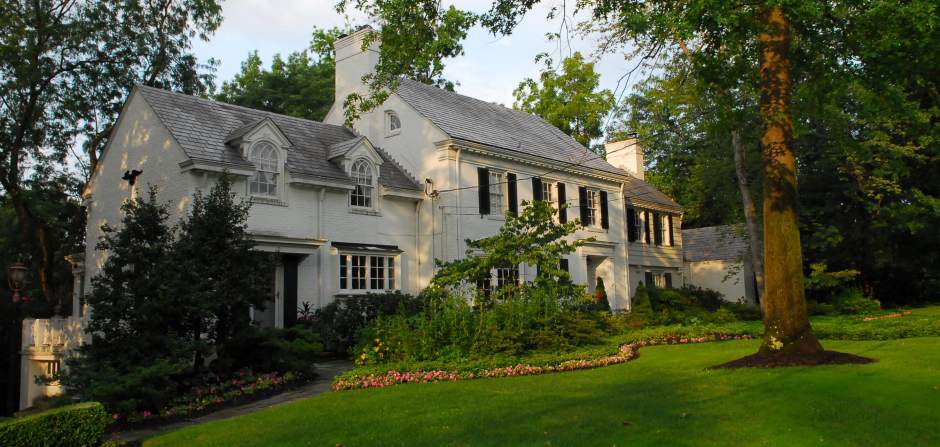
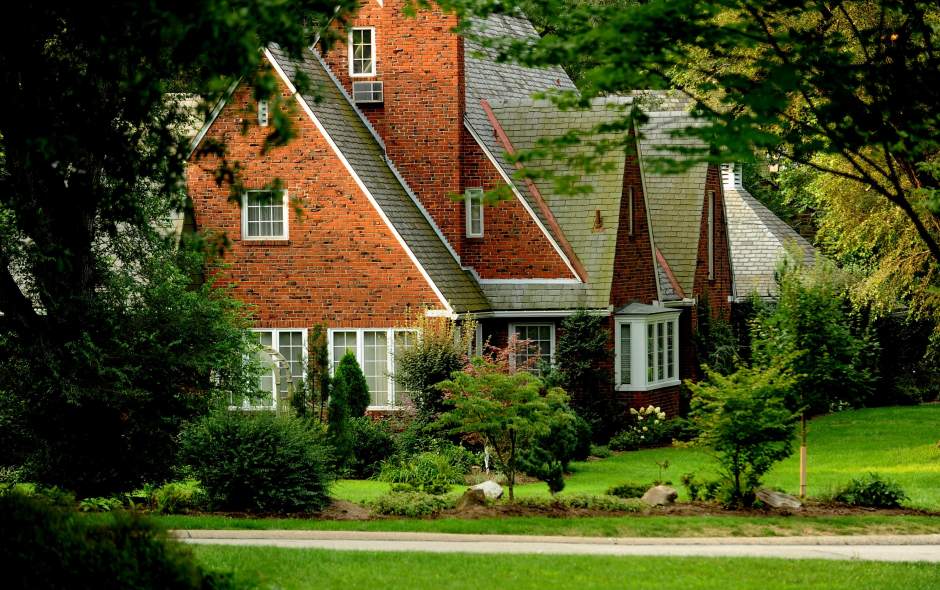
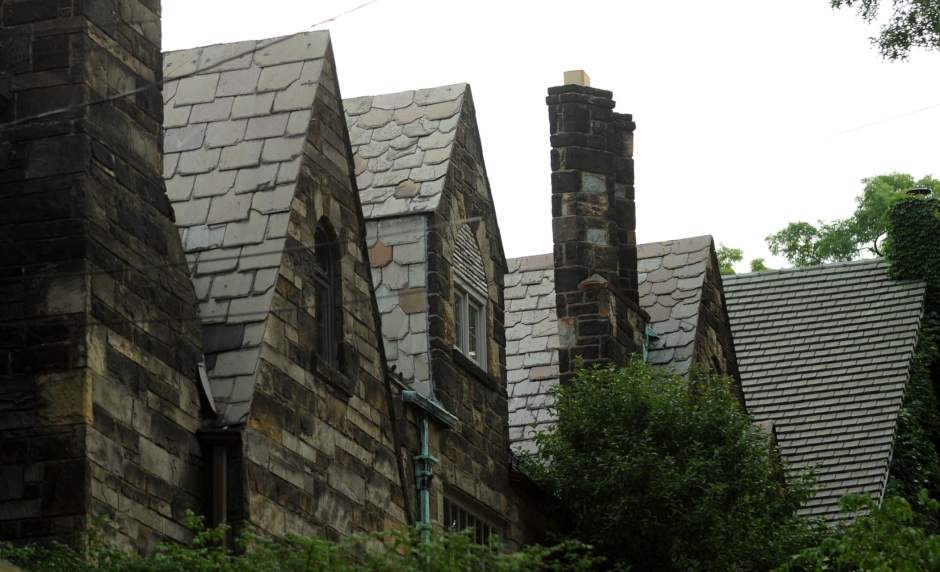
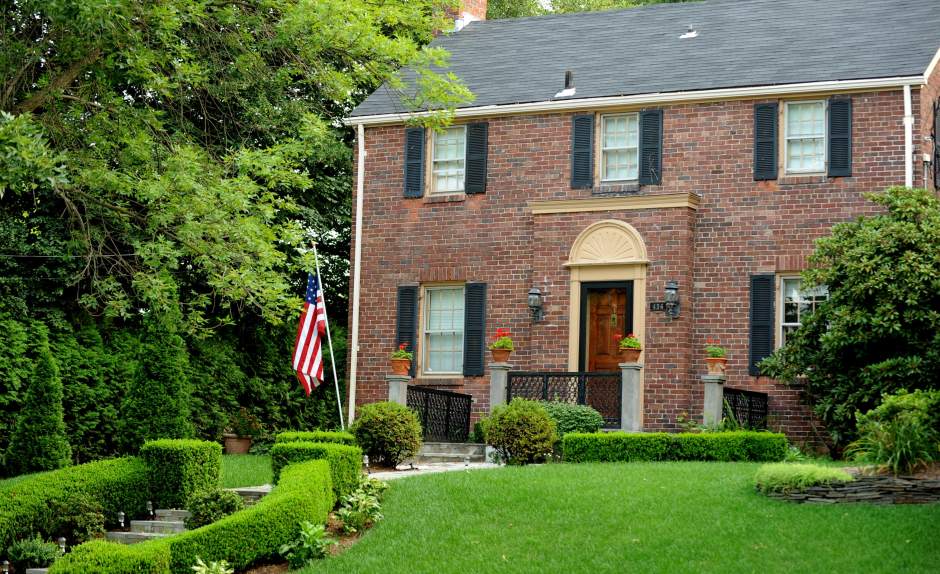
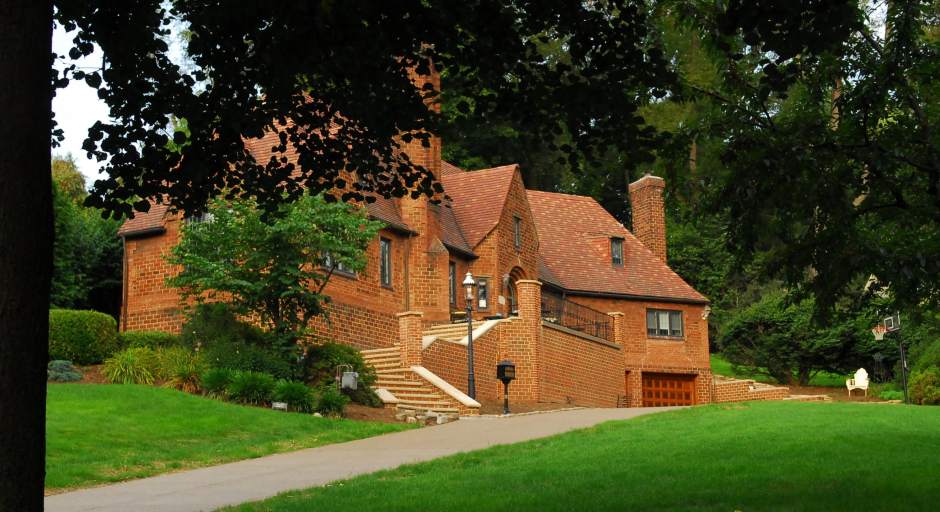
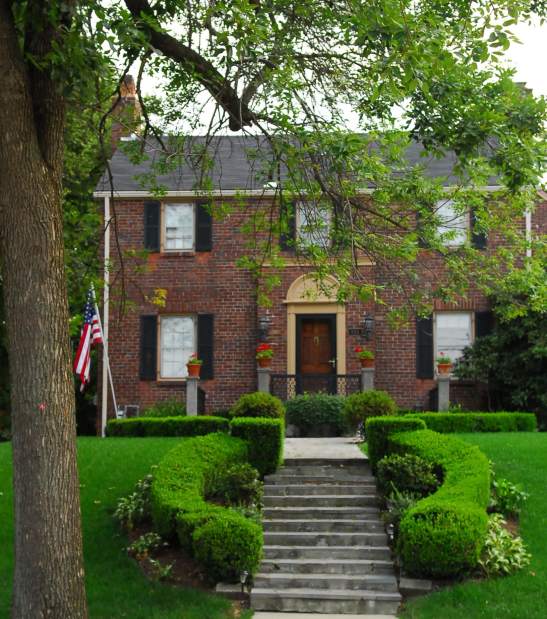
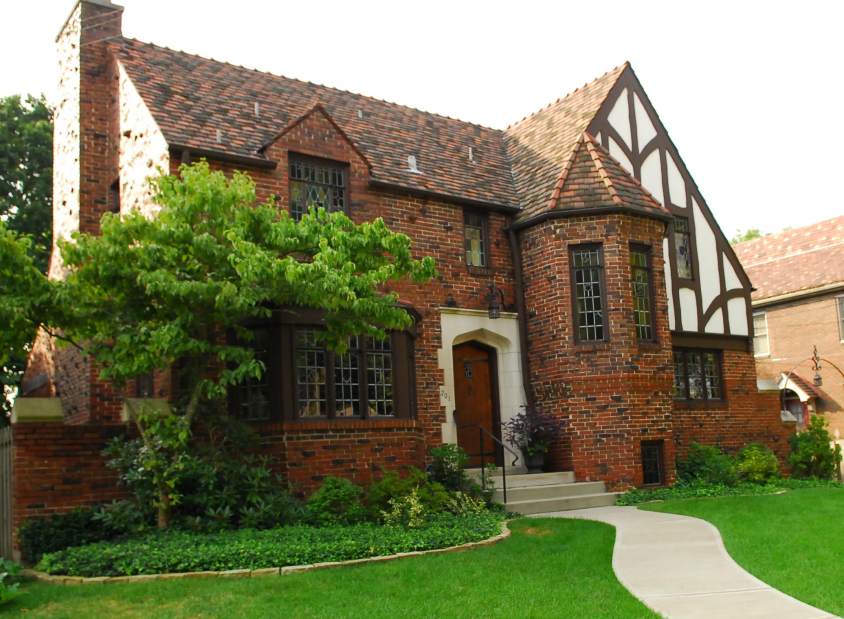
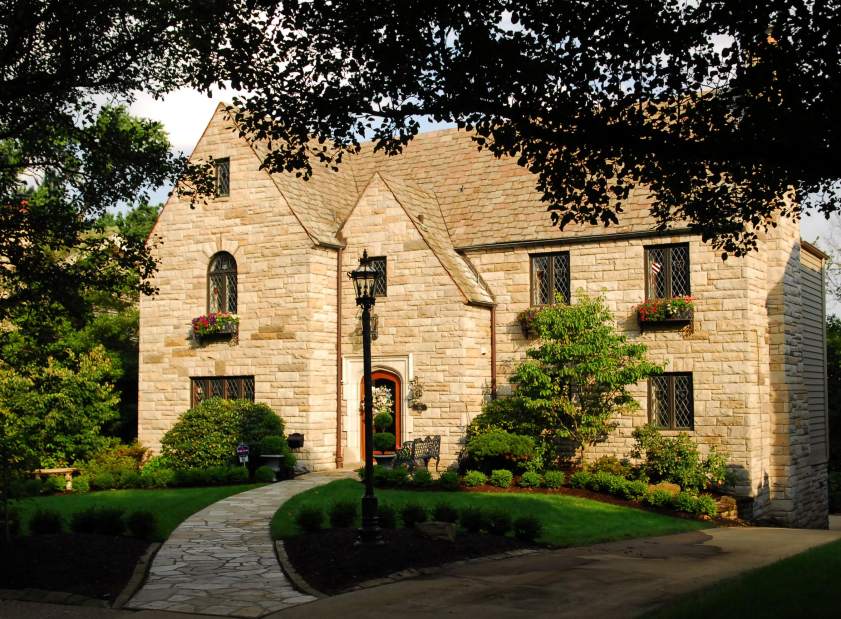
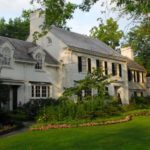
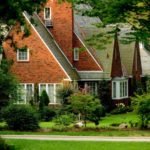
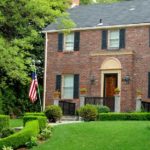
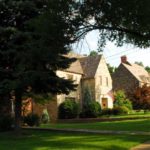
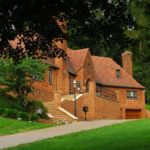
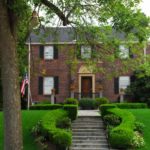
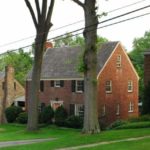
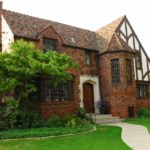
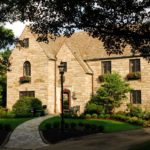
The '20s also brought distinctive new styles of housing — especially the stately Colonial Revival homes and the large and elegant “Tudors” of that period. (The “Tudor” style was sometimes referred to in those days as “Stockbroker Tudor” with some of the same mix of slight derision and significant envy that we use today in referring to “McMansions.” )
But unlike today's McMansions, these houses were built very solidly of substantial materials — brick and stone, mostly, with roofs of tile or slate. Most were custom-designed by Pittsburgh architects with abundant exterior and interior details, and they showed a high level of workmanship. This was, in fact, essentially the last era when individual craftsmanship was routine in housing construction.
These houses were built in far greater concentrations and far more extensively in Mt. Lebanon — literally, on “Drive” after “Drive” and in neighborhood after neighborhood — than anywhere else in Western Pennsylvania or in most other parts of the country, as well.
The reason for that concentration was that Mt. Lebanon developed rapidly in one huge growth spurt that both anticipated and followed the opening of the Liberty Tunnels in 1924. Where Mt. Lebanon's population was about 2,000 coming out of World War I in 1918, it was about 20,000 by the start of World War II in 1941 — a growth factor of 10 times in those interwar years. It was one of the fastest growing communities in the state at that time. (Current population is 33,300.)
The Liberty Tunnels opened the South Hills to the automobile, and it's easy today to underestimate how rapidly things were changing. In 1910 — just two years before Mt. Lebanon was founded — there were only about 1,600 automobiles in all of Allegheny County. Twenty years later, the number was well over 200,000. By 1934, there were more automobiles registered in Mt. Lebanon than there were houses — an early indication of the coming popularity of two-car families.
Mt. Lebanon is such a significant representative of this broad change in the pattern of American development in the 1920s and '30s that the municipality is currently preparing, and hopes to file sometime this year, a proposal to put about a third of the town on the National Register of Historic Places.
The individual who led the change in Mt. Lebanon in the '20s was a local land developer by the name of Lawrence Stevenson. Stevenson was active in the National Association of Real Estate Boards and became a member of a small coterie of developers within that national group who ultimately styled themselves as “community builders,” rather than just developers.
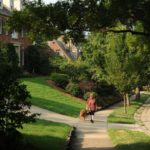
Most sought to adapt for the automobile a style of suburban design that had originated in the late 19th century with famous designers such as Alexander Jackson Davis, Andrew Jackson Downing, and, most significantly, Frederick Law Olmsted. This style — variously called the “Romantic Suburb,” the “Garden Suburb” or the “Picturesque Suburb” — emphasized building curvilinear streets that followed the contours of the land, landscaping the streets to provide vistas, and generously endowing neighborhoods with parks and parklets at the major intersections of the curving streets.
Stevenson had that style carried out in Mission Hills, his first Mt. Lebanon project, and was so successful that subsequent Mt. Lebanon developers followed his lead. And these are among the facets of Mt. Lebanon that still make it so popular, so walkable, and, generally speaking, so livable today.
John Conti is a former news reporter who has written extensively over the years about architecture, planning and historic-preservation issues.
