
Bad blood infuses Pittsburgh boxing scene


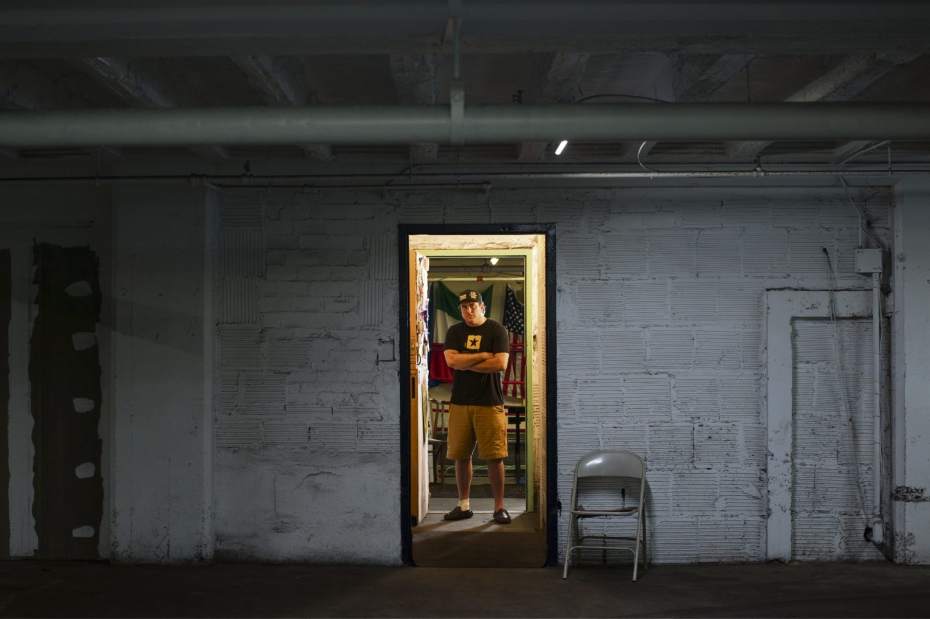
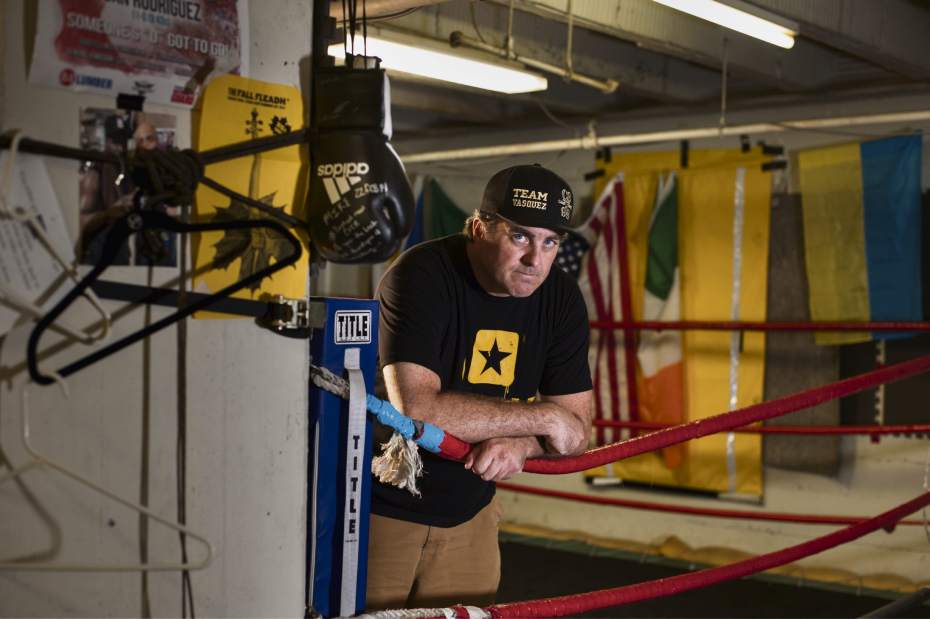

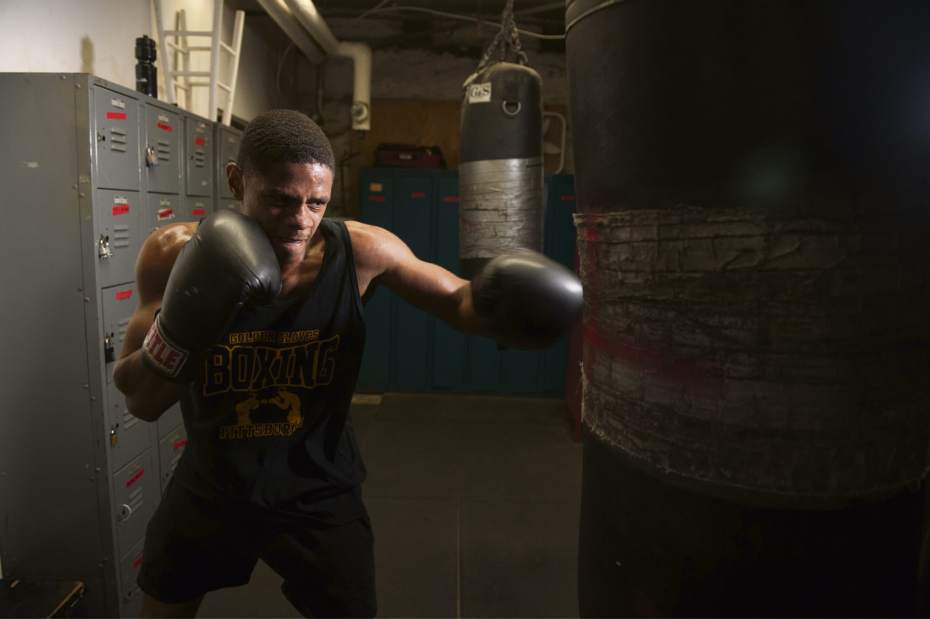
Michael Diven, a controversial former state representative and Pittsburgh councilman who switched parties twice, is now center ring in another fight, this one with some coaches and trainers from the region's boxing community.
Diven, 45, of Mt. Lebanon has staged a string of televised boxing events over the past few years that has brought him praise as a champion promoter of the local boxing scene, including annual St. Patrick's Day “Donnybrook” matches pitting boxers from Ireland against local fighters and the July 30 matches with Cuban and local boxers held on the Roberto Clemente Bridge.
But Diven is tagged by other area coaches and trainers as someone with limited boxing knowledge who favors only a handful of fighters and their coaches with money from the nonprofit Hibernia Celtic Athletic Fund he controls.
A Tribune-Review investigation found federal 990 tax returns filed for the Hibernia charity contained few details about its spending and that it wasn't properly registered with the state until after a reporter raised questions. The newspaper also found that Diven has relied heavily on funding for his events that was channeled through a former local Boilermakers union official under investigation by the FBI.
Diven told the Tribune-Review that he's the victim of a witch hunt launched by a handful of disgruntled coaches he dismisses as jealous.
“If I checked off every single (complaint) against me, they'd find five or six other things,” he said. “ ... These guys don't like me and they don't want to work with me, but they can't live in the world of boxing without me because their kids want to participate in what I'm doing.”
Trib interviews with dozens of the region's boxing officials, coaches, managers and pro fighters revealed their concerns about what they contend are Diven's often combative personality and unorthodox business practices — part of why there's an organized and growing boycott against participating in any promotions he runs.
“He's not good for boxing in Pittsburgh,” said Steel City Boxing coach Jack Mook.
A longtime Pittsburgh police undercover narcotics detective, Mook said Diven was late repaying a $5,000 loan for promotions and tried to line a Donnybrook card with relatives of sponsors instead of proven local fighters.
“They were chosen by who they were related to, who was donating money. A nephew of somebody or whatever, a friend, a neighbor. ... We didn't put our best fighters forward,” said Mook, who coached the area's Donnybrook team when it traveled to Dublin for a July 4, 2014, event against Irish fighters.
When asked about Donnybrook slots going to subpar fighters tied to sponsors, Diven told the Trib that he didn't “remember the conversation (with Mook), but I'm not saying it's not true.”
As for the loan, Diven said that Mook's gym signed off on the late repayment so money could be spent on training a rival club's fighter. He added that Mook and other critics fail to credit him with successfully staging events that boost Steel City's fighters, giving working-class youths a rare chance to battle under the lights and on TV.
“Listen, you don't take $25,000 worth of benefits for your gym and then (complain) about being late with $5,000,” Diven said of Mook.
Follow the money
The anti-Diven movement became public in August during an exchange on Facebook between him and Ted Mrkonja, coach of the Pittsburgh Boxing Club in Overbrook, who has had national champions and Olympic medalists.
Mrkonja served briefly as the head coach of the 2014 Donnybrook team that traveled to Ireland, but said he quit in disgust because of Diven.
Shortly before what Diven called the “Battle on the Bridge” event in Pittsburgh, Mrkonja purposely snagged the sole slot for an officially sanctioned event on the same day it was supposed to occur, running a rival show in Sharpsburg. That forced organizers to get a last-second waiver for the Pittsburgh show.
“I'm not sorry that I did it. It was an open date. I took it,” Mrkonja told the Trib.
Diven criticized Mrkonja for the move and accuses him of taking $1,000 worth of ring equipment in a second attempt to scuttle the Cuban bridge bouts — a charge Mrkonja flatly denies.
Using sometimes salty language, Mrkonja went public on Facebook with allegations that Diven failed to make good on a pledge to help fund the Allegheny Mountain Association, the sanctioning body for local amateur bouts; cheated referees out of meal vouchers and other perks for volunteering to work the rings; and profited personally from promotions.
Diven replied online that spending by the Ireland Institute of Pittsburgh — which kept the books for the 2014 and 2015 Donnybrook fights — and his Hibernia Celtic fund, which handled accounting for the most recent tilts against the Irish and Cuban teams, “are audited by an accounting firm and disclosed to the state and federal government.”
The Trib found only a one-line accounting for the 2014 Donnybrook expenses on the federal 990 tax forms filed by the Ireland Institute charity. As for Hibernia Celtic, the nonprofit organization's federal 990 tax return forms lacked spending information, and the nonprofit's mailing address was wrong on the form.
Pennsylvania's Bureau of Corporations and Charitable Organizations, which requires nonprofits seeking donations within the state to register and annually report how they raise and spend funds, told the Trib that Hibernia failed to properly register as a charity.
That was curious because the Trib investigation found Hibernia paid for a congressional junket in late 2015. According to federal gift disclosure reports, Rep. Mike Doyle, D-Forest Hills, and an aide traveled to Tampa to meet with Cuban officials on a $6,077 trip paid for by the Hibernia charity.
When the Trib confronted Diven about Hibernia's status as a nonregistered nonprofit, he quickly rectified the paperwork glitch involving an unpaid $25 filing fee to register.
Opening the books
In response to Mrkonja and other detractors, Diven and Jim Lamb, president of the Ireland Institute, voluntarily opened their books to the Trib. The newspaper found no evidence that Diven personally profited from the events he promotes.
Bobby Brown, the current coach of the local teams facing off against Irish and Cuban boxers, said that without Diven lining up donations, the events would never happen.
“He poops nickels from heaven. I have no idea how he does it,” said Brown, a former Marine who's also a leader at Stagehands union Local 3 and coach of the Pittsburgh Boxing gym in Mt. Washington.
Diven apparently didn't raise enough money through the initial Donnybrook, however. Both Hibernia and the Ireland Institute continue to carry losses from that event, which cost $145,379 to stage. About a quarter of that cost was for televising it.
The Ireland Institute, Hibernia and participating local boxing gyms projected a $16,000 windfall in 2014 to be split evenly to fund future fight programs, but they lost nearly $18,500 when promised donations never materialized.
After that, the Ireland Institute began charging a 10 percent fee for handling Donnybrook funds, a common practice for charities that administer government grants and other complex projects. That brought $20,272 to the Ireland Institute from the 2015 Donnybrook, which cost nearly $200,000 to stage, according to the nonprofit's books the Trib reviewed.
Boilermaker benefactor
The Donnybrook would've made more money, Lamb said, but Boilermakers Local 154 failed to pay an expected $6,000. Lamb and Diven said the unpaid money was to come through Ray Ventrone, the local's longtime business manager and treasurer who is under investigation by the FBI for allegedly mishandling union funds — including donations to the 2014 and 2015 Donnybrooks.
Ventrone requested and received pricey ringside seats on the eve of the 2015 Donnybrook, but the feds froze the union's accounts shortly after the event and the local's current leadership refuses to pay the bill.
Ventrone, 58, told the Trib in an interview that he retired from the Boilermakers last year after the FBI raid.
“I guess that they're alleging misappropriation of funds — which I had the OK to spend everything I did — but they're saying I didn't,” Ventrone said.
The Boilermakers' leadership failed to return numerous messages from the Trib. Before Ventrone's departure, leadership of Boilermakers Local 154 had become a family affair: Ventrone's wife, Denise, was the union's secretary. Their daughter, Dana, was a trainee coordinator. His brother, Mike, served as the union's vice president and business agent, according to federal filings.
Poring over the Boilermakers' filings, the Trib uncovered heavy union spending on amateur and professional boxing in 2013 and 2014.
Through Ventrone, the 1,750-member union provided $43,130 to Canonsburg-based TNT Promotions for “entertainment” and “tickets,” according to union reports.
The union also paid $8,000 to Rod “Lightning Rod” Salka, a local boxer who was knocked out in a 2014 bout against Danny Garcia; $10,500 to a Florida boxing promoter; and $7,260 to Kittanning-based Epic Leap Entertainment.
The largest single expenditure of $70,500 went to the now-defunct Iron Mike Productions — which was tied to heavyweight boxing champ Mike Tyson — for what Ventrone told the Trib was Tyson's appearance to promote a professional boxing match protesting anti-coal legislation.
The Boilermakers paid $10,466 to Ticketmaster for tickets to the Tyson event.
Ventrone's union made multiple payments totaling $35,036 to the Ireland Institute in 2014 — enough to fund about a quarter of the Donnybrook event's expenses that year — spending Diven contends was crucial to the event.
The institute's Lamb told the Trib that the FBI had requested photographs of Boilermakers attending the Donnybrook event, but declined to elaborate on the probe other than to say that his charity had cooperated fully with the agents.
Ventrone strongly defended the union's Donnybrook donations and Diven's leadership.
“All he's trying to do is bring the sport back to Pittsburgh and give kids something to do,” Ventrone said. “If the rest of the country was thinking the way he's thinking, maybe we wouldn't have all this gun violence and killing on the street.”
Complaints about Diven's expenditures on the first Donnybrook triggered the resignations of Jimmy Cvetic, the longtime boxing director of Downtown's famed Western Pennsylvania Police Athletic League, and Mike McSorley, a founder of the Conn-Greb gym in North Oakland.
McSorley said “philosophical differences,” mostly financial, continue to divide him and other coaches from Diven, which is why the “top talent in the region isn't participating” in either the Donnybrooks or the Cuban.
Diven said that high spending in 2014 was necessary to “build a brand.” When Cvetic complained that he was spending too much money, Diven said he replied: “ ‘Jimmy, we're selling a steak dinner. We're charging steak dinner prices. If you give 'em a hot dog, they'll never come back.' ”
Carl Prine is a former investigative reporter at the Tribune-Review.
