




A lot of the nation's -- and even the world's -- most famous architects built in Pittsburgh from the late 19th century and through the 20th.
But almost no one other than architecture students, teachers and historians are aware of two building projects done here in Western Pennsylvania between 1939 and 1942 by one of the recognized giants of 20th-century architecture -- Walter Gropius.
These two -- a luxurious house on a private road in Shadyside and a wartime housing project for defense workers in New Kensington -- were in, their time, far more representative of pacesetting design than many better-known buildings around us.
The New Kensington buildings have been remodeled substantially over the years, but still reveal much of the genius behind them. (And there continue to be waiting lists of people who want to live in them.) The Shadyside house has all its original features, custom-designed furniture and fixtures in place.
There's no overstating Gropius' influence. He helped revolutionize modern architecture and design. He founded the famous Bauhaus school in 1919 in Germany -- a hot bed of innovation in all the visual arts that has quite literally influenced nearly everything in architecture and graphic arts since.
Having fled the Nazis in 1934, Gropius eventually moved to the United States, where he headed the architecture department in the Graduate School of Design at Harvard. There, he helped train many of the best of a full generation of American architects. He died in 1969 at the age of 86 in Massachusetts.
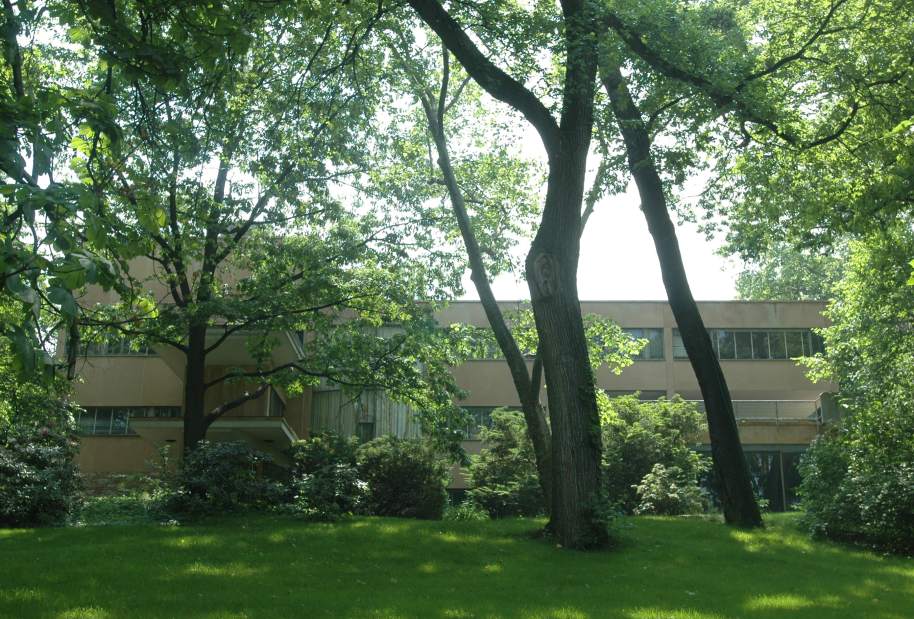
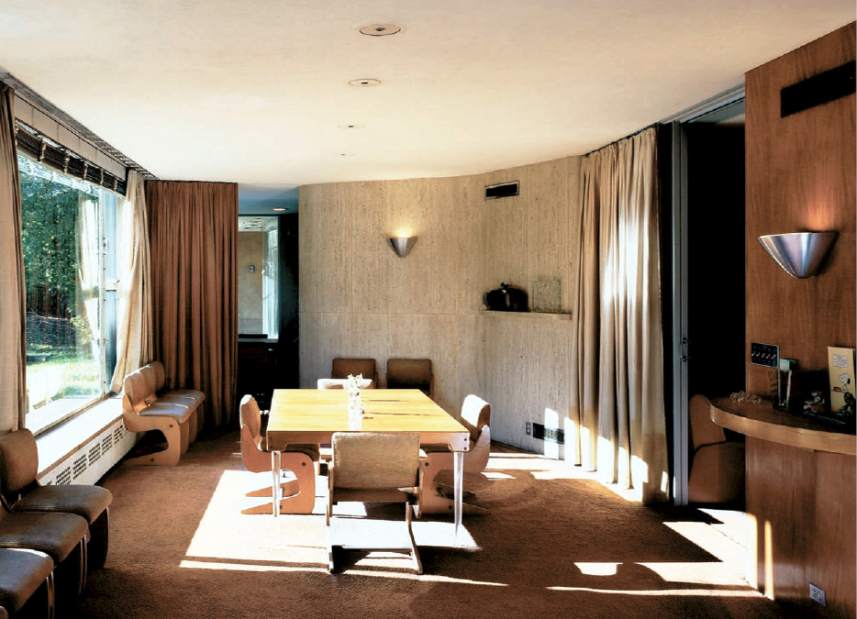
His work in Pittsburgh was among his best. The Shadyside house -- it is called the Frank House, after the family that built it -- is nothing short of awesome. It was one of only a handful of houses that Gropius and his partner, Marcel Breuer, designed in the United States, and it is, by far, the largest, with four levels of living space, an indoor swimming pool and a rooftop dance floor.
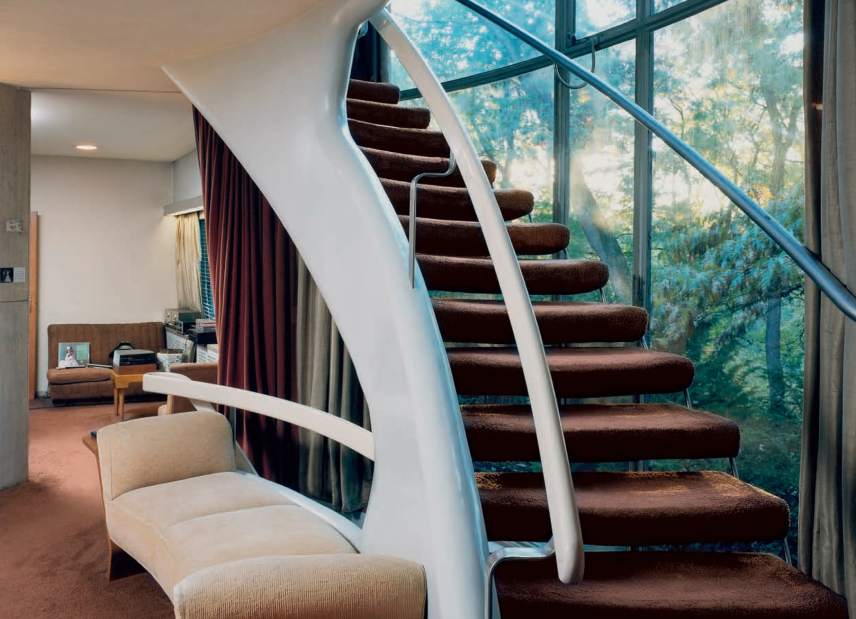
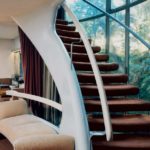
It sits up high, and at first glance, it looks like a typically rectilinear Bauhaus product. But as you approach the house on its winding drive, you begin to recognize that the tan-pink color of the exterior is not concrete or stucco, as you might expect from seeing Bauhaus buildings in textbooks or in person in Europe. Instead, it is Kasota stone from Minnesota. And a curved glass wall at the exterior reveals a cantilevered set of curved steps leading up from the main floor.
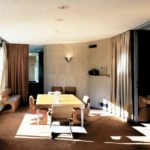
There is no strictly rectangular room on the main floor of the Frank House -- each major room has some curved feature to it, and the architects made use of stone and rich wood paneling to give the house warmth. Breuer designed more than 200 unique pieces of furniture for the house and many textile designs were by Anni Albers -- another Bauhaus expatriate. Four pieces of the Breuer furniture are on loan to the Carnegie Museum of Art and can be seen there.
The house is owned and still lived in by Alan I.W. Frank, the son of civic leaders Robert and Cecelia Frank, who built it. He has set up a foundation to raise funds to, ultimately, turn the house into a museum.
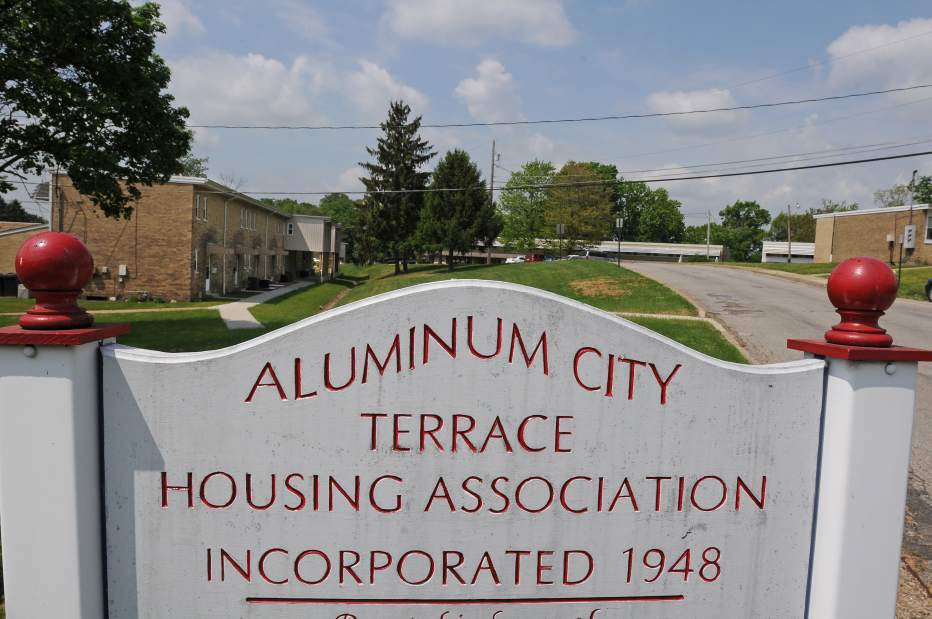
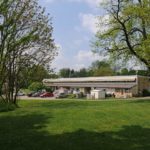
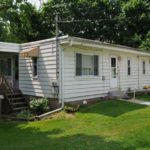
Gropius and Breuer spent two years designing the Frank House. By contrast, they designed Aluminum City Terrace in New Kensington -- a project of 35 row-house buildings and 250 apartments -- in a rushed 12 days in 1941. Gropius had designed several housing projects in Germany in the 1920s, and when the Roosevelt administration needed housing in a hurry for workers in mills being converted for defense work in the Allegheny Valley, they turned to Gropius.
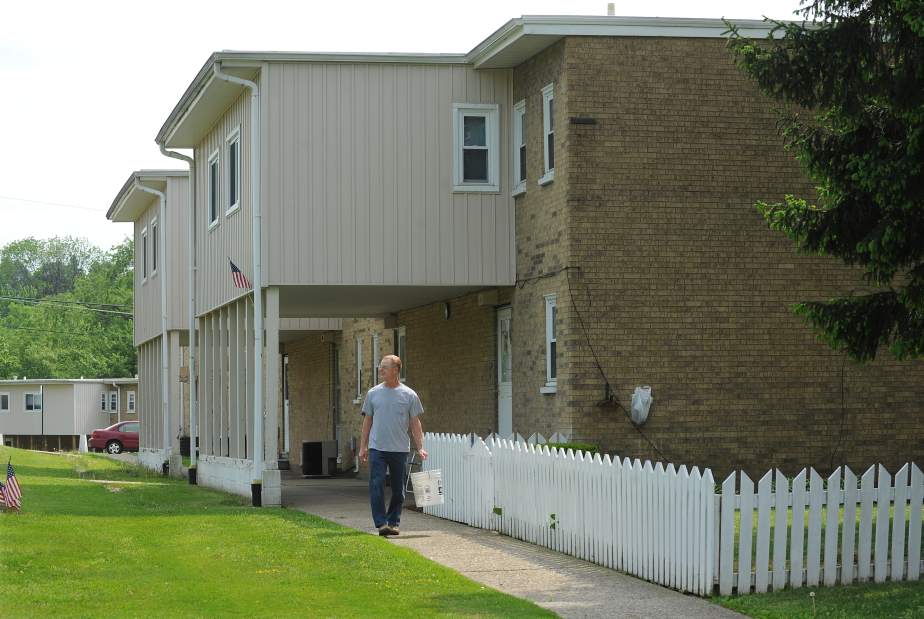
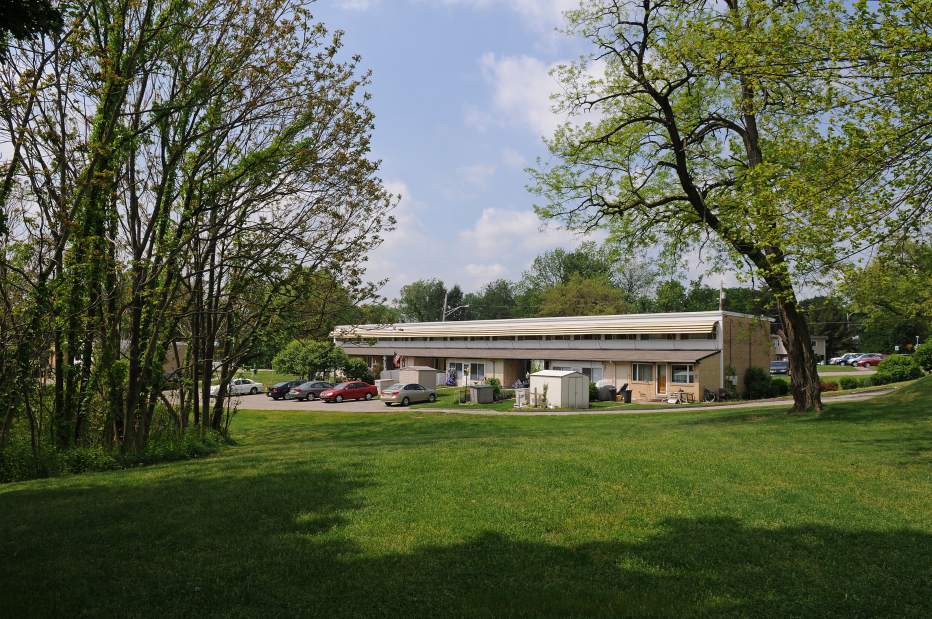
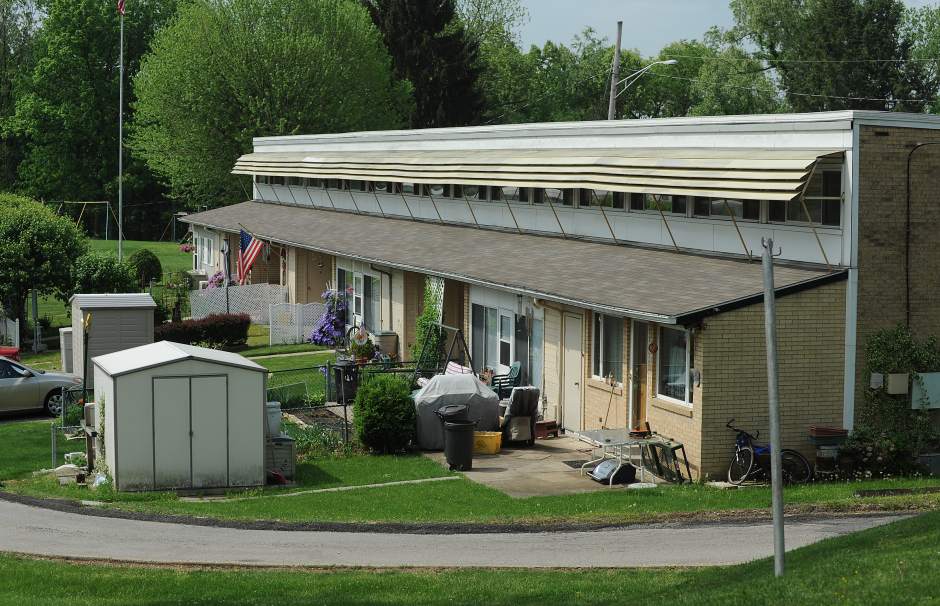
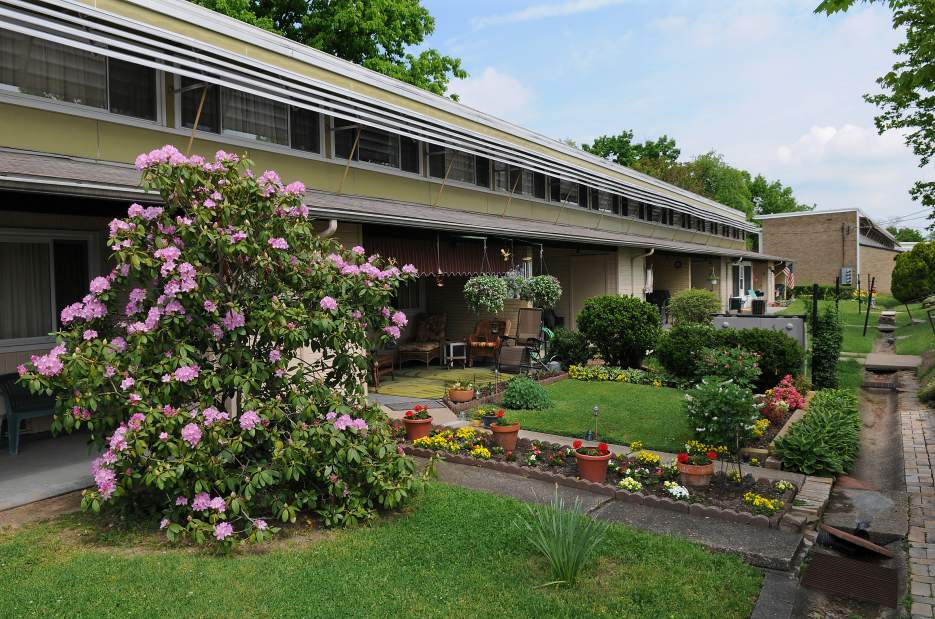
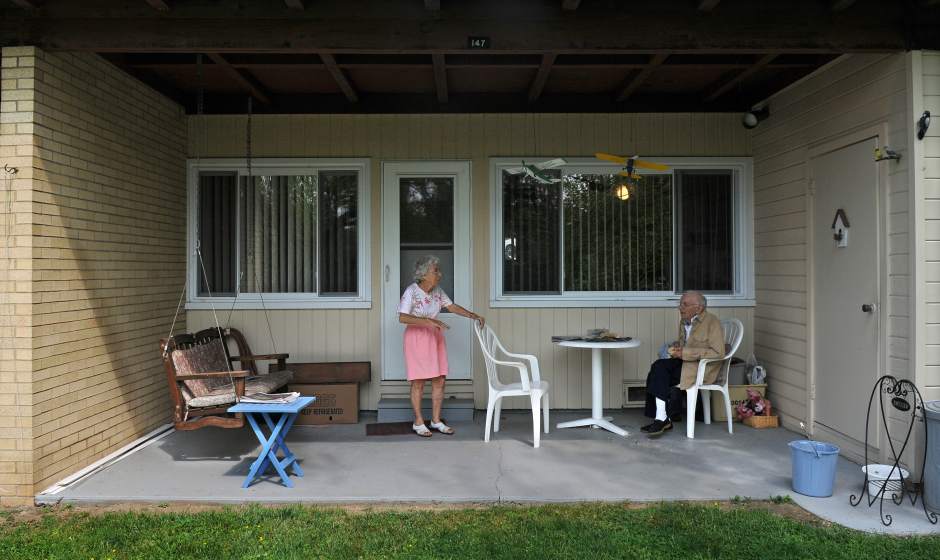
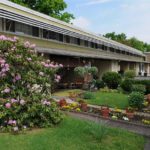
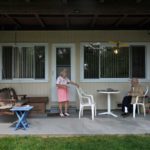
Gropius and Breuer produced a layout in which almost every one of 35 buildings faced the sun. Large windows let huge amounts of light into the open-plan interiors, which mostly had just low partitions to divide the main living spaces. All this made the units seem larger. Wooden sunscreens shielded the windows from the high summer sun, but admitted low winter sun. And every unit was provided with its own partially enclosed patio.
This was not unlike what the architects had designed in vastly more-spacious private houses in New England at the time, including Gropius' own house in Lincoln, Mass., which is now a museum.
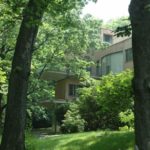
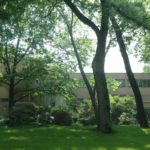
They laid out the buildings along a ridge with special attention to the land contours, allowing relatively easy walking despite a typically hilly Pittsburgh-area site. This resulted in the broad lawns and now-matured trees much valued by residents today.
When Aluminum City Terrace was built, there was no aluminum in it -- most aluminum production was being redirected from consumer products to the burgeoning war effort. It was made of brick, cedar and glass, though it had the very spare, strictly rectangular style that characterized Bauhaus architecture. The "Aluminum City" name comes from the nickname for New Kensington itself because of the historic -- now closed -- Alcoa plant there, which once employed as many as 7,000 workers.
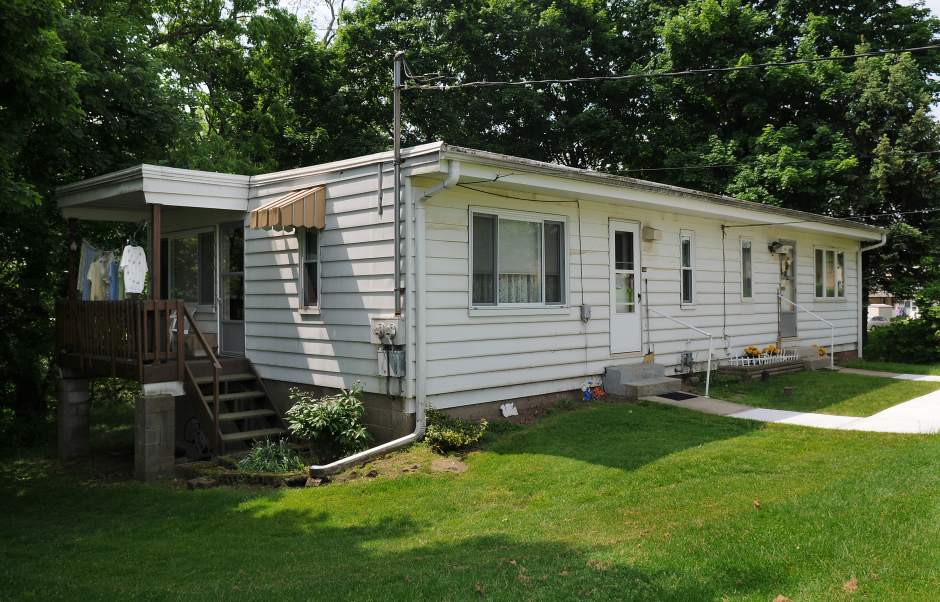
Although it started as government-owned housing, in 1948 it was converted to a resident-owned cooperative. Since then, the buildings have been significantly remodeled. In the 1960s, all had most of the wood siding removed and the wooden sunscreens were replaced with long, aluminum, louver-like sunscreens. While they don't look at all like the historic Bauhaus-style product they once represented, they are still attractive. And the Terrace as a whole still meets the requirement that Gropius set: that mass housing be every bit as well-designed as anything he produced for affluent clients.
A distinctive bunch
Walter Gropius (1883-1969) is usually ranked as one of the 20th century's "form-giving" architects, right up there with Frank Lloyd Wright, Le Corbusier (the French-Swiss architect) and Ludwig Mies van de Rohe (a German colleague who also re-settled in the United States).
Of this group, though, Gropius was, by far, the most modest -- the least self-promotional of a notoriously arrogant bunch. From the beginning of his career, he often worked in collaboration with other architects, and he even called the firm he founded in the United States "The Architects' Collaborative." His two works in Pittsburgh were done in partnership with Marcel Breuer, a former Bauhaus student who later became famous in his own right.
It's hard to resist pointing out that the comparatively modest and collaborative Gropius was also the only one among this elite group of "greats" who practiced under his own name.
Le Corbusier was born Charles-Edouard Jeanneret. Historians can't agree on why he adopted the more distinctive pseudonym for himself. And Ludwig Mies, a stone mason's son, added the van der Rohe (from his mother's family) to make himself seem more important to wealthy clients in Germany. Wright was christened Frank Lincoln Wright in 1867 -- two years after the death of Abraham Lincoln. He later pegged his birth date as 1869 and called himself Frank Lloyd Wright, also appropriating the name of his mother's family. It probably didn't hurt that the name could be read to mean "Free Wise Maker" in Welsh.
