






PPG Place, though it dates to only 1984, is a Pittsburgh icon.
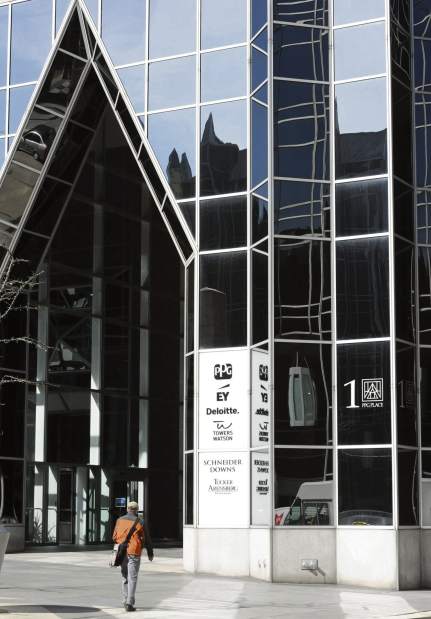
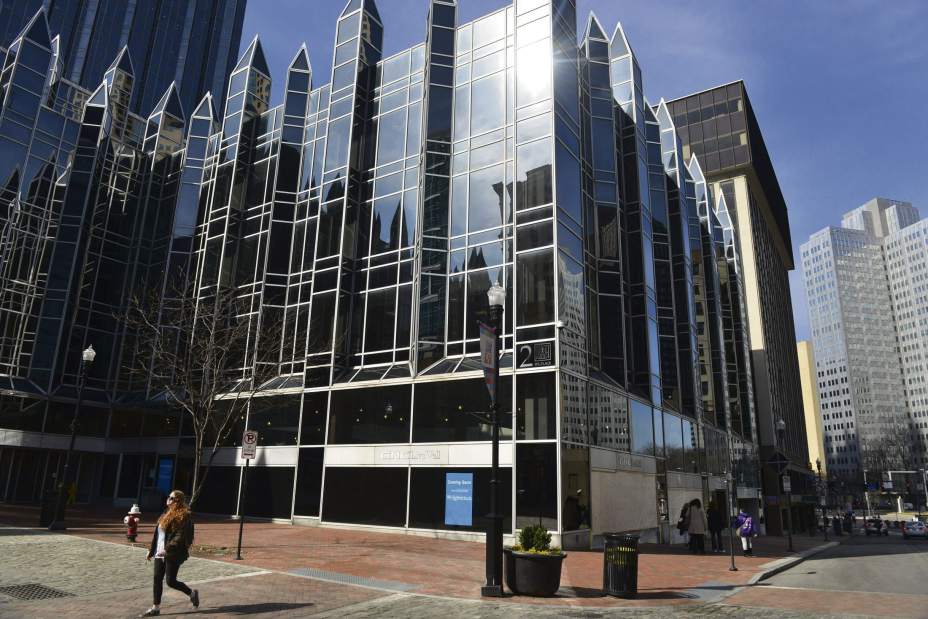
Designed by the famous architect Philip Johnson, it is a complex of six buildings with reflective black glass from street level up to the tips of the shiny Gothic-inspired glass pinnacles placed around the tops of all its buildings. With its 40-story main tower, this shimmering black glass is a feature that gives the development an unmistakable identity.
Johnson said the building was intended to recall prominent older buildings in town, such as Pitt's Gothic-like Cathedral of Learning, while at the same time highlighting PPG's history as a maker of glass.
PPG Place is an important landmark in the development of what's called post-modern architecture — a movement that Johnson helped lead in the United States. It's one of only three Downtown buildings — the 19th-century's Allegheny County Courthouse and the old Alcoa Building from the 1950s are the other two — that occasionally show up in architectural history books.
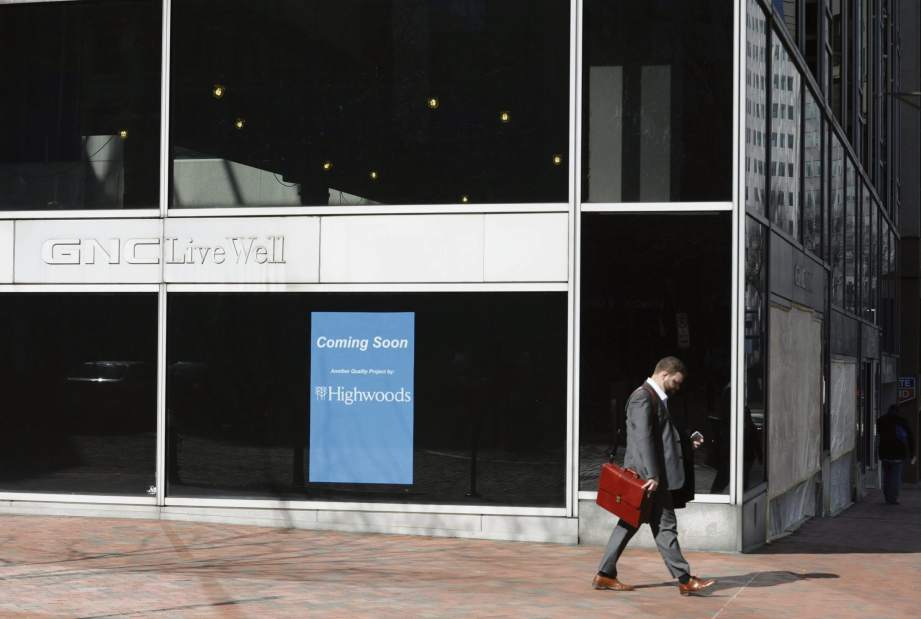
Yet, the current owners of PPG Place — the well-known North Carolina real-estate developer Highwoods Properties — are, little by little, sacrificing the carefully detailed design of PPG Place as they seek to attract and emphasize prominently the identity of their tenants.
These are changes that insult the character and quality of the building itself.
On March 8, the City Planning Commission — which doesn't have much to say about aesthetics — approved a Highwoods plan to install a new restaurant facing the corner of Market Square and Forbes Avenue near the Stanwix Street end of Forbes.
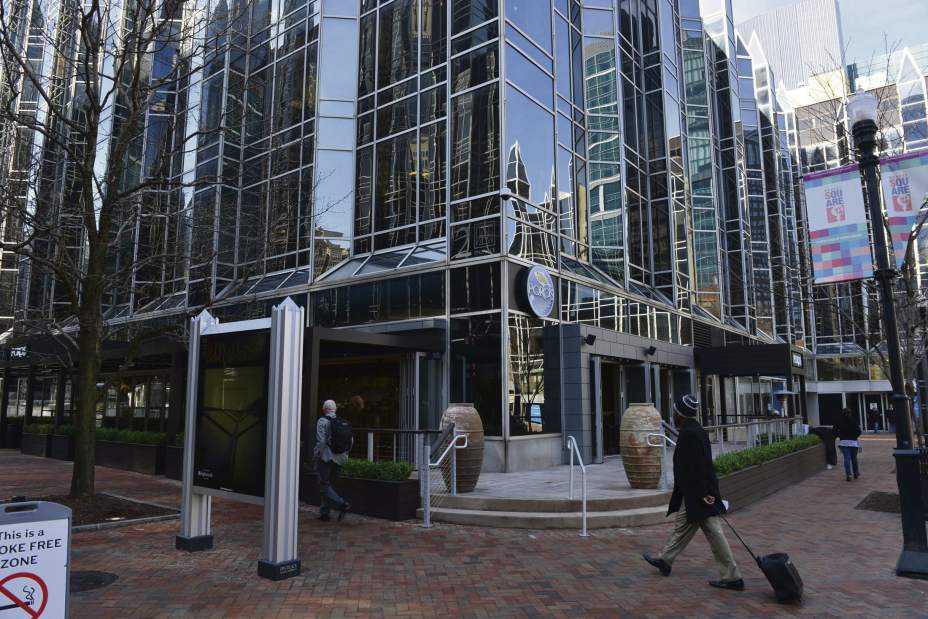
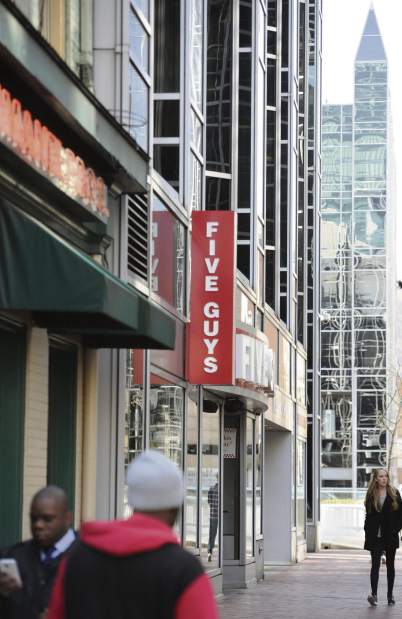
It's going to create nothing less than clutter. There's already a recently added Five Guys hamburger shop with a blaring red-and-white sign and canopy that curves out from the black glass-and-metal facade of one of the six buildings at PPG Place. The recently opened Poros restaurant installed what looks like a fake stone facade (made of gray metal, which you'll see if you go up and knock on it) in place of the glass that characterizes PPG Place.
This soon-to-come third restaurant — a chain known as City Works — uses a distinctive copper cladding on the front of its restaurants as a branding tool, and it is going to do the same here. We will have the red and white from Five Guys, the gray from Poros, the blue from an existing PNC bank branch, and now the copper from City Works, all visible from Market Square along the facades of PPG.
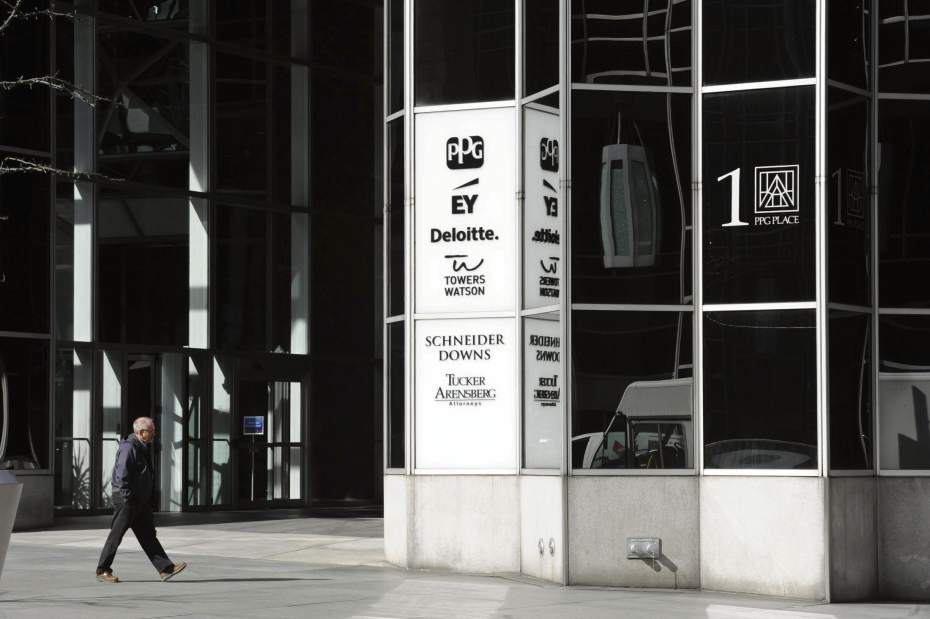
To make matters even worse, Highwoods has taken to installing large-scale white panels — in place of black glass — on its buildings at PPG Place in order to identify its main tenants.
Highwoods, of course, defends this. They note two things: that their corner of Market Square has never been as lively as the rest of the square and that the new restaurants will correct that; and that they are only changing those facades that are near to or face the square. They have no plans, they say, to similarly alter facades that face the interior plaza of PPG Place itself.
There are red flags all over this argument. First, most of the of the rest of Market Square restaurants have installed street-level dining and restaurant entrances without dramatically changing the facades of their buildings. Unlike the part of Market Square where PPG is situated, they are part of the Market Square historic district and likely wouldn't be able to make drastic changes anyway.
Second, those white panels — which do face the interior plaza — are, well, let's not mince words here, tasteless.
To be sure, the liveliness argument is a good one — it's just that the liveliness could be added without all these gray metal, copper and red-and-white signs on the face of a landmark. This is how good architecture gets gradually chipped away. These changes might look acceptable to many of us today when they are new, but as they get older and are maybe even further altered, they will only look out of place.
It's also worth remembering that PPG Place could last for generations, while the average life of new restaurants is five years.
There is one especially good thing to say about Highwoods — and this is worth saying, and not just for balance. We can be grateful that they've not only maintained but have spent money to enlarge and update two important public amenities in the plaza at the center of PPG Place — the hugely popular ice-skating rink that graces the plaza in the winter and the ground-level fountain that kids so love to play in during the summer.
So, it's good on the one hand. But not very good at all on the other.
John Conti is a former news reporter who has written extensively over the years about architecture, planning and historic-preservation issues.
