

It may be the last day of April, but we can finally say it —even exuberantly shout it: Glorious spring has arrived!
The warm sunshine and brisk breezes make a perfect excuse for taking long walks to admire the bursting blossoms. And after a pleasant stroll through the neighborhood, a glass of chilled dry rosé offers incomparable refreshment.
Freshness provides the key in selecting dry rosés. Ideally, the wine should be from the immediate past vintage. So currently, 2013 rosés make the best choice.
Not long ago, finding fresh, dry rosés in Pennsylvania wine stores represented a long shot at best. But times have changed, at least at the PLCB's Premium Collection Stores. Delicious 2013 dry French rosés have begun rolling in right on time.
Authentic rosés range in color from light pink to dusty salmon. Because the wines come from red-skinned grapes, the color derives from limiting the juice contact with the skins prior to fermentation.
In some cases, rosé winemakers use only the lightly tinted “saignée” juice that “bleeds” off the crop prior to crushing the grapes. In another method, the winemaker gently crushes the crop but allows the juice to sit on the skins for a brief few hours before pressing.
In either case, the best dry rosés offer delicate floral and fruity aromas. Crisp, tantalizing fruity flavors follow with refreshing mineral notes. Served well-chilled, they complement everything from classic Salad Niçoise to simple cheese and meat plates with fresh baguettes.
Focus on wines from the south of France, where dry rosés have fit naturally into daily routines and cuisines since the Roman era. Cue the Vivaldi, and enjoy the following:
The 2013 Petit Rimauresq Côtes de Provence Rosé, France (Luxury 48706; $13.99) comes from Provence's largest appellation producing over 120 million bottles annually, with nearly 90 percent being rosé. The sunny climate, cooling Mediterranean breezes and rocky soils provide ideal grape-growing conditions.
This wine blends grenache, cinsault and syrah crushed and allowed to rest at cold temperatures for several hours on the skins. Fermentation at cool temperature aims to capture freshness. After fermentation, the wine rests on the “lees” — the spent yeast — to add a touch of creaminess and body without a hint of oak.
The wine's light-salmon color unfolds cherry and light-herbal aromas. Quince and strawberry flavors balance with fresh acidity and light creaminess through the dry, refreshing finish. Recommended.
The 2013 Commanderie de la Bargemone Coteaux d'Aix en Provence Rosé, France (Luxury 48713; $14.99) comes from a domaine with roots dating to the Knights Templar in the 13th century. Today, the wine blends syrah, grenache, cinsault and cabernet sauvignon.
Pressing the grapes directly without lingering skin contact results in a pale “onion-skin” color. Intriguing floral, peach and grapefruit aromas lead to bright citrus and strawberry flavors. Vibrant acidity frames a dry finish. Highly recommended.
The 2013 Pink Pégau Vin de France, France (Luxury 48715; $17.99) comes from talented winemaker Laurence Féraud of Domaine du Pégau in Châteauneuf-du-Pape. This tasty wine uses 100 percent cinsault grown in stony vineyards just four miles away from Châteauneuf-du-Pape.
After direct pressing, the juice is fermented in enamel, temperature-controlled tanks to preserve freshness. The wine's pale-pink color offers engaging strawberry and honeysuckle aromas. Rich berry and citrus flavors balance with lively acidity and mouth-watering mineral notes. The dry finish lingers pleasantly. Highly recommended.
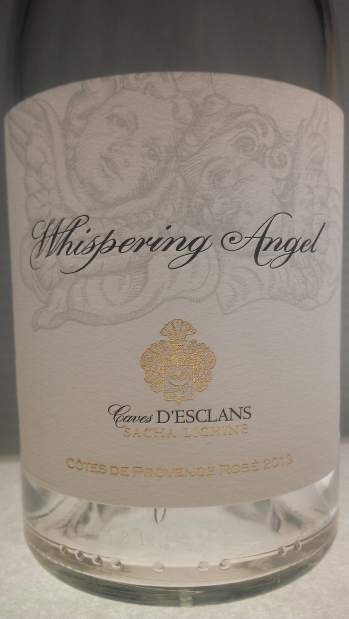
The charismatic Sacha Lichine oversees production of the 2013 Caves D'Esclans “Whispering Angel” Côtes de Provence Rosé, France (Luxury 48590; $19.99). Monsieur Lichine uses estate-grown fruit along with purchased grapes grown in vineyards in the highly regarded La Motte en Provence subzone.
Both “saignée” juice and direct-press juice go into the blend of grenache, rolle, cinsault, syrah and tibouren. After fermentation in stainless steel at cool temperatures, the wine rests on the lees with twice-weekly stirring to lend body and creaminess.
The fetching light-orange color offers delicate floral and red-currant aromas. Fresh citrus, strawberry and melon flavors balance with fresh acidity and lovely mineral notes. Subtle creamy notes carry through the refreshing, dry finish. Recommended.
Dave DeSimone writers about wine for Trib Total Media. He can be reached at ddesimone@tribweb.com.
