

SAVANNAH, Ga. — Patriot militiamen scored a rare Revolutionary War victory in Georgia after a short but violent gunbattle forced British loyalists to abandon a small fort built on a frontiersman's cattle ranch.
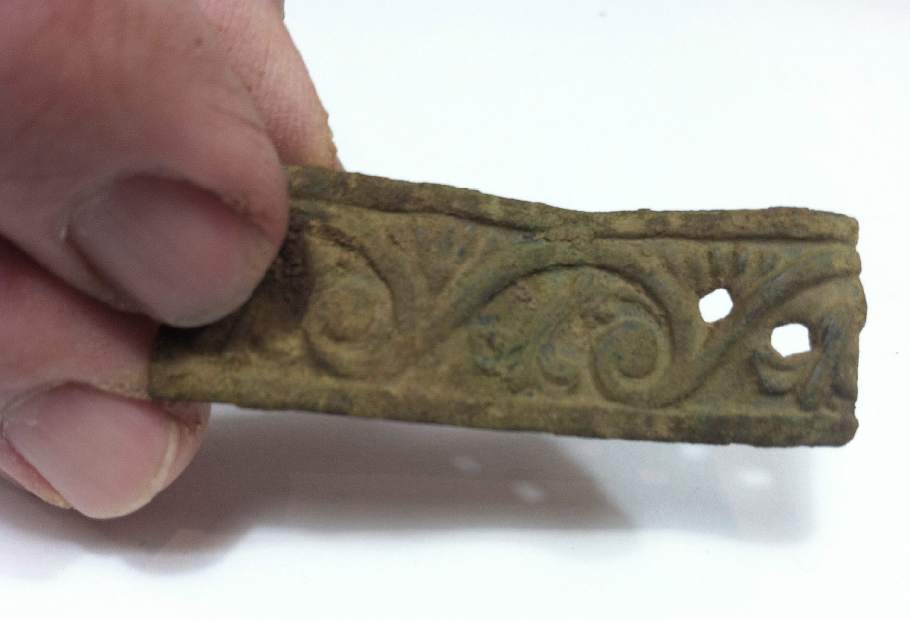
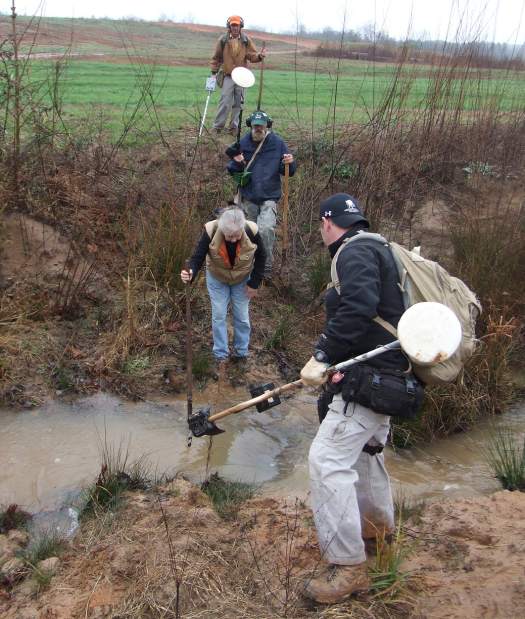
More than 234 years later, archaeologists say a search with metal detectors covering more than 4 square miles turned up musket balls and rifle parts as well as horseshoes and old frying pans, pinpointing the location of Carr's Fort in northeastern Georgia.
The February 1779 shootout at Carr's Fort turned back men sent to Wilkes County to recruit colonists loyal to the British army. It was also a prelude to the more prominent battle of Kettle Creek, where the same patriot fighters who attacked the fort went on to ambush and decimate an advancing British force of roughly 800 men.
The battles were a blow to British plans to make gains in Georgia, the last of the original 13 colonies, and other Southern settlements by bolstering their ranks with colonists sympathetic to the crown. Less than two months before, British forces had captured Savannah.
“The war was going badly up north for the British, so they decided to have a southern campaign and shipped a huge amount of troops down here and started recruiting loyal followers,” said Dan Elliott, the Georgia-based archaeologist who found the fort with a team from the nonprofit research group the LAMAR Institute.
“Kettle Creek was probably the best victory that the Georgians ever had in the Revolutionary War. Most battles were failures like the capture of Savannah.”
Carr's Fort, midway between Athens and Augusta, was one of numerous small outposts on the colonial frontier built for American settlers to defend themselves against enemy soldiers and hostile Indians.
