
Study finds women induced at 39 weeks less likely to need cesarean


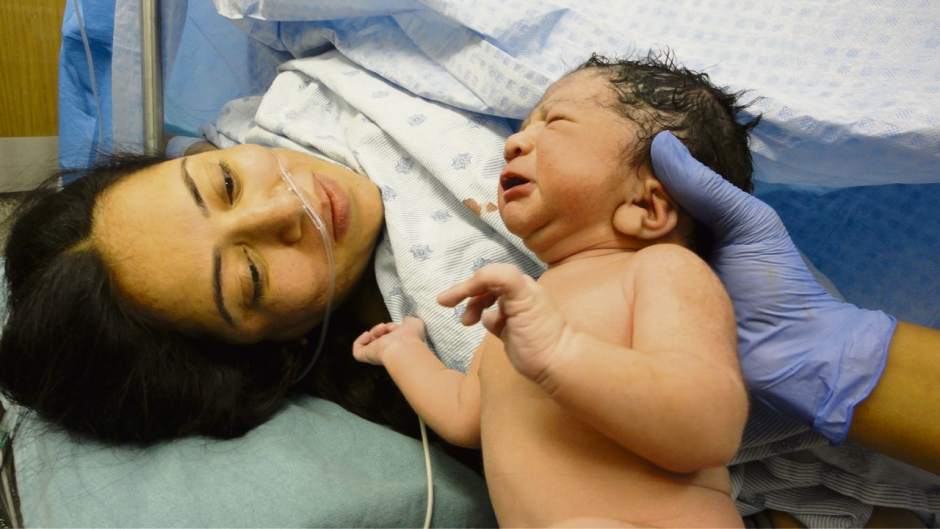
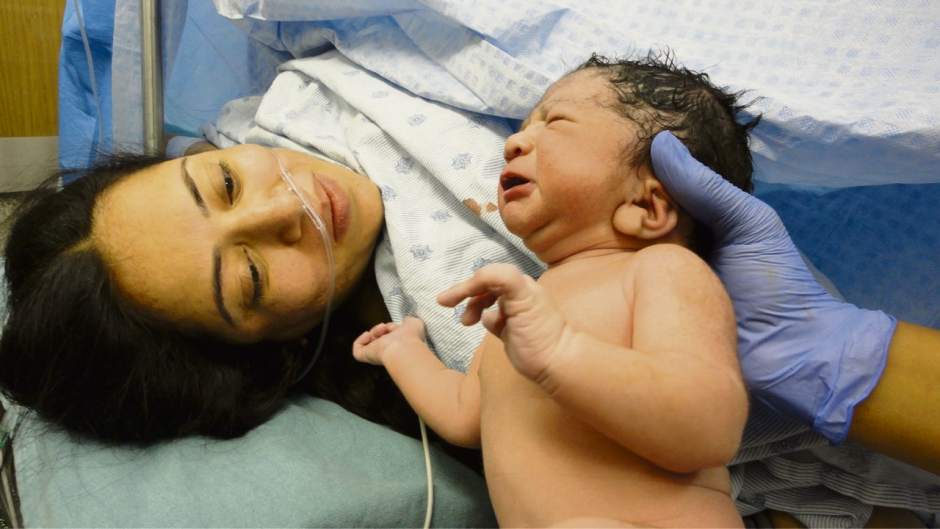
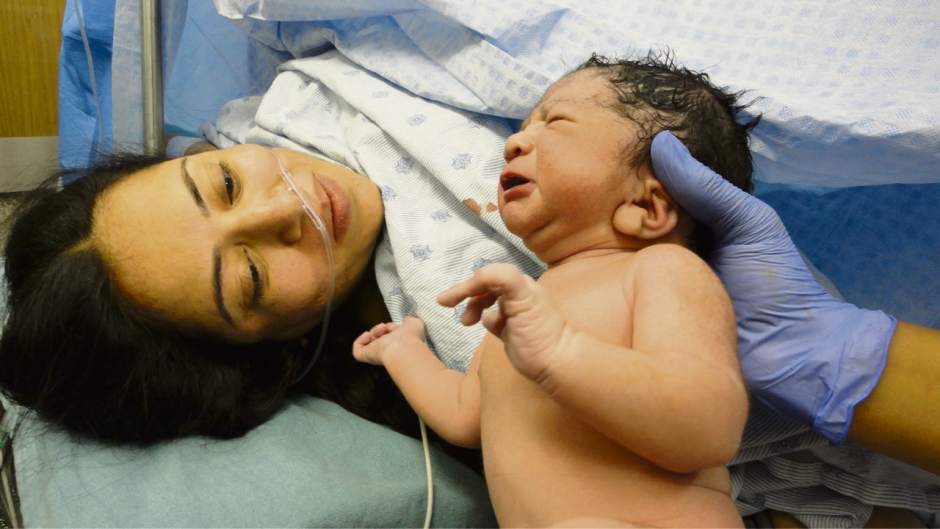
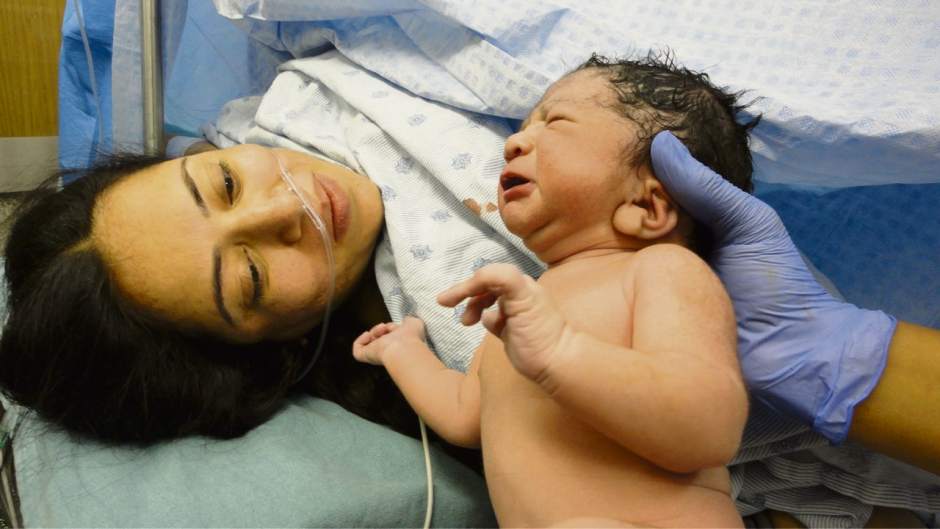
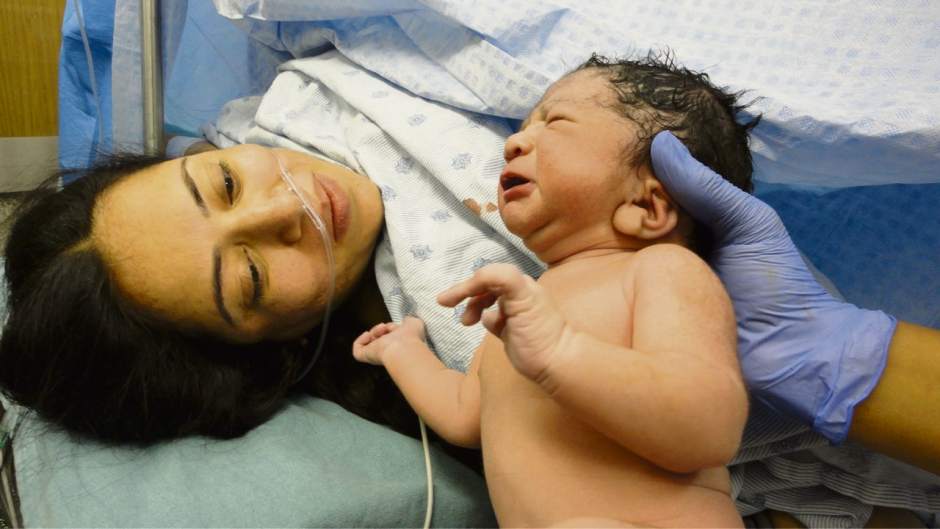
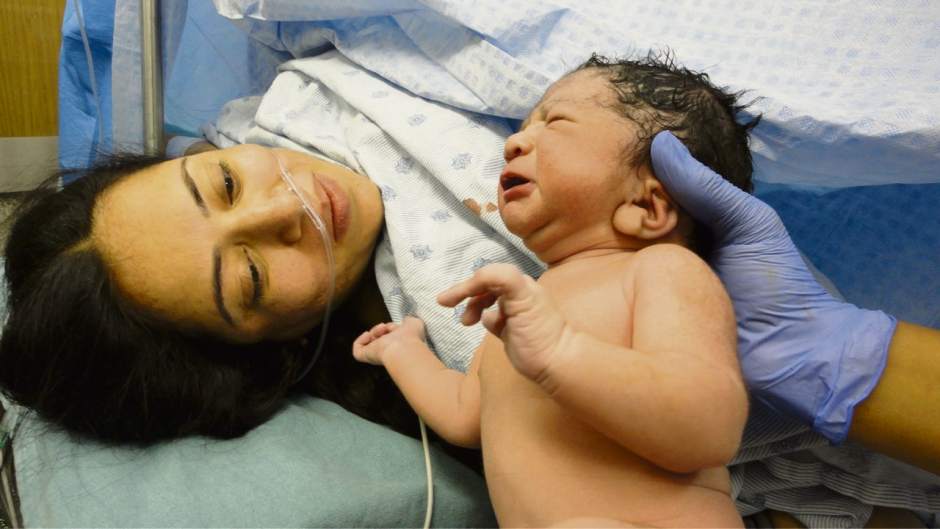
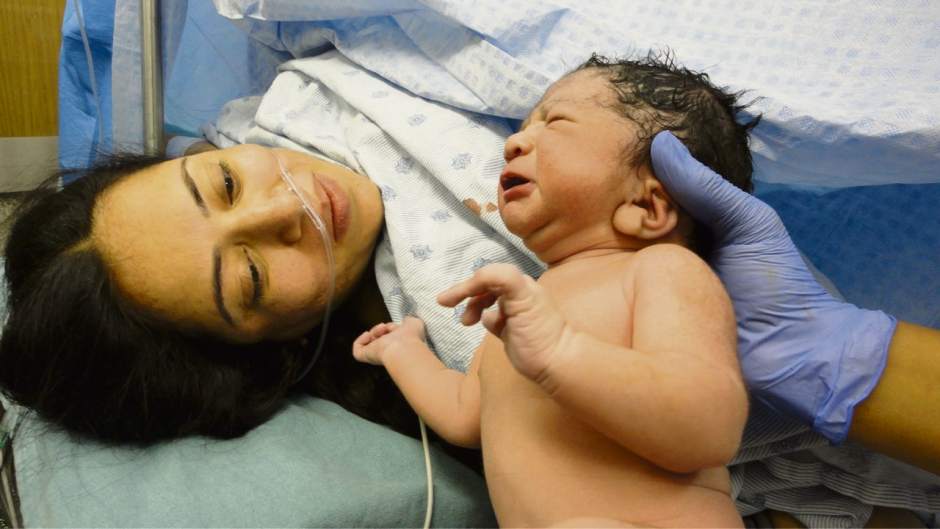
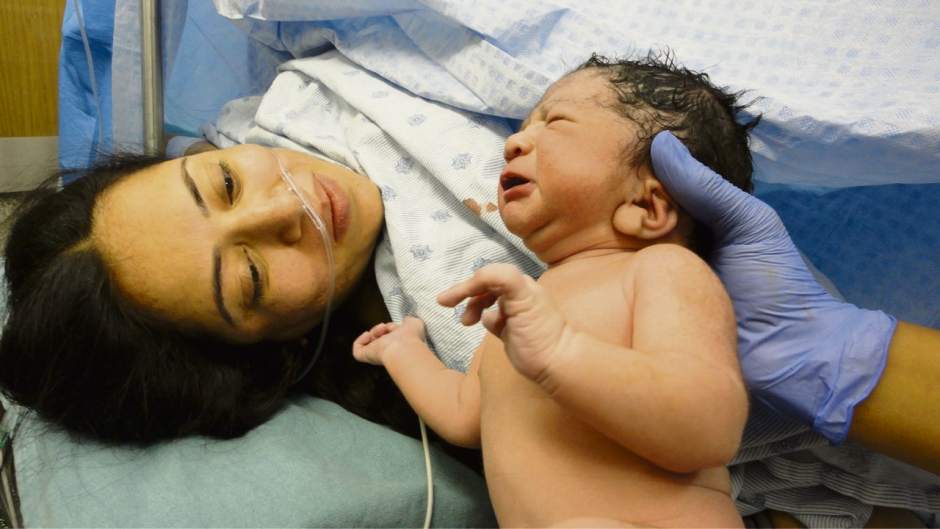
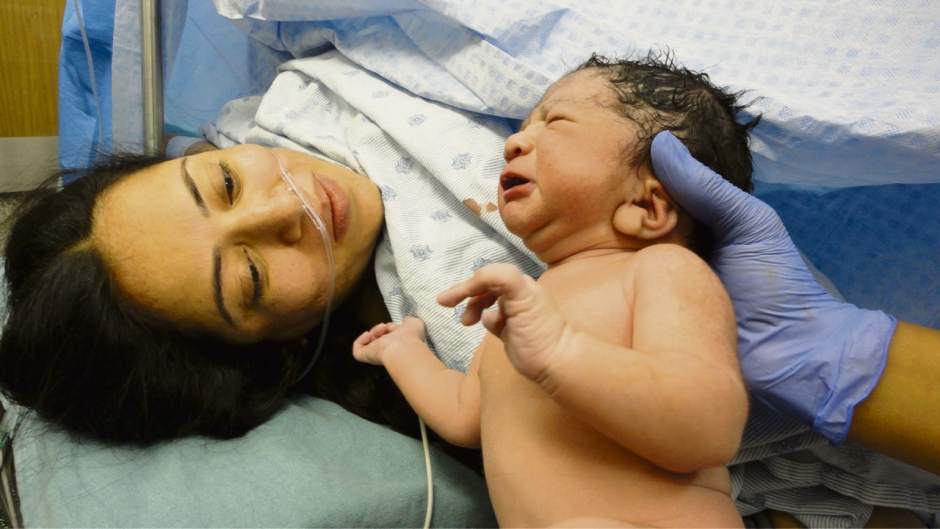
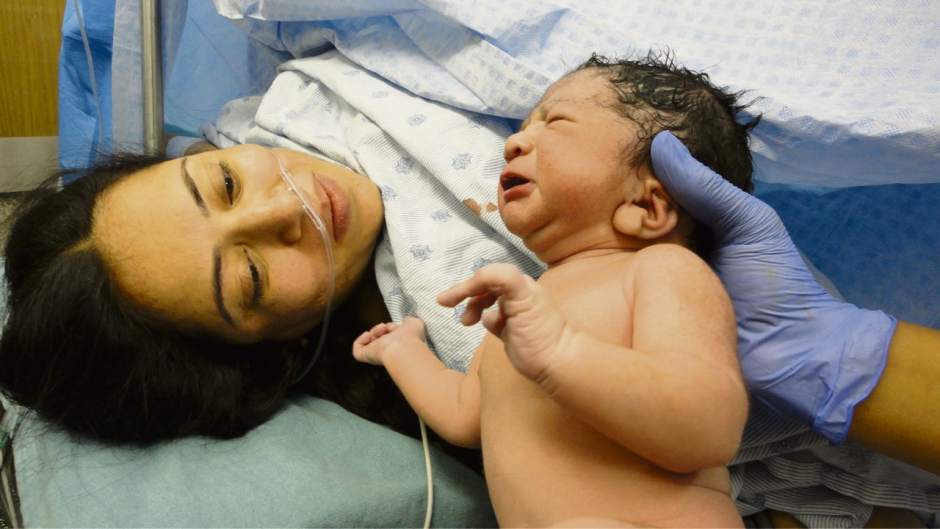
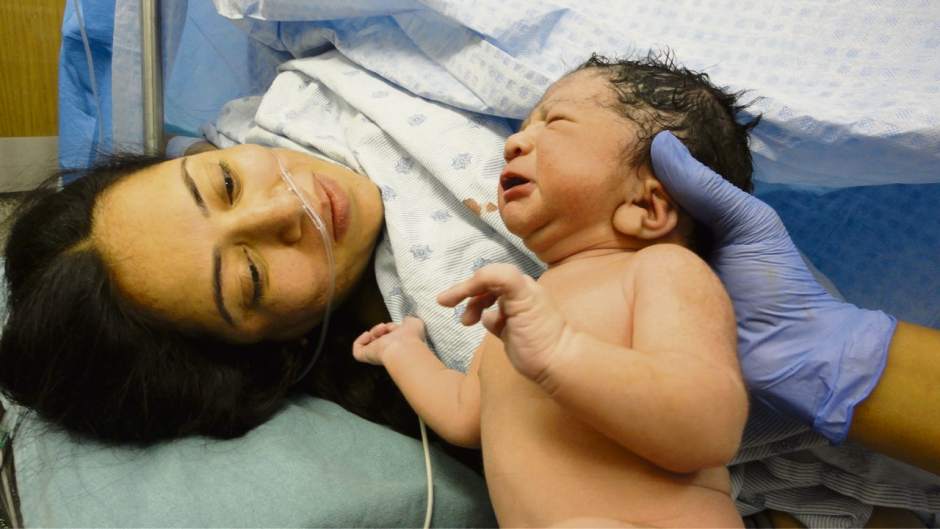
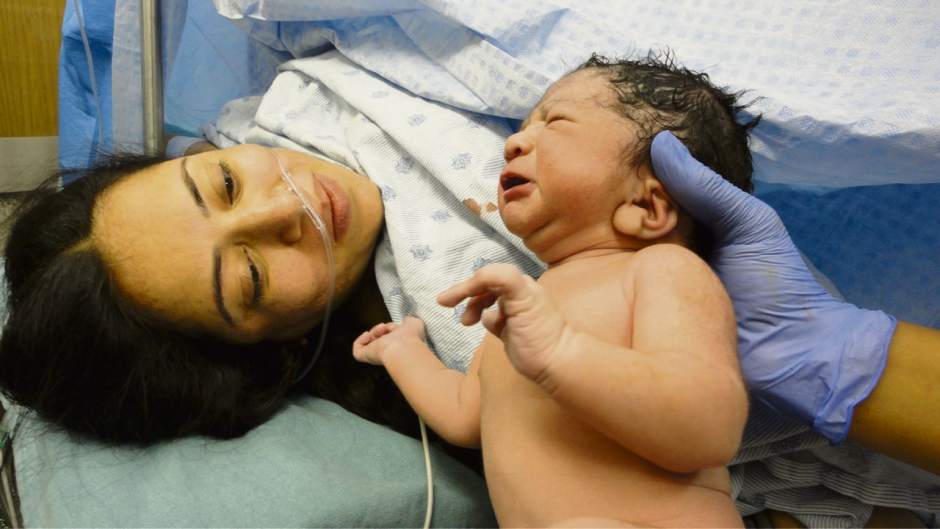
First-time mothers who are in good health and whose labor is induced a week before their delivery date are less likely to have a cesarean delivery, according to a recent study from the National Institutes of Health.
“It's a low risk for first-time mothers,” said Hyagriv Simhan, vice chair of Obstetrics at Magee-Womens Hospital of UPMC in Oakland who served as the NIH's principal site investigator for the study.
A normal pregnancy is 40 weeks and current guidelines recommend against elective inducement of labor without a valid medical reason. Simhan said the results of this new study have the potential to change that way of thinking.
More than 6,100 first-time mothers in the Eunice Kennedy Shriver National Institute of Child Health and Human Development from across the country at 41 different hospitals — including Magee — participated in this study, which was conducted from March 2014 through August 2017. Participants were randomly assigned to inducement or to expectant management, the NIH said.
The study found cesarean delivery occurred 19 percent of the time in the induced mothers, and 22 percent in the expectant management group. Study results found pre-eclampsia and gestational hypertension took place in 9 percent of the induced group compared with 14 percent in the expectant management group. Also, 3 percent of the babies who were induced needed help with breathing versus 4 percent in the expectant management group.
“The purpose of this study was to find out if inducing labor at 39 weeks of pregnancy can improve the baby's health at birth when compared with waiting for labor to start in its own,” Simhan said. “These promising study results challenge the conventional wisdom that inductions increase the risks of cesearean delivery, and I think many women, and perhaps OB/GYNS, will be surprised by the study results.”
Morgan Webb of Canonsburg was one of the study participants who opted to be induced at 39 weeks.
“They asked me if I wanted to be a part of the study and I said yes,” said Webb, who gave birth to her daughter, Emerson Kessler, six months ago. “I thought it was a great study. It relieved a great amount of stress on the baby and the mother.”
While the results of the study have not yet been peer-reviewed, the study's authors and the NIH felt the results were significant enough to release, UPMC said.
“This is a landmark study and an important piece of information,” Simhan said. “Professional societies will need to opine.”
Suzanne Elliott is a Tribune-Review staff writer. Reach her at 412-871-2346, selliott@tribweb.com or on Twitter at @41Suzanne.
