
Leaf collection sucks up funding in Western Pa. communities

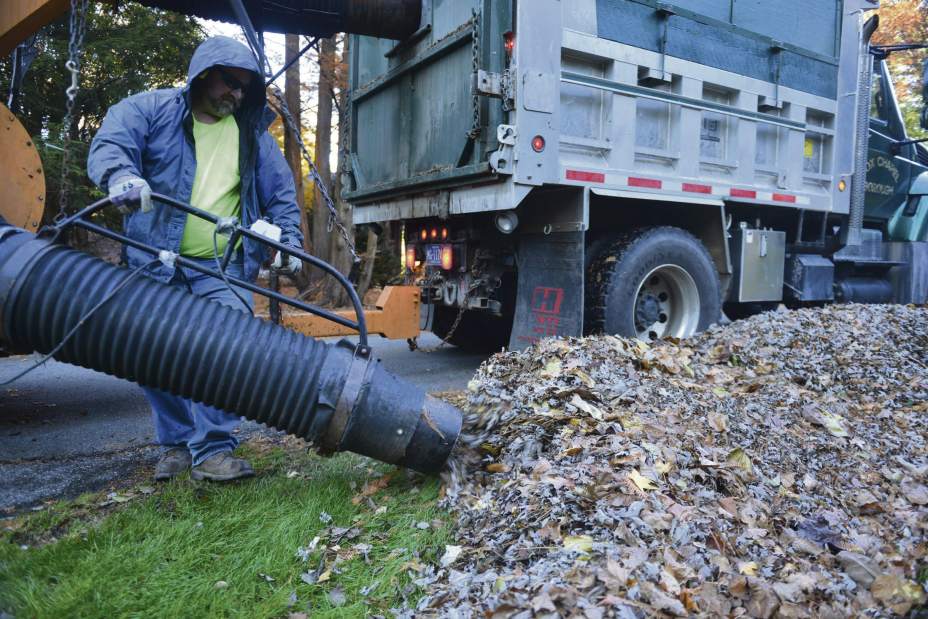

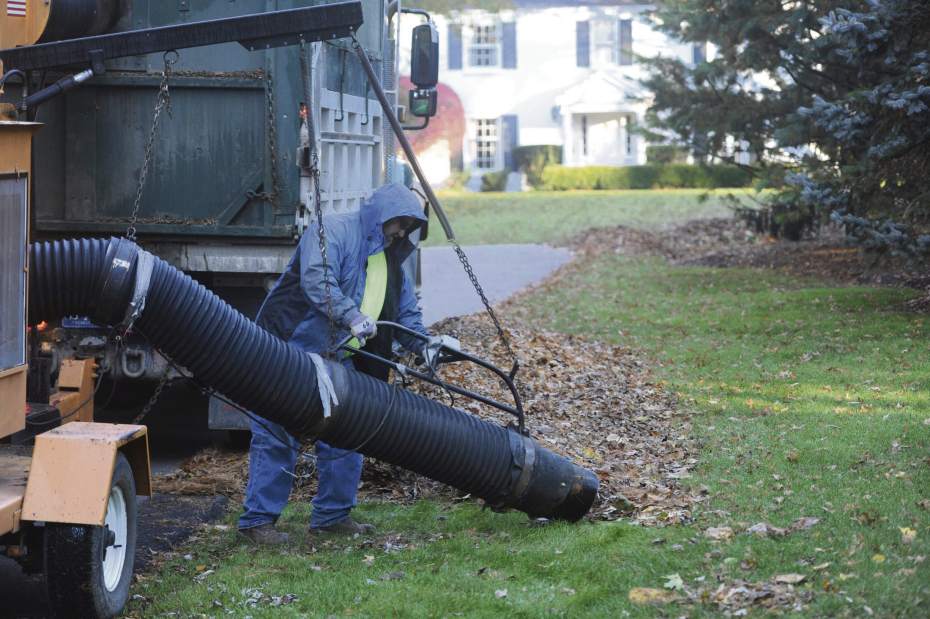
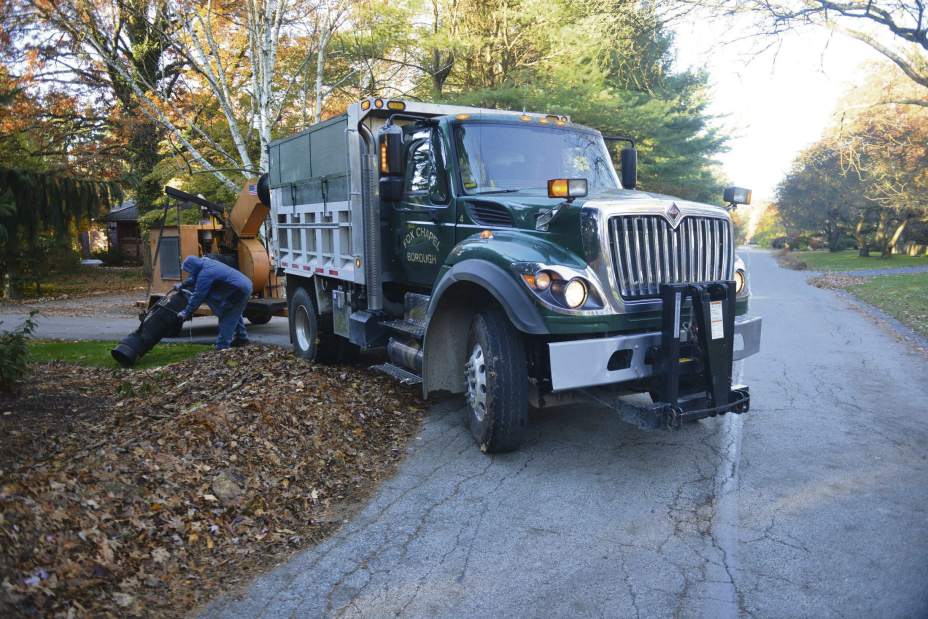
Last fall, municipal workers in Fox Chapel hauled 562 truckloads of leaves from yards.
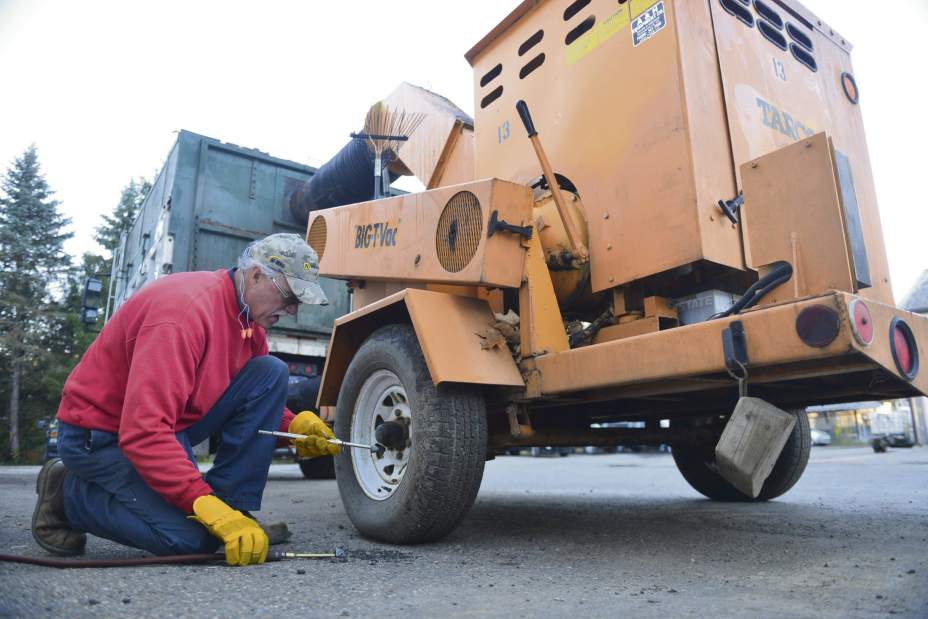
The four vacuum trucks the borough uses traverse about 50 miles of roads several times each year. Costs to run the trucks last year totaled $103,000 in labor and another $8,600 for fuel, and the borough also pays to send yard waste out for composting.
Fox Chapel officials say they'd like to reduce vacuum leaf collections, a state-of-the-art practice 40 years ago but one that Gary Kohler, borough manager, said is outmoded and costly.
“This was the way to remove leaves in the '70s and '80s. It's really not an environmentally practical way to do it,” he said. The borough is encouraging people to compost leaves on their own or blow them into wooded areas, where they'll decompose.
State officials this year began to encourage larger communities to set up their own drop-off composting sites, which they say make better use of degraded leaves and yard waste.
“We are strongly advising communities that the is the way to do it,” said state Department of Environmental Protection spokesman John Poister. “It can also save money.”
In Allegheny County, 57 municipalities are required to recycle leaves, based on population density, and those communities are being asked to offer composting.
Ten are required to recycle in Beaver County, 11 in Washington and 16 in Westmoreland.
So far, there are 18 municipal composting sites in Allegheny County, along with 11 privately operated large composting sites, DEP said.
“We have been working to eliminate the amount of leaves that go into landfills. Landfill space is now at a premium,” Poister said of the effort.
But while DEP is advocating more composting, “Right now, it doesn't look like legislation to require more of it is coming soon,” Poister said.
Robinson has a composting site on Leona Lane and takes leaves from other municipalities. The township, along with Sewickley, Mt. Lebanon and many other communities, also use giant vacuum trucks to pick up leaves and deliver them to sites where they'll be composted.
The street sweeping-style leaf collection is still popular with residents, said Jeffrey Silka, manager in Robinson. “It's the most efficient way to do it. You don't miss much” he said.
Leaf disposal is a big issue everywhere, says James Wheeler, director of environmental affairs for the Pennsylvania Association of Township Managers.
“Vacuuming is expensive. Funding for municipalities to buy equipment is not always there. Rural areas don't have mandated recycling, and there is citizen pushback to burning leaves,” Wheeler said.
In Upper St. Clair, a composting site opened this year at Boyce Mayview Park; residents can drop off leaves from 10 a.m. to 2 p.m. on the second Saturday of each month. It's in addition to the municipality's collection of bagged leafs.
“We started this because of the request from DEP,” said Ron Sarrick, Upper St. Clair's buildings, grounds and sustainability director. “It's time to add to the curbside program.”
Like Robinson, Upper St. Clair gives compost back to the residents. “It's popular with people, especially those with gardens,” Sarrick said.
At Boyce Mayview Park, long rows of leaves at the composting site are manually turned by front loaders each week.
Across Pennsylvania, disposal of leaves varies widely and includes everything from composting to burning.
Under Act 101 of 1988, municipalities with populations over 10,000 and those with between 5,000 and 10,000 residents that have population densities greater than 300 people per square mile are required to recycle, and this includes leaves and other yard waste.
Currently, 440 of Pennsylvania's 2,700 municipalities are required to recycle and offer curbside collection programs, according to DEP. Another 1,900 municipalities offer access to recycling programs, according to the department.
While Allegheny County banned leaf burning decades ago, not all surrounding counties do.
Butler Township collects bagged leaves at the curbside but also allows residents to burn leaves, with certain restrictions on hours.
“There have been discussions over the years about banning it. We have conducted public hearings and took input. The ordinance is a compromise,” manager Ed Kirkwood, adding, “People with respiratory problems can't stand it.”
Jamin Bogi, policy outreach coordinator for the Group Against Smog and Pollution, said he's encouraged by efforts to promote composting.
“Leaf burning is similar to burning wood. There's lots of carbon monoxide and the more wet leaves are, the worse of a burn,” he said. “It harms our health, when there is value in composting.”
Rick Wills is a staff writer for Trib Total Media. He can be reached at 412-320-7944 or at rwills@tribweb.com.
