Archive

Western Pennsylvania's trusted news source
NASA displays Apollo capsule hatch 50 years after fatal fire | TribLIVE.com
News

NASA displays Apollo capsule hatch 50 years after fatal fire

The Associated Press
ApolloFire50Years75830jpg8f3c0
In this Oct. 27, 1966, file photo, astronaut Virgil Grissom, center, prepares to join his crew aboard a rubber raft as he leaves an Apollo spacecraft in the Gulf of Mexico during training about five miles off the coast of Galveston, Texas. Edward H. White II is at left in the raft, and Roger B. Chaffee is at right.
ApolloFire50Years90414jpg16be1
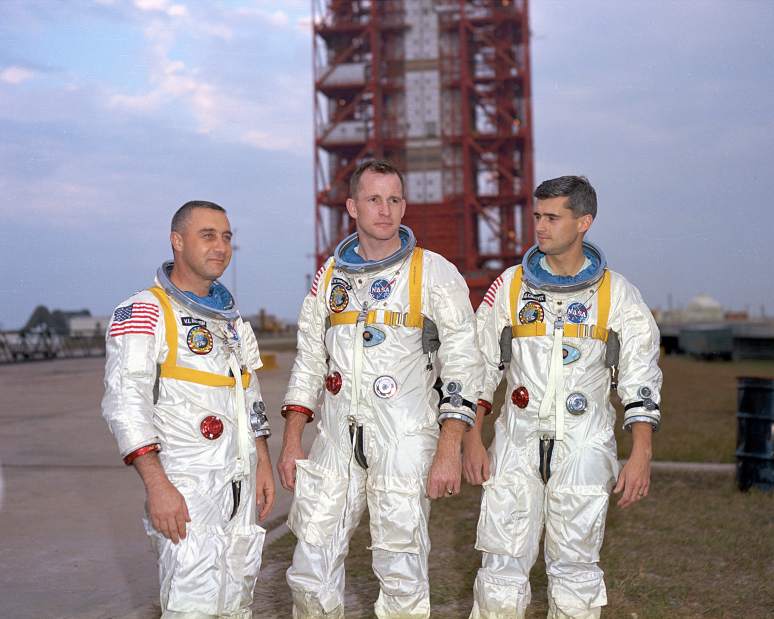
In this undated photo made available by NASA, from left, veteran astronaut Virgil Grissom, first American spacewalker Ed White and rookie Roger Chaffee stand for a photograph in Cape Kennedy, Fla. During a launch pad test on Jan. 27, 1967, a flash fire erupted inside their capsule killing the three Apollo crew members.
ApolloFire50Years84286jpgb6c18
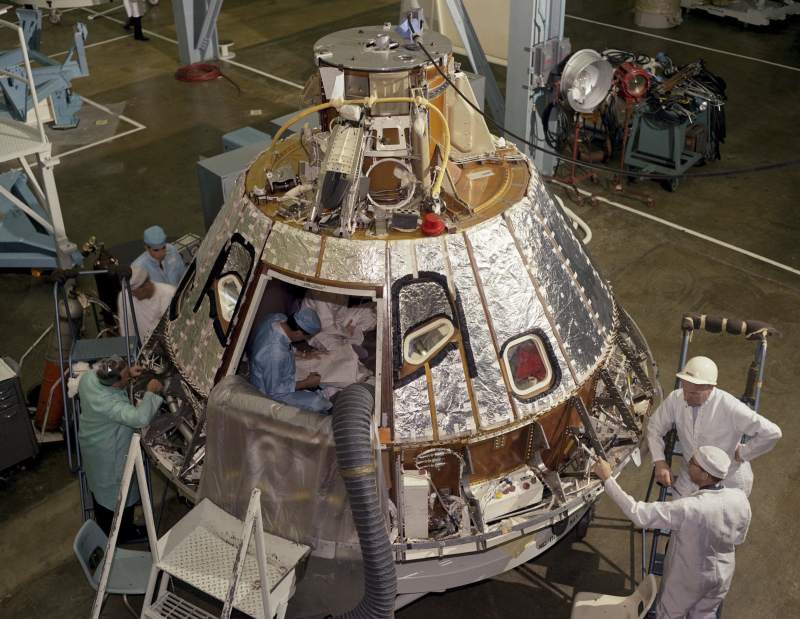
In this 1966 photo made available by NASA, technicians work on the Spacecraft 012 Command Module at Cape Kennedy, Fla., for the Apollo/Saturn 204 mission. During a launch pad test on Jan. 27, 1967, a flash fire erupted inside the capsule killing three Apollo crew members.
ApolloFire50Years66125jpg4c377
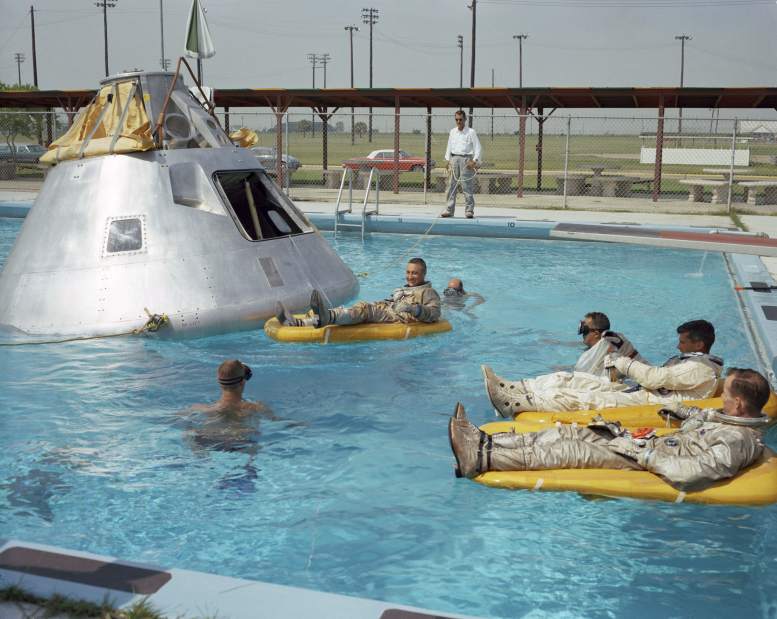
In this June 1966 photo made available by NASA, the Apollo 1 crew practices water evacuation procedures with a full scale model of the spacecraft at Ellington AFB, near the then-Manned Spacecraft Center, Houston. In the rafts at right are astronauts Ed White and Roger Chaffee, foreground. In a raft near the spacecraft is astronaut Virgil Grissom.
ApolloFire50Years62074jpgb3616
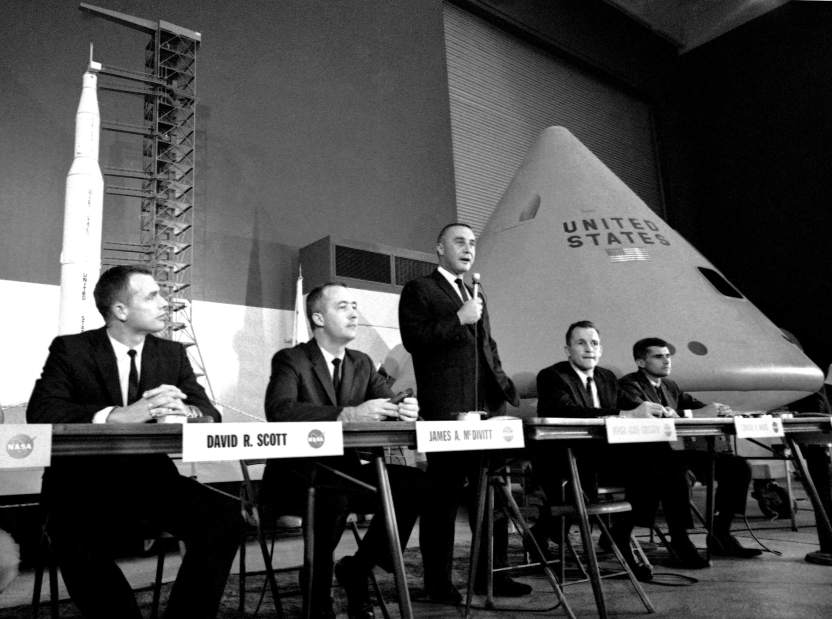
In this Aug. 4, 1966 file photo, command pilot Virgil Grissom speaks during a news conference in Downey, Calif., with a mockup of the Apollo spacecraft at right. Grissom's crewmen are Roger B. Chaffee, right, and Edward H. White, second from right. Two of the three back-up crew members are, from left, David R. Scott and James A. McDivitt. (AP Photo/George Brich)
ApolloFire50Years49340jpgb3bc8
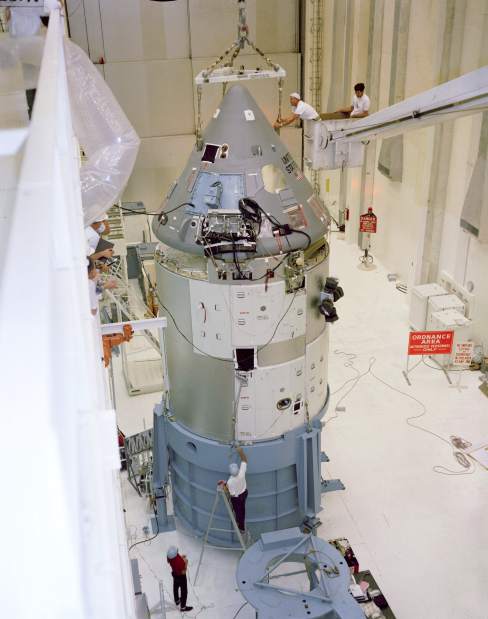
In this 1967 photo made available by NASA, the Apollo Command/Service Module in the Manned Spacecraft Operations Building at the Kennedy Space Center in Florida is prepared for the Apollo/Saturn 204 mission. During a launch pad test on Jan. 27, 1967, a flash fire erupted inside the capsule killing Apollo crew members Roger Chaffee, Edward White II, and Virgil Grissom.
ApolloFire50Years47161jpg2989d
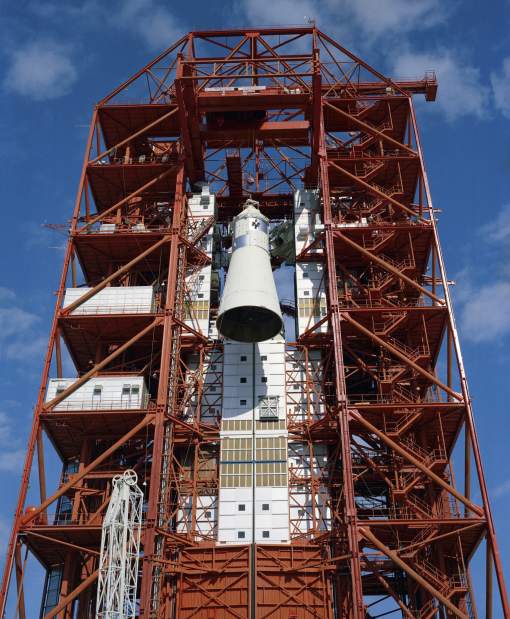
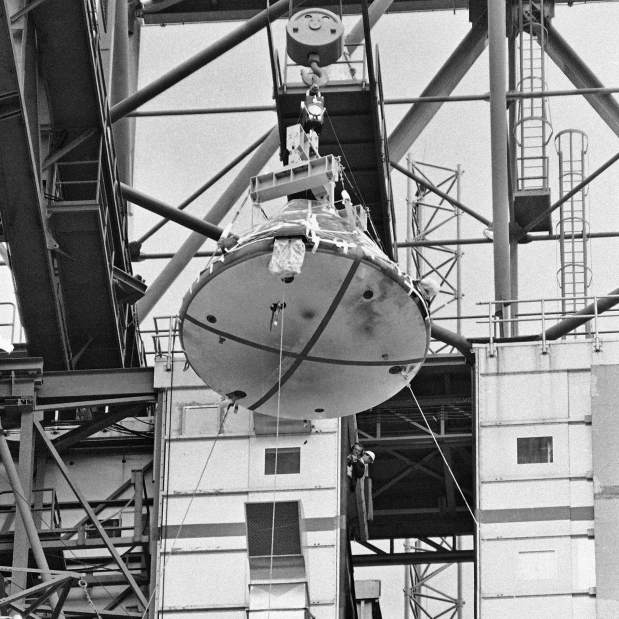
In this 1967 photo made available by NASA, the Apollo spacecraft is hoisted to the top of the gantry at Pad 34 at Cape Kennedy, Fla., for the Apollo/Saturn 204 mission. During a launch pad test on Jan. 27, 1967, a flash fire erupted inside the capsule killing the three Apollo crew members. (NASA via AP)
ApolloFire50Years44526jpg5eb2a
FILE - In this Jan. 27, 1967 photo made available by NASA, astronauts Virgil Grissom, right, and Roger Chaffee walk across the ramp leading from the gantry elevator to the Apollo I spaceship in Cape Kennedy, Fla., before a launch test. Later in the day they were killed with fellow astronaut Edward H. White II when a flash fire erupted in the craft. (NASA via AP)
ApolloFire50Years14843jpg03678
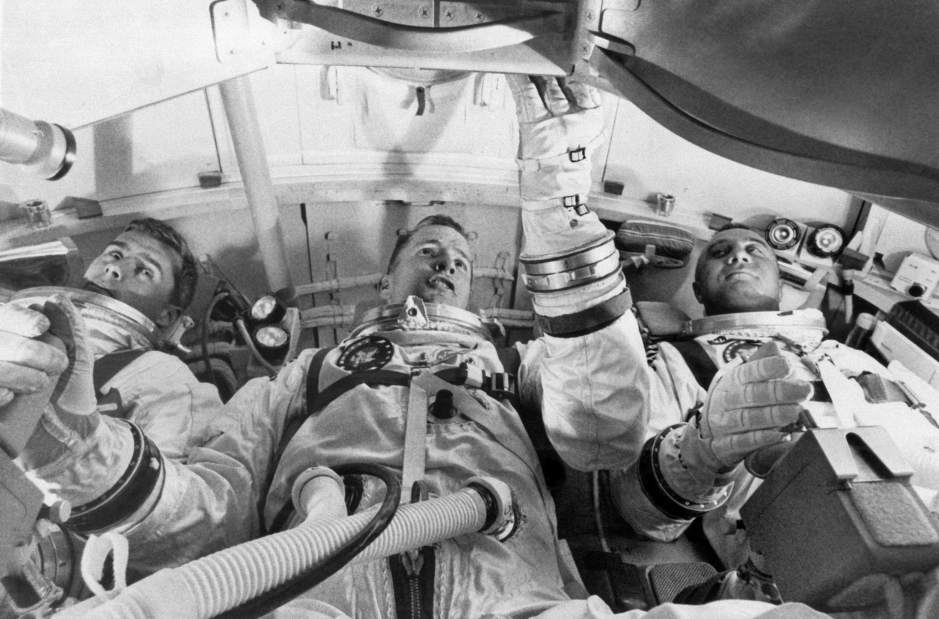
FILE - In this undated photo made available by NASA, from left, astronauts Roger Chaffee, Edward White II, and Virgil Grissom, practice for their launch test in the Apollo Mission Simulator at Cape Kennedy, Fla. During a launch pad test on Jan. 27, 1967, a flash fire erupted inside their capsule killing the three Apollo crew members. (NASA via AP)
ApolloFire50Years92829jpg012bc
FILE - In this Feb. 17, 1967 file photo, the Apollo 1 capsule, with black smudge marks visible on the heat shield, is lowered from its Saturn 1 booster at Cape Kennedy, Fla. During a launch pad test on Jan. 27, 1967, a flash fire erupted inside the craft killing the three Apollo crew members aboard. (AP Photo/Jim Kerlin, Pool)
ApolloFire50Years75520jpg08b67
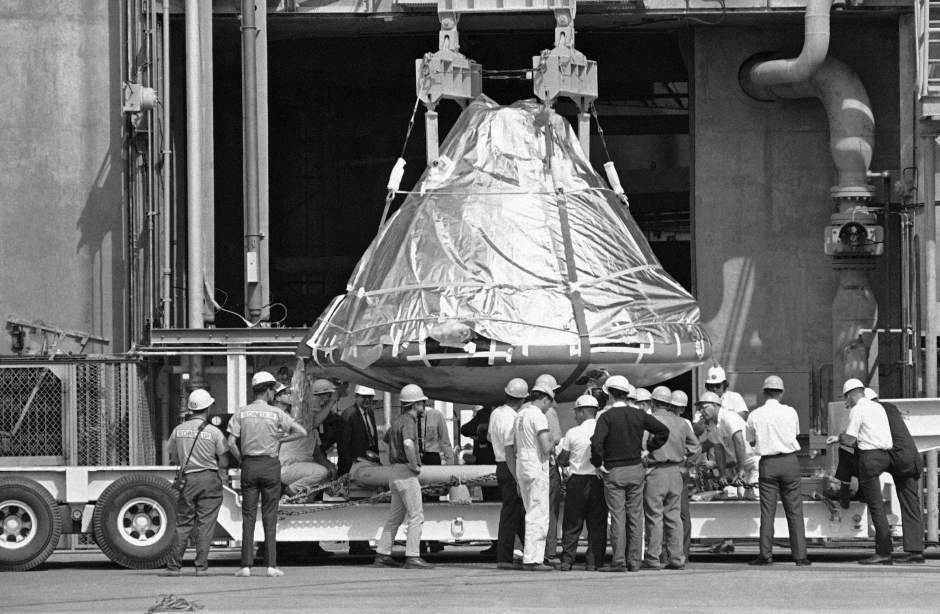
FILE - In this Feb. 17, 1967 file photo, technicians and officials inspect the aluminum covered Apollo 1 spacecraft after it was lowered from its booster at pad 34 at Cape Kennedy, Fla. Astronauts Virgil Grissom, Edward White and Roger Chaffee lost their lives when a flash fire erupted in the spacecraft on January 27. (AP Photo/Jim Kerlin, Pool)
ApolloFire50Years15866jpg5c42b
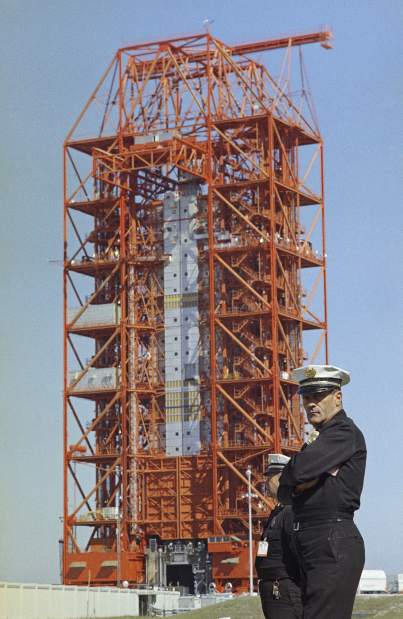
FILE - In this Jan. 28, 1967 file photo, guards stand at the Saturn 1 launch pad area the day after a flash fire killed the Apollo 1 crew at Cape Kennedy, Fla. Three astronauts, Lt. Col. Virgil Grissom; Lt. Col Edward H. White, and Lt. Commander Roger Chafee were killed when a fire erupted in their capsule on the launch pad during a preflight test for the Apollo 1, AS-204 mission. (AP Photo)
ApolloFire50Years78471jpgcc3f6
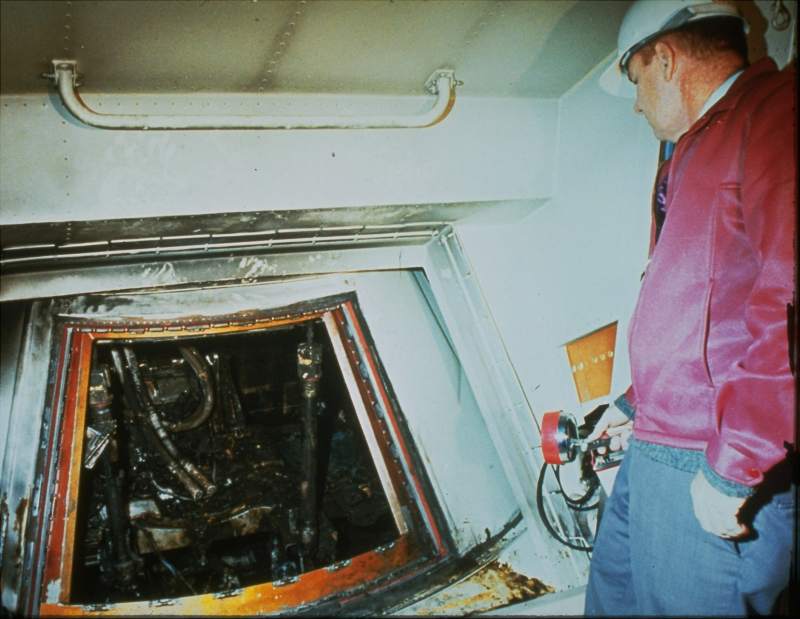
FILE - This 1967 file photo shows the charred interior of the Apollo I spacecraft after a fire which killed astronauts Ed White, Roger Chaffee, and Virgil Grissom on Jan. 27, 1967. A NASA official said the rehearsal had reached 10 minutes away from a simulated blastoff, one of many tests that was to precede the planned flight in the next month. (AP Photo)
ApolloFire50Years03229jpgdc7a1
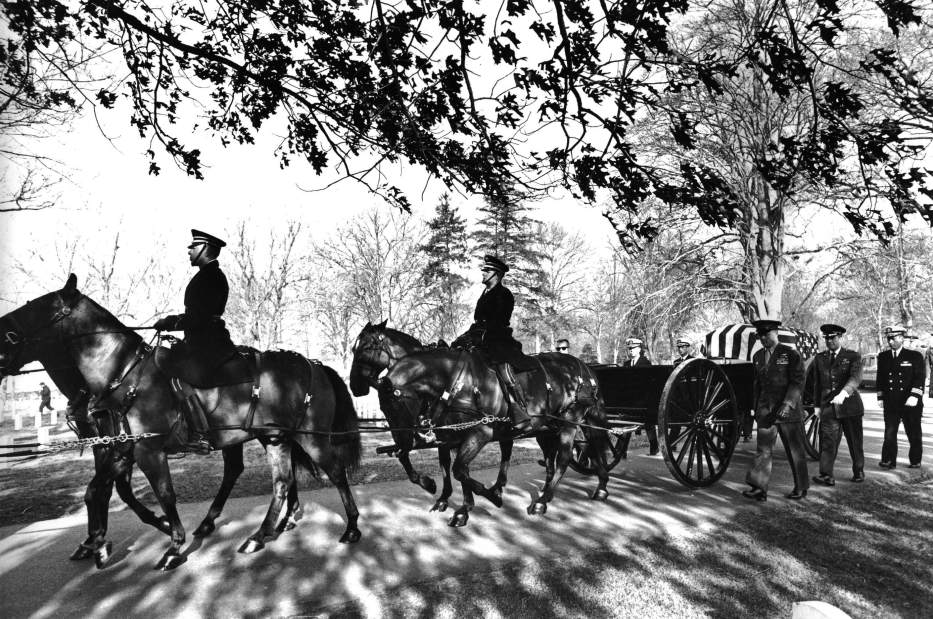
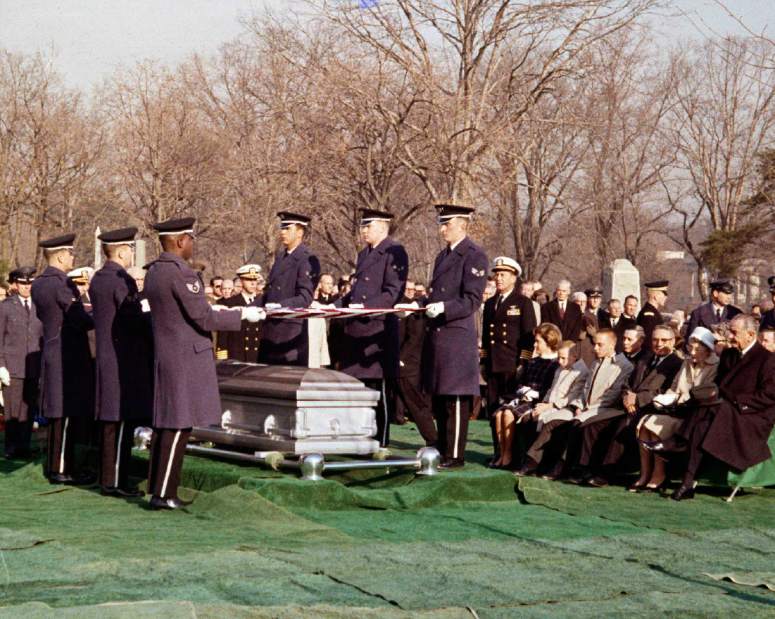
FILE - In this Jan. 31, 1967 file photo, a horse-drawn caisson carrying the body of astronaut Virgil Grissom travels to the Arlington National Cemetery in Arlington, Va. Walking beside the flag-draped casket as honor pallbearers are astronauts, from left foreground, Marine Col. John Glenn, Air Force Col. Gordon Cooper, Navy Cmdr. John Young; from left background are Donald Slayton, Navy Capt. Alan Sheperd and Navy Cmdr. Scott Carpenter. Grissom was killed in the Apollo 1 fire on launch pad on Jan. 27, 1967. (AP Photo)
ApolloFire50Years28544jpg4025f
FILE - In this Jan. 31, 1967 file photo, mourners attend the burial of astronaut Virgil Grissom at the Arlington National Cemetery in Arlington, Va. Grissom, 40, was selected in 1959 as one of the seven original Mercury astronauts. Known as the hard luck astronaut, he had to swim for his life when his craft, Liberty Bell 7, sank after its descent on the second U.S. manned space flight July 21, 1961. (AP Photo)

CAPE CANAVERAL, Fla. — A relic from America's first space tragedy is finally going on display this week, 50 years after a fire on the launch pad killed three astronauts at the start of the Apollo moon program.

The scorched Apollo 1 capsule remains locked away in storage. But NASA is offering visitors at Kennedy Space Center a look at the most symbolic part: the hatch that trapped Gus Grissom, Ed White and Roger Chaffee in their burning spacecraft on Jan. 27, 1967.

A flash fire erupted inside the capsule during a countdown rehearsal, with the astronauts atop the rocket at Cape Canaveral's Launch Complex 34. A cry came from inside: “Got a fire in the cockpit!” White struggled to open the hatch before quickly being overcome by smoke and fumes, along with his two crewmates. It was over for them in seconds.

Investigators determined the most likely cause to be electrical arcing from defective wiring.

With its moon program in jeopardy, NASA completely overhauled the Apollo spacecraft. The redesigned capsule — with a quick-release hatch — carried 24 men to the moon; 12 of them landed and walked on its surface.

For the astronauts' families, Apollo 1 is finally getting its due. The tragedy has long been overshadowed by the 1986 Challenger and 2003 Columbia accidents. Remnants of the lost shuttles have been on display at the visitor complex for 1 12 years.

“I'm just so pleased that they finally decided to do something — visibly — to honor the three guys,” said Chaffee's widow, Martha. “It's time that they show the three who died in the fire appreciation for the work that they did.”