

Most gardeners have moved their tropical patio plants indoors to protect them from the season's first few frosts. But just because you've moved the plants indoors doesn't mean you're finished taking care of them.
Overwintering frost-sensitive plants indoors isn't an easy task — ask anyone who's tried to get a rosemary plant to survive on a windowsill.
Here are a few tips to help you get these plants through the winter.
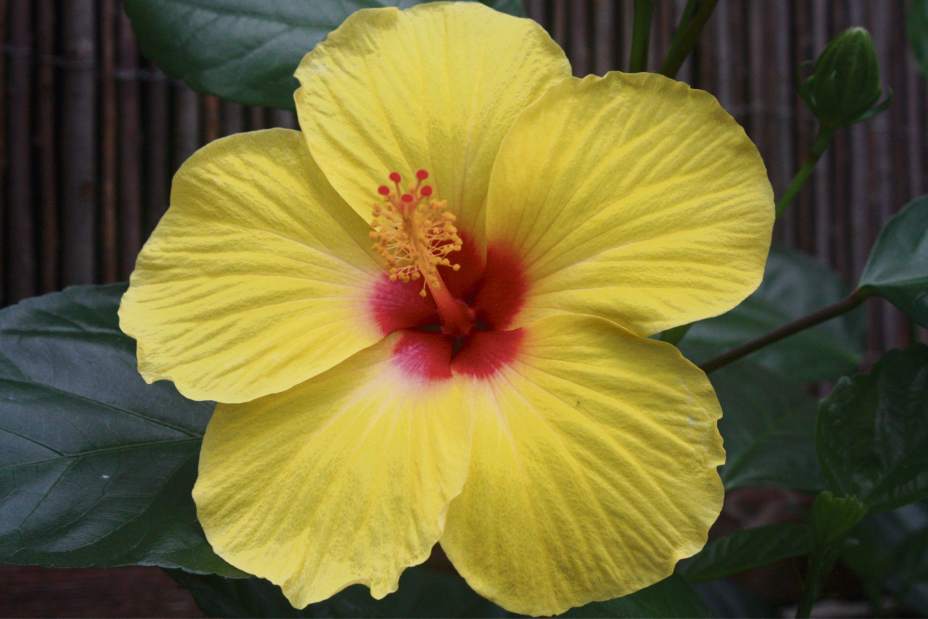
• Dropping leaves aren't always a bad sign. Some plants are notorious for shedding a good portion of their leaves upon moving inside in the fall. Tropical hibiscus, citrus, ficus and gardenias are a few plants that almost always drop many of their leaves shortly after the plants are moved indoors. Don't panic if a plant's older, inner leaves turn yellow and drop. This is the plant's way of shedding those leaves that are accustomed to the high light levels of the outdoors and promoting the growth of leaves that are more accustomed to the lower light levels of indoors.
• Don't fertilize. Since plants are not in a period of active growth during the winter, fertilization is not recommended from August through March. Once early April arrives, you can begin to feed overwintering tropical plants an organic, water-soluble fertilizer, such as fish hydroslate or liquid kelp, every two or three weeks.
• Give them light. With few exceptions, most of the tropical plants we commonly overwinter indoors need high light levels. Locate the plants in a bright room or hang a grow light a few inches above their topmost growth. Be sure to rotate the pots a quarter turn every few days to allow light to reach all sides of the plant and keep the growth even.
• Pinch back excessive growth. Some tender plants will need to be trimmed during the winter if they become too leggy. Don't be afraid to pinch or prune off pale or spindly branches. Overwintering plants that might require this include rosemary, geraniums, jasmine, mandevilla, bougainvillea and succulents such as jade plants.
• Watch for pests. Many pest insects — such as aphids, mealybugs and scales — like to piggyback their way indoors on plant leaves and stems. If you notice a shiny, sticky substance on leaves or the floors or furniture around your plants, you likely have an insect infestation. The sticky substance, called honeydew, is their excrement. Use a cotton ball soaked in isopropyl rubbing alcohol to wipe the pests off the leaves and stems, or apply horticultural oil or insecticidal soap according to label instructions.
• Water appropriately. Most tropical plants spending the winter indoors don't like wet feet. Avoid over-watering them, and be sure there's no water left in pot saucers after irrigating the plants. Water only when the soil is dry to the touch; it's better for them to be on the dry side, as constantly wet potting soil is an invitation for fungus gnats to set up shop. I water my tropicals and houseplants by moving them to the bathtub every 10 days to two weeks. I flush water through each pot until at least 20 percent of what I put in the top has come out the bottom. This removes excessive fertilizer salts as well.
• Be aware of toxic plants. Many tropical plants are toxic to our pets. If you have a dog or cat in your home who likes to nibble on green things, check with your veterinarian before allowing your pets to have access to your plants. The American Society for the Prevention of Cruelty to Animals and the Humane Society have lists of toxic plants on their websites.
Horticulturist Jessica Walliser co-hosts “The Organic Gardeners” at 7 a.m. Sundays on KDKA Radio with Doug Oster. She is the author of several gardening books, including “Attracting Beneficial Bugs to Your Garden: A Natural Approach to Pest Control” and “Good Bug, Bad Bug.” Her website is jessicawalliser.com. Send your gardening or landscaping questions to tribliving@tribweb.com or The Good Earth, 503 Martindale St., 3rd Floor, D.L. Clark Building, Pittsburgh, PA 15212.
