

Legislators backing a bill to allow local police to use radar to catch speeders hope it will be approved this year.
Pennsylvania is the only state banning municipal police from using radar, a situation Sen. Randy Vulakovich, R-Shaler, wants to change.
“I'm a firm believer in this. It's very efficient (for) a police officer because most of the time you're responding to service calls or a crime,” said Vulakovich, a retired Shaler Police Department sergeant. “You don't have a lot of time to run traffic (enforcement), even though it's a big concern in most communities.”
Proponents of expanding radar use beyond the state police believe it may be approved this year. Introduced yearly since 1985, it always died in the transportation committees. Both committees approved it in 2016.
Vulakovich said he plans to continue pushing to move the legislation forward in the fall legislative session.
Not all senators want to see radar expansion.
Sen. Lisa Boscola, D-Northampton, a member of the Senate Transportation Committee, always has voted against the bills over concerns that local municipalities will use it as a revenue generator, said her chief of staff, Steve DeFrank.
“If it's about catching speeders, the methods they currently use are more effective,” DeFrank said.
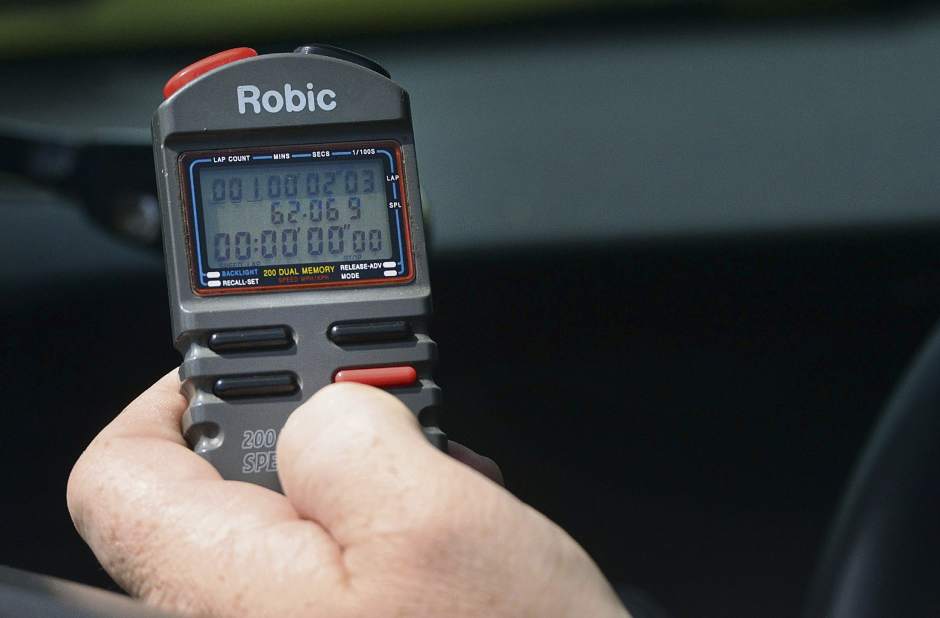
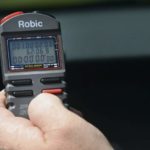
Local officers use VASCAR combined with AccuTrak, which uses painted lines on the highway and an officer-operated device similar to a stopwatch. Also used is ENRADD (Electronic Non-Radar Device), which directs a light beam across the road and electronically records a vehicle's speed, transmitting it to a police officer waiting nearby.
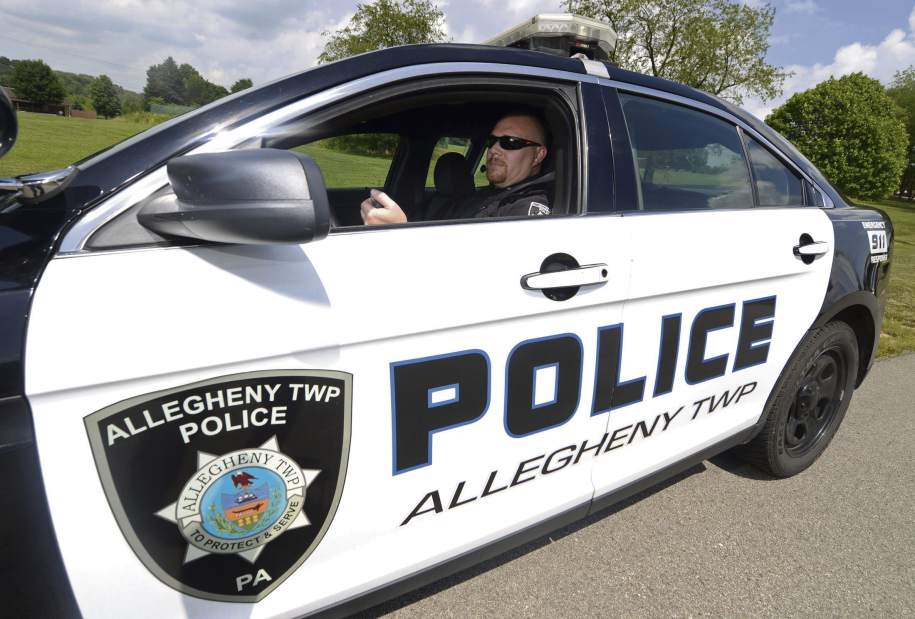
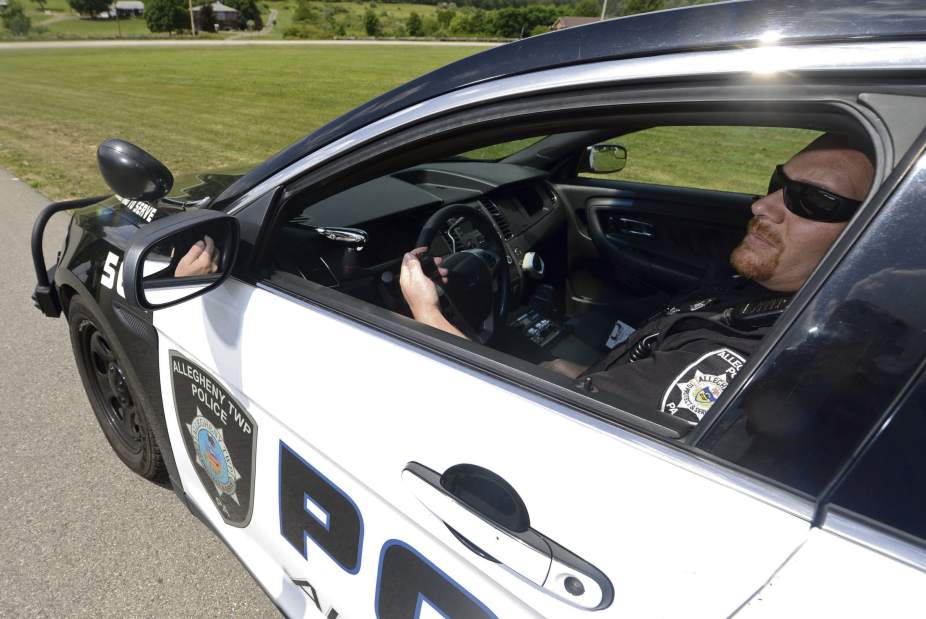
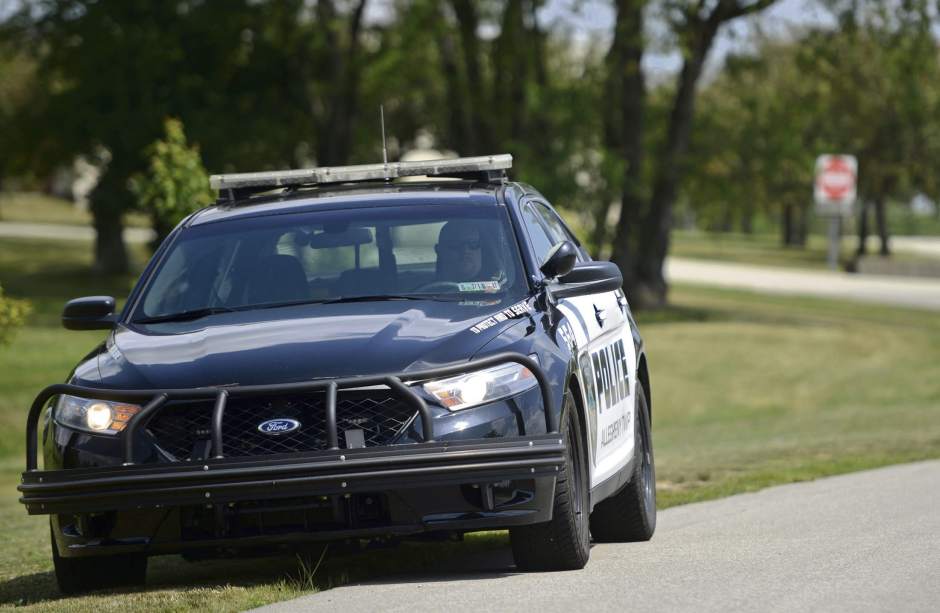
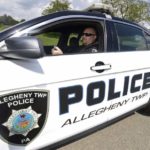
Allegheny Township police Chief John Fontaine said his department uses those, but wants radar, too.
“We could really use radar,” he said.
Advocates of giving local police radar say reducing speeding on local roads and highways would save lives.
State No. 3 in speeding deaths
Speeding was the top cause of fatal and nonfatal crashes, according to PennDOT's 2015 accident statistics. Speeding caused 33,000 crashes, including 467 fatal ones, PennDOT said.
Pennsylvania had the third-highest number of speed-related deaths, 550, behind California and Texas, in 2013, the most recent data available from the National Highway Traffic Safety Administration.
Tom McCarey, a member of the National Motorists Association, a grassroots group advocating for fair traffic laws, says the bills have nothing to do with highway safety.
National Motorists Association members oppose speed traps and red-light cameras, according to the group's website.
McCarey said he believes special interest groups representing insurance carriers and radar and camera manufacturers are driving the bills.
“The politicians see this as easy money because ‘those bad drivers are breaking the law,' even though they are not a danger to anyone on the road,” McCarey said. “All their blather of setting ‘limits' as to how much money can be raised is just that — blather.”
Capping any windfall
To assuage concerns about a windfall, a similar bill sponsored by Sen. John Rafferty Jr., R-Montgomery County, caps the municipal share of revenue at 5 percent of the municipal budget.
Speed enforcement is not a municipal moneymaker, says the RADAR Coalition, a group of state law enforcement and municipal associations backing the bill.
Generally, a municipality receives half of the penalty portion of the speeding ticket, which is $35 plus $2 per mile in excess of five miles per hour over the speed limit. Motorists who get tickets pay surcharges and fees that are split between the state and courts.
Vulakovich said the notion that municipalities will use radar to generate revenue “is just absolutely silly.
“I can't figure out the scenarios where they say you can make all this money.”
Jodi Weigand is a Tribune-Review staff writer. Reach her at 724-226-4702 or jweigand@tribweb.com.
