
https://archive.triblive.com/news/perennials-benefit-from-being-divided-every-5-7-years/
Perennials benefit from being divided every 5-7 years

• |
Submitted
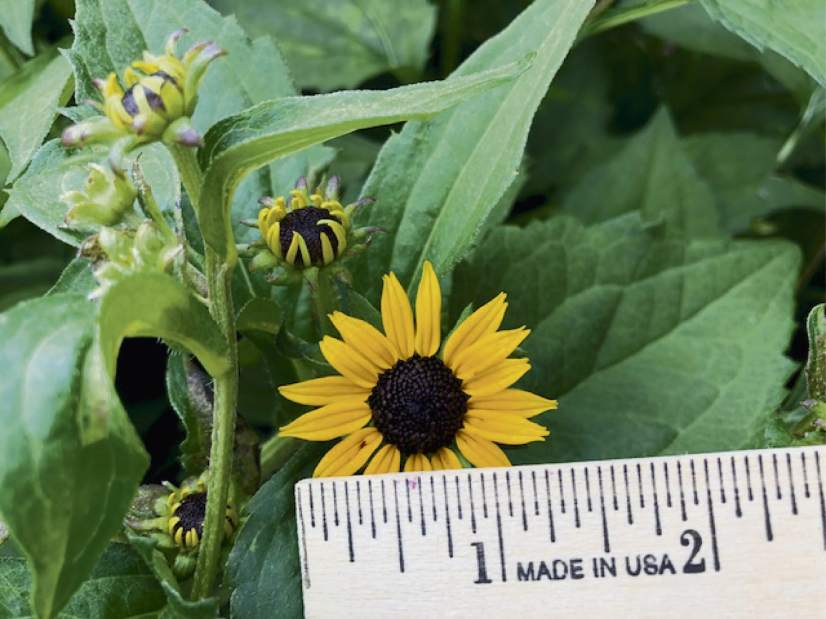
Smaller flowers, reduced flower production and/or the production of flowers only on the outer edges of the plant clump are all signs of overcrowding.
Question: Our black-eyed Susans are about 10 years old, and for the last two years, the flowers have had very small yellow petals. The flowers are 1.25 inches in diameter, not the 2 inches in diameter as of several years ago. Please tell me what is happening. Your help is greatly appreciated.
Answer: It appears that your black-eyed Susans may be suffering from some over-crowding. As perennials age, their clumps grow larger, which is one of the best attributes of perennials. But, it also means that they’re prone to decline due to self competition. As the plant clump expands and ages, the central part of the plant may have restricted access to soil nutrients and water; which can result in several possible issues.
Smaller flowers, reduced flower production and/or the production of flowers only on the outer edges of the plant clump are all signs of overcrowding. When you see one or more of these events happening, it’s time to divide and rejuvenate the plants.
Typically, perennials benefit from being divided every five to seven years, so you’re a bit overdue for this task.
The best way to divide your black-eyed Susans is to dig up the entire plant in the autumn or early spring with a sharp shovel and split the clump into many smaller pieces by cutting it apart with the shovel or a pruning saw. Once the plant is dug out of the garden, rejuvenate the soil in the area by adding several inches of finished compost and a few tablespoons of complete organic granular fertilizer before planting some of the clumps back into the space. Be sure to space the clumps 10 to 12 inches apart to ensure each plant has plenty of room to spread over the coming years.
If your black-eyed Susans are covering a large area, rather than growing in a single clump, you can also thin out the plants by using a border fork to pry out some of the plants without having to dig up the entire area. Though this method works best in areas with loose, friable soil, it’s a great way to thin out black-eyed Susans. After thinning the plants, top the area with a half-inch of compost by sprinkling it in between the plants and then apply a complete organic granular fertilizer according to the directions on the fertilizer bag.
Once the plant has been divided and the soil rejuvenated, you should see a quick return to the larger flower size of the past. To make future divisions easier, you may want to complete the task automatically every five to seven years, rather than waiting until the over-crowding is evident and the plant is more difficult to dig out and separate.
One other issue worth mentioning that can sometimes affect the flowering of black-eyed Susans is septoria leaf spot. This fungal pathogen (Septoria rudbeckiae) causes dark spots to appear on the leaves of the plant. It’s most common on the variety ‘Goldsturm.’
The spores of this pathogen are spread by water droplets, so during wet weather the pathogen is always more prevalent. Remove and discard affected leaves at the end of the season to keep the pathogen from overwintering and returning the next season. While septoria leaf spot makes the plant look bad, it’s primarily aesthetic, though it can affect the flowering and cause the blooms to be small or stunted. If you notice the smaller flower size is partnered with dark spots all over the leaves, this fungal disease may be to blame. You can control the pathogen with organic fungicides and good air circulation, tolerate it or replace your ‘Goldsturm’ plants with more disease-resistant black-eyed Susan varieties.
Horticulturist Jessica Walliser co-hosts “The Organic Gardeners” at 7 a.m. Sundays on KDKA Radio with Doug Oster. She is the author of several gardening books, including “Attracting Beneficial Bugs to Your Garden,” “Good Bug, Bad Bug,” and her newest title, “Container Gardening Complete.” Her website is jessicawalliser.com. Send your gardening or landscaping questions to tribliving@tribweb.com or The Good Earth, 622 Cabin Hill Drive, Greensburg, PA 15601.
Copyright ©2026— Trib Total Media, LLC (TribLIVE.com)