
Perryopolis' history reflects diverse heritage of region

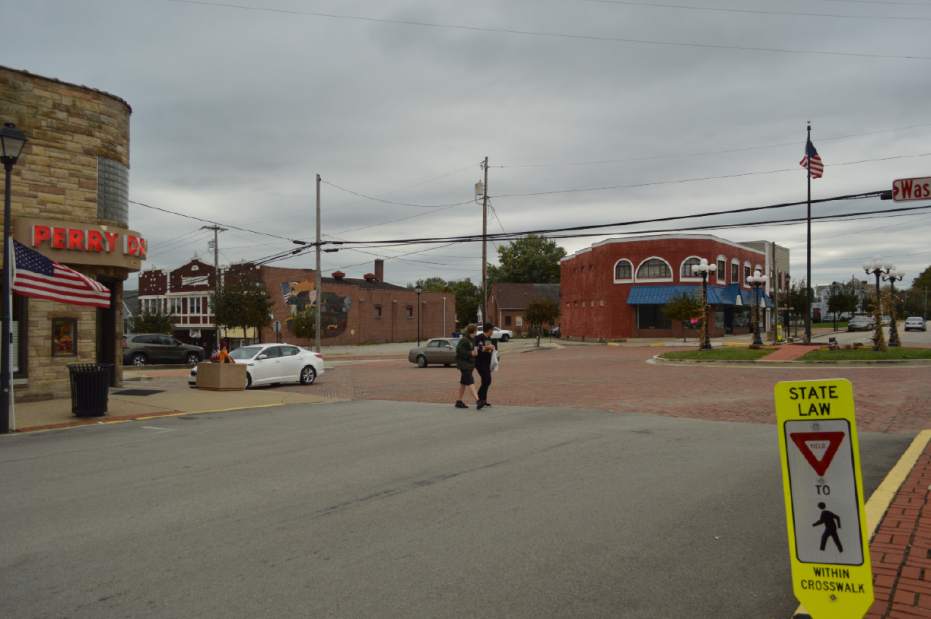
Originally named New Boston and sometimes called Washington's Bottoms, Perryopolis — which is celebrating its history during Pioneer Days this weekend — grew up on part of 1,644 acres of land originally purchased by George Washington in 1769. The land sits on a bluff above the Youghiogheny River in Fayette County.
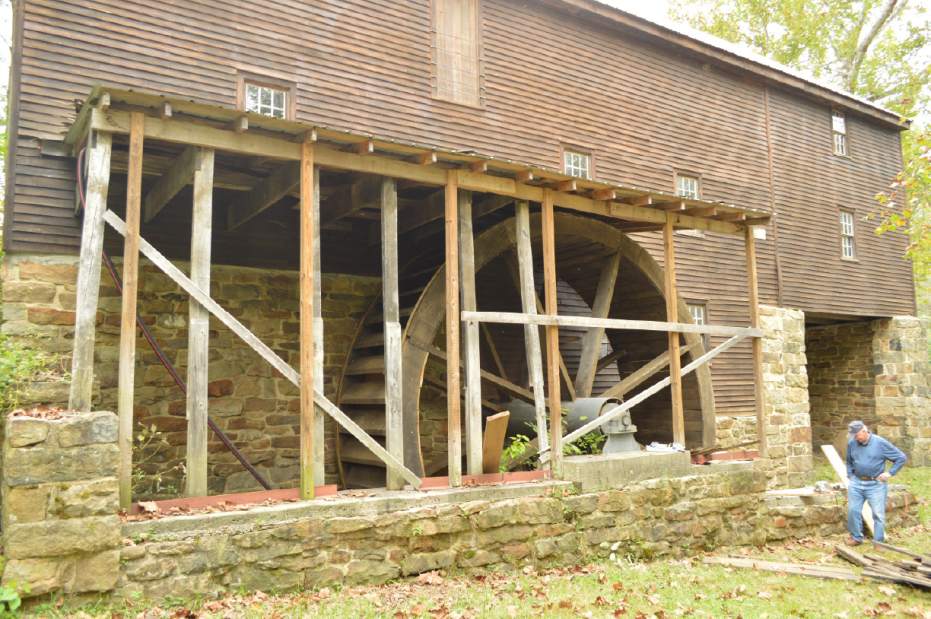
Washington visited the land in 1770 and worked with his friend Col. William Crawford to develop a grist mill at the site. The mill was completed by 1776, but was never a commercial success for Washington. The mill has been restored, along with several other historic buildings, along Layton Road in the borough.
Legends have grown up around Washington's ownership of the land and, according to Norene Halvonik, a volunteer at Perryopolis Area Heritage Society, nearly all of the stories are false.
Washington was alleged to have laid out a town on the site and wanted to have the seat of the new United States government moved there. No record of such a move by Washington has ever been found.
“It is a myth,” Halvonik said.
The earliest homes were said to have been built in 1804, about five years after Washington's death.
In 1779, Washington leased the mill and 150 acres of land to Col. Israel Shreve. However, ownership of the land was never transferred to Shreve, who died about the same time as Washington. A court case ended with Shreve's descendents gaining ownership.
The town, laid out in 1814 in a wagon wheel design similar to that of Washington, D.C., was named in honor of Oliver Hazard Perry, who commanded a fleet which defeated a British fleet on Lake Erie during the War of 1812.
One of the early homes built in the town, the Goe (goo) House, is across the street from the borough building.
The town grew as a commercial center, supporting the local farms. A cooper's shop, distillery, fulling mill, bakery and other supporting businesses grew up next to the grist mill. The fulling mill — used to remove the natural oils from wool before the cloth was made — was built by Thomas Searight about 1820. Searight later moved to the Route 40 area near Uniontown and built a rest stop on the National Road.
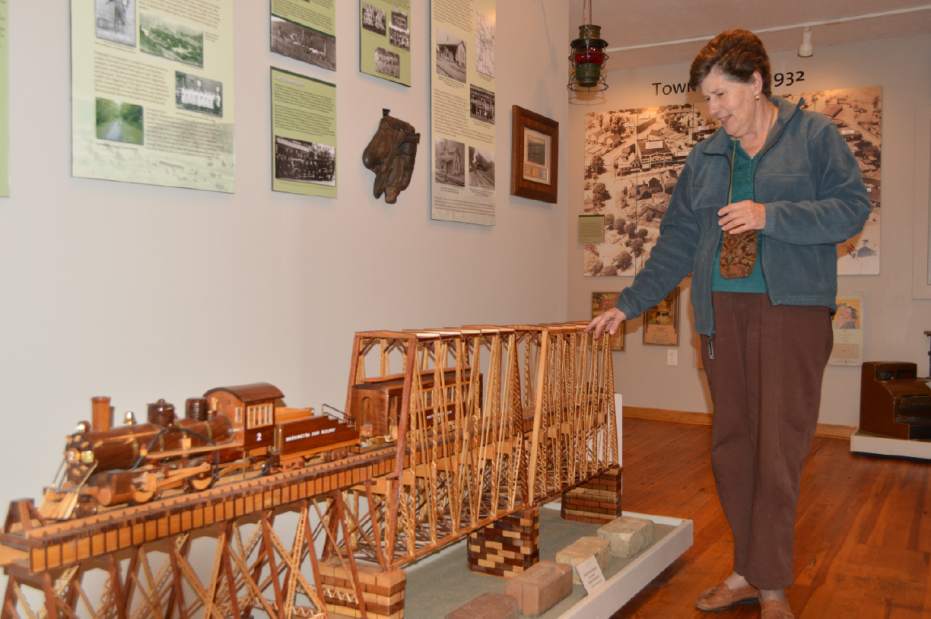
What was reportedly the first bank west of the Allegheny Mountains, according to Halvonik, was built in town and now houses the Perryopolis Area Heritage Society Museum on South Liberty Street.
The first settlers were English and Scotch Irish, with a few other nationalities, including German.
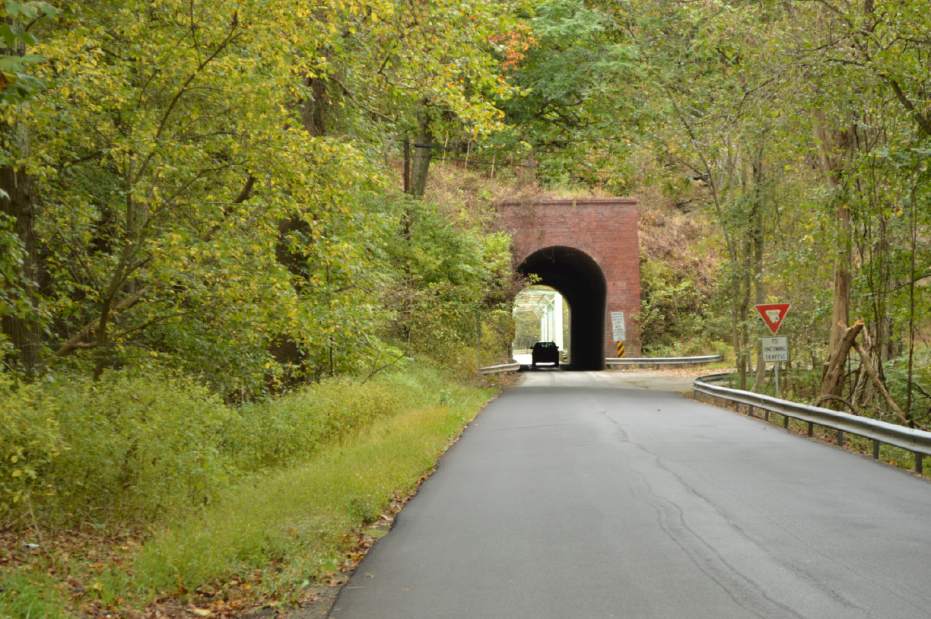
With the discovery of coal and the construction of beehive coke in Southwestern Pennsylvania, the town rapidly grew. Railroads were built to haul the coal and coke. Clay was found in abundance, leading to the construction of brickyards and ceramic and glass factories. The Washington Run Railroad crossed the Youghiogheny from Layton and, with the help of a trestle and tunnel, became the basis for a narrow road.
The road and tunnel appeared in scenes from the 1990s movie, “Silence of the Lambs.”
The narrow single-lane bridge is too limiting for modern highway traffic and PennDOT reportedly plans to reconstruct the bridge within the next few years.
Later, people coming from eastern Europe to work in the mines and the mills immigrated to the area. The town itself was made up of foremen and merchants.
By the first half of the 20th century, the town grew into a prosperous community, with banks, several food markets, movie theaters and shops.
“You could purchase nearly anything you needed right here,” Halvonik said.
Neighboring towns grew with Perryopolis.
According to Halvonik, Whitsett was a community made up of people with diverse backgrounds. She said African Americans moving in, for example, could expect to be treated like any other resident with the same access to jobs and housing.
The community received a huge gift from Mary Fuller Frazier, who was born and raised in the community. The borough received $1.5 million in 1948 from her estate. The funds have been used for many purposes, such as funds for the construction of the high school, the water and sewage systems and street lights.
Karl Polacek is a staff writer for Trib Total Media.
