





Architects are considered “young” at 40.
With five to eight years of schooling plus apprenticeship at one or more established firms, architects are most often in their 30s before they begin to practice alone.
They are, then, in their 40s by the time they establish a name and an independent reputation.
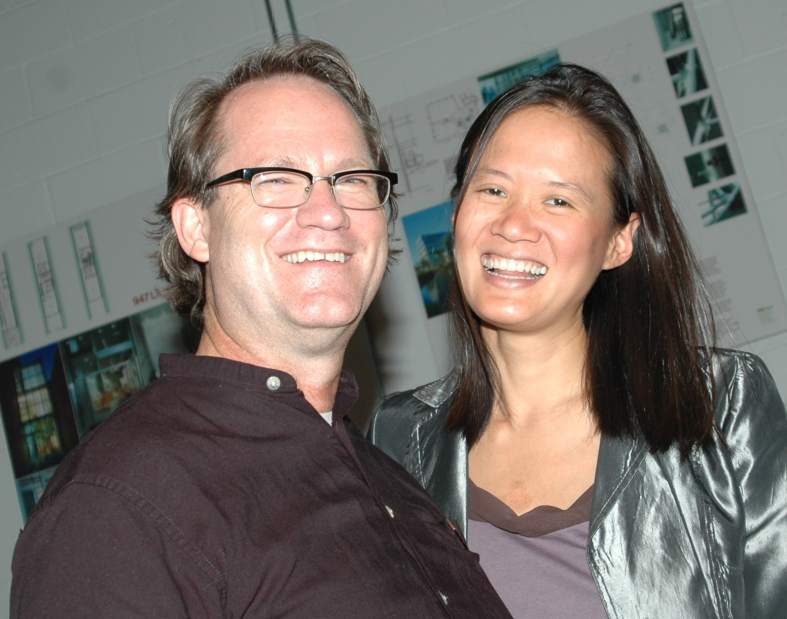
It was that way for the outstanding Pittsburgh architect Gary Carlough, who died suddenly two weeks ago at the age of 62 — at a point in his career where he was looking forward to another 10 or 15 years of creative work.
Carlough was the founder of EDGE Studio, which produced the most exciting architecture in the city in recent years.
He started EDGE in 1995 at the age of 43, and the studio has won scores of awards for its inventively modern architecture since. EDGE, for example, wins something almost every year in the local American Institute of Architecture awards, judged by panels of architects from other cities. Just three years ago, EDGE took three of the nine top awards.
In a city where many architects today put up tame buildings in a devolved postmodern style, EDGE's buildings have always been conspicuous for their originality.
Carlough, in person, was affable and enthusiastic with an earnestness leavened with good humor. Bespectacled and modest, he had no need for personal flamboyance.
His buildings, however, always stand out.
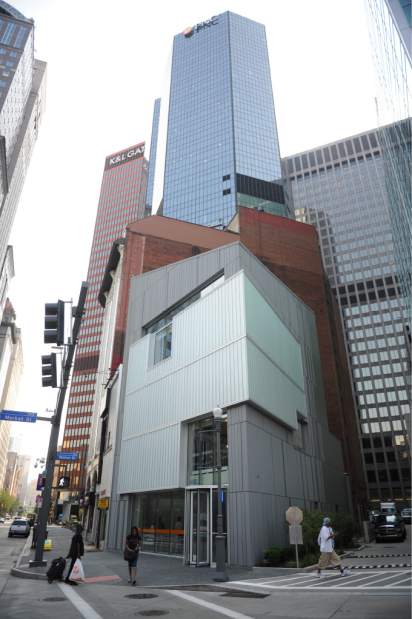
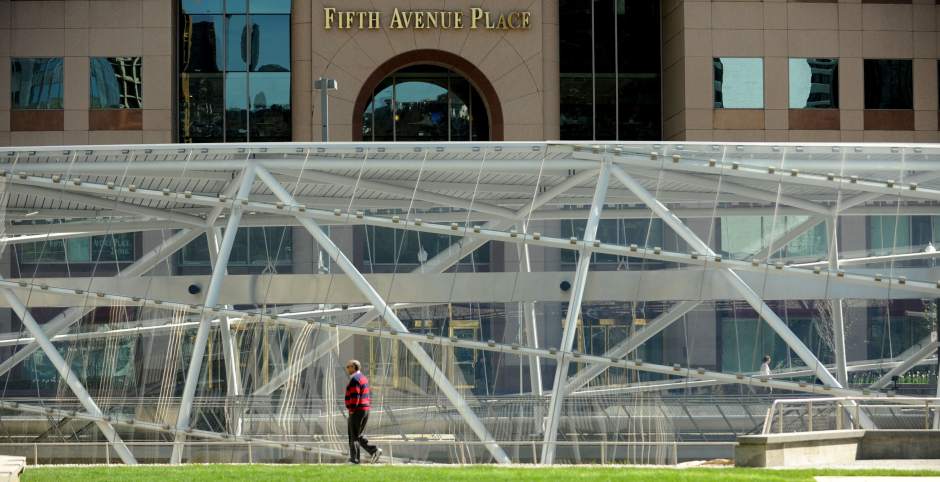
In association with Pfaffmann + Associates, EDGE did the new T-Station at Gateway Center, that long and low faceted glass “canopy” that is the only recent piece of world-class architecture in the city. Two blocks up Liberty Avenue, he did what is called the Lantern Building, the small structure across from Heinz Hall Park that has a translucent skin that glows in soft colors at night.
Many Pittsburghers also are familiar with the understated renovations that EDGE designed for the main Carnegie Library in Oakland about 10 years ago. The firm sensitively opened up the circulation and reading rooms on the first floor of the century-old library building.
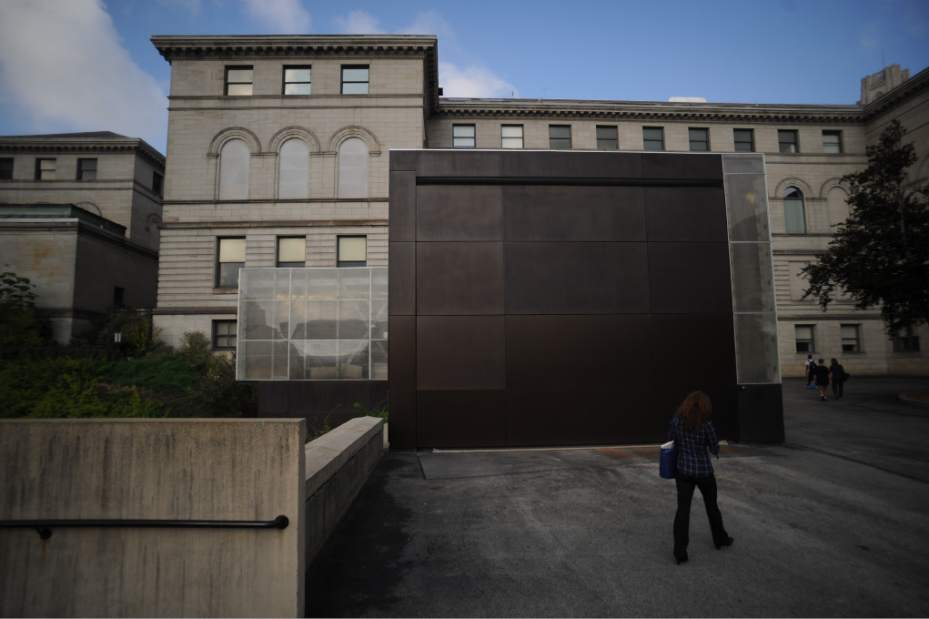
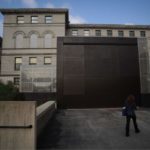
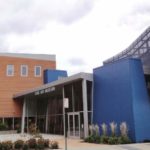
The firm also designed the bright and welcoming East Liberty branch of the library, the first new piece of notable architecture in the rebuilding of that area. And EDGE did the elegant “black box” at the Carnegie Museums that disguises, of all things, the institutions' trash-handling facility. Anyone who uses the museum and library's parking can pass by it without having any idea what its prosaic use might be.
The Carnegie Institutions were important to Carlough. As a new graduate of the architecture school at the University of Arizona, he returned to Pittsburgh (he graduated from high school in Latrobe) in the early 1970s and was unable to find a job at any architectural firm here. So, he took a post at the museum designing exhibits. Eventually, he found architectural work with three established firms here and began teaching a “studio” for beginning undergraduates at Carnegie Mellon University.
Then, he did something unexpected: Though he was already working and already teaching, he enrolled as an advanced student at the Architectural Association School of Architecture in London.
A notably prestigious school with a heavy emphasis on avant-garde design and architectural theory, the school's alumni include pace-setting architects such as Zaha Hadid, Richard Rogers, Rem Koolhaas and Steven Holl — all among the “star architects” who are leaders of the profession internationally today.
He immersed himself there in theory, says his wife and fellow architect Anne Chen, and that has informed his work ever since. (His theoretical bent was probably preordained — he had studied in Arizona under Buckminster Fuller, the famous architectural futurist.) Carlough loved the play of ideas he found in London and came back to Pittsburgh to apply them to his teaching and his practice.
While Carlough's buildings are all clearly modern, he seemed to never produce the same building twice. Each EDGE project was a unique response to its location or use.
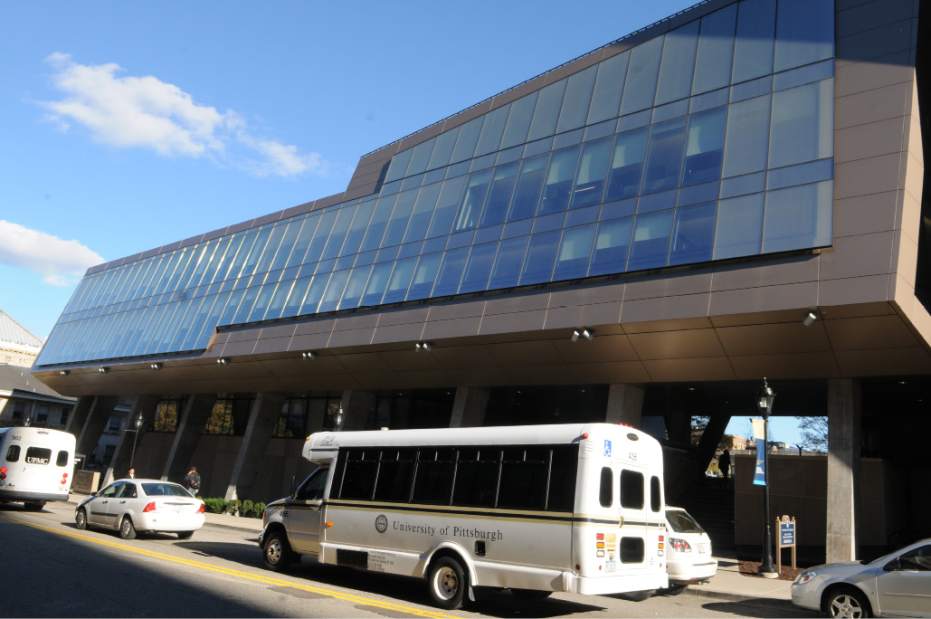
Some of his favorite work, his wife says, involved students — both in teaching and in designing buildings for teaching. At the University of Pittsburgh, he designed the Mascaro Center at the School of Engineering, a building with an intriguingly sloped facade that creates engaging spaces for students and researchers. Carlough taught at CMU for some 20 years while continuing his architectural practice.
Carlough was clearly looking ahead. Last year, he merged EDGE with GBBN Architects of Cincinnati with a view to moving EDGE into more business nationally. And he and Chen recently moved into a new home they designed for themselves on an essentially “unbuildable” hillside in Fox Chapel.
Carlough will be missed in the Pittsburgh architectural community, both for his person and his art.
John Conti is a former news reporter who has written extensively over the years about architecture, planning and historic-preservation issues.
