
Rare trees tower over Pennsylvania region

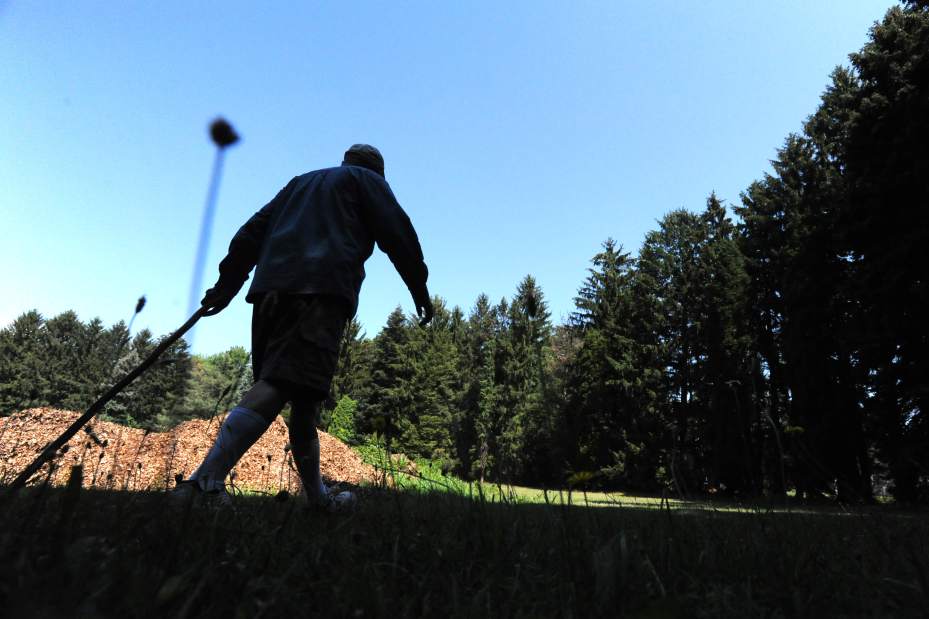
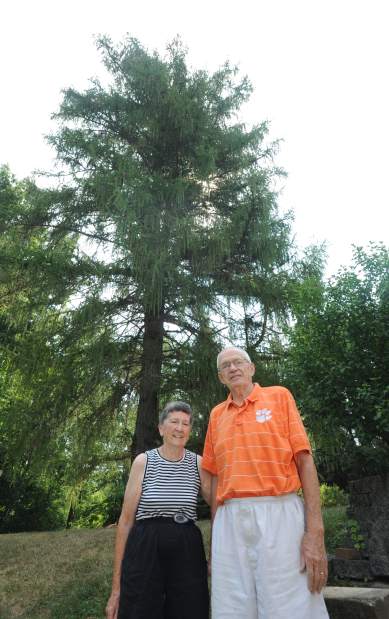
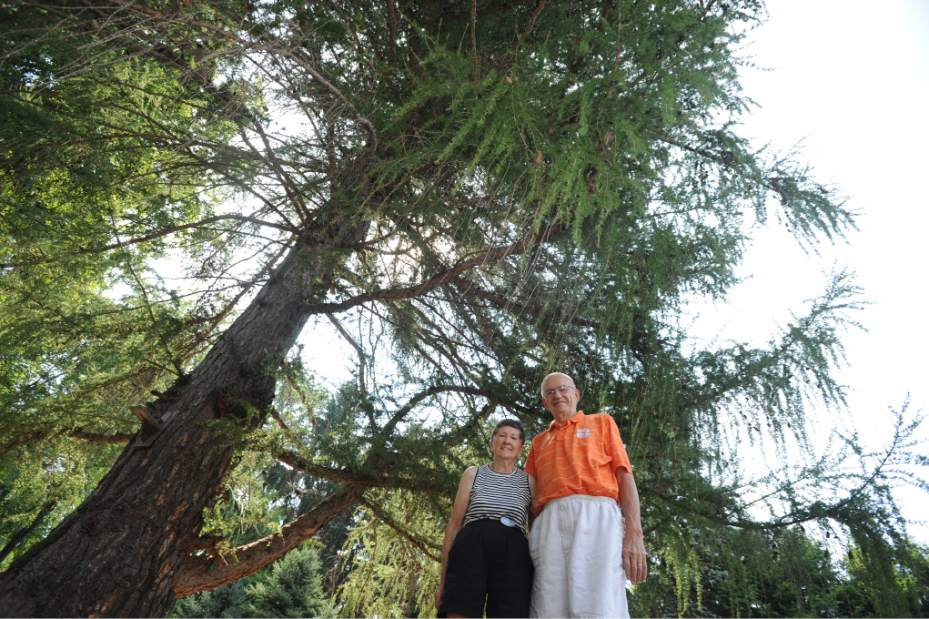
Regis Killmeyer has been searching since 1968 for another tree like the one that dwarfs his home in Findlay.
He's unlikely to find it, according to an online database of Pennsylvania's largest trees. Killmeyer owns the biggest tamarack tree in the state.
“I'm very proud of this tree,” said Killmeyer, 77, a retired airplane mechanic. “It's an amazing tree, not that I had anything to do with it. It was here when we bought the property in 1968.”
Scott Wade, 45, of Media in Delaware County, said Killmeyer's tree is pretty rare. A licensed arborist, Wade maintains the state's big tree list and database, which can be found online at pabigtrees.com.
The database features more than 1,200 trees and is searchable by county. It includes eight growing in Allegheny County, one in Beaver County, 11 in Butler County and six in Washington County. The largest of each species is designated the state champion.
Wade said tamaracks are native to Canada, and Pennsylvania is about as far south as they can grow.
“I tried to grow one, but it died. It's too hot in the summer,” he said.
The American Forestry Association, a nonprofit conservation organization, has been documenting the nation's biggest trees for more than a century. It has volunteer big-tree coordinators such as Wade in every state and the District of Columbia.
Wade said their goal is to raise awareness and create interest in conservation and the importance of trees.
Making the grade
A tree must be measured for circumference, height and width of its crown and nominated to be listed. Each tree is assigned points based on the three measurements. The ones with the most points are considered state champions.
Trees can be nominated on the big-tree website, which lists acceptable measuring techniques.
“Not every single tree can get on the database,” Wade said. “It's solely my decision. We list the champions and recently started listing the tallest trees. We like to look for as many species as we can find. If we don't have a lot of trees in that species, I'll put it on.”
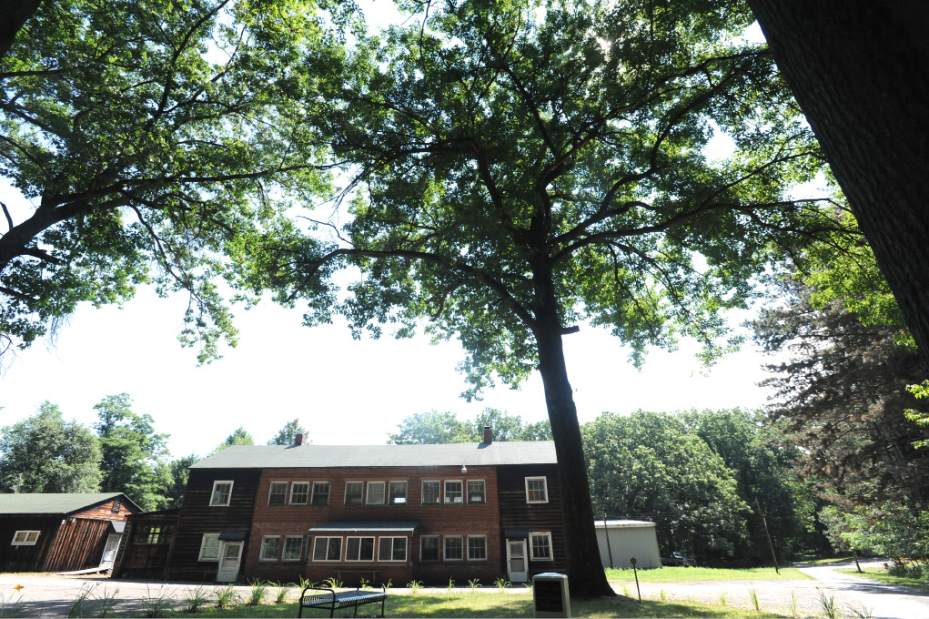
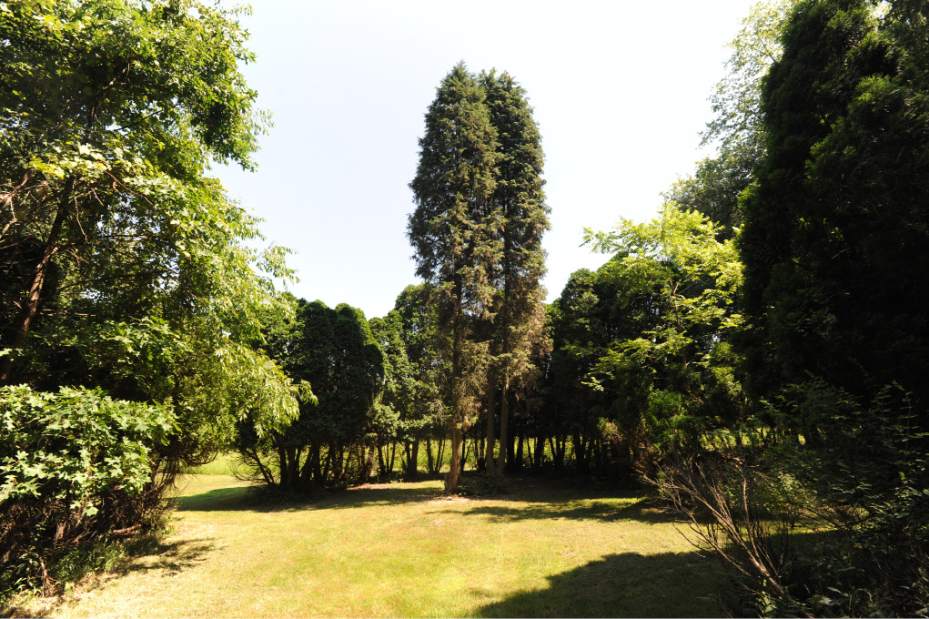
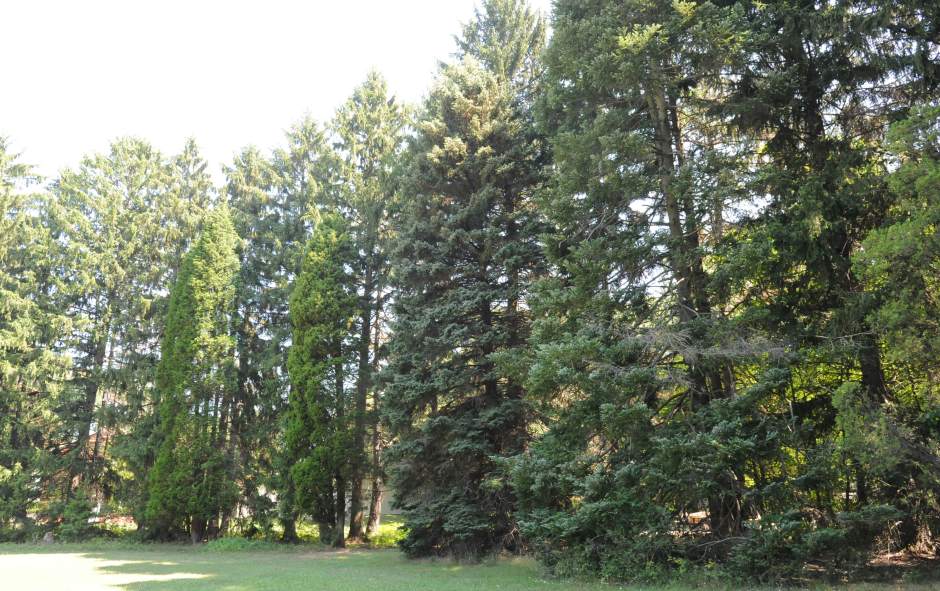
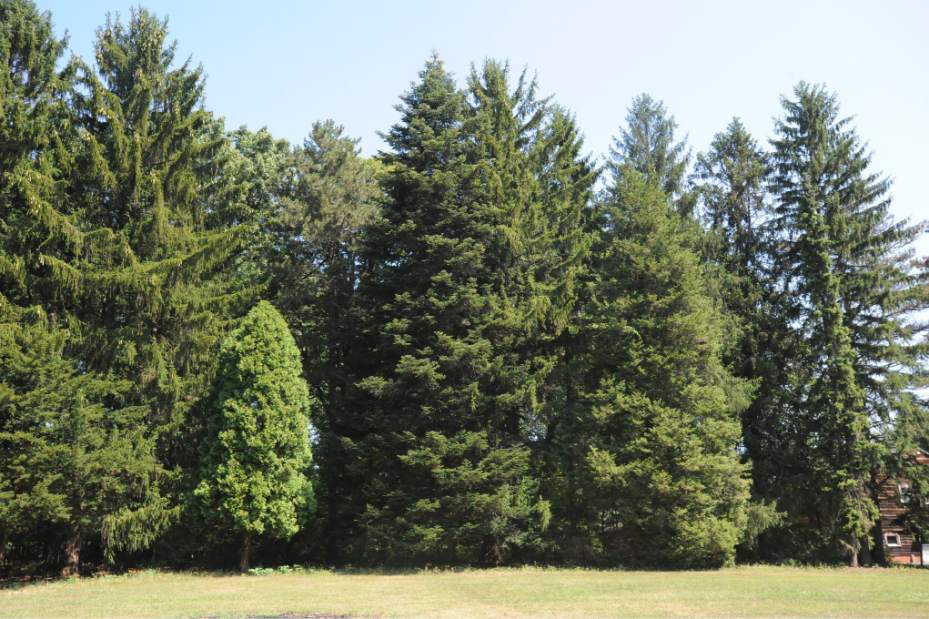
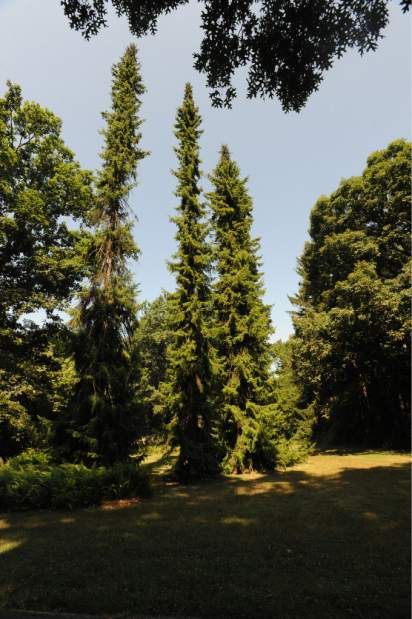
Fred Lochner, 76, of Lancaster, Butler County, said he nominated seven of Butler's trees. Three are state champions, including a rare Serbian Spruce native to the former Yugoslavia. All seven sit on the former estate of Frank Preston, an internationally known glass scientist, engineer and conservationist, who died in 1989.
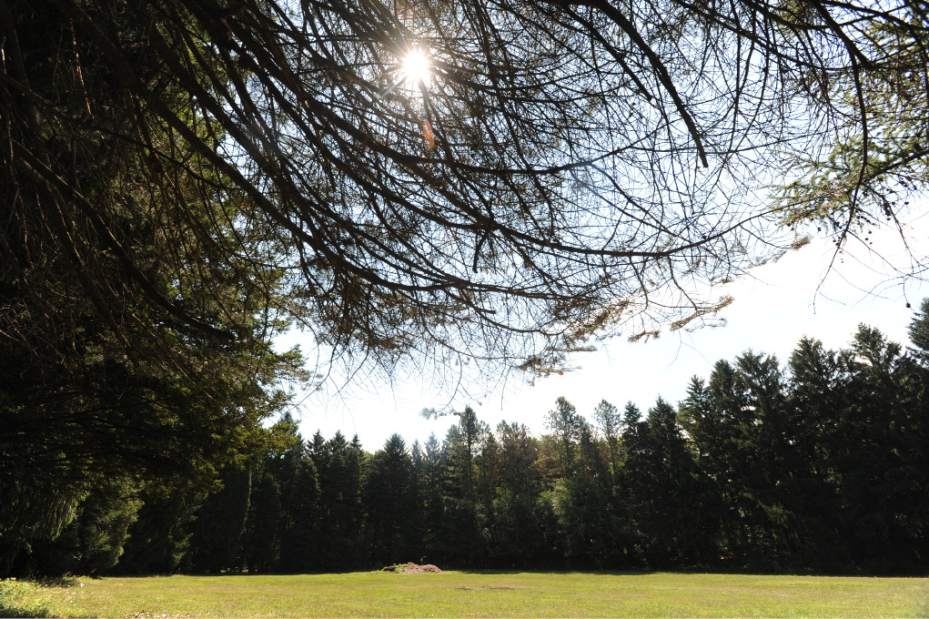
Preston's heirs bequeathed the property along S. Eberhart Road to Butler Township, and it is open to the public as a community park.
“Dr. Preston was an amateur naturalist and geologist and sort of a renaissance man,” said Lochner, who knew Preston well. “These were trees that he planted 70 or more years ago.”
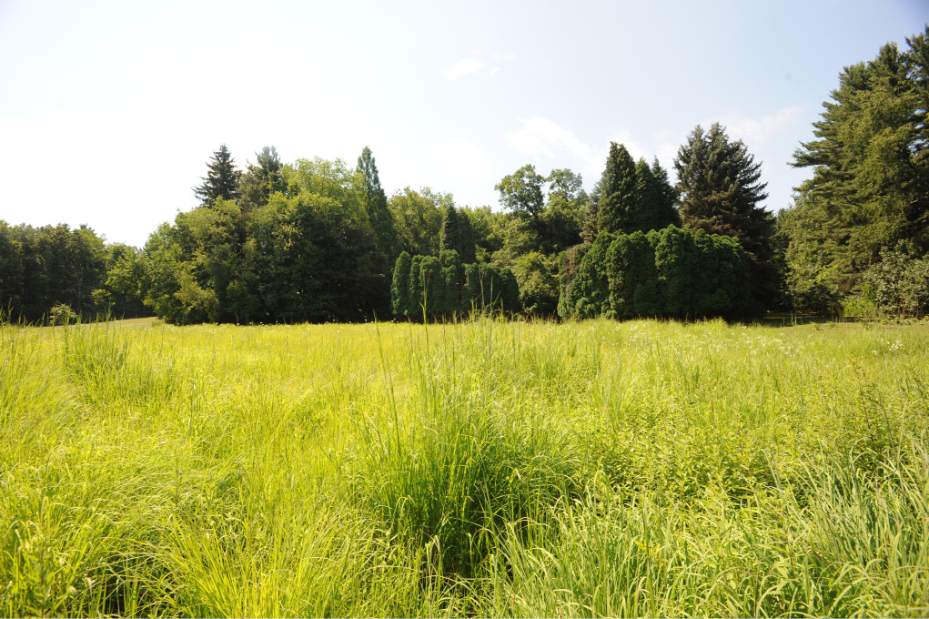
Butler Township Manager Fred Kirkwood said the park, which includes an Western prairie created by Preston, becomes more popular for visitors each year.
“The various types of trees that Dr. Preston planted are extremely unique to the area,” he said. “You can see things that you'll never see in Pennsylvania.”
Deena Butcher of Sewickley said the Mountain Silverbell in her yard gives her a headache some days because its blooms, seeds and bark make a mess, but she loves it in the spring. The tree — named for its white, bell-shaped flowers — is listed as the second-largest of its kind in the state.
When last measured in 2011 it was 65 feet high, 123 inches around and had a 68-foot spread at the top.
“In the spring it's absolutely exquisite,” said Butcher, 60. “All the branches get little bells all over them. It's just beautiful.”
Wade said he knows many big trees, especially in Western Pennsylvania, haven't made his website, and he is always looking for new nominations.
He said the best place to look are on former estates that have been broken up and sold as residential lots. You can find trees there planted years ago by wealthy landholders, Wade said.
“I'd like to have a champion from each county,” he said. “I know there's more out there. There has to be.”
Bob Bauder is a staff writer for Trib Total Media. He can be reached at 412-765-2312 or bbauder@tribweb.com.
