

Question: We have a patio in back of our house. It's made of some type of landscape block and has been there for quite some time. We don't have the money to replace it, but we'd like to know if there's some way we can keep the weeds from growing up in the cracks without having to use any chemicals. Our 3- year-old plays on the patio all the time, and we only want to use something that's safe for him to be around.
Answer: Managing weed growth in patios, driveways, and other hardscaped areas without resorting to chemical herbicides is a conundrum many homeowners have faced. The roots of weeds can grow down into the smallest of cracks, making hand-pulling a challenging task in these areas. And, the weeds will easily resprout if you don't manage to get all the roots out.
The Internet is rife with bad advice on how to deal with this situation, but here are some tips for safely dealing with this challenging issue:
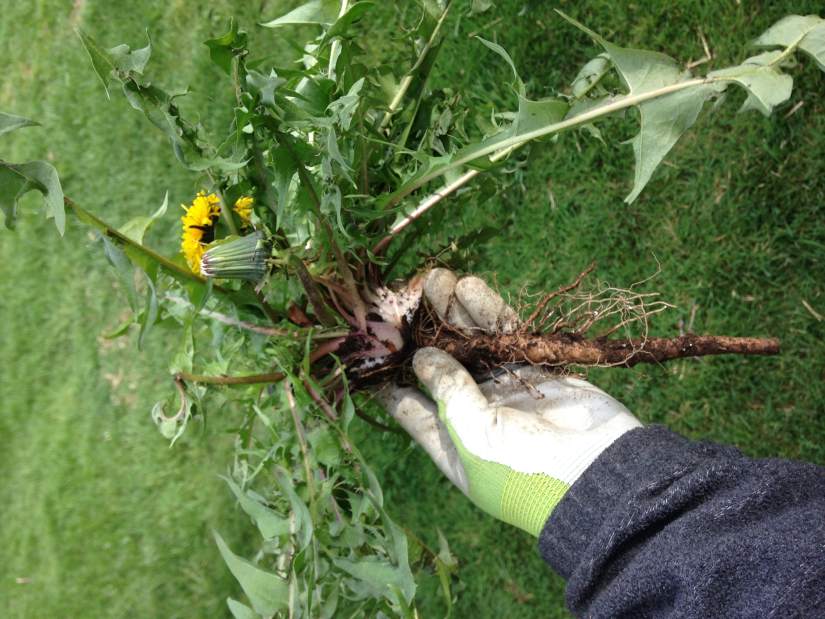
• Continual physical top-kill. To do this, head out to the patio on a weekly basis and weed-whack or cut off all the green growth coming up from the cracks. By removing their source of photosynthesis, the weeds' roots will eventually be starved out. Over the course of a few weeks, the plants will grow weaker and weaker until they die. The trouble with this method is that it's incredibly time consuming, and because new weeds are continually sprouting, it can seem never-ending.
• Organic herbicides. There are a number of useful organic herbicides on the market that are safe to use around kids and pets, as long as you follow the label instructions carefully. My favorite ones are based on a mixture of clove oil, citrus oil and/or acetic acid. Brand names include Burn-Out, Avenger and EcoSMART. These products are effective and very useful for those of us who don't want to turn to chemical herbicides. Yes, there are a ton of articles on the Internet about mixing your own weed-killing concoction with stuff you can find in your pantry, but these types of make-your-own herbicides can be very dangerous. Plus, they're not tested or labeled properly, and many of them do more harm than good. Be aware, however, that some commercially available organic herbicides may need to be applied multiple times for maximum weed control, and they may harm soil life if applied directly to the soil's surface.
• Organic pre-emergent herbicides. These are useful for preventing future weeds. Made of corn gluten meal, these granular products are spread over the patio and swept into the cracks between the bricks or concrete. Corn gluten meal inhibits seed germination, cutting down on the number of new weeds that will sprout in the cracks of your patio. These products, however, will not get rid of existing weeds, but using them every spring will keep new weeds at a minimum.
• Boiling water. Some folks find it useful to pour boiling water over the weeds growing in their patio or driveway cracks. While it will kill the tops of the plants, it seldom affects the roots and the plants eventually resprout. And, as you know, boiling water will easily burn skin, so if you decide to go this route, please be extremely careful. Another downside of this method is that, in my mind, it's a waste of water and it's also harmful to the insects and other soil life living wherever the boiling water is applied.
• Invest in a flame weeder. This is by far the most fun (and most dangerous) way to handle weeds. Flame weeders use ignited propane to torch weeds by heating plant tissue to temperatures high enough to blow out cell walls. The flame they throw can be adjusted to a very narrow range, so you can target the flame into a small area. Though flaming doesn't completely kill the root of many of the tougher perennial weeds, it sure does knock them back.
Horticulturist Jessica Walliser co-hosts “The Organic Gardeners” at 7 a.m. Sundays on KDKA Radio with Doug Oster. She is the author of several gardening books, including “Attracting Beneficial Bugs to Your Garden: A Natural Approach to Pest Control” and “Good Bug, Bad Bug.” Her website is jessicawalliser.com.
Send your gardening or landscaping questions to tribliving@tribweb.com or The Good Earth, 503 Martindale St., Third Floor, Pittsburgh, PA 15212.
