


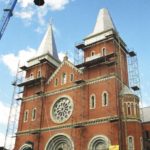
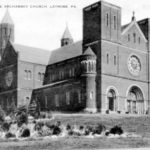
From modest beginnings as a simple log structure to its current status as the centerpiece of the St. Vincent College campus, the St. Vincent Basilica Parish is in the midst of a 225th anniversary celebration.
A concert in March and a special Mass in April, with the archbishop of Philadelphia in attendance, are among the events planned to celebrate the parish's longevity in Unity Township.
Early beginnings
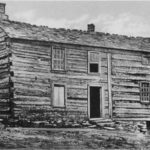
On April 16, 1790, the Rev. Theodore Brouwers, a Franciscan friar from Holland, received a 313-acre tract of land to construct a small log cabin residence and chapel on behalf of John Carroll, the first bishop of the Diocese of Baltimore.
It was Brouwers' destiny to become the first pastor of the Catholic Congregation of Southwestern Pennsylvania.
“Father Theodore essentially established the first Catholic community of the English-speaking United States west of the Appalachian mountains,” said Archabbot Douglas R. Nowicki. “He saw a need to create a Catholic presence.”
Though Brouwers passed away later that year, his “Sportsman's Hall Parish” laid the groundwork for the St. Vincent Basilica Parish.
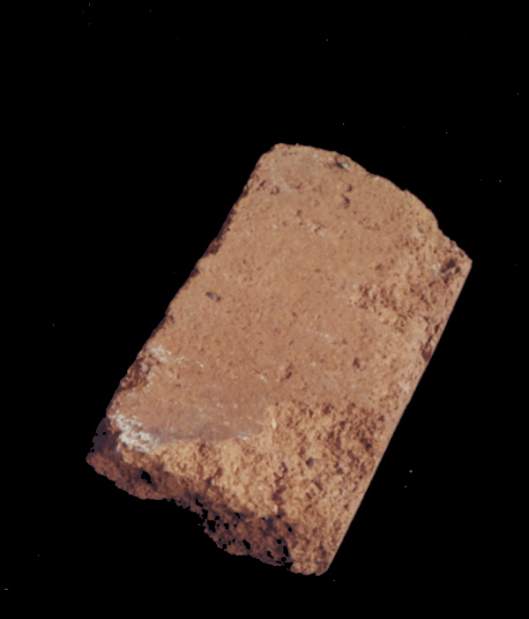
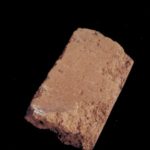
The parish did not stay with the Diocese of Baltimore for long. In 1808, it joined the Diocese of Philadelphia under the service of two long-standing pastors: the Rev. Peter Helbron (1799-1816) and the Rev. James Stillinger (1830-1845). Helbron oversaw the erection of a new, larger log cabin church in 1810. Stillinger oversaw the construction of the first brick church.
“In 1835, at the dedication of the new brick church, Bishop Francis Patrick Kendrick of Philadelphia placed the parish under the patronage of St. Vincent de Paul,” Nowicki said.
Continued growth
As a result of the church presence in the community, Catholicism grew in Western Pennsylvania.
“Immigrants from Eastern Europe settled in this area in the early 1800s,” Nowicki added. “The Catholic church became a cultural center these immigrants reached out to, and was a fundamental social unit for the family.”
With no government organizations yet established, European immigrants relied heavily on the church to resolve conflicts and for education.
“Catholic schools began to emerge because immigrants needed to learn the English language and navigate life in American society,” Nowicki said.
St. Vincent Parish joined the Diocese of Pittsburgh in 1843. Three years later, a group of Bavarian Benedictine missionaries arrived at the parish. Their superior, the Rev. Boniface Wimmer, was named pastor by Bishop Michael O'Connor of the Diocese of Pittsburgh. Wimmer and his monks established the first Benedictine monastery in North America, which includes the seminary and college, both under the name St. Vincent.
“The Catholic population continued to grow, became more educated and made significant contributions to the mainstream of American society,” Nowicki said. “This would not have happened without churches like the St. Vincent Parish enabling immigrants to integrate into America.”
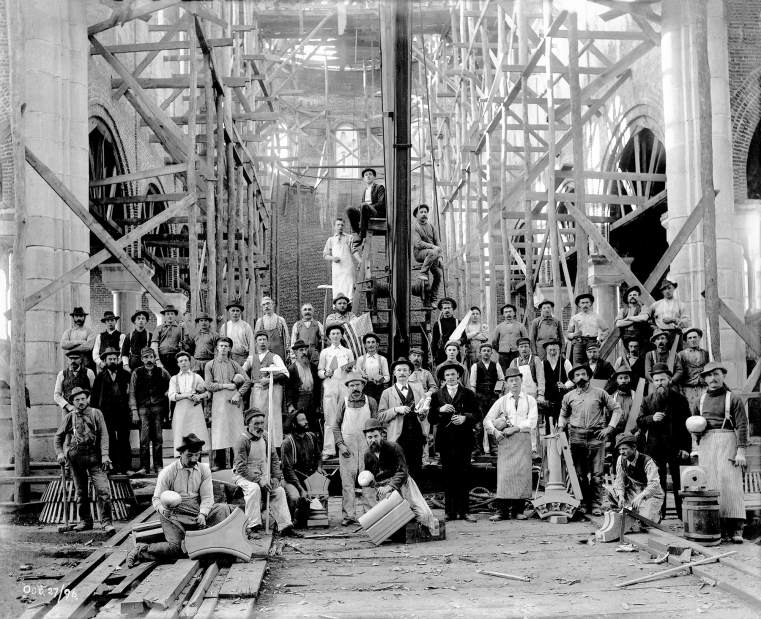
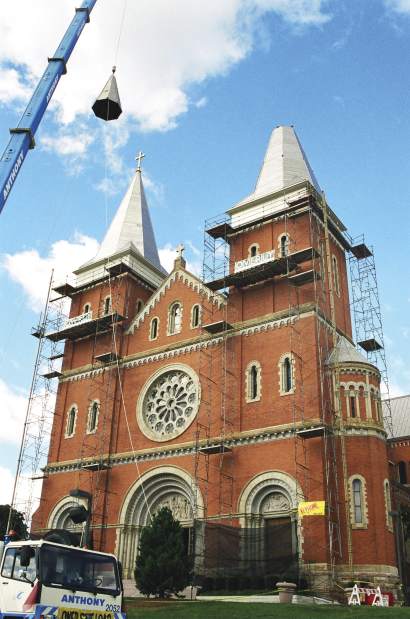
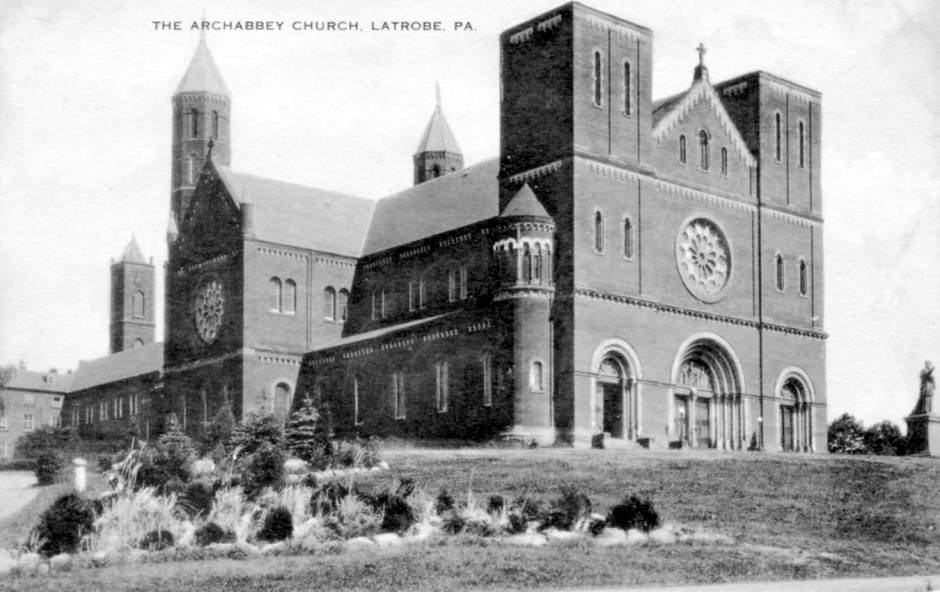
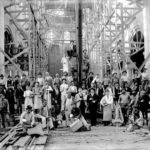
By 1905, a grander church was constructed. 45 years later, St. Vincent joined the Diocese of Greensburg and in 1955, because of its historical significance and architectural quality, the church was named a basilica.
“The St. Vincent Parish continues to be a social, cultural and spiritual center for many events in this community and at the seminary and college,” Nowicki said. “There will always be a special bond of friendship with the Benedictine community and St. Vincent Parish.”
Chloe Wertz is a contributing writer for Trib Total Media.
