

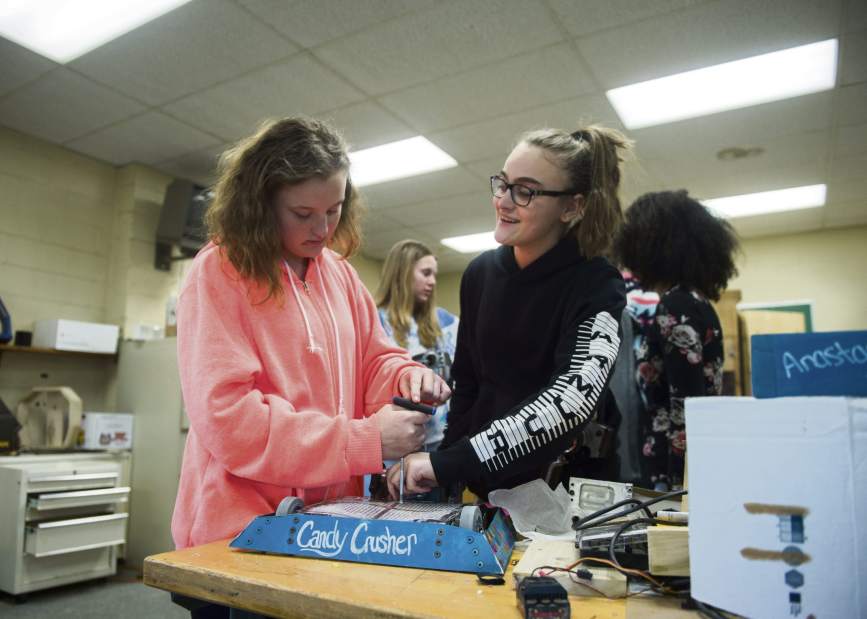
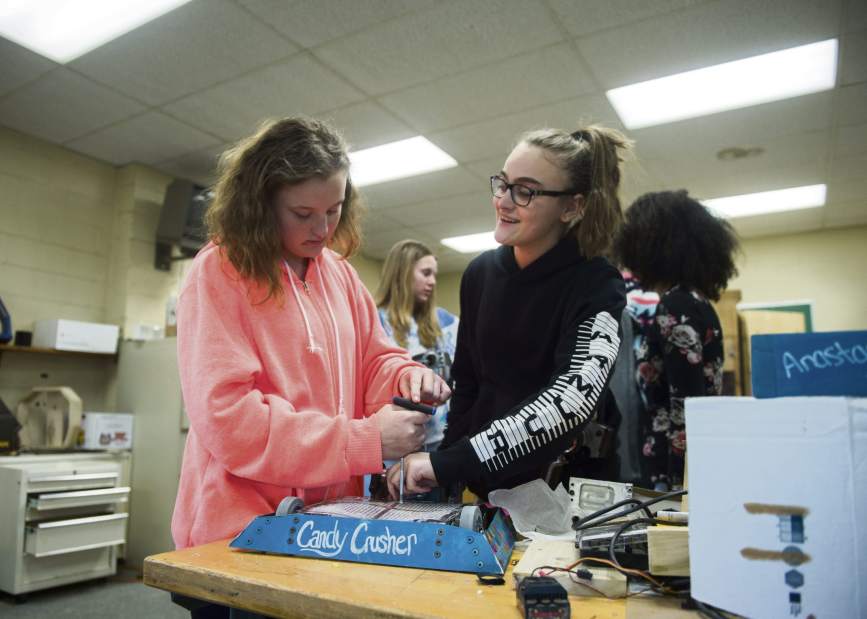
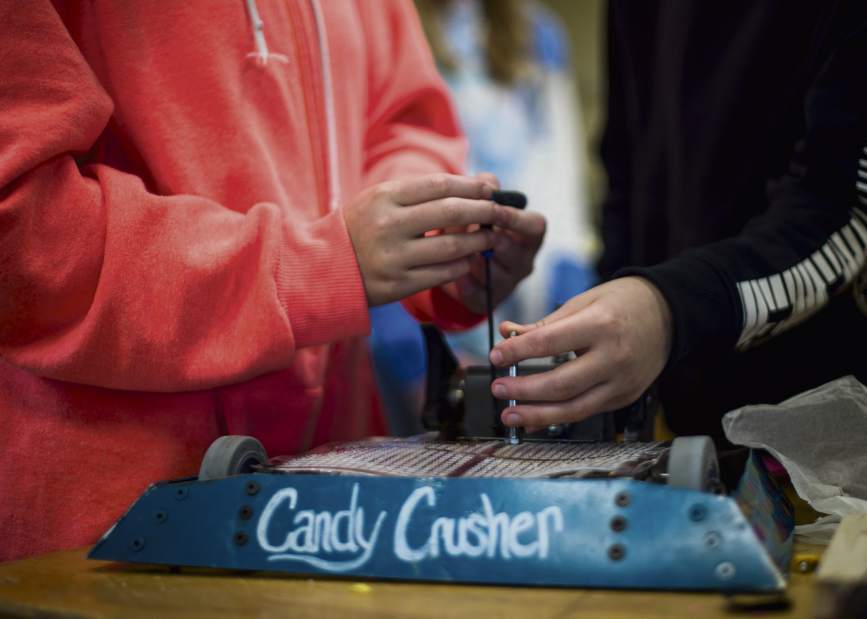
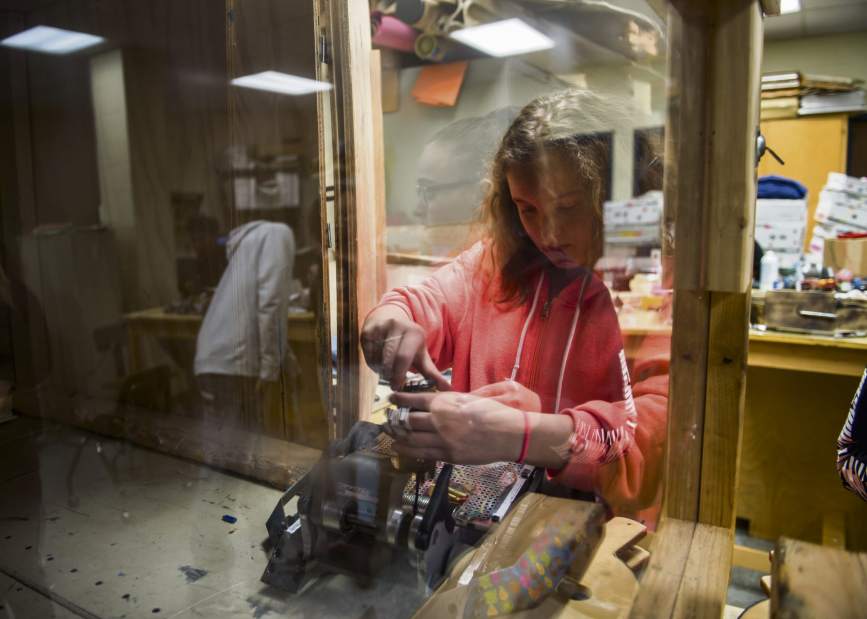
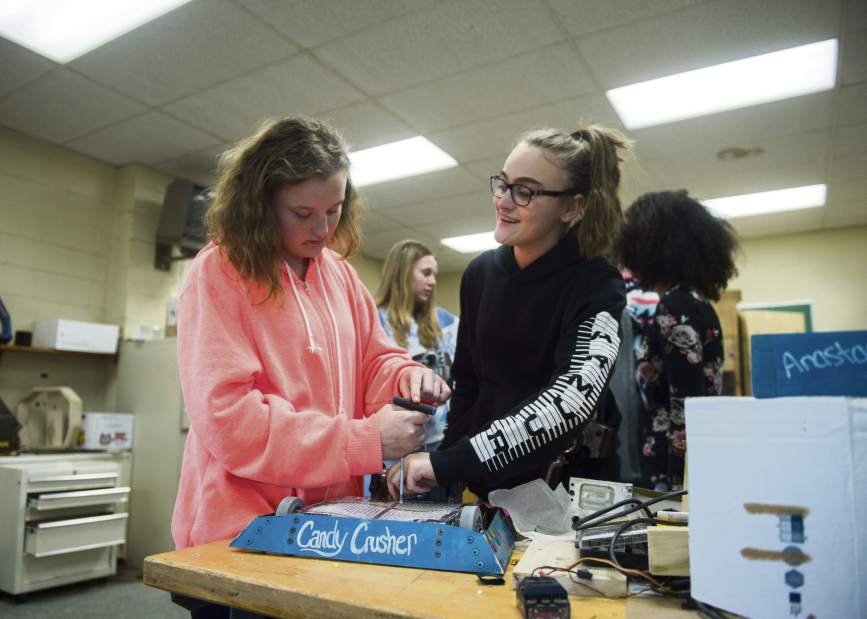
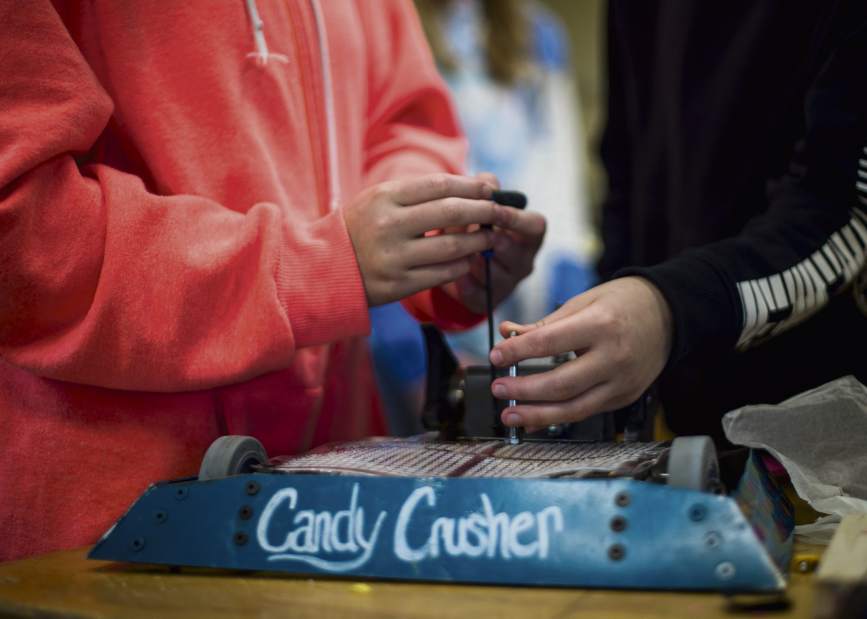
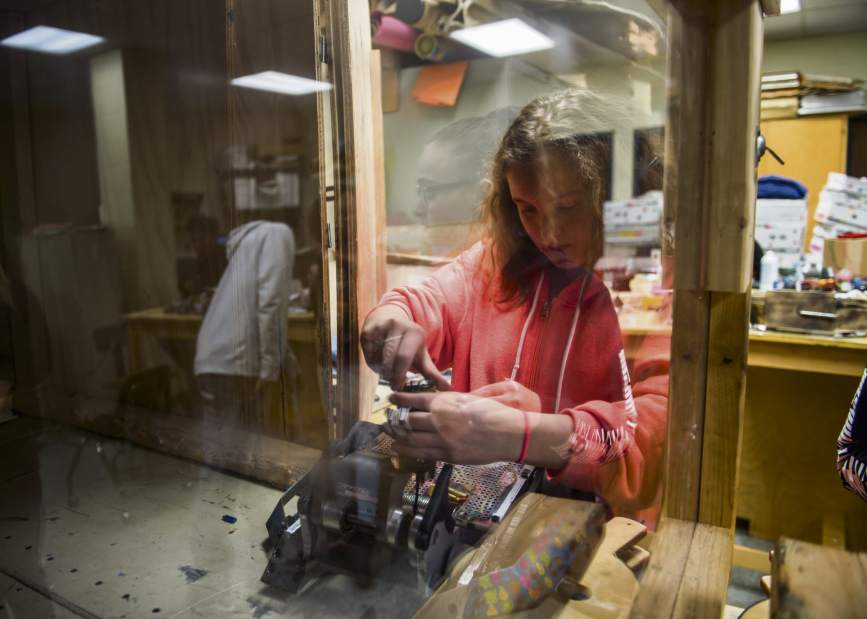
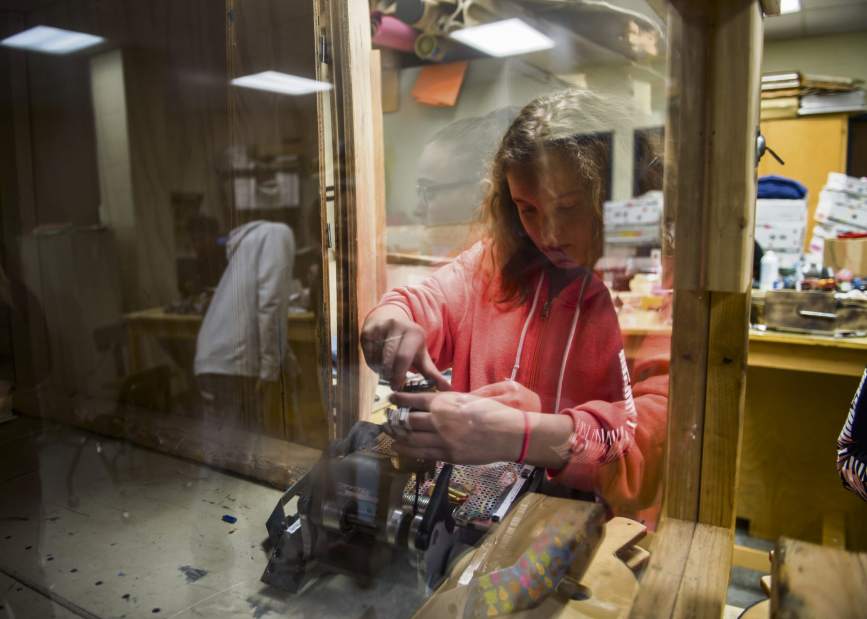
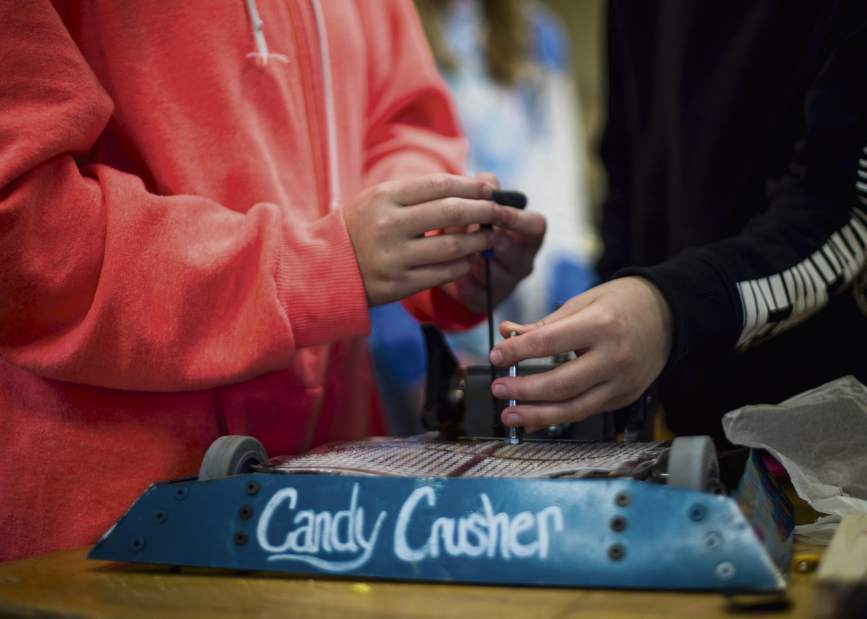
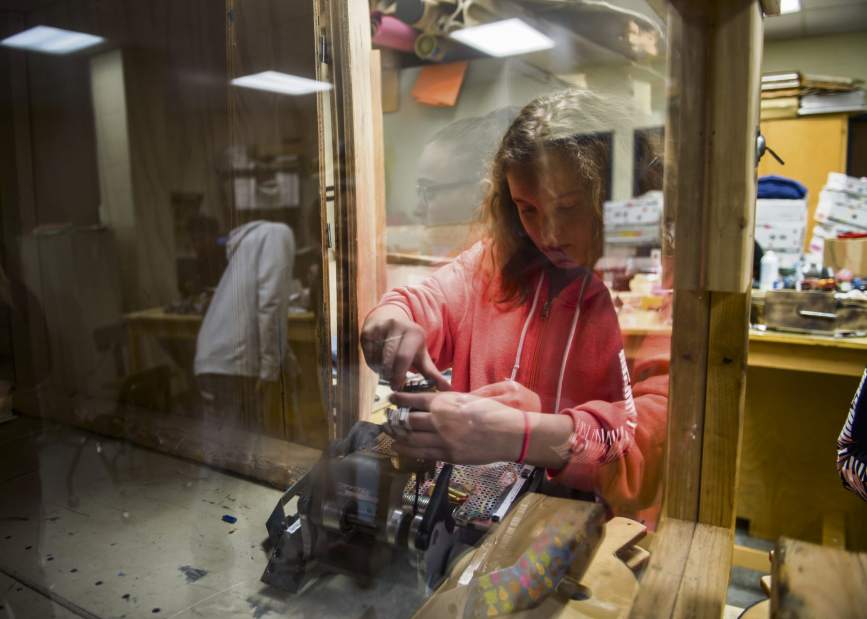
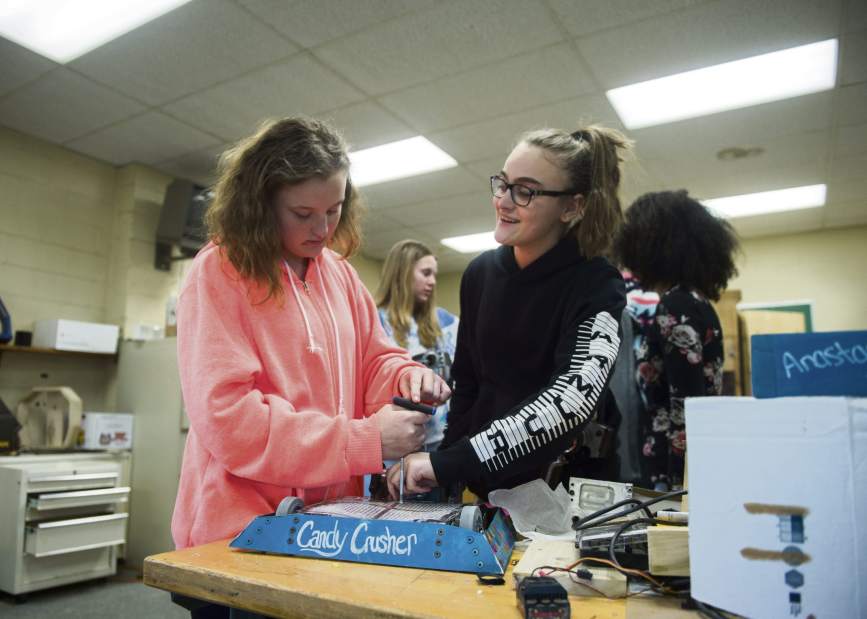
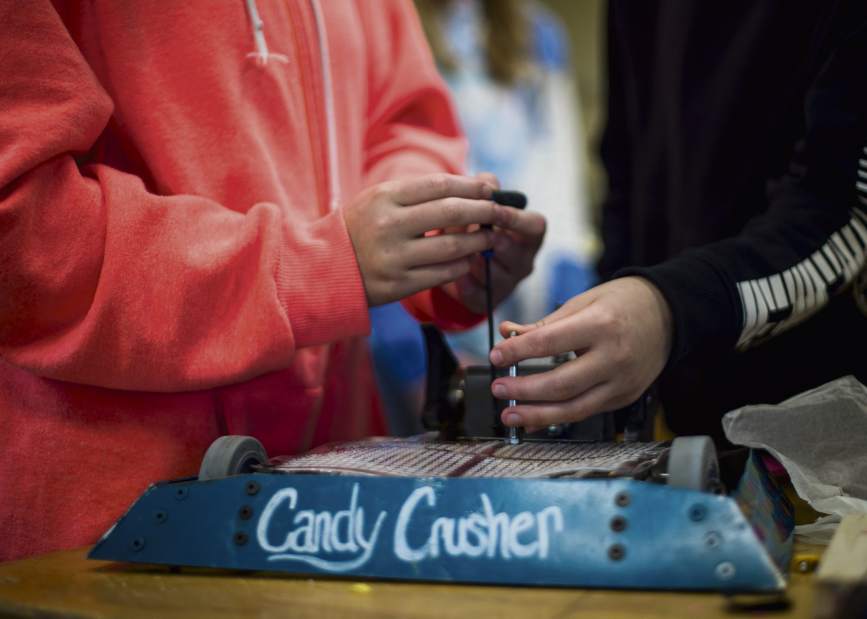
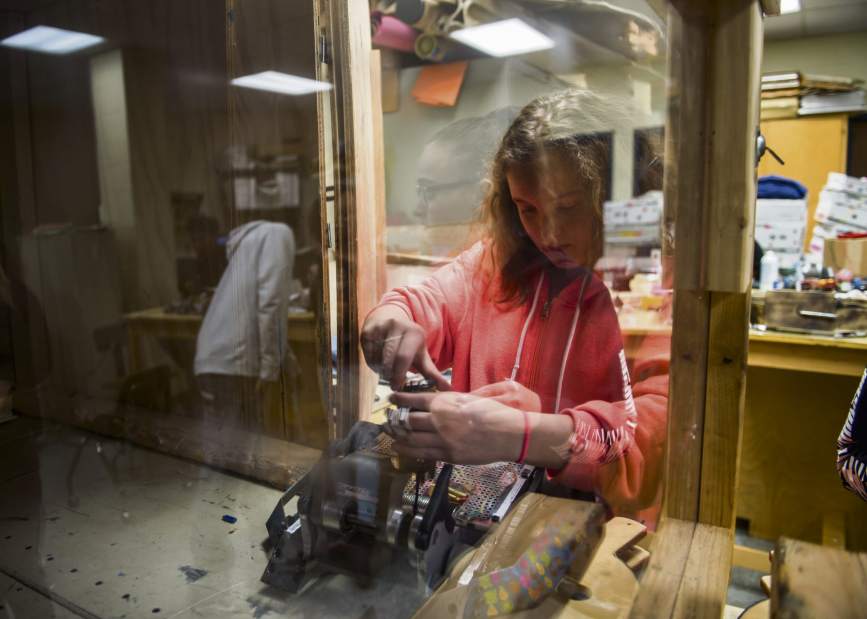
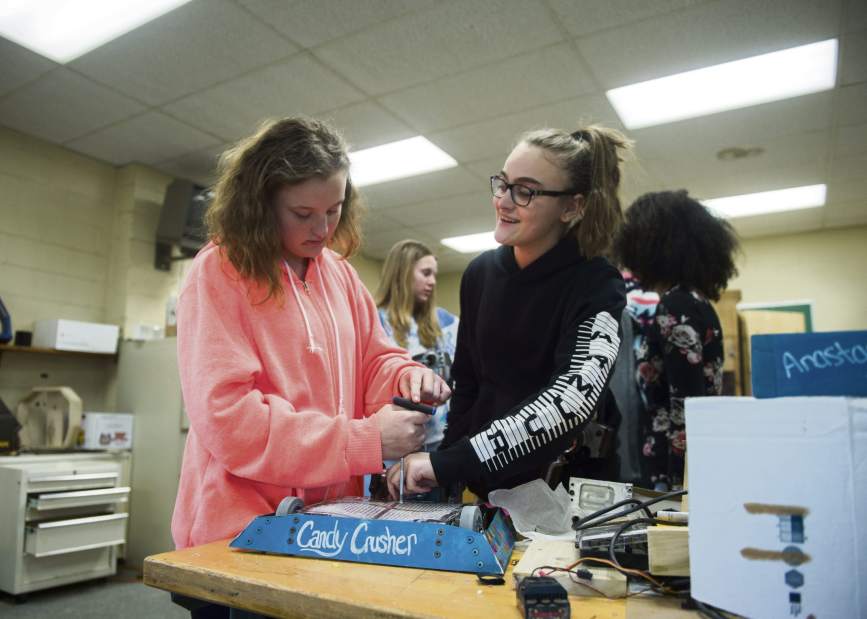
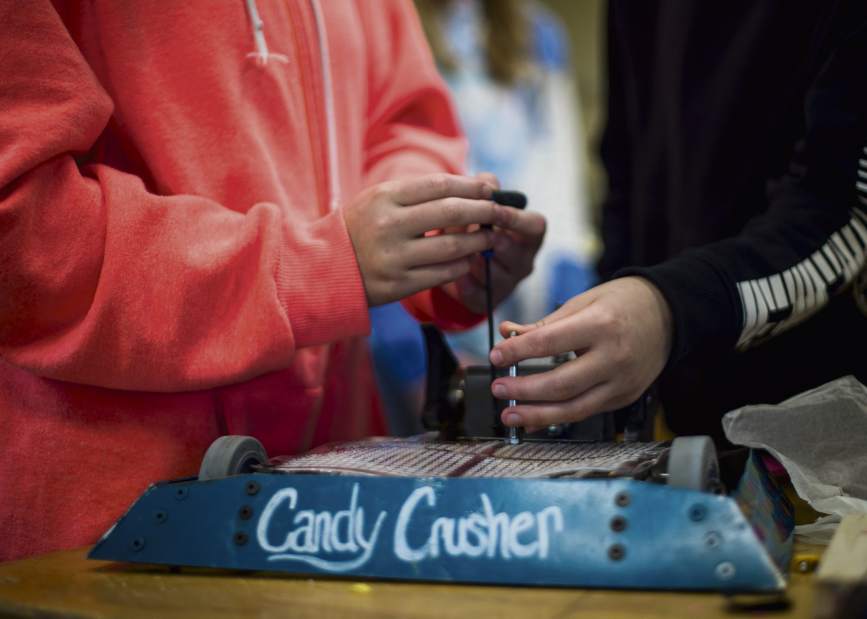
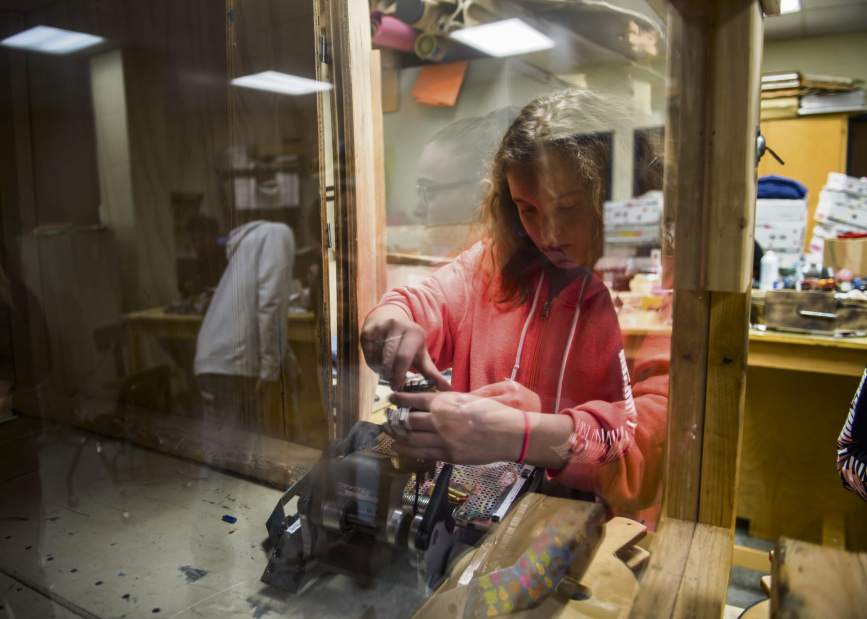
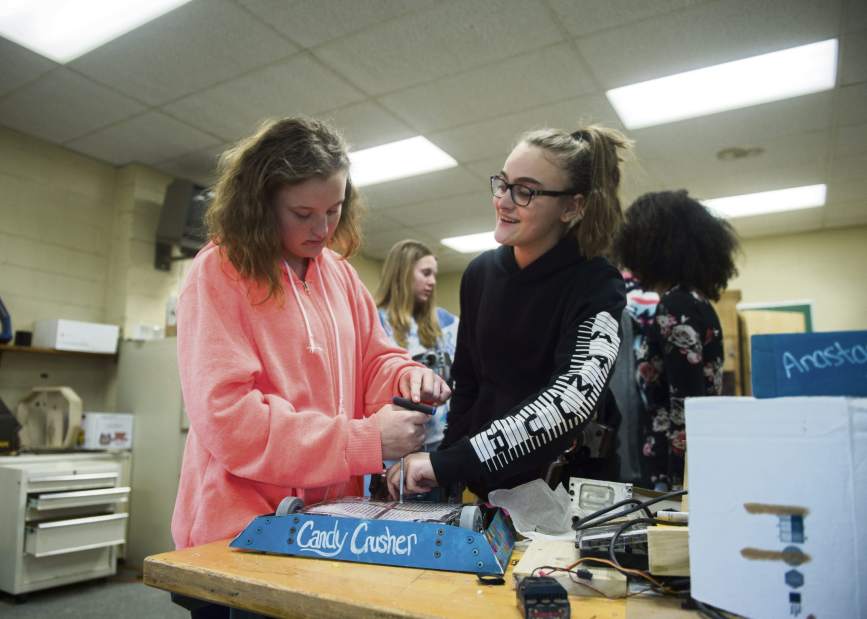
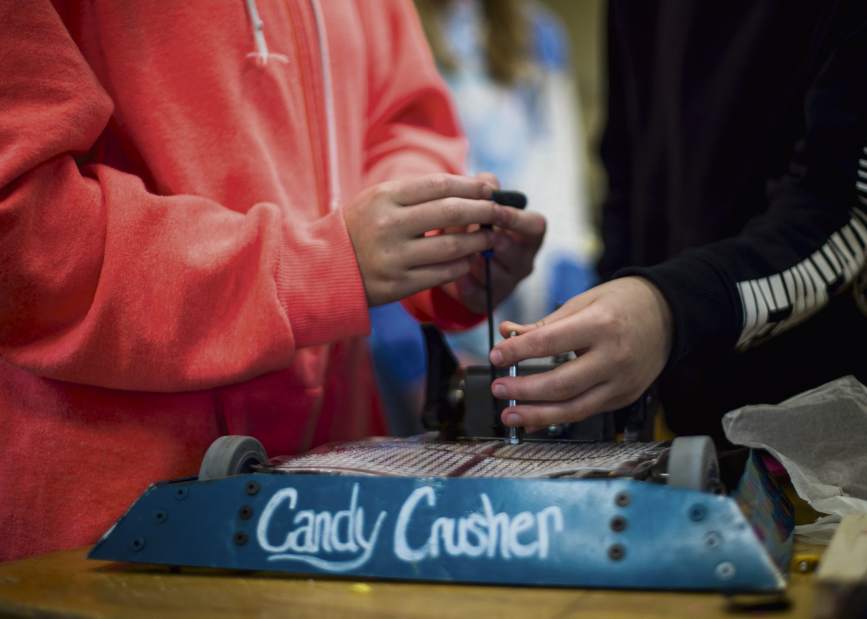
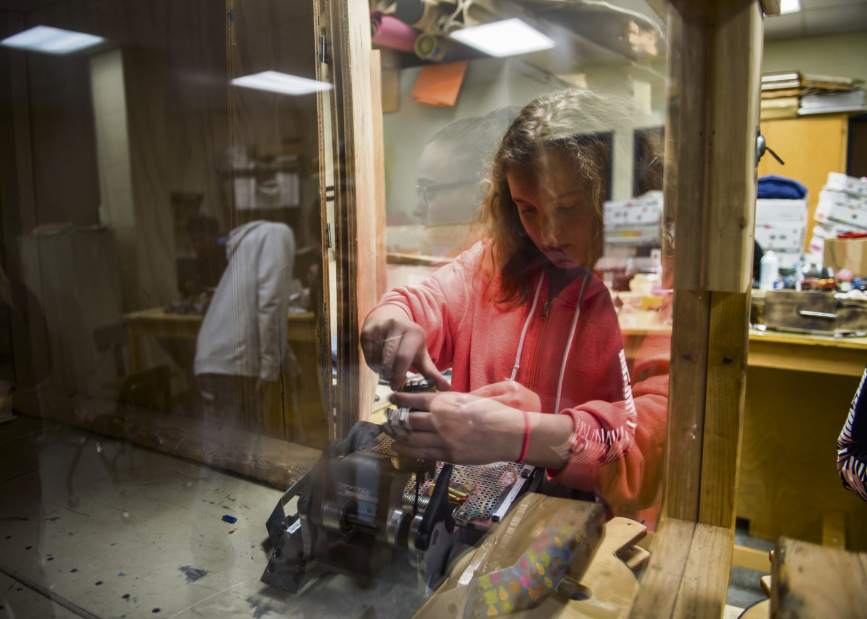
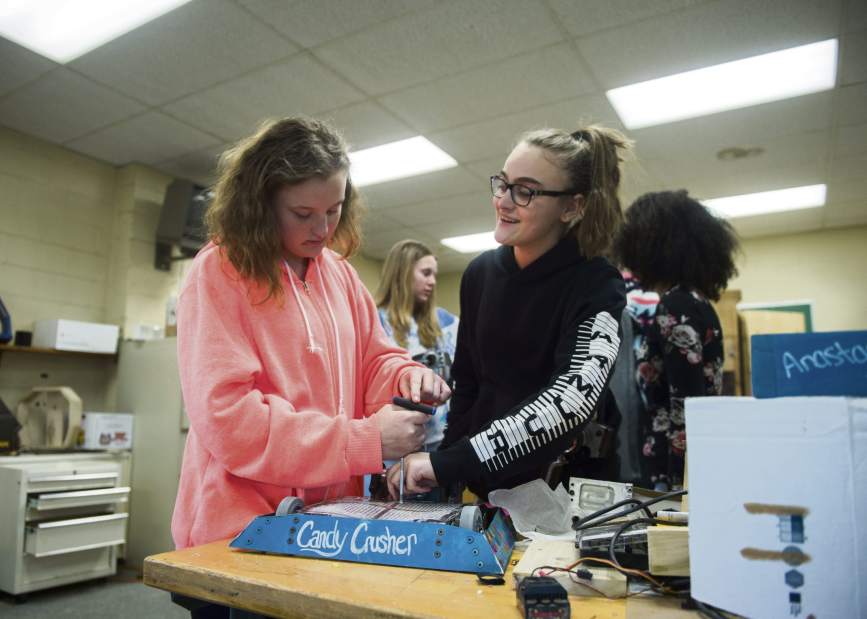
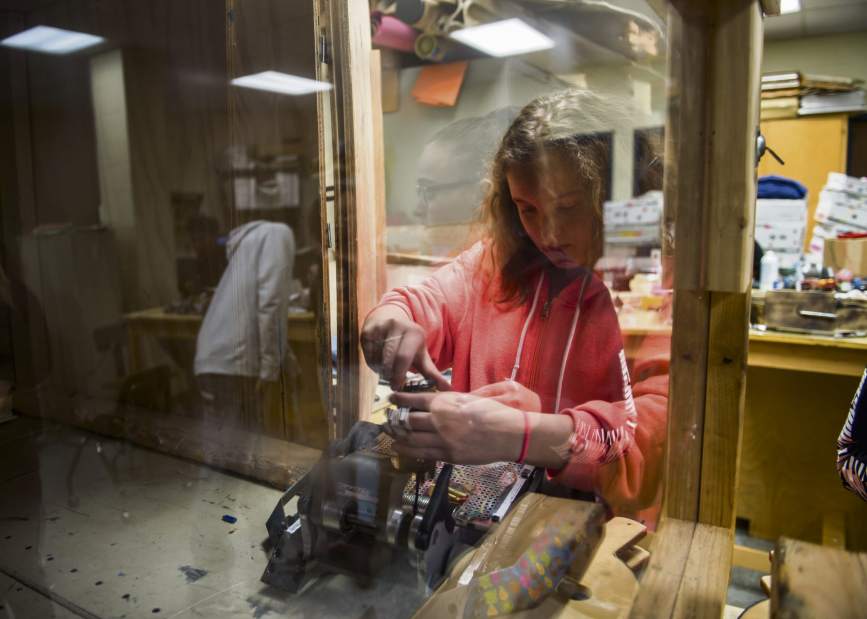
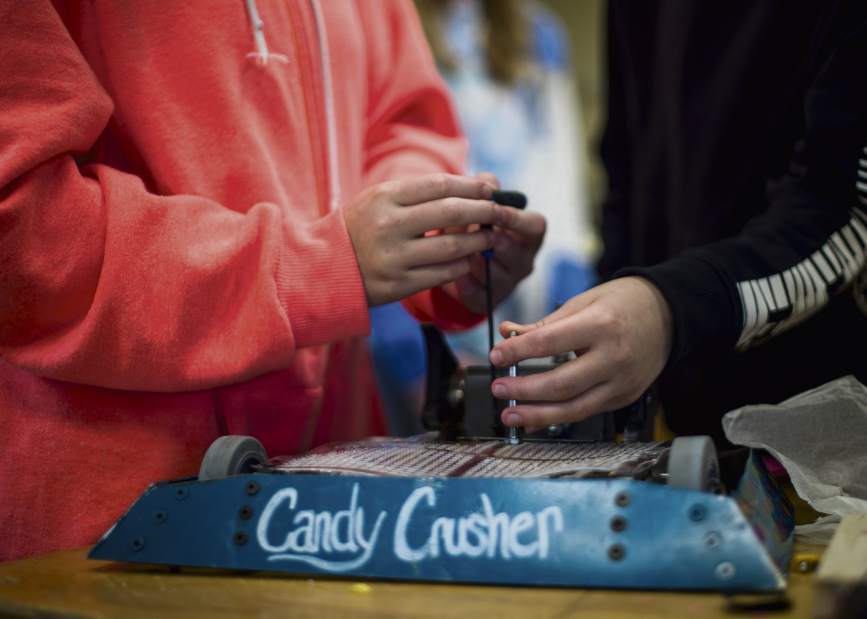
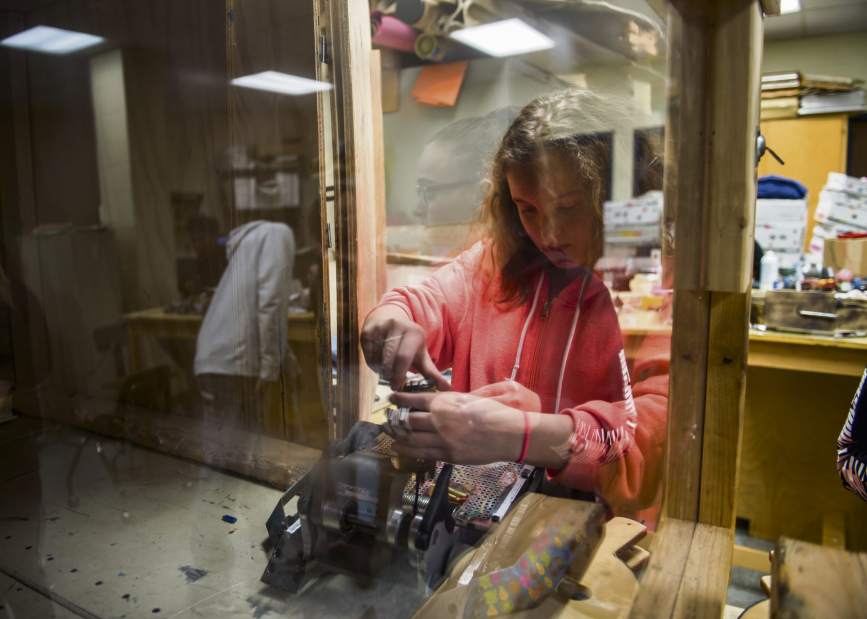
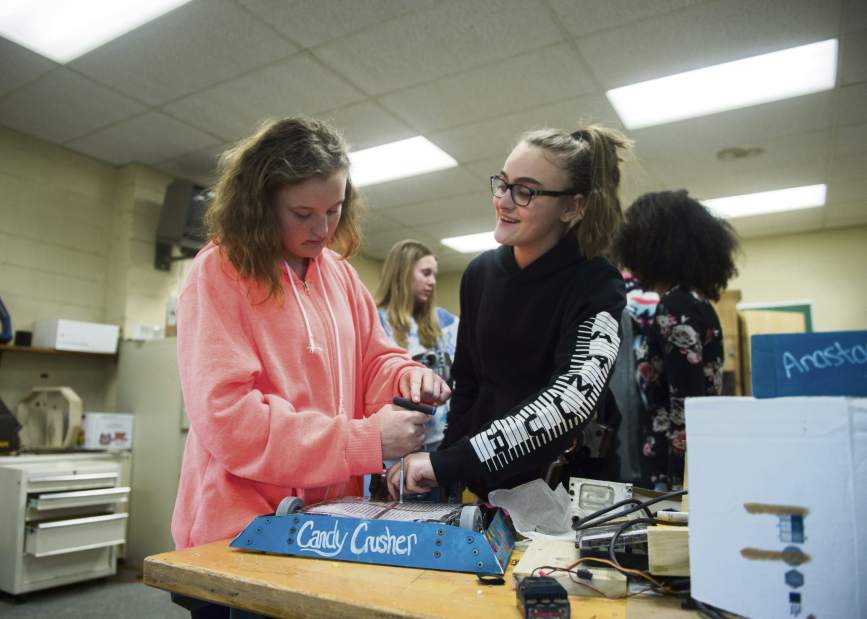
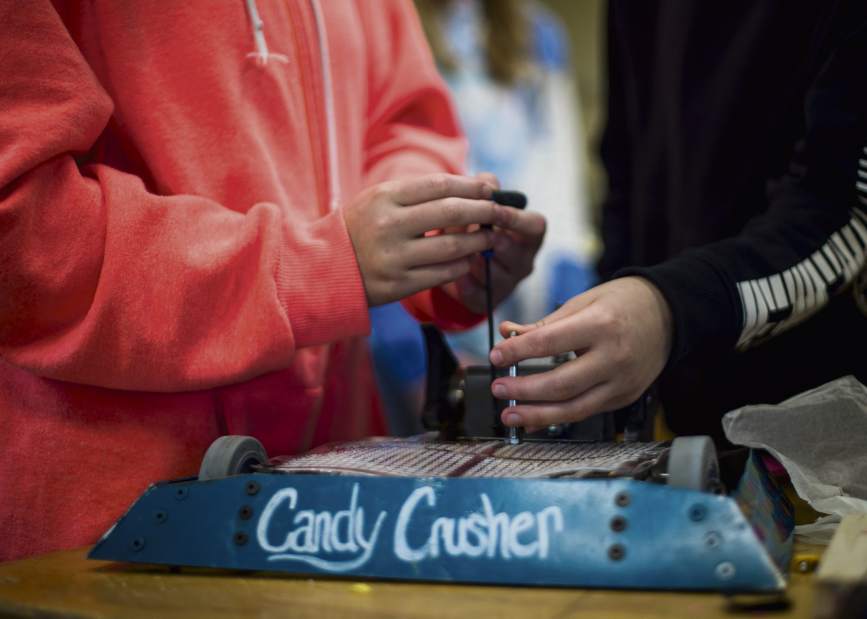
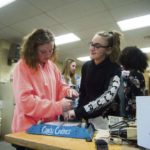
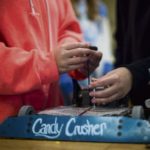
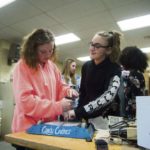
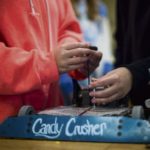
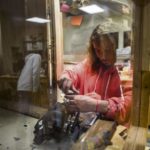
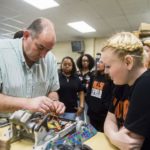
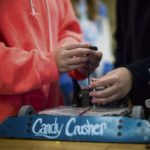
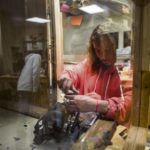
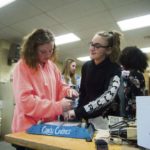
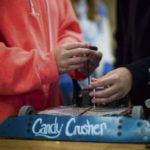
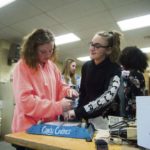
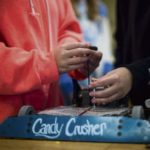
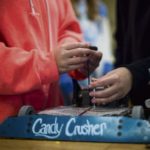
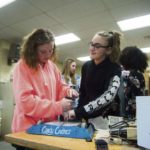
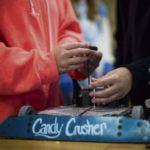
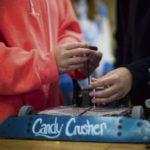
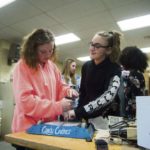
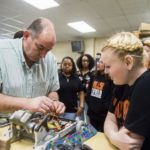
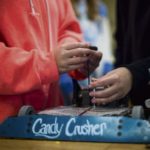
Candy Crusher is more crusher than candy.
Its armor is military-grade titanium.
A hunk of steel precision-cut with three teeth spins at 1,000 rpm.
It could easily take a finger off.
The robot is decorated with bright pieces of cartoonish candy inspired by the puzzle video game Candy Crush, but don't let it fool you.
"We tried to make it as frilly as possible," said Jayla Hamlin, a 17-year-old junior and one of the robot's drivers. "Last year's robot looked like a ladybug."
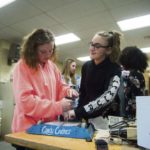
Candy Crusher is a killer robot. Built by an all-girl robotics team at Clairton High School, it will try to disable, disarm, dismember or destroy fellow battle bots Friday and Saturday at the BotsIQ finals at California University of Pennsylvania.
Teams will set their robots against each other, maneuvering them with remote controls and hoping their armor holds up as opposing weapons, like the spinning teeth of steel, attack. Metal will dent and bend. Sparks and robots will fly.
"Basically, the objective is to flip the other robot," team captain Anastasia Snowden said with a look so calm, it was chilling.
The Southwestern Pennsylvania BotsIQ program started 13 years ago. Students in about 60 schools spend the school year building a robot to compete in fight-to-the-death combat.
"They learn all about the steps in manufacturing in building this bot," said Ashley Kirsch, a communications and marketing specialist with South Side-based BotsIQ. "Everything from the initial design phase to machining and testing to even repairing their bots."
The students competed in preliminary rounds in March.
The program aims to build interest in science, technology, engineering and math skills and equip students with skills needed to land a high-paying manufacturing or machining job straight out of high school or go on to college to study engineering.
Men dominate those fields. Less than 20 percent of industrial engineers are women. About 10 percent of electrical or computer engineers are women, and only 8 percent of mechanical engineers are women, according to National Girls Collaborative Project.
Boys also dominate the BotsIQ program. Only 17 percent of the program's participants are girls.
But the Clairton girls aren't intimidated. The boys are, they said. The girls said teams of boys get nervous fighting them, and one tapped out before the bout even started.
"It's awesome," Lauren Witherspoon, co-captain and a 17-year-old junior, said. "You don't really see a lot of girls."
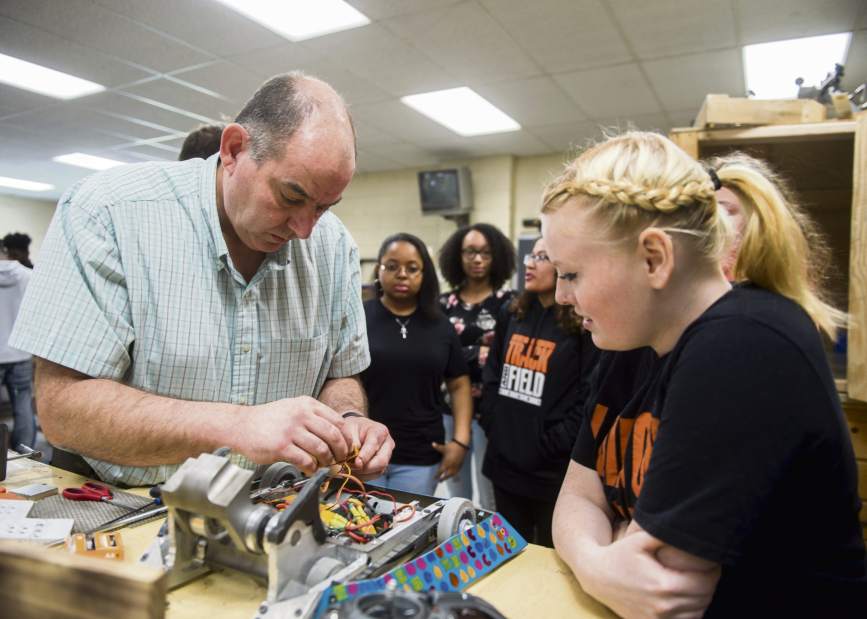
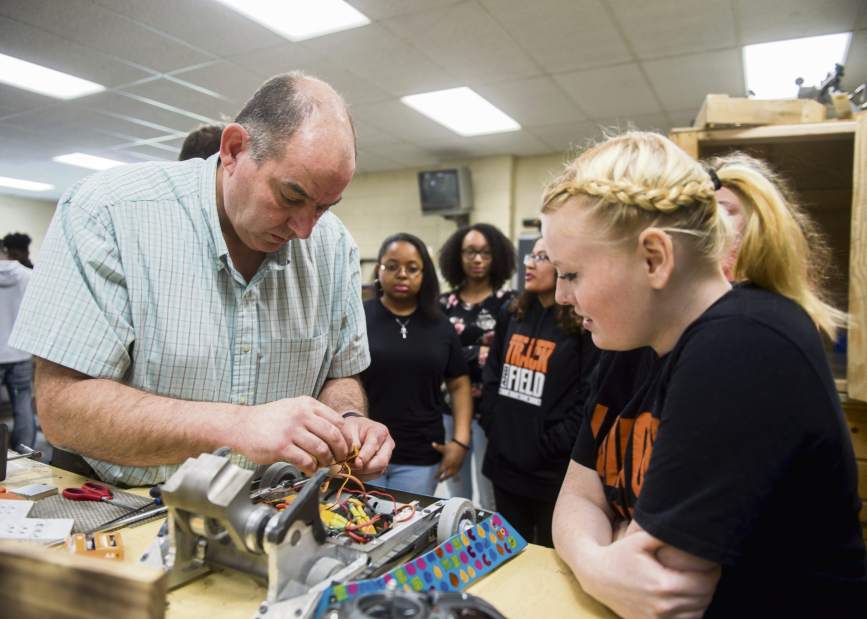
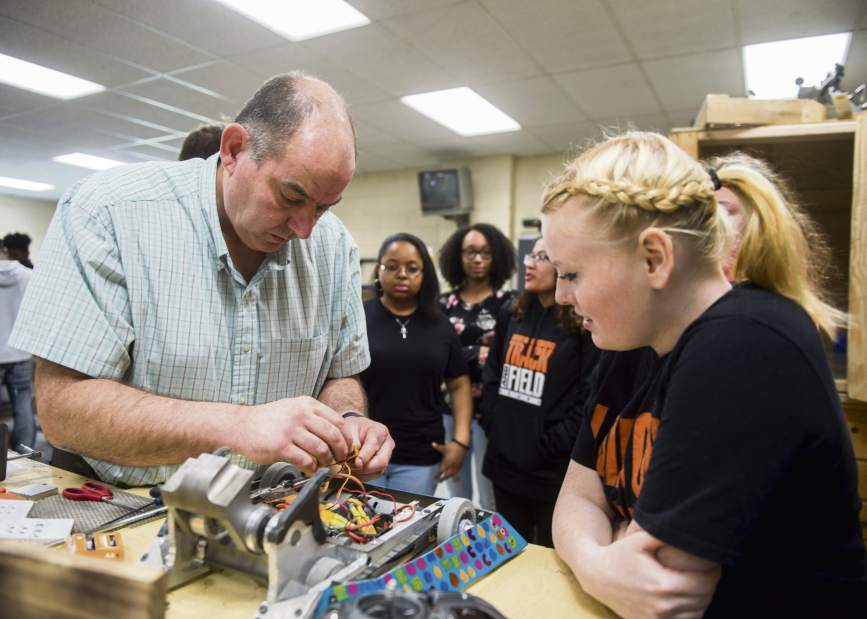
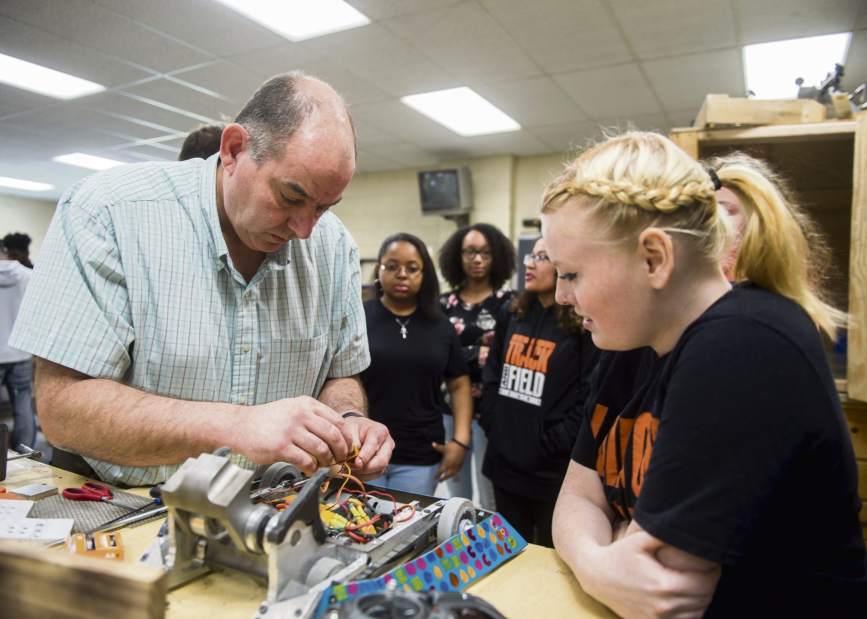
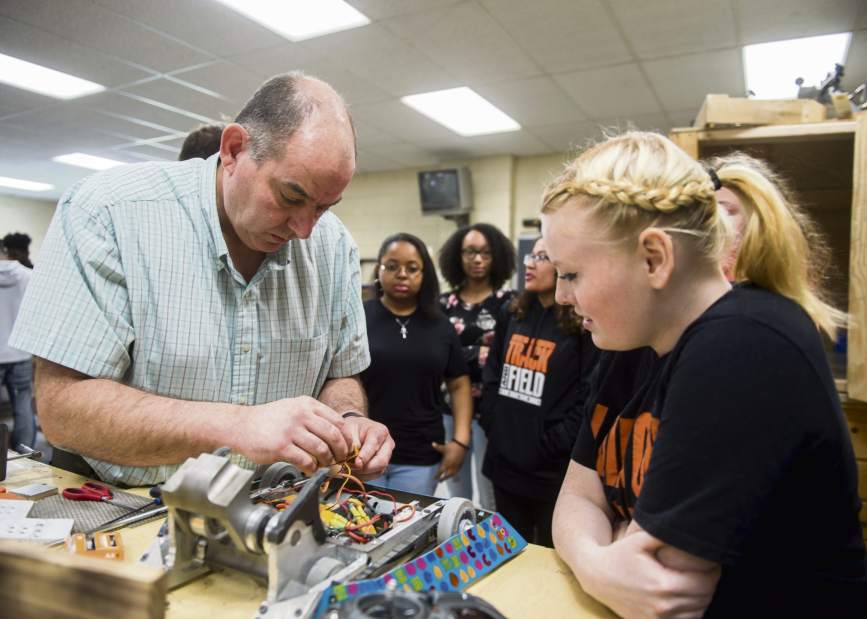
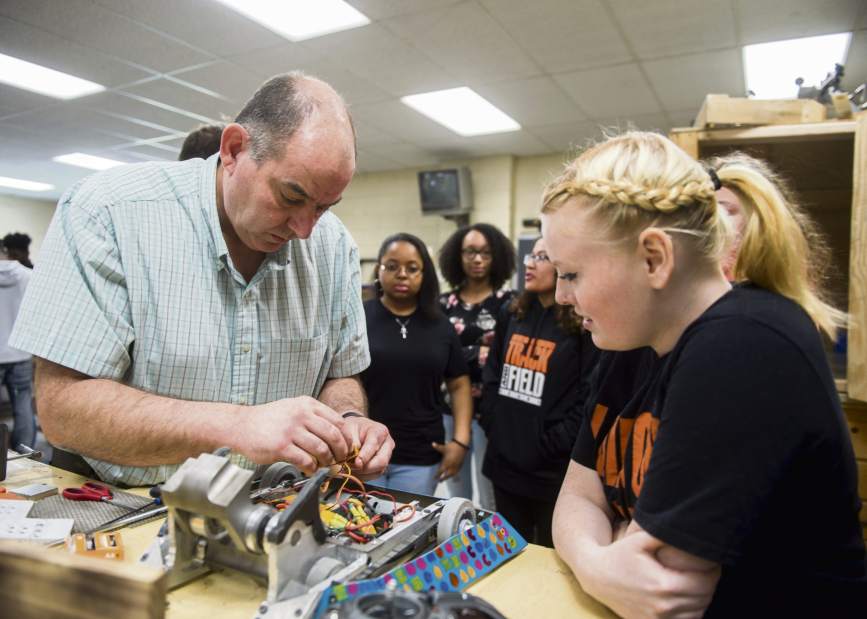
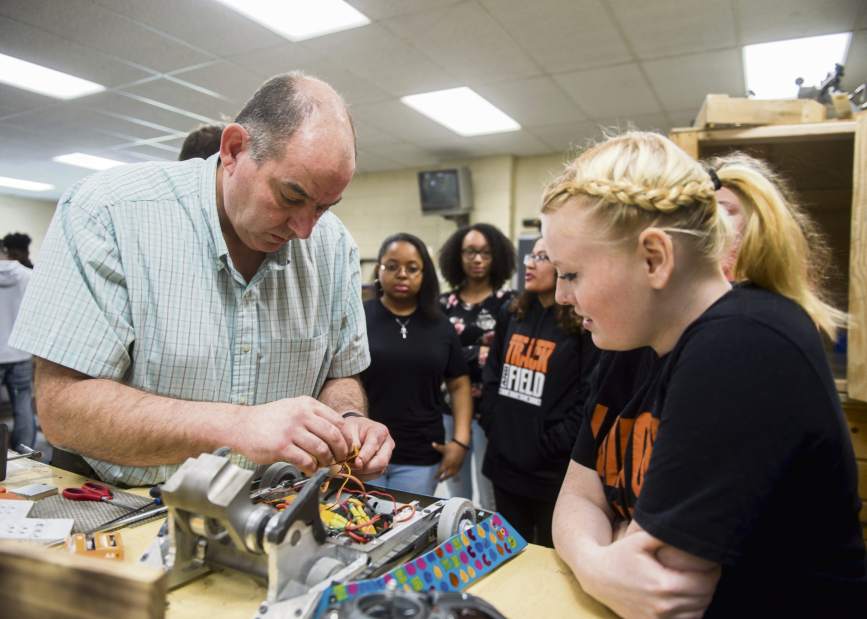
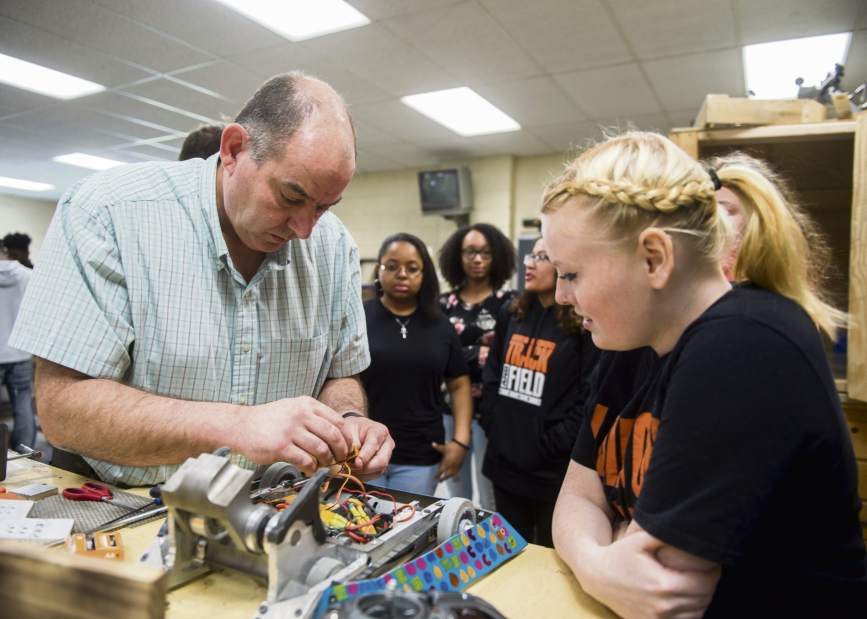
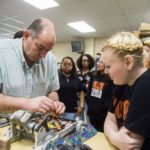
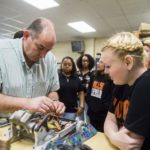
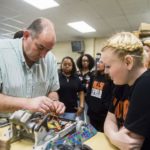
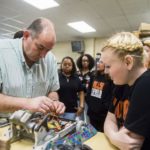
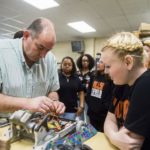
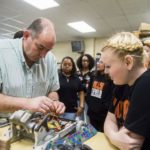
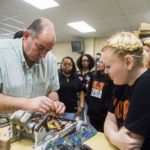
Dennis Beard, a technology teacher at Clairton, started the robot program nine years ago. He had three students that year, two boys and girl. Beard's dream was to build an all-girls team. This is the second year the Clairton has sent an all-girl team to the finals. There is even a girl driving Crow, the robot heading to the finals from the school's boys team.
"We're in an era where it's not only boys," Beard said. "I wanted to show that girls can do just as much as the boys."
The boys team admitted that if Crow had to face off against Candy Crusher, it would lose.
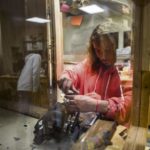
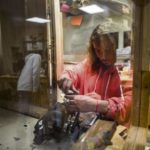
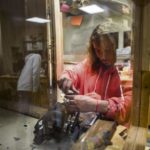
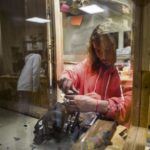
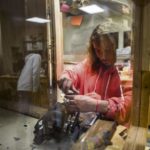
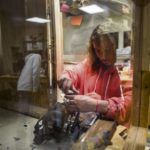
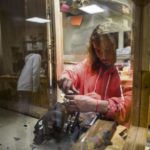
Beard said the teams learn the most when they are tearing their robot down to fix it. The girls could rewire the robot on the fly if they had to.
A back room in the school's woodshop has been converted into the robot room. There is a 3D printer for prototyping parts, machining tools, CAD stations and even a mini battleground.
Chevron partnered with BotsIQ in 2015 to help schools get started. For a school's first and second year in the program, Chevron provides $1,050 to help buy equipment and tools. Teams in their third year get $500 from Chevron, and the company gives teams $250 each year after that.
"We don't want the price tag to be prohibitive," said Lee Ann Wainwright, STEM education and workforce development investment advisor at Chevron. "The real-world applications that these kids are learning is immeasurable."
Students not only build a battle-ready bot but also a business binder that tracks the jobs skills they've learned. In the program, students have to look for manufacturing jobs, build a resume and even pretend to apply for a job, Wainwright said.
Wainwright said students who continue to build those skills and experience could find themselves working in jobs where pay starts at $45,000 to $60,000.
"There are going to be jobs that we need these kids to fill," Wainwright said. "This isn't the manufacturing of your grandfather's or your father's generation, this is a new opportunity."
An opportunity for the girls.
Aaron Aupperlee is a Tribune-Review staff writer. Reach him at aaupperlee@tribweb.com, 412-336-8448 or via Twitter @tinynotebook.
