


The heyday for passenger railroads in the United States was around the turn of the 19th century — from the 1880s up to about the 1930s.
Automobiles began to displace some train travel in the 1920s. Then, after World War II, when the interstate highways were built and airlines took over long-distance travel, passenger railroads went into a rapid death spiral. By the 1960s, passenger trains were few and far between.
What, nevertheless, remains from those days are many of the old passenger train stations. Because they were such important buildings in any town, they are very often architecturally significant.
We have right now two old train stations — one in Coraopolis and one in Edgewood — that help tell the train-station story. Both were designed by famous architects and both are significant for their style and their looks even today. But they illustrate, as well, the difficulties of preserving old stations and of finding sustaining uses for them now that their original purpose is gone.
The Coraopolis station is long abandoned and on the verge of becoming a ruin. The Edgewood station, by contrast, has been carefully restored and updated and is likely to continue to thrive.
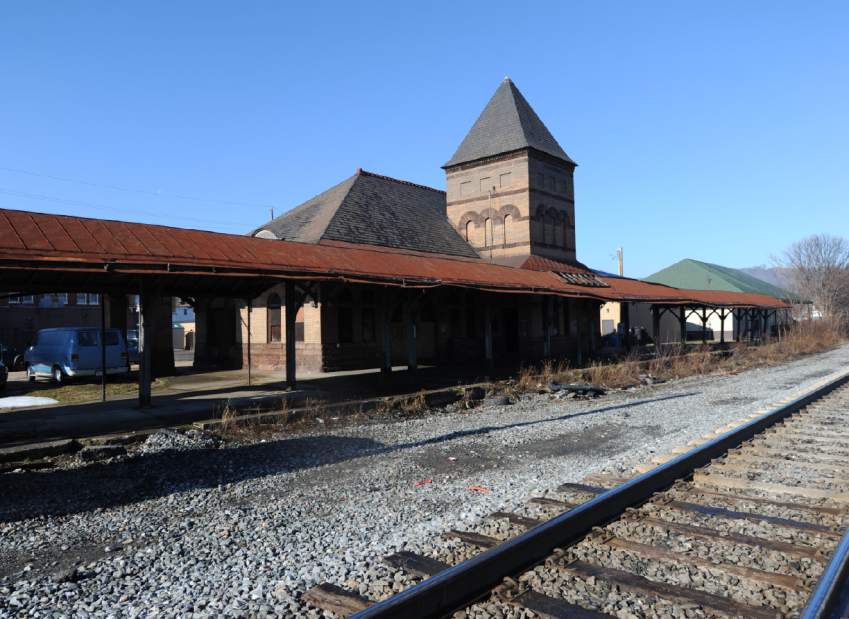
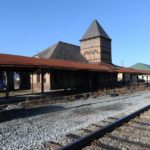
The station in Coraopolis was built in 1895, designed by the Boston firm of Shepley, Rutan & Coolidge. The three partners were associates of H.H. Richardson, the great 19th-century architect who designed the Allegheny County Courthouse and Jail. They took over Richardson's work after he died.
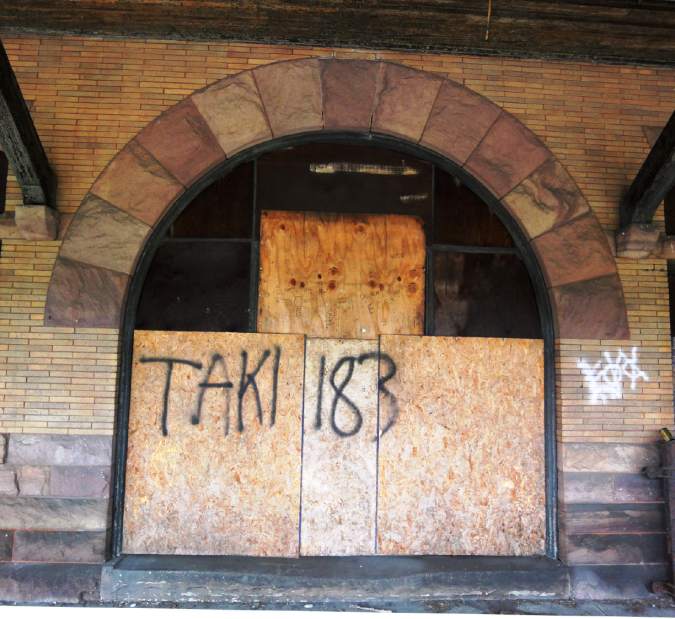
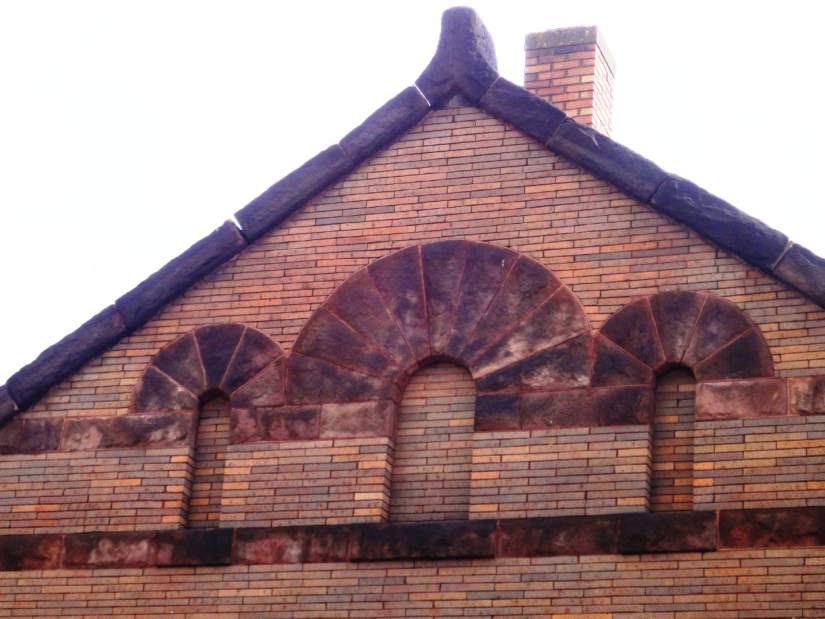
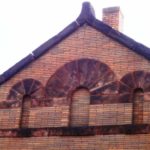
It's an artfully composed building, wholly in line with Richardsonian style. There's a massive squat tower at the center and low spreading roofs that complement the tower and dominate the composition. The finish is a buff Roman brick with a brownstone base and stone-framed arches. Some of the details can easily remind you of the county courthouse.
Richardson and his successor firm designed more than 30 train stations, large and small, mostly in the Northeast. Some are still in use as Amtrak or commuter stations. Others have been turned into libraries, boutiques, coffee shops and offices.
A group of residents bought the Coraopolis Station in 2006 as the Coraopolis Community Development Foundation — hoping to restore it for use as a town history center and cafe. They have sought expert advice on its preservation and restoration, and have gotten solid recommendations. But they have not been able to raise the $1.2 million to $1.6 million that a satisfactory restoration would require.
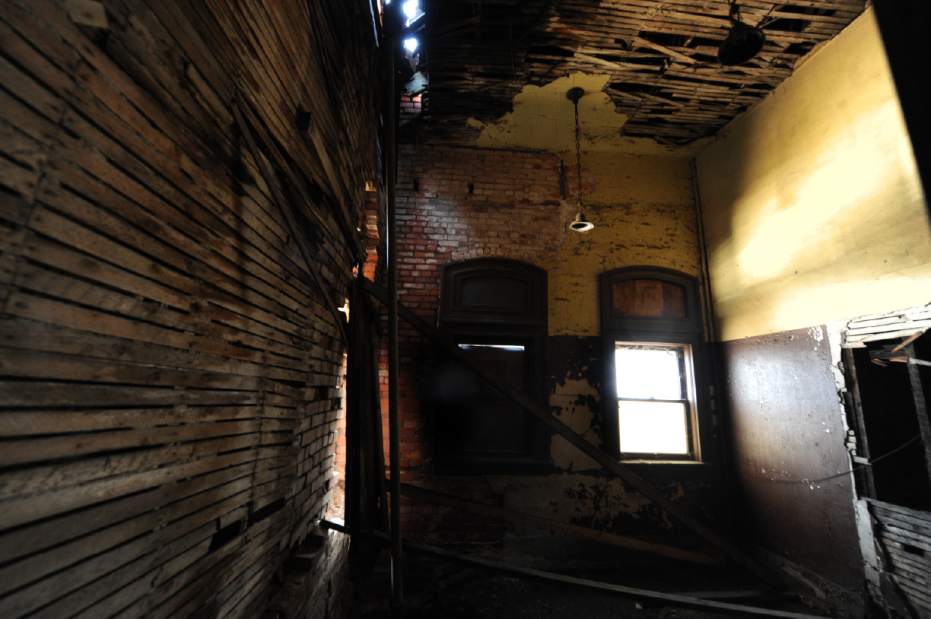
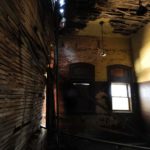
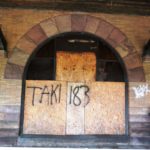
The current interior is a decayed shambles, with water damage rotting walls and floors in several places. A restored roof is imperative if this building is not to become unsalvageable soon.
A single set of rails in front of the station is still in use by CSX, although four tracks were there when this was part of the Pittsburgh & Lake Erie Railroad.
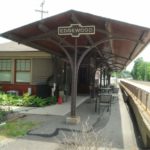
In Edgewood, they've been far luckier. There, the station sits beside the Port Authority's East Busway, and the Port Authority obtained control of the deteriorated station after the busway was built in the 1980s. On the other side of the busway are the remaining two tracks of what was once the four-track mainline of the Pennsylvania Railroad.
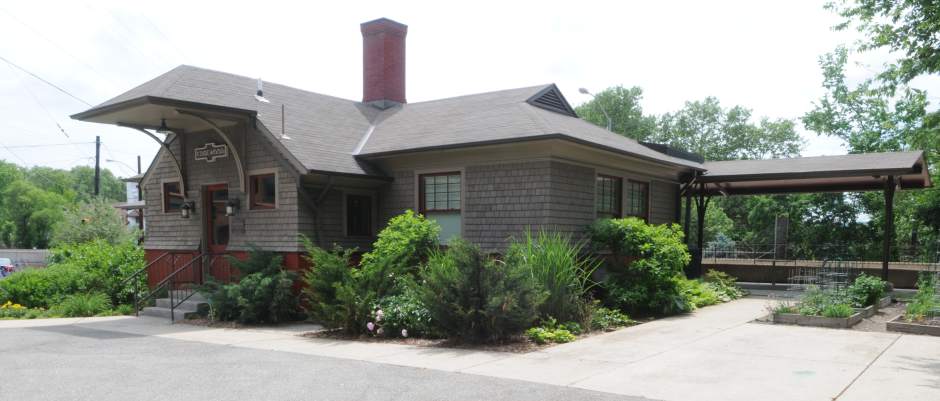
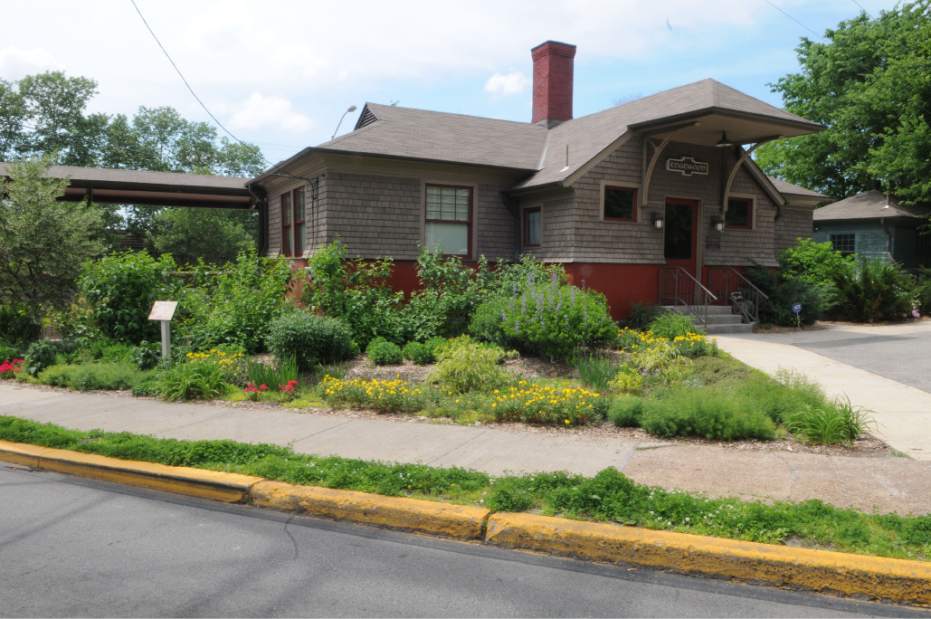
This station, dating to 1903, was designed by Philadelphian Frank Furness, one of the most admired and studied architects of the Victorian era. Furness was an unconventional architect who often experimented for effect. Many modern architects have learned from the innovative ways he combined different architectural elements in what were otherwise huge “Victorian piles.”
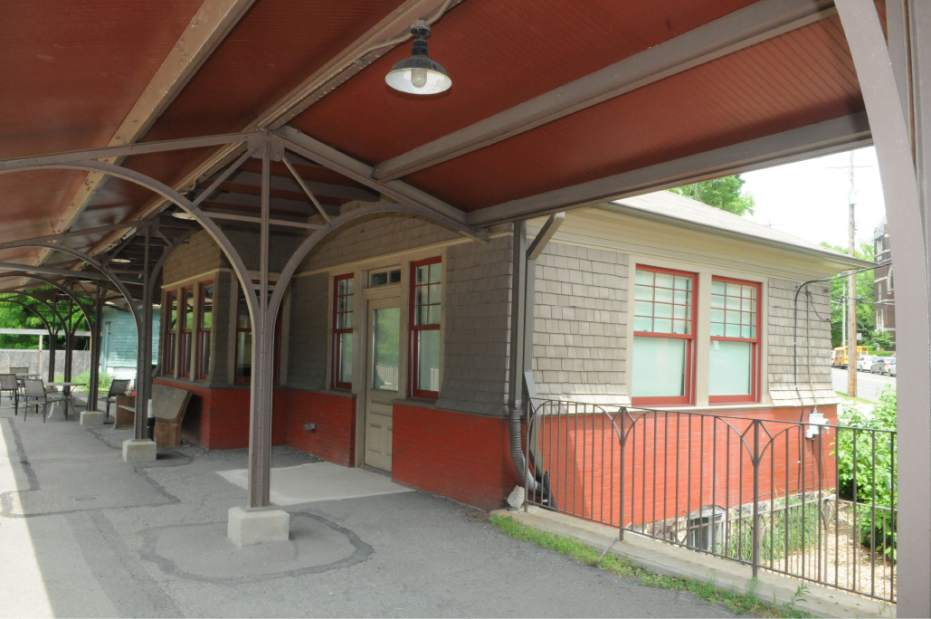
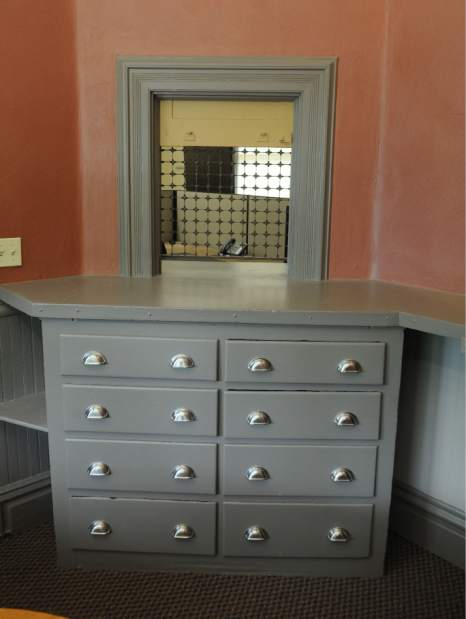
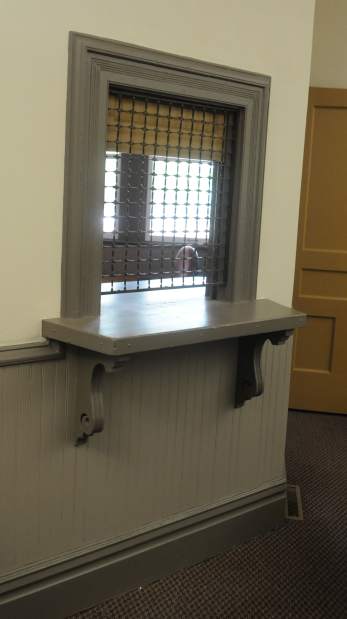
This station is more modest than many Furness buildings, but the Port Authority, to its credit, hired quality architects to rehabilitate it, using federal and state grants. The authority then leased it to Edgewood, and the borough has since leased it out over the years as an antique shop, real-estate offices and, most recently, architects' offices.
The architect-lessees were a real stroke of luck because they were Suzan Lami and Bob Grubb, longtime Edgewood residents who run a firm now relocated Downtown and known as LGA Partners. They knew how to work sensitively with historic buildings, and they made their own historically accurate renovations, completing the station's restoration.
Interestingly, Lami had done a thesis on Furness while studying architecture at Carnegie Mellon University. They continue to hold a lease on the structure and are picky about who they might sublease it to in turn.
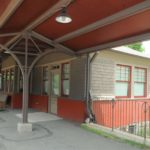
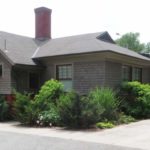
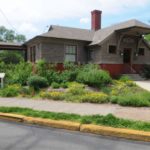
Today, the station seems almost pristine. It has restored wood-shingle siding that reaches about two-thirds of the way down the facade, flaring gently as it reaches the brick foundation. The overhanging roofs have unusual coved eaves crafted from overlapping strips of wood.
The Edgewood Station shows at least one path to success. Other paths are needed. In addition to the work in Coraopolis, another community group is trying to rehab an even larger station in Wilkinsburg. In Sewickley, new uses are being sought for a station now that the long-term tenant — an American Legion Post — has moved.
Train stations are a singular part of our history. They need to be adapted for new uses and preserved.
John Conti is a former news reporter who has written extensively over the years about architecture, planning and historic-preservation issues.
