
Editorial: Opioid deaths show need for bipartisan cooperation

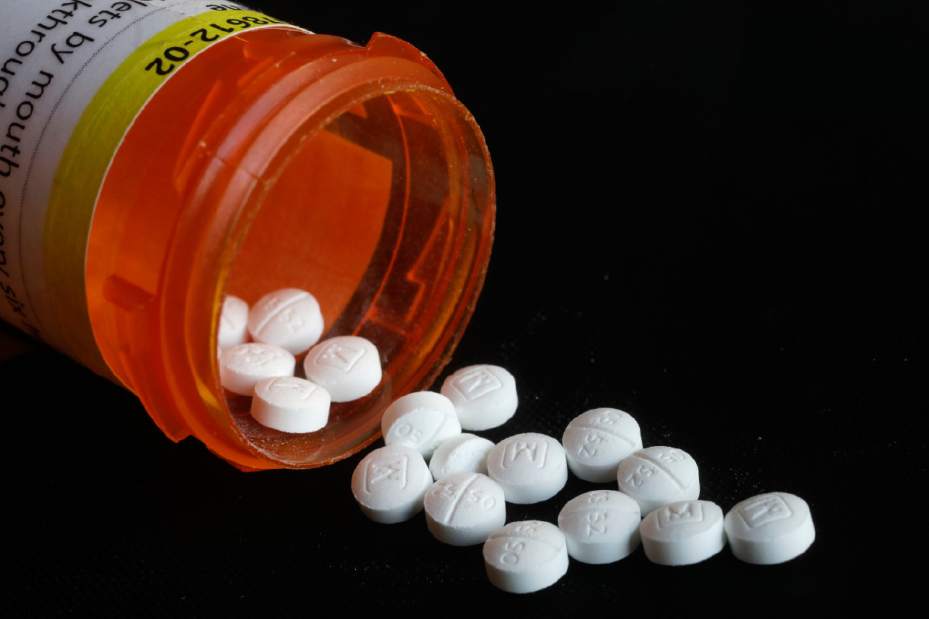
Every day, the Allegheny County Medical Examiner’s office sends out emails with short bullet points of the cases that are being investigated.
Too many of them sound as similar as the chorus of a sad song.
The facts in these cases ring the same notes. Death was by overdose, death was accidental. The litany of drugs runs through the range of opioids. Cocaine. Fentanyl. Heroin.
The same things repeat update after update. The deceased are black and white. The ages are scattershot: 34, 19, 52, 46.
The epidemic of addiction to prescription drugs and heroin is not improving. The number of deaths keeps climbing. It’s so bad that two men who do the same job but seem to agree little about how it should be done agree about this.
The state’s two U.S. senators differ on almost all counts. Bob Casey is a Democrat. Pat Toomey is a Republican. Toomey supports President Donald Trump. Casey opposes him at almost every turn. They bleed blue and red respectively and are both vocal in their partisanship.
But there are too many dead Pennsylvanians to let which side of the aisle they occupy get in the way. On Monday, they announced that Allegheny, Beaver and Washington counties have been designated High Intensity Drug Trafficking Areas.
The designation identifies a problem that has been scattered across the country. While opioids are everywhere, there are fewer HIDTAs. As of February 2017, the only other Pennsylvania area, according to the Office of National Drug Control Policy, was Philadelphia.
That status means more resources to fight the problem.
Maybe more people in Washington could do what Casey and Toomey did Monday and stop fighting about who is winning and who is losing just long enough to focus on the drugs that are killing people every day. Maybe some of the people in Harrisburg could, too.
Maybe everyone who was elected to do a job that could do anything at all to help the people who are dying, and the families who are losing them, should get those emails from Allegheny County’s medical examiner every day. Maybe they could get similar lists from Beaver and Washington, and all the other counties in HIDTAs across the country.
Maybe a deluge of lists of ages, drugs and where the bodies were found could drive home the volume of loss. Maybe people could decide that fighting this fire is more important than arguing over who gets credit for putting it out.
But the not-so-slowly escalating nature of a problem everyone has agreed has been growing for years says that probably won’t happen.
The steady stream of investigations by the medical examiners says the same.
