

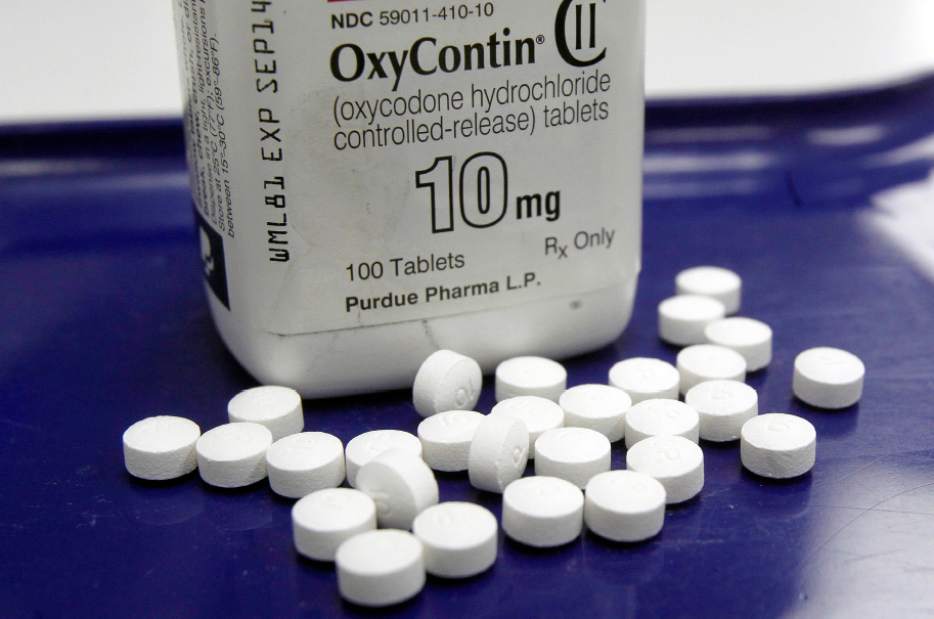

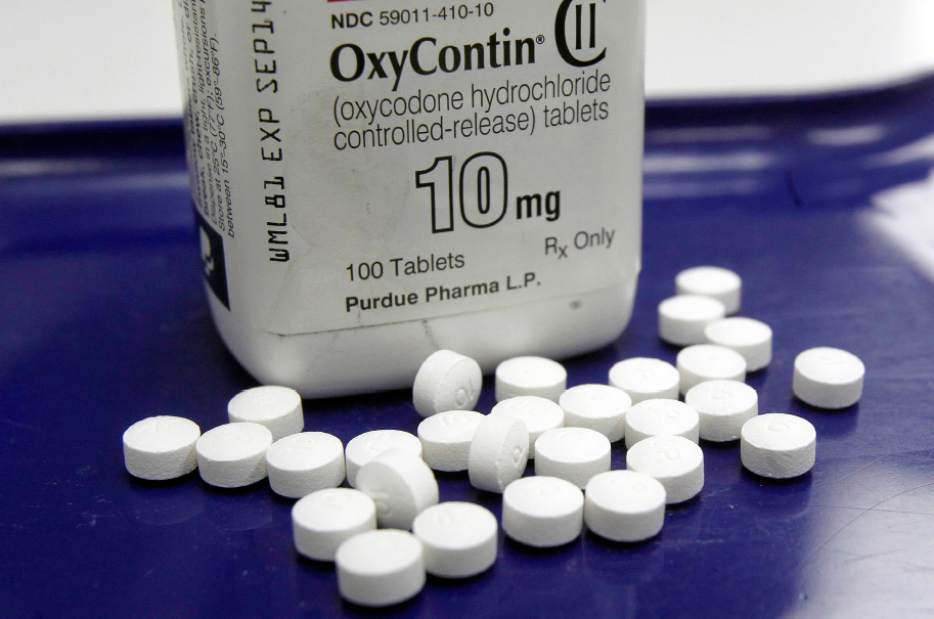

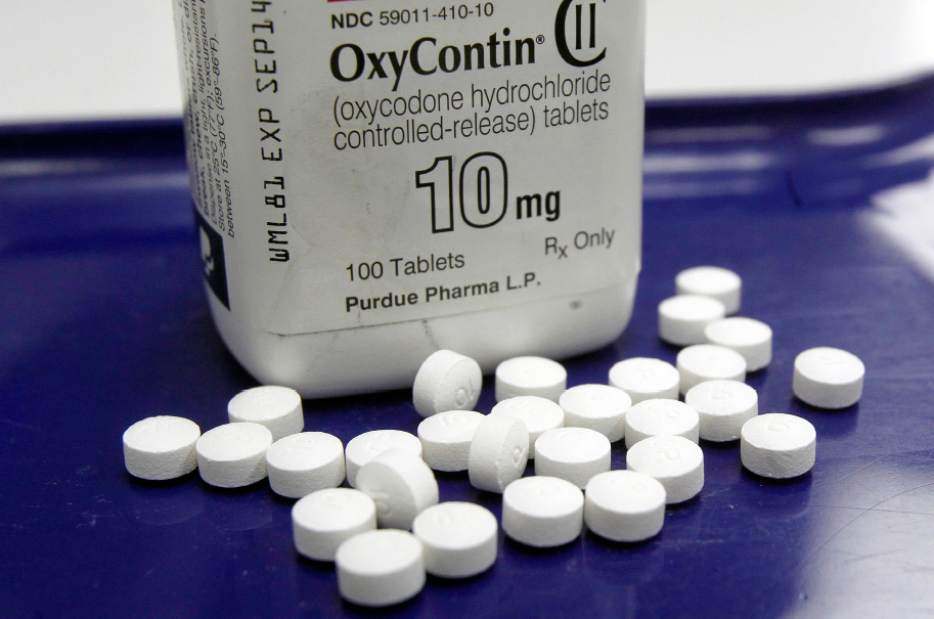

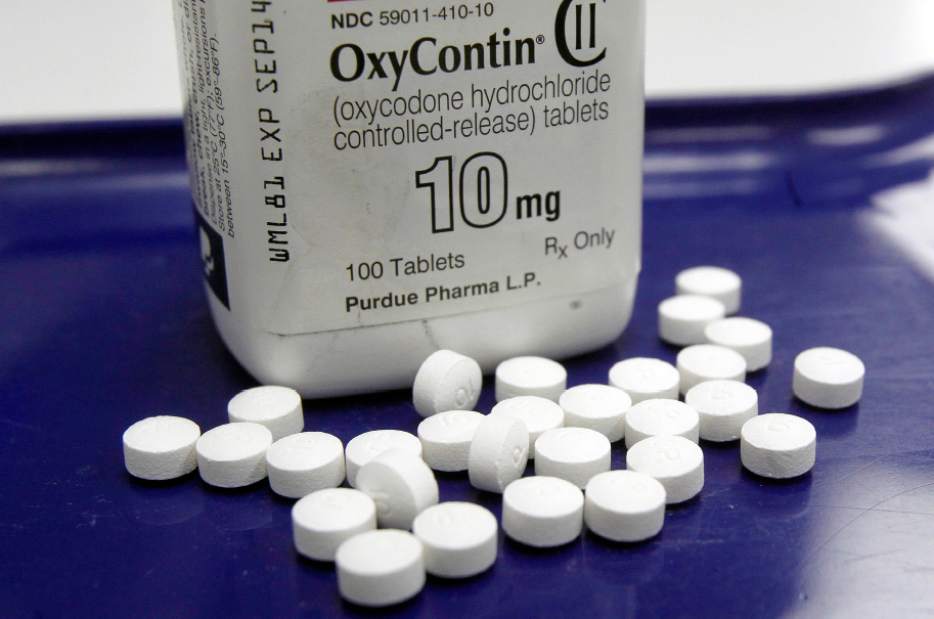














Our culture tries to fix blame for events, patterns and tragedies, always looking for the villain when, in fact, most societal issues evolve over a long time. Unwanted consequences, personal struggles, community distress and financial burdens result. This progression of dysfunction is especially evident in today's opioid epidemic, rooted in the 1980s.
Yes, it has taken over 30 years for the general public to finally recognize this fatal pattern.
In 1980, in a one-paragraph New England Journal of Medicine letter, a Dr. Hershel Jick basically said few of his patients treated with opioids became addicts — but said nothing about dosage or length of treatment. Freedom-from-pain advocates began calling Jick's letter a study. It wasn't, but it began a misinformed, years-long campaign that opioids were not addictive. As recently as 2001, a Time magazine story, “Less Pain, More Gain,” called Jick's letter a landmark study showing fear of opioid addiction was unwarranted.
In the mid-1980s, the World Health Organization declared freedom from pain a universal human right. From this proclamation, the “pain ladder,” still used in prescribing medications — “1” as the lowest pain level, “10” being great pain — was established. Lawsuits claiming under-treatment of pain by physicians, hospitals and clinics escalated. Pain became the fifth vital sign (along with blood pressure, temperature and heart and respiration rates), and the new, universal “no pain” right began dictating patient care.
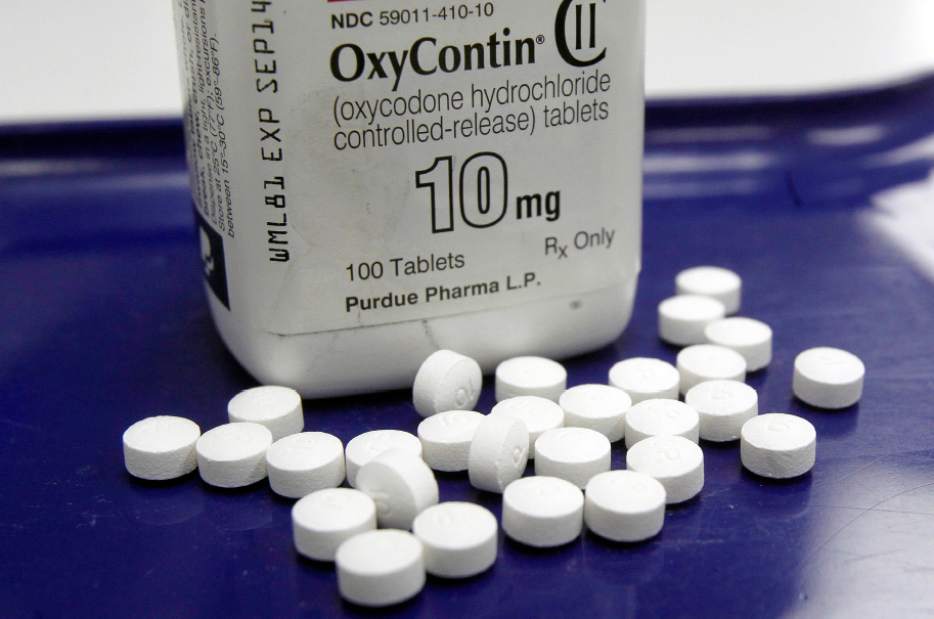
In his best-selling 2015 book “Dreamland,” Sam Quinones chronicles critical events and decisions, including the American Pain Society's president urging doctors to consider pain a universal vital sign in 1996 — the same year that Purdue Pharma began marketing OxyContin, primarily for chronic pain. Licensing and accrediting bodies cited providers for not treating pain aggressively enough. In 1998, the Department of Veterans Affairs and a major accrediting body adopted and promoted the “fifth vital sign” idea of pain. At this pain-freedom culture's core was the idea that opioids were virtually non-addictive when used to treat pain.
Managed care also evolved during the late '80's and '90s. As Quinones notes, insurers reduced services and costs, including approved providers' fees. Hence, doctors had to see more patients, limiting patient time per visit. The “13-minute rule” became doctors' norm; prescription pads became valued allies. “Treat the pain, reduce the time” was that era's mantra.
“Dreamland” also addresses personal choice and demand. The author notes America continues to be a nation of excess, feeding various appetites with more, bigger, faster credit and less responsibility. Trying to achieve happiness with more stuff opens a window for opioids to take hold of our culture.
Questions of why, how and when continue to be asked. Answers are varied, woven through recent history. Proclamations, regulations, opportunities, business models, manipulation, health care and personal responsibility formed our opioid epidemic's pathway.
Vince Mercuri, executive director of the Open Door Alcohol/Drug Treatment Center and Crisis Intervention Program in Indiana, Pa., is a member of the Valley News Dispatch Editorial Board.
